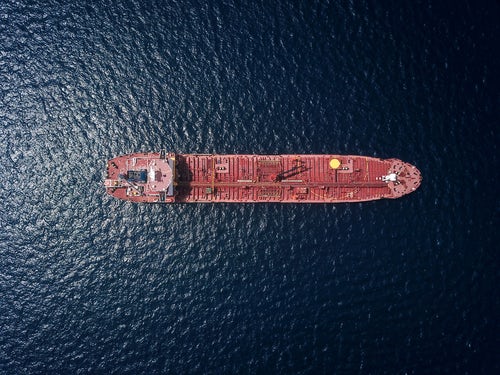
The International Maritime Security Construct (IMSC) monitored an incident involving a United Kingdom flagged tanker which was approached in the international waters of the Gulf of Aden, May 17.
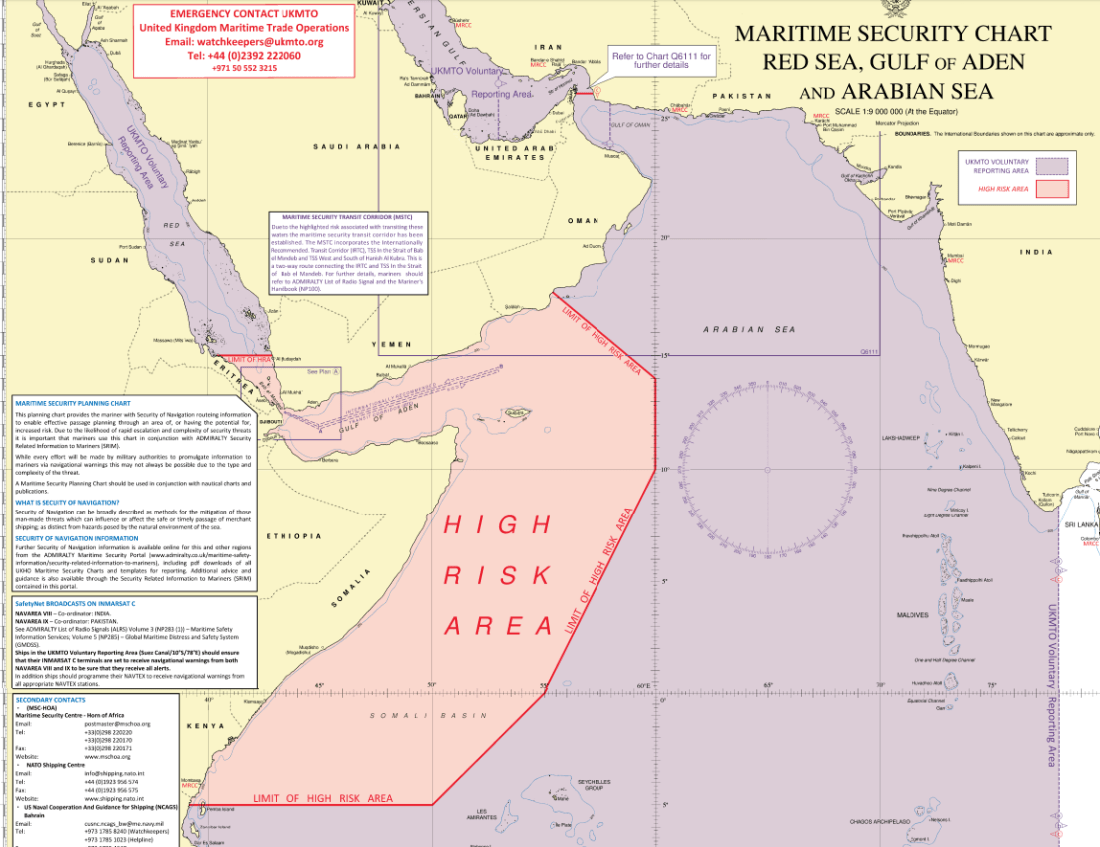
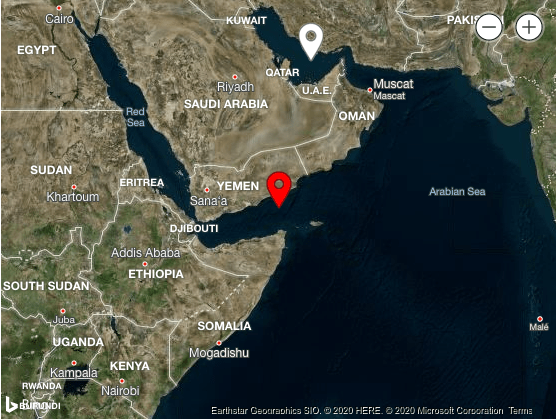
Initial reports indicated the Stolt Apal tanker was approached by two speed boats approximately 100 miles off the coast of Yemen. The incident occurred in IMSC’s area of operations.
“While we do not yet know who is responsible for this incident, it serves as an example of the behaviour IMSC is here to deter,” said Commodore Rob Bellfield, IMSC commander.
No immediate threat to the free flow of shipping was assessed, and no further action was taken by IMSC vessels or aircraft.
The multi-national, British-led IMSC deploys ships and aircraft throughout the region as part of the international surveillance and detection effort, ensuring freedom of navigation and free flow of commerce in international waters.
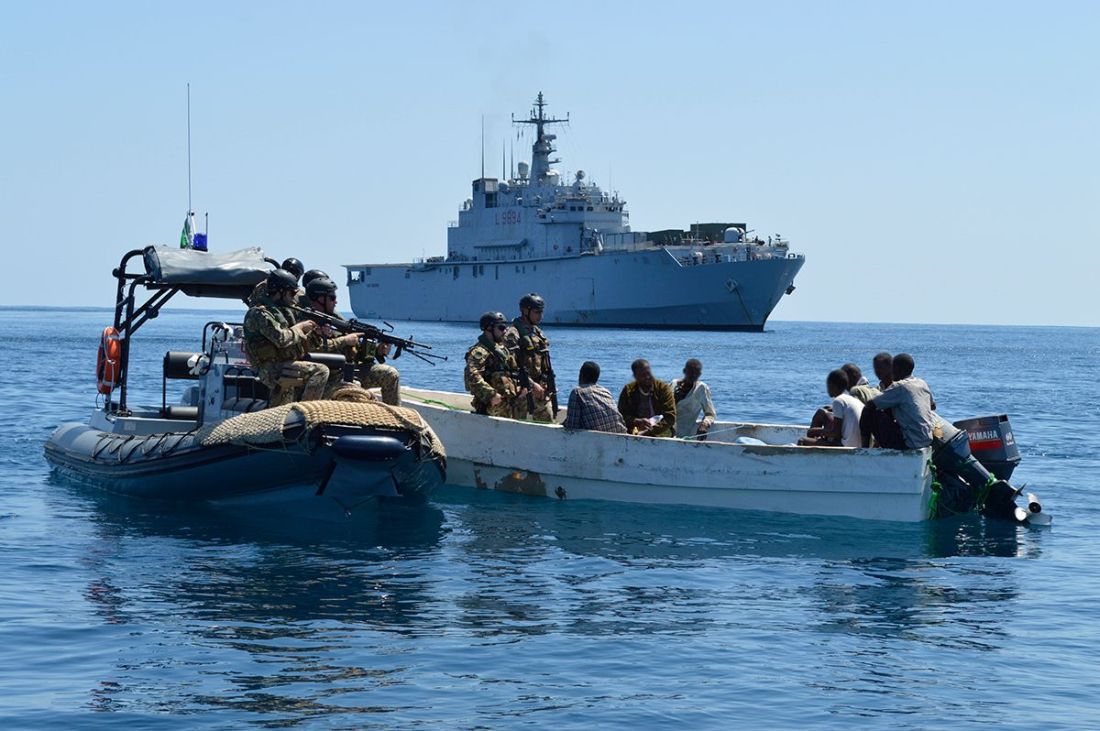
UKMTO and media outlets report that on May 17th, the UK-flagged Stolt Apal was attacked by suspected Somali pirates in two skiffs, in the IRTC, Gulf of Aden.
The initial UKMTO report stated that at approximately 1230UTC a MV was attacked in position 1343N 05037.4E. Follow up media reports added that Stolt-Nielsen had confirmed the incident, reporting that two skiffs with six persons on board had approached the ship at high speed.
The tanker’s armed security team fired warning shots, which the pirates ignored and fired on the vessel. The ship’s security team returned fire, apparently disabling one of the skiffs which ended the attack.
The Stolt Apal’s bridge sustained minor gunshot damage but the vessel was otherwise unharmed and no injuries were reported.
The attack comes after a long period of calm in the Indian Ocean as far as piracy is concerned. However, analysts have long warned that the economic and social conditions for piracy remain in Somalia, and these could potentially be exarcerbated by the impact of the coronavirus both ashore and at sea in terms of maritime security provision.
It is imperative that the shipping industry avoids becoming complacent and continues to follow BMP 5 measures while transiting the region.
BEIRUT, LEBANON (12:00 A.M.) – At least five Iranian fuel tankers are on the way to Venezuela to help the South American nation with their fuel crisis.
According to reports, the first Iranian tanker, Fortune, has already entered Atlantic waters while the last tanker, Clavel, crossed the Suez Canal and entered the Mediterranean Sea. These shipments mark one of the first times in recent memory that Iran has sent such a large amount of fuel to Venezuela.
Nineteen sailors have been killed and 15 others wounded in a “friendly fire” incident involving two Iranian naval vessels, the navy has said.
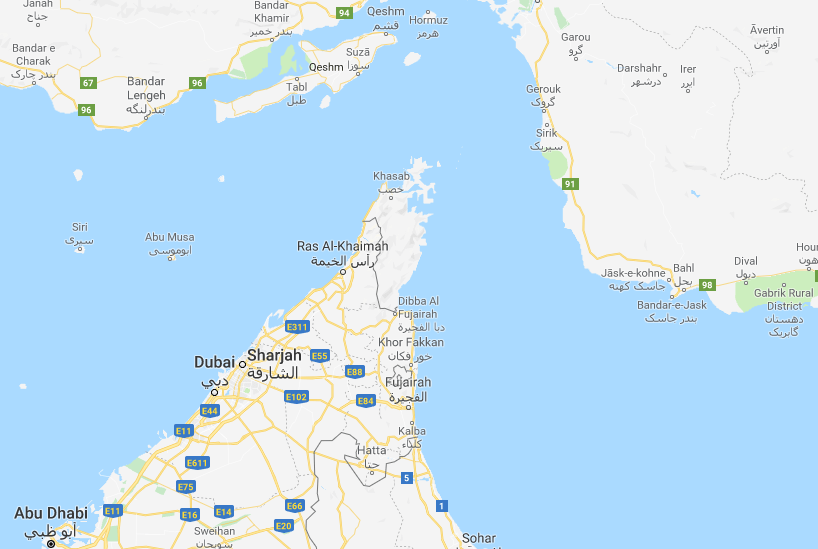
Iranian state media reported that a new anti-ship missile being tested by the frigate Jamaran hit the light support ship Konarak on Sunday in the Gulf of Oman.
The accident happened during a training exercise near the Strait of Hormuz.
Iran’s armed forces regularly hold exercises in the strategic waterway.
The “Konarak vessel was struck with a missile yesterday [Sunday] afternoon during a military exercise in the waters of Bandar-e Jask” off Iran’s south coast, state TV said on its website.
“The vessel was hit after moving a practice target to its destination and not creating enough distance between itself and the target,” it added.
The incident happened near the port of Jask, some 1,270km (790 miles) south-east of Tehran, in the Gulf of Oman, state TV said.
The Jamaran and Konarak are said to belong to naval forces of the Iranian military.
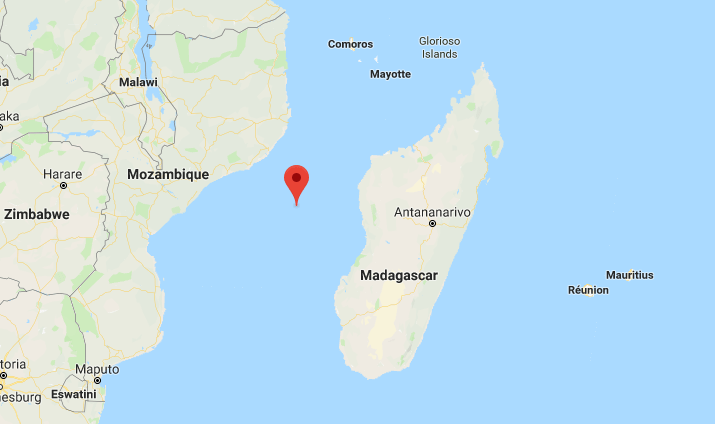
The extension of the Operation Copper maritime patrol mission in the Mozambique Channel for another year will cost the South African National Defence Force R154 million.
This is according to a letter from President Cyril Ramaphosa informing the National Assembly of the extension of Operation Copper, from 1 April 2020 to 31 March 2021.
In early April, eight armed raiders boarded the container ship Fouma as it entered the port of Guayaquil, Ecuador. They fired warning shots toward the ship’s bridge, boarded the ship and opened several shipping containers, removing unknown items before escaping in two speedboats. Nobody was harmed.
Ecuador isn’t exactly a hot spot of global piracy, but armed robbers regularly attack ships in and around the port of Guayaquil. It’s the seventh-busiest port in Latin America, handling most of Ecuador’s agricultural and industrial imports and exports. Ships moored along the port’s quays or, like the Fouma, transiting its narrow river passages are easy prey for local criminal gangs.
Only a few short years ago the international community was celebrating the end of maritime piracy. Worldwide in 2019, there were fewer attacks and attempted attacks on ships than there had been in 25 years.
But as the Guayaquil attack hints, pirates may be getting more active. Already, the first three months of 2020 have seen a 24% increase in pirate attacks and attempted attacks, over the same period in 2019. As a scholar of sea piracy, I worry that the coronavirus pandemic may make piracy even more of a problem in the coming months and years.
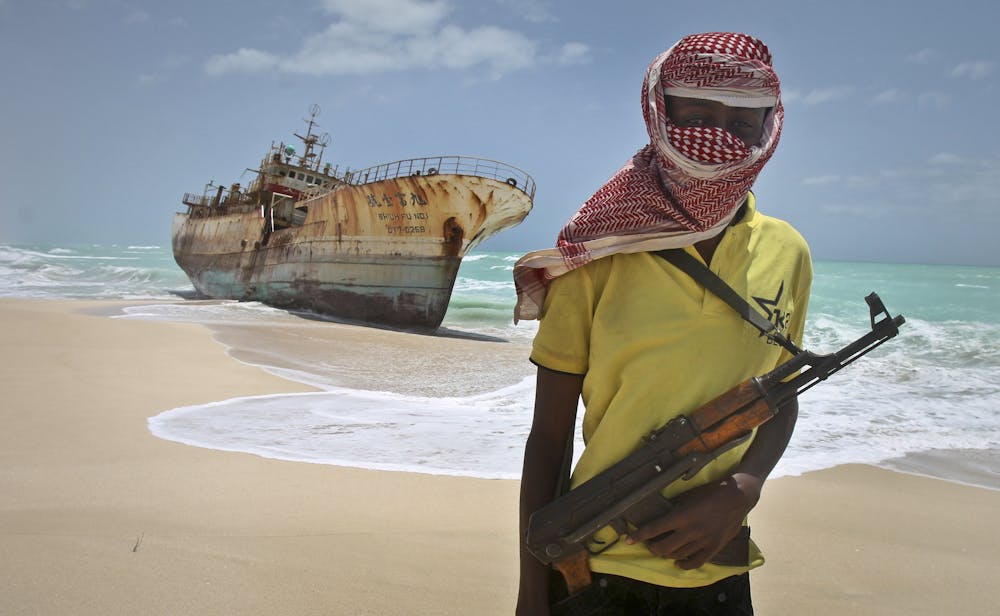
In a photo from 2012, masked Somali pirate Hassan stands near a Taiwanese fishing vessel that washed up on a Somali shore after the pirates were paid a ransom and released the crew. AP Photo/Farah Abdi Warsameh
Counter-piracy successes
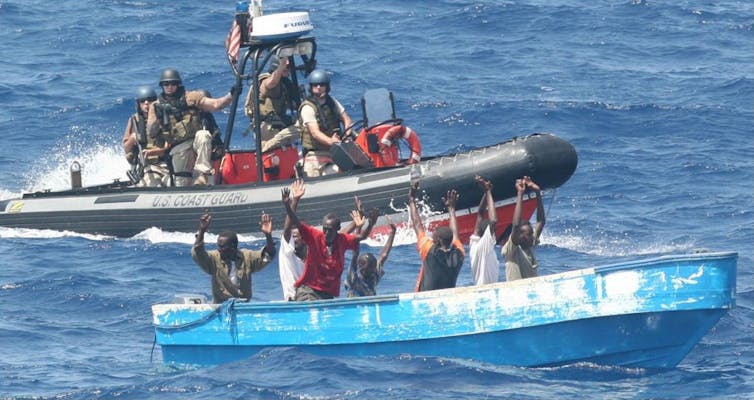
Modern sea piracy often involves pirates in small fast boats approaching and boarding larger, slower-moving ships to rob them of cargo – such as car parts, oil, crew valuables, communication equipment – or to seize the ship and crew for ransom.
Beginning in 2008, the greater Gulf of Aden area off the coast of East Africa became the most dangerous waters in the world for pirate attacks. Somali pirates like those portrayed in the 2013 Tom Hanks movie “Captain Phillips” spent five years regularly hijacking large commercial vessels.
As a result of these efforts, the global number of attacks and attempted attacks dropped significantly over the past decade, from a high of nearly 450 incidents in 2010 to fewer than 165 incidents in 2019 – the lowest number of actual and attempted pirate attacks since 1994. Ship hijackings, the most severe and visible manifestation of sea piracy, also have declined since 2010.
A return of pirates?
However, the Fouma attack is a troubling sign. The sea robbers seem to have had detailed advance knowledge of the ship’s cargo, as well as its course and the personnel on board. Those are clues that the pirates planned the attack, likely with help from the crew or others with specific information about the ship.
The medical and economic fallout from the coronavirus pandemic seems likely to pose severe challenges for countries with few resources and weak governments. West African and South American countries already struggle to police their territorial waters. Those regions have not yet been severely affected by the coronavirus, though infections are growing on both continents.
As hospitals fill with COVID-19 patients, the regions’ governments will almost certainly shift their public safety efforts away from sea piracy and toward more immediate concerns on land. That will create opportunities for pirates.
The disease may make it harder for crews to protect ships as well. Most merchant vessel crews are already stretched thin. If crew members get sick, restrictions on international travel prevent their replacements from meeting the ship in whatever port it’s in.
Slowing consumer spending around the globe means less trade, which brings less revenue for shipping companies to spend on armed guards or other methods of protecting ships against pirates. As a result, ships will likely become easier targets for pirates.
Even with the early numbers suggesting an increase for 2020, global piracy still isn’t as high as it was during the Somali peak from 2009 to 2012. But if economic conditions worsen around the globe and ships look like easy targets, more desperate people may turn to piracy, or ramp up their existing efforts in an attempt to survive.
The German Federal Cabinet has extended the anti-piracy mission EUNAVFOR (European Union Naval Force Somalia) – Operation Atalanta – in the Horn of Africa. The mandate, which expires on 31 May 2020, is to be continued for a further year until 31 May. 2021. The Bundestag (German parliament) still has to discuss and then vote on it.
Story by Jörg Fleischer
The personnel limit for the mission is up to 400 Bundeswehr soldiers. Operation Atalanta (the name is derived from the huntress of the same name from Greek mythology) has made a major contribution to reducing piracy in the Horn of Africa in recent years. However, there are still isolated pirate attacks. Some of the criminal networks continue to exist. That is why the mission is still necessary. Its main purpose is to protect United Nations World Food Programme ships and the African Union mission in Somalia in the Horn of Africa from piracy and to combat piracy. Atalanta’s presence in the maritime area of the Horn of Africa contributes to the stabilization of the region.
The Pakistan Maritime Security Agency, in a joint operation with the Pakistan Customs, was said to have foiled a smuggling bid, seized a huge cache of drugs and arrested 16 suspects, including 11 foreigners.
Officials of the PMSA and the customs reportedly conducted a joint operation at open sea on April 26 on a tip-off and intercepted two boats. While searching the boats, they discovered a huge cache of drugs, which included 2,410 kilograms of hashish, 181 kilograms of crystal ice, 133 kilograms of brown crystal.
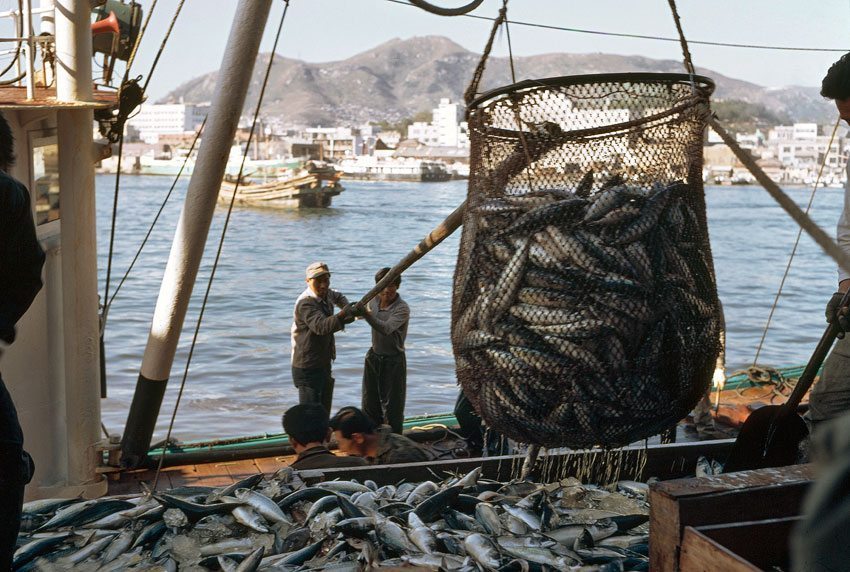
The maritime security component of the Department of Environment Affairs, Forestry and Fisheries (DEFF) notched up a major protection success earlier this month when six Chinese fishing trawlers were fined after illegally entering South African waters.
DEFF announced the success via a statement which did not give details of the fine amount or name the foreign fishing trawlers.
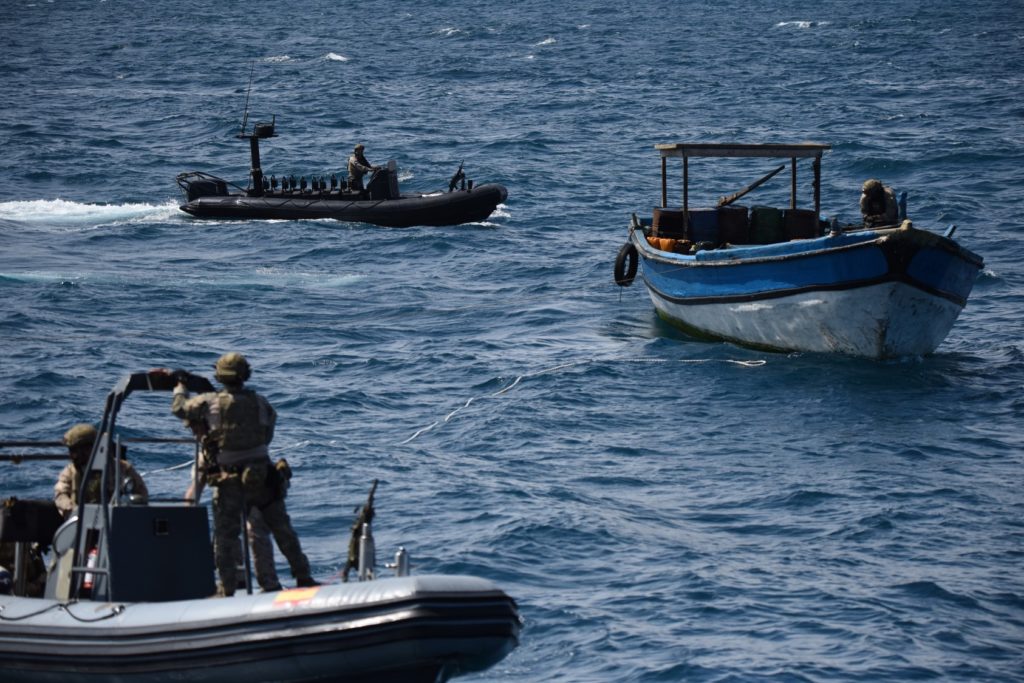
EU NAVFOR Somalia Operation ATALANTA units have few opportunities to collaborate with ships of other navies and Combined Task Forces (CTF) at sea. However, Operation ATALANTA always tries to increase synergies with regional states and military actors present in the region to be ready to deter, prevent and repress piracy and armed robbery at sea.
Operation ATALANTA had the opportunity to receive the support of the TF 53, a flexible and efficient unit that provides logistics support to the US fleet. In an excellent manoeuvre, Spanish frigate Numancia and US Navy ship Wally Schirra accomplished Replenishment at Sea (RAS) in only 2 hours.
Thanks to this support, not only can EU NAVFOR units extend their range of operation without entering a port, but also EU NAVFOR remains ready to accomplish his mandate even under COVID-19 crisis, reducing the risk of infection and protecting their crew. Risk mitigation measures are in place in order to ensure the continuation of the operation under the current circumstances.
EU NAVFOR remains full mission capable and ready to deter, prevent, and repress piracy. COVID-19 crisis has not reduced the capability of ATALANTA to fight against piracy and ATALANTA´s units are all fully operational.



 Maritime Security News