Tanzania: State Urged to Amend Penal Code On Ship Piracy

By Faustine Kapama

HIGH Court Judge Yose Mlyambina has advised the State to amend the Penal Code of the United Republic of Tanzania, in particular, and the provisions relating to piracy cases in order to draw closer to the developments at the international level.

Dr Mlyambina made the appeal recently while delivering the first judgment in a piracy case, also the first to be determined in the country’s judicial system.

To continue reading, please click here.

Source: allafrica.com

$195m maritime security contract: Is Amaechi deceiving Nigerians?

By Oluwatoyin Amao

Despite a $195 million (N60 billion) maritime security contract awarded by the Federal Government to an Israeli firm, HLSI Security Systems and Technologies Limited at the instance of the Ministrer of Transportation, Mr. Rotimi Amaechi, piracy and sea robbery still reign on the nation’s waters while the Nigerian Maritime Administration and Safety Agency (NIMASA) still spends US$174,000 (N53.4 million) monthly to hire security patrol vessels.

This has raised questions about the integrity and impact of the contract in Nigeria’s maritime domain.

To continue reading, please click here.

Source: shipsandports.com.ng

Nigerian Navy seeks speedy passage of anti-piracy law

Ada Wodu, Calabar

The Nigerian Navy has urged the National Assembly to speed up the passage of the anti-piracy bill into law in a bid to end the menace which is sabotaging the country’s economy.

The Navy made the call at an Inter-Agency corporation seminar organised by the Naval War College, Nigeria to discuss the Harmonised Standard Operating Procedures on Arrest, Detention and Prosecution of Vessels & Persons in Nigeria Maritime Environment with the theme: ‘Combating smuggling through inter-agency cooperation.’

To continue reading, please click here.

Source: punchng.com

Tanzania: Seven Somali Nationals Jailed for Life Over Piracy

By Faustine Kapama

THE High Court in Dar es Salaam has sentenced seven Somali nationals to life imprisonment over piracy. Judge Yose Mlyambina meted the harsh sentence last week against Mohamed Adam, Bashir Rooble, Muhsini Haji, Abdulwaidi Abdalahamani, Faragani Abdul, Ally Nur Ally and Omar Mohamed, alias Mudhee after convicting them of the charges they were facing.

He took into consideration evidence by 14 prosecution witnesses and six documentary exhibits as well as the defence testimony by the accused.

To continue reading, please click here.

Source: allafrica.com

Piracy attack off the coast of Somalia

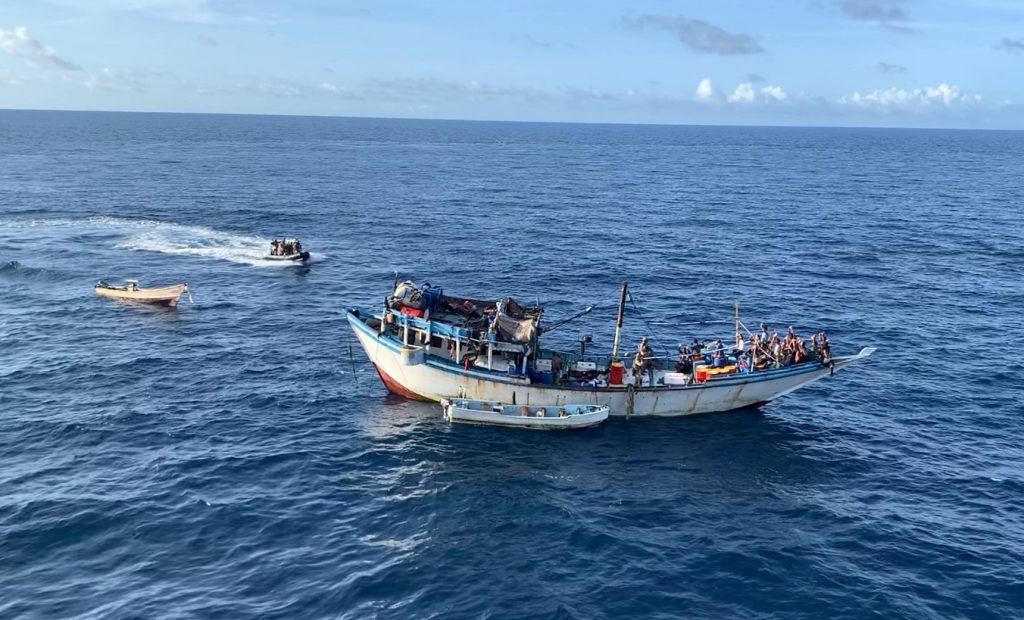
File image of an approach on a dhow

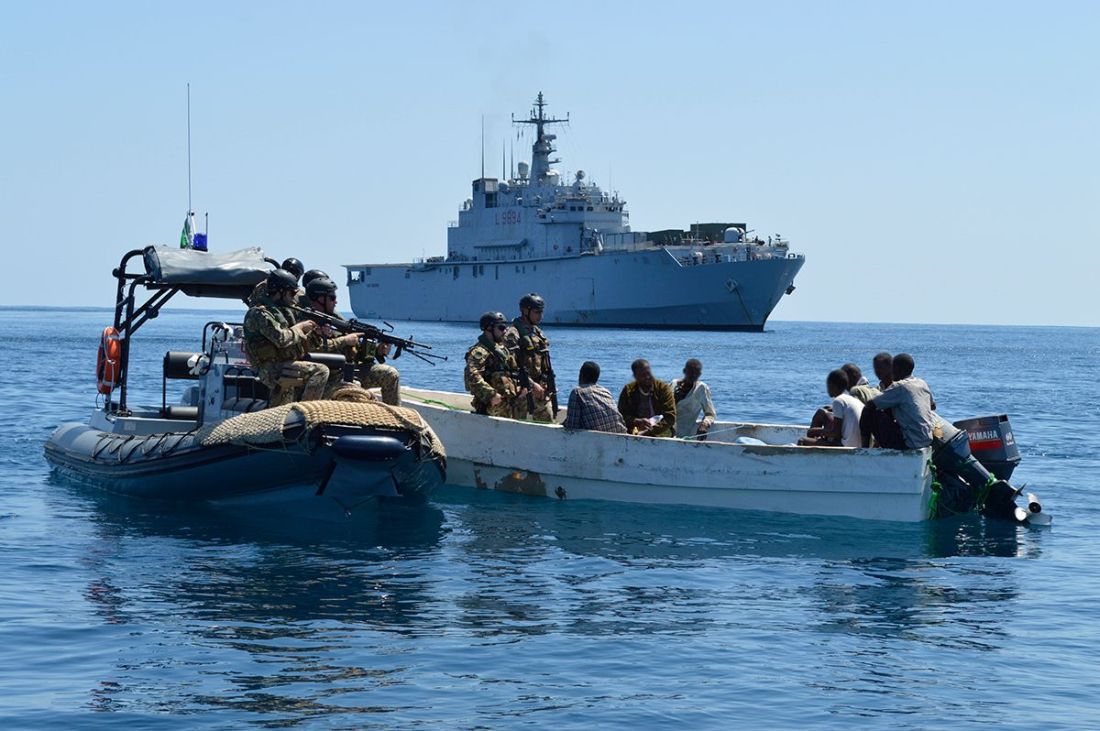
On 21 April, fishing vessels FV Adria and FV Txori Argi were attacked by suspected pirates in the Indian Ocean, 280 NM off the coast of Somalia. The piracy attacks were thwarted, and the crew and vessels remained safe, thanks to the application of Best Management Practices (BMP) protection measures by the Masters, the crews and the private security teams embarked on both fishing vessels.

EU NAVFOR Somalia Operation Atalanta confirms these attacks. It is likely that the attacks were facilitated by a mothership, which was reportedly seized by armed men on 19 April off the central Somali Coast.

EU NAVFOR subsequently dispatched its Maritime Patrol and Reconnaissance Aircrafts to search the area. In addition, EU NAVFOR flagship ESPS Navarra left the port in Mombasa in order to proceed into the area.

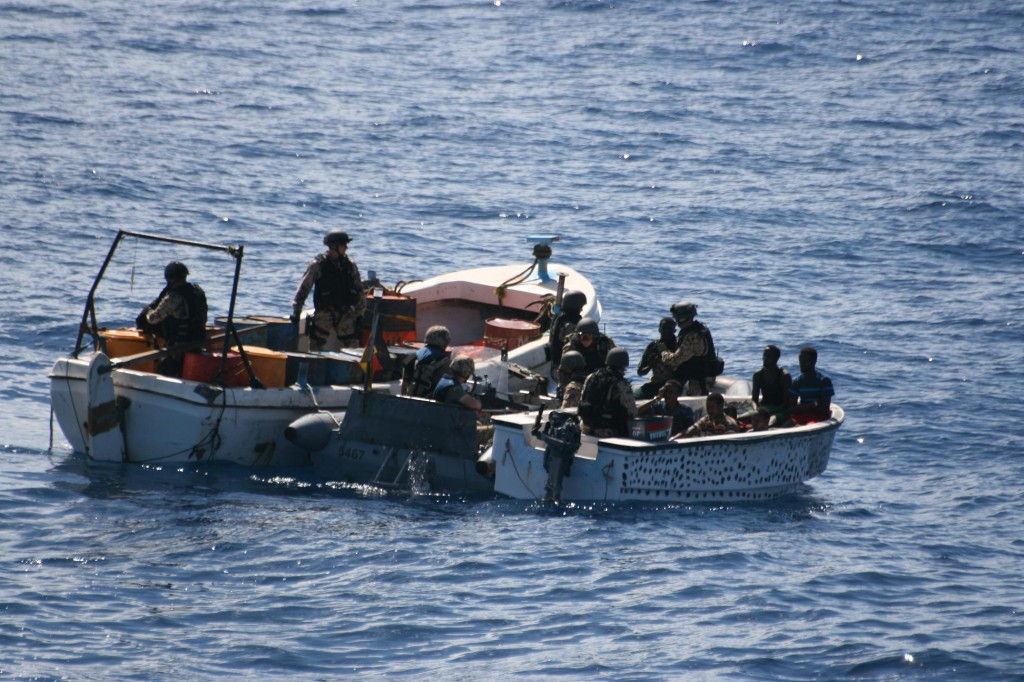
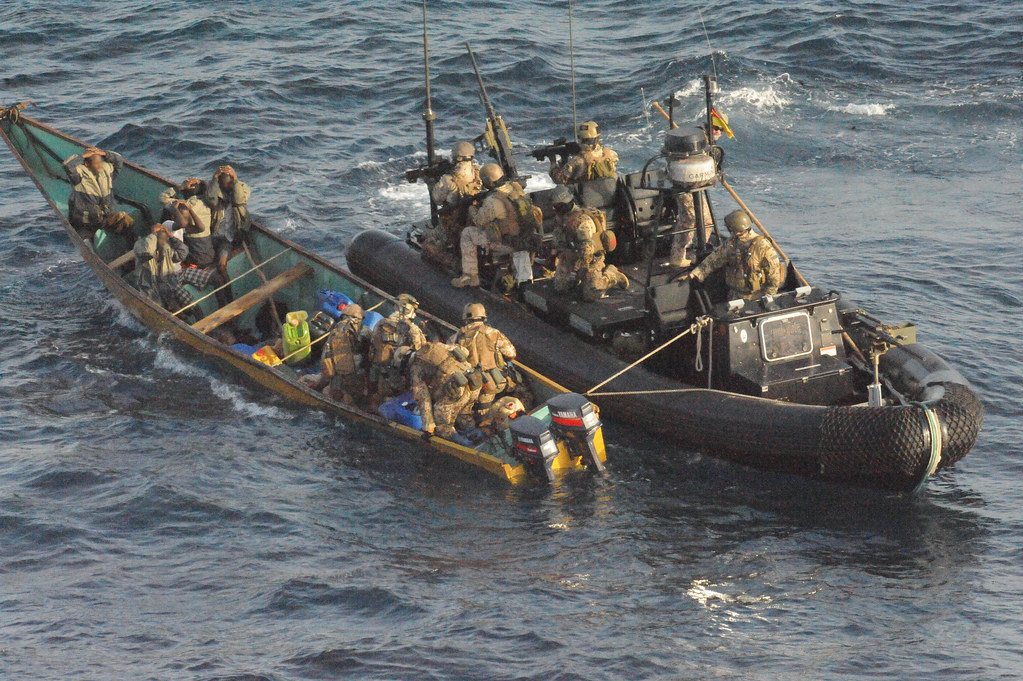
On 23 April, ESPS NAVARA successfully intercepted and boarded the dhow being used as a mothership.

The operation is still ongoing, and more details will be provided upon completion.
EU NAVFOR remains committed to deterring, preventing and suppressing piracy and emphasizes that the Maritime Industry must adhere to BMP measures in order to maximize the safety of the ship and their crews whilst transiting the high-risk area.

Source: eunavfor.eu

The U.S. Coast Guard’s Mission to Africa

By: Ben Werner

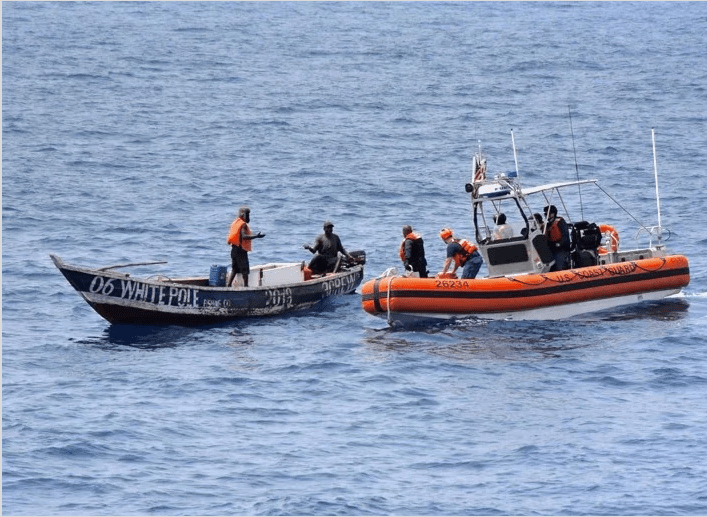
U.S. Coast Guard Cutter Thetis (WMEC-910) is halfway through a 90-day mission to Africa’s Atlantic coast and already the crew has helped enforce fishing rights, combat smuggling and piracy and rescue two fishermen who had been declared dead.

Operating off the coast of Africa is not the typical patrol route for a U.S. Coast Guard cutter, but the mission is the same, Cmdr. Randall Chong, commanding officer of Thetis, told USNI News during a recent satellite call from the ship. Thetis is assisting partner nations in better understanding the seas off their shores and helping secure their national interests while preventing regional problems from growing into more significant issues that could reach U.S. borders.

“Last month we were operating off the coast of Sierra Leone and one of my young lookouts, she saw a guy waiving, two guys waiving their life jackets,” Chong said. “They had no food, no water; they were actually starting to drink some sea water. We escorted them back to Sierra Leone and when we brought them back, we were told by their government they were declared dead two days before that.”

The scenario is relatively common among the fishing fleet, Chong said. Fishermen head out to sea on 22-foot boats, powered by old outboard motors and without navigation aids or communication links to shore. Sierra Leone also doesn’t have the resources to mount considerable search efforts at sea.

Thetis, a 270-foot Famous-class medium endurance cutter based in Key West, Fla., is made for finding small ships at sea. The cutter and crew specialize in maritime law enforcement operations such as counternarcotics and human smuggling missions. Their three-month deployment to Africa’s Gulf of Guinea region is intended to share their expertise with African maritime nations.

“The Coast Guard is a unique fit for this type of mission with our law enforcement authorities and our competencies,” Lt. David Zwirblis, operations officer on Thetis, told USNI News. “That’s really what these nations are looking for; they’re trying to secure their maritime domains. That’s what their navies are doing. Their economies are really intertwined with the maritime security of the region.”

Mission to Africa

Thetis departed Key West for Africa in late February, making it the first Coast Guard cutter to deploy in support of U.S Africa Command since 2012 and the first to participate in an African maritime exercise since 2011, according to Coast Guard news releases. Thetis participated in exercise Obangame Express and made port calls in Nigeria, São Tome and Principe and Cote d’Ivoire, among other work during the deployment.

U.S. military engagement with African nations is critical to protecting U.S. interests and helping stabilize governments on the continent, Adm. James Foggo, the commander of U.S. Forces Africa, explained during a recent edition of his podcast.

Having the U.S. Coast Guard deploy to Africa is useful, Foggo said, because the U.S. Coast Guard’s maritime law enforcement mission aligns with what he said African nations frequently cite as their most significant needs: enhancing their maritime security operations to protect fishing rights, stop smuggling and interdict human and drug trafficking.

For many of the nations, Chong said their navies perform missions similar to those of the U.S. Coast Guard. For the most part, the African navies and coast guards protect their fisheries resources from illegal fishing, search for smugglers and and combat the region’s ongoing piracy problems.

In many cases, the African nations use equipment very similar to what the U.S. Coast Guard employs. Smaller nations have patrol boats similar to those used by the U.S. Coast Guard, Chong said. Larger nations have frigates which are the same size as the U.S. Coast Guard’s national security cutters.

“The technology is very comparable to us as far as doing those type of boardings off a smaller platform or off a frigate,” Chong said.

In the case of Nigeria, Chong said Thetis operated with a former U.S. Coast Guard cutter. Current Nigerian navy frigate NNS Thunder (F90) is the former Hamilton-class high endurance cutter USCGC Chase (WHEC-718). Chase was transferred to Nigeria after being decommissioned in 2011.

“We’re helping a lot of these countries and their navies and coast guards to do boarding and security type functions,” Chong told USNI News. “We’re working with them jointly in their own maritime security zones.”

Geopolitical Mission

However, having the U.S. Coast Guard share knowledge and expertise with African nations serves another purpose that’s harder to quantify but is critical to U.S. foreign policy: acting as a counter to the growing influence of China in the region, officials say.

“I think I can safely say China’s interests are not the same as our interests,” Foggo said. “China has tripled its loans to Africa since 2012, making Beijing a major debt holder for African governments. China’s focus is geared towards using money and loans to open doors and access to natural resources contracts. This type of debt diplomacy can be a hindrance.”

Citing recent developments in Sri Lanka, Foggo said after that island nation’s ballooning debt to China grew unsustainable, China agreed to forgive some of the debt in return for gaining control of a major Sri Lankan port facility for 99 years.

Expect to see increased U.S. Coast Guard missions to support U.S. Navy fleet operations around the world, officials say.

“You look at Oceana; you look at China asserting influence, checkbook diplomacy in places where there’s not much of a tempering or competing voice right now,” Commandant of the Coast Guard Adm. Karl Schultz said last summer. “The Coast Guard I think can bring some unique capabilities in building partner capacity.”

Since Schultz foreshadowed sending Coast Guard assets to assist U.S. Navy missions, Thetis was sent to Africa. Meanwhile, and around the globe, cutter USCGC Bertholf (WSML-750) joined guided-missile destroyer USS Curtis Wilbur (DDG-54) in showing the roughly 110-mile wide body of water separating mainland China from Taiwan remains open for all maritime traffic.

“The bottom line is we’re there to work with our friends,” Foggo said. “We don’t ask for anything in return except for their friendship.”

Source: news.usni.org

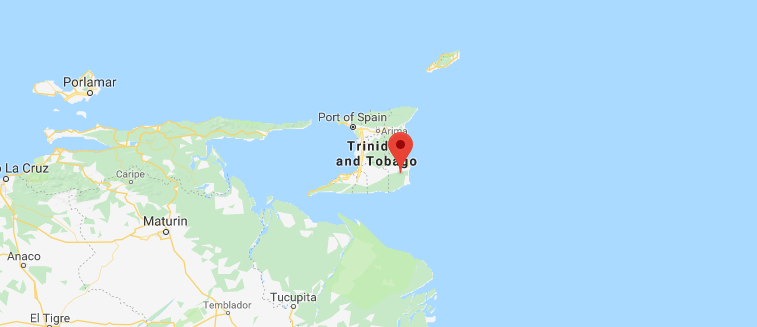
Venezuelan Pirates Attack T&T Yacht

PORT OF SPAIN, Trinidad (CMC) — President of the Yacht Services Association of Trinidad and Tobago (YSATT), Tommy Johnson, has called on yacht owners to travel in “a convoy if possible” after a 55-foot sailboat came under attack from Venezuelan pirates over the last weekend.

In a statement posted on the YSATT’s Facebook page, Johnson said on Sunday, the Sylph, a 55-foot Beneteau sailboat, which was positioned about 15 nautical miles north-east of the Hibiscus oil platform, was approached by a group of eight Venezuelans in an attempted piracy attack.

To continue reading, please click here.

Source: stluciatimes.com

Piracy Attacks on Nigeria’s Risky Waterways Fall 36%

By Elisha Bala-Gbogbo

Piracy attacks off Nigeria’s coast fell to 14 in the first quarter from 22 a year ago after the navy improved its response to incidents, the International Maritime Bureau said.

“These results confirm the Nigerian navy’s increased efforts to actively respond to reported incidents by dispatching patrol boats,” the London-based body that tracks attacks on sea vessels said. “Despite these efforts, Nigerian waters remain risky for vessels, especially the port of Lagos where four incidents have been reported.”

To continue reading, please click here.

Source: bloomberg.com

Saudi Arabia’s role in banishing piracy from regional waters

JENNIFER BELL

DUBAI: A decade ago, during the peak years of the Somali piracy crisis, the waters of the Arabian Gulf faced frequent threats from armed criminals at sea, who disrupted the economy by terrorizing shipping routes.

But experts say regional action — with Saudi Arabia at the forefront — has meant crimes on the high seas have dipped to some of the lowest records in years. 

To continue reading, please click here.

Source: arabnews.com

Maritime piracy incidents down in Q1 2019 but kidnapping risk in Gulf of Guinea persists

The International Chamber of Commerce International Maritime Bureau’s (IMB) report for the first quarter of 2019 reveals fewer incidents of piracy and armed robbery against ships than the first three months of 2018.

The IMB Piracy Reporting Centre, a 24-hour, free service offered by the IMB, enables shipmasters to report any incidents of piracy and armed robbery, globally against ships. Since 1991, the IMB Piracy Reporting Centre has provided the industry, government bodies and response agencies with timely data on the location of piracy and armed robbery incidents at sea.

Global trends

In the first quarter of 2019, IMB reported 38 incidents of piracy and armed robbery at sea, representing 28 fewer incidents than the first quarter of 2018 (66). IMB’s Piracy Reporting Centre detailed that 27 vessels were boarded, seven vessels were fired upon and four attempted attacks occurred in the first quarter of 2019. No vessels were reported as hijacked for the first time since the first quarter of 1994.

“These latest statistics from the IMB Piracy Reporting Centre are encouraging. However, first quarter statistics is too short a period on which to anticipate trends over the year.  It confirms the importance of information sharing and coordinated action between the industry and response agencies. Going forward, it is critical to continue to build more effective reporting structures to enable a strong, unified response when dealing with piracy incidents,” said IMB Director Pottengal Mukundan.

High risk in Gulf of Guinea

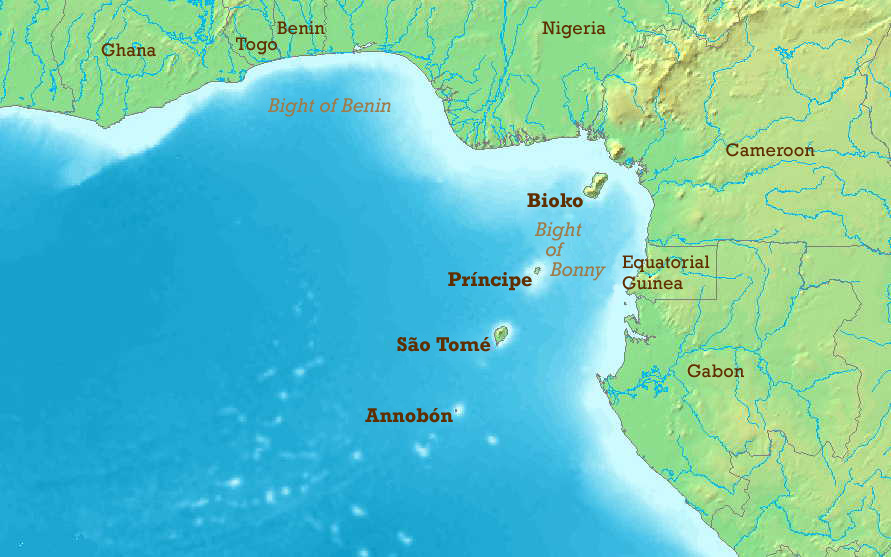
The Gulf of Guinea represented a high number of piracy and armed robbery attacks at sea, with 22 incidents reported in the first quarter of 2019. The region also accounted for all of the worldwide crew kidnappings as 21 crew members were kidnapped across five separate incidents. Incidents were reported in the coastal countries, of Benin, Cameroon, Ghana, Ivory Coast, Liberia, Nigeria and Togo in the first quarter of 2019.

Gains in Nigeria, but caution urged

Nigeria has been a hotspot for piracy incidents over the past decade. However, in the first quarter of 2019, Nigeria experienced a decrease in reported piracy incidents. Nigeria reported 14 incidents of piracy for Q1 2019, in comparison to 22 incidents in Q1 2018. These results confirm the Nigerian Navy’s increased efforts to “actively respond to reported incidents by dispatching patrol boats,” the report notes. Despite these efforts, Nigerian waters remain risky for vessels, especially the port of Lagos where four incidents have been reported.

Improvements in Asia

In Asia, Indonesia witnessed a decrease in piracy activities for the first quarter of 2019. There were only three incidents reported against anchored vessels in ports in Indonesia – the fewest reported incidents since 2010 – according to the report. As with Nigeria, increased cooperation and information sharing between the Indonesian Marine Police and IMB Piracy Reporting Centre has enabled regular patrols in high-risk areas.

Data sharing remains critical

The declining rate of piracy incidents worldwide in the first quarter of 2019 reinforces the importance of transparency, communication and coordination, between vessels and coastal authorities. By reporting all incidents to the IMB Piracy Reporting Centre and  coastal authorities the response can be better organised improving  incident response times and prompt advice to vessels aimed at a more optimal use of  resources.  National governments and coastal authorities can use this data to collaborate and strengthen their piracy prevention efforts.

Source: iccwbo.org