Iranian Navy to send 62nd Fleet in the Gulf of Aden to int’l waters

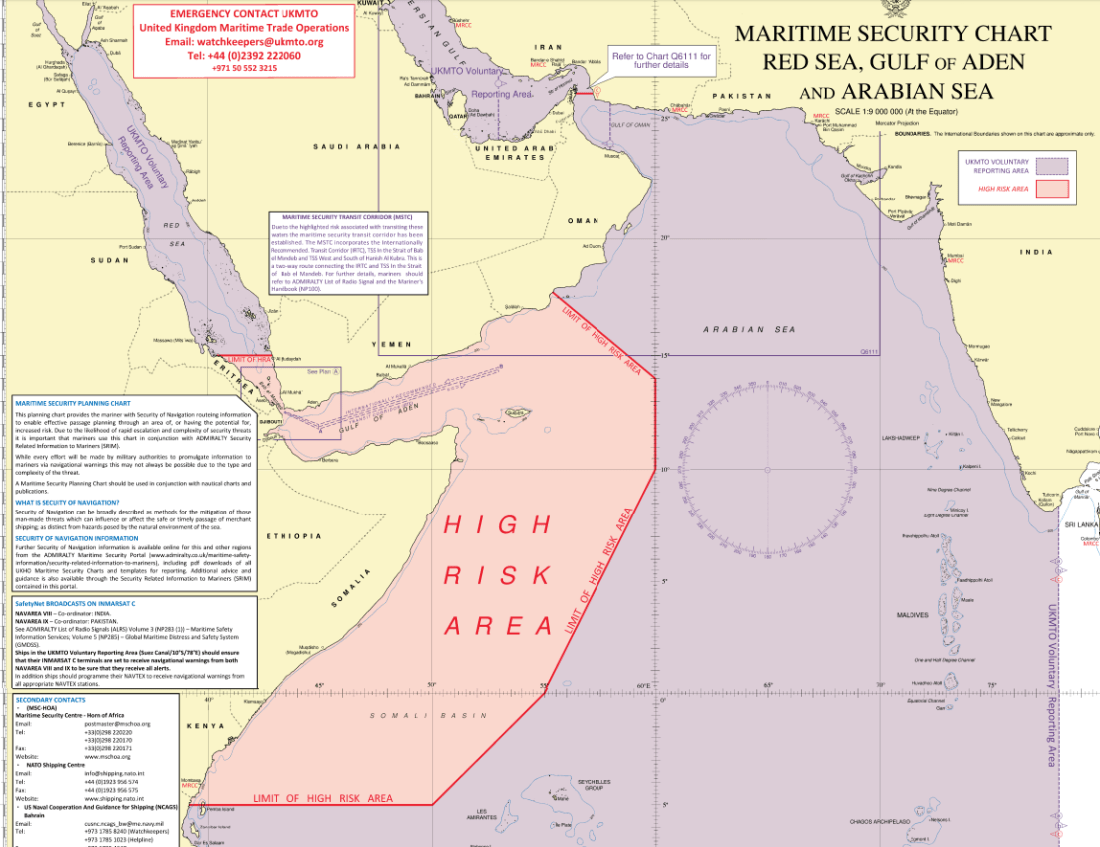
The Iranian Navy plans to dispatch the 62nd flotilla of warships to free waters in the next few days to protect the country’s cargo ships and oil tankers against pirate attacks. The 62nd fleet includes Bayandor destroyer and Lavan and Bushehr logistic warships.

The 61st flotilla of the Iranian Navy had set off for the high seas to safeguard maritime routes used by Iranian vessels in international waters, especially in the Gulf of Aden, in March.

To continue reading, please click here.

Source: navyrecognition.com

Navy to acquire more platforms to fight crime, says CNS

by Blessing Olaifa

The Nigerian Navy (NN) yesterday said it will acquire more platforms, including helicopters and fast interceptor boats, among others, to strengthen its operations in years ahead.

The Chief of Naval Staff (CNS), Vice Admiral Ibok-Ete Ibas, stated this in Abuja, the nation’s capital, while addressing reporters on activities lined up for the 63rd anniversary celebration of the Navy.

To continue reading, please click here.

Source: thenationonlineng.net

Seychelles, CJTF-HOA build partnership

By Captain Olivia Cobiskey
U.S. ArmyCJTF-HOA, May 21, 2019

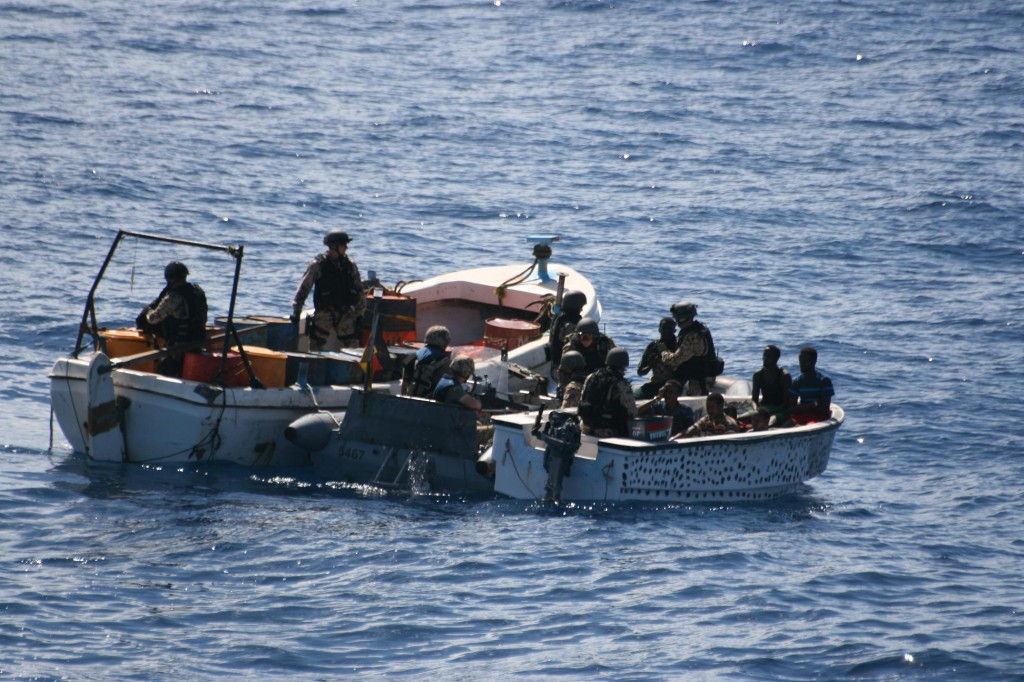
VICTORIA, Seychelles — The East African island nation of Seychelles is a key partner with Combined Joint Task Force-Horn of Africa, working towards increasing security and regional stability in the Indian Ocean.

U.S. Air Force Brig. Gen. James R. Kriesel, deputy commanding general of Combined Joint Task Force-Horn of Africa, recently visited the Republic of Seychelles to discuss ways to increase interoperability between CJTF-HOA and the Seychelles.

“A key, vital forecast is the fact piracy is suppressed, not eradicated,” said Kriesel, the first CJTF-HOA leader to officially visit the Seychelles since 2012. “We, as a coalition, must maintain readiness to rise to the challenge of a potential resurgence.”

Kriesel met with leaders from the Seychelles People’s Defence Force, and the U.S. Embassy Mauritius and Seychelles, to discuss the crucial role the Seychelles, a group of 115 islands, has played in the fight against illegal fishing, the ongoing threat of piracy in the western Indian Ocean, and trafficking of weapons, narcotics and people. During the meeting, Seychelles People’s Defence Force leaders elaborated on their plan to increase information sharing and force capability to police the Indian Ocean.

Kriesel also visited the Regional Coordination and Operational Centre, seeing firsthand how the center operates and its pivotal role in promoting maritime security in the region.

“CJTF-HOA and the Regional Coordination and Operational Centre would benefit from conducting training and exercises similar to our subject matter expert exchange; ultimately, furthering strategic access,” said Kriesel.

The Regional Coordination and Operational Centre’s objectives are synergistic with CJTF-HOA’s lines of effort. Strengthening individual and institutional capacity, encouraging international capacity, and facilitating mutual dialogue with international, regional and national actors form the foundation of the Regional Coordination and Operational Centre, resulting in success in their anti-piracy mission. Approximately 100 pirates have been repatriated to Somaliland; however, the government is concerned criminals are regrouping and obtaining financing for future activity, said Col. Clifford Roseline, chief of the Seychelles People’s Defence Force.

“Seychelles is proud to be a member of the Combined Maritime Forces,” said Roseline, who joined the Seychelles People’s Defence Force in 1978. The Seychelles rely on collaboration with maritime and international partners to share information and intelligence to ensure their forces are at the right place, at the right time, to continue to combat trafficking as it evolves in today’s operational landscape.

“The Combined Maritime Forces is seeing not only an increase in human trafficking, but a rise in the trafficking of both charcoal and sugar, which funds terrorist organizations in East Africa,” said Roseline.

“The Seychelles is more than just a partner on the high seas,” said Melanie Zimmerman, deputy chief of mission of the U.S. Embassy Mauritius and Seychelles, who also noted the country has the ability to prosecute suspected pirates detained by European Union Naval Force ATALANTA (EU NAVFOR) forces and U.S. Naval Forces Africa.

“CJTF-HOA values its partners and looks forward to continued collaboration with Seychelles,” Kriesel said at the conclusion of his visit.

Source: hoa.africom.mil

Hijacked ship MT APECUS involved in illegal activities since 2014: NIMASA

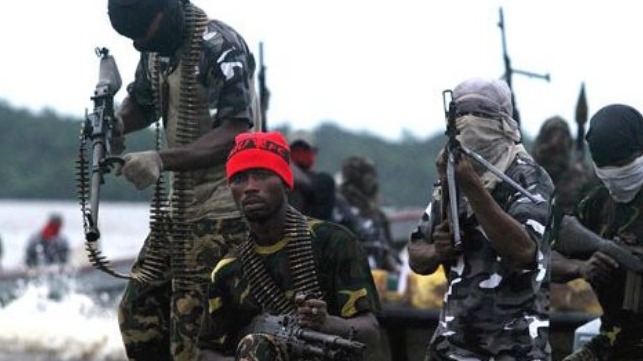
A Palau flagged Tanker, MT APECUS, hijacked off the coast of Bonny, Nigeria last month has been conducting trading activities in Nigerian waters since 2014 without permit, the Nigerian Maritime Administration and Safety Agency (NIMASA) said Monday.

Nevertheless, the agency said it was committed to rescue the abducted seven crew, comprising five Indian nationals and two other individuals of unspecified nationality.

To continue reading, please click here.

Source: sunnewsonline.com

Piracy: Changing a Wrong Perception of Nigeria

BY Vincent Obia

When in December last year Dr. Dakuku Peterside appealed to the International Maritime Bureau (IMB) to, “Please, report Nigeria appropriately,” he was making a passionate comment on a country determined to change, and challenging the misrepresentation of its situation by a world information system often lost in the ambiguities of perception. The call by the Director-General of the Nigerian Maritime Administration and Safety Agency (NIMASA), made during a visit by the International Maritime Security Operations Team (IMSOT) from the United Kingdom, was against the backdrop of exaggerated reports on incidents on the country’s waterways. IMB, a specialised department of the International Chamber of Commerce (ICC) dedicated to fighting maritime crime and malpractice, was the main culprit in what looked like a campaign of disinformation against the Nigerian maritime domain.

In often complicated and confusing accounts of maritime incidents, crimes within and outside Nigeria’s territorial waters are lumped together and presented as piracy. And attempts are hardly made to appreciate Nigeria’s efforts to curtail security incidents within its maritime space.

To continue reading, please click here.

Source: thisdaylive.com

Maritime security: Nigerian waters now safer, says Peterside

Nigerian Maritime Administration and Safety Agency (NIMASA) Director-General  Dr. Dakuku Peterside has said piracy and other maritime crimes have reduced drastically in the Nigerian maritime domain, making it safer for investment.

Contrary to reports in a section of the media on his responses while defending the Agency’s budget before the Senate Committee on Maritime Transport in Abuja, Peterside noted that efforts being put in place by the Federal Government to tackle maritime crimes were now yielding results. He added that NIMASA would continue to up its game to ensure Nigerians benefit from the enormous potential in the sector.

To continue reading, please click here.

Source: thenationonlineng.net

There Is No Piracy In Nigeria, But Armed Robbery – Bello

The Executive Secretary, Nigerian Shippers Council, Barrister Hassan Bello, says there is no piracy in Nigeria, but what we have are incidences of armed robbery. Bello said the armed robbery incidences and not piracy has been confirmed by the International Maritime Bureau (IMB).

The Secretary in a statement made available to The Tide queried the rational behind foreign shipping lines slamming ‘war risk surcharges’ on Nigerian bound cargoes,
He said the slamming war risk are deliberate extortion of Nigerian importers and creating a wrong impression about Nigeria’s maritime sector.

To continue reading, please click here.

Source: thetidenewsonline.com

Pirate attacks continue in West Africa

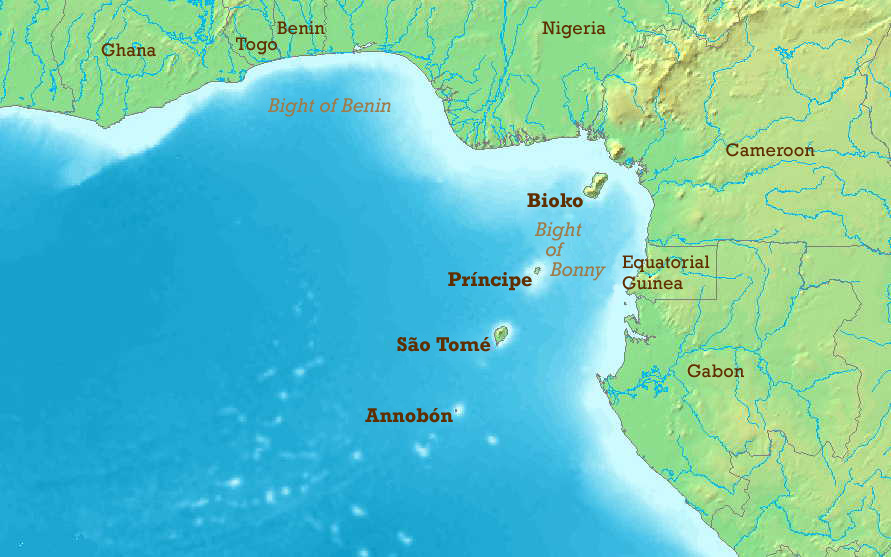
The Gulf of Guinea has recorded its third ship hijacking this month, with a chemical tanker captured off Togo, as the region continues to see a spike in maritime insecurity.

According to the International Maritime Bureau’s piracy reporting centre, armed pirates boarded and hijacked an anchored chemical tanker at Lome Anchorage on 12 May, holding its crew hostage.

To continue reading, please click here.

Source: defenceweb.co.za

EU, ECOWAS stake $173m to address maritime insecurity

By Oludare Richards

Economic Community of West African States (ECOWAS) and the European Union (EU) have committed €155 million (about $173 million) to address issues associated with maritime insecurity and related clandestine networks of dirty money in West Africa.

The ECOWAS Commission targets the insecurity situation in the Gulf of Guinea, which it said had adverse effect on the health and economic indices of ECOWAS member states.

To continue reading, please click here.

Source: guardian.ng

Naval service specialists deliver training to Kenyan forces

Royal Marines and Royal Navy specialists have been showing Kenyan security forces how to improve their ability to fight piracy, illegal fishing and drugs trafficking.

Specialists from 1 Assault Group Royal Marines’ Board and Search School and landing craftsmen from 43 Commando Fleet Protection Group travelled to Mombasa – Kenya’s second-largest city and one of Africa’s biggest trading hubs – to deliver training and share expertise.

The contingent, made up of Royal Marines and Royal Navy ranks, were part of the Tri-Service British Peace Support Team, an organisation that aims to aid United Nations and African Union Peace Support Operations.

The training group sought to understand the current situation that is impacting Kenya’s economy and create a coherent strategy for the future as they look to shore up security in the Indian Ocean port.

The training aimed to help Kenyan security forces become better equipped to deal with the threats they face and develop a clear plan to continue protecting their waters.

The majority of Kenyan trade comes through Mombasa and shutting down criminal activity is a priority for the country’s security forces.

Around 30 personnel from a variety of Kenyan agencies came to train and learn how to conduct successful board and search of suspicious vessels.

The first part of the training consisted of classroom-based sessions on board and search operations at sea, before phase two saw coastguard, police and port authority teams work together to practise their new skills in the water.

The training included an opening and closing ceremony attended by high ranking dignitaries, which included a demonstration of the skills learned during the sessions.

A further training package is now being arranged later this year.

Source: royalnavy.mod.uk