SafeSeas is pleased to announce the first report resulting from collaboration with Stable Seas: What we know about Piracy
Authored by Lydelle Joubert, the report draws on desk-based research conducted between June 2019 and March 2020. It provides a systematic overview of data, answering the questions:
How is data on piracy and armed robbery collected?
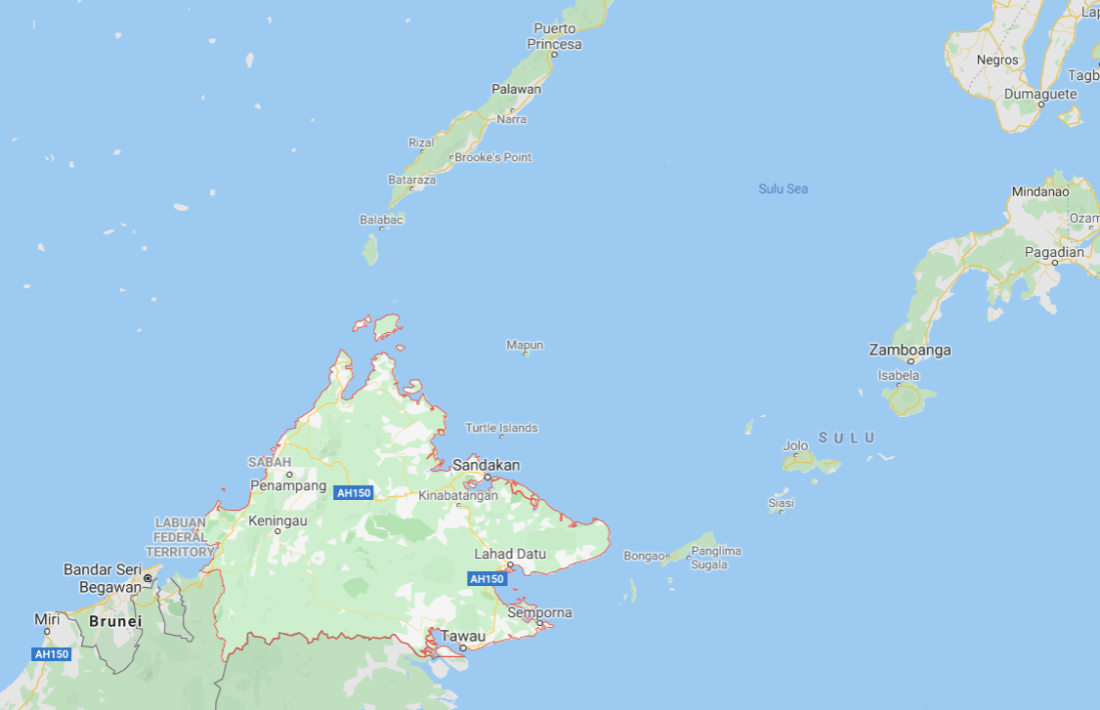
The curfew in the waters off seven districts in the Eastern Sabah Security Zone (ESSZone), which ends tomorrow, has been extended until June 4.
Sabah Police Commissioner Datuk Zaini Jas said the curfew covered the waters off Tawau, Semporna, Kunak, Lahad Datu, Kinabatangan, Sandakan and Beluran.
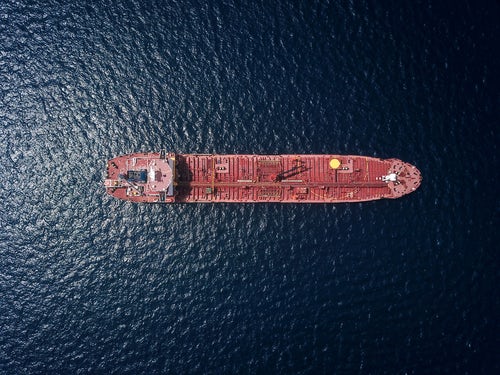
BEIRUT, LEBANON (12:00 A.M.) – At least five Iranian fuel tankers are on the way to Venezuela to help the South American nation with their fuel crisis.
According to reports, the first Iranian tanker, Fortune, has already entered Atlantic waters while the last tanker, Clavel, crossed the Suez Canal and entered the Mediterranean Sea. These shipments mark one of the first times in recent memory that Iran has sent such a large amount of fuel to Venezuela.
Cyber security is highly relevant to a raft of autonomous and remotely controlled systems in the offshore energy sector, writes International Marine Contractors Association (IMCA) technical adviser, competence and training, remote systems and ROV Andre Rose
Among these systems are marine autonomous surface systems (MASS), unmanned surface vessels (USVs), remotely operated vessels (ROVs) and autonomous underwater vessels (AUVs) able to operate from remote control centres often referred to as unmanned underwater systems (UUVs); and to unmanned aerial vehicles (UAVs) commonly known as drones.
As information technology (IT) has advanced, the opportunity for cyber crime has also increased. Technological advances now make USVs commonplace with many of these small craft (< 5 m) already in use for survey operations. Future larger systems will have varying levels of autonomy ranging from remotely controlled vessels operated from a shoreside RCC to, eventually, fully autonomous vessels.
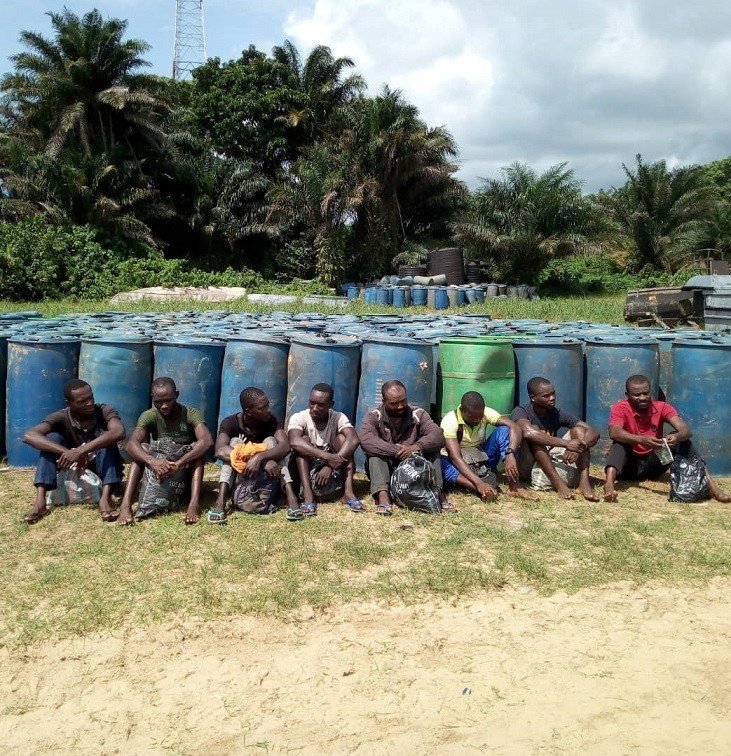
Nigeria is losing an average of 400,000 barrels amounting to $1.5billion monthly to the activities of sea pirates according the latest study of the International Maritime Bureau (IMB).
According to the IMB, the loss represents almost 5 per cent of the country’s Gross Domestic Product (GDP), even as it listed the Gulf of Guinea as the most dangerous piracy zone for oil companies, with huge record of attacks in recent years.
The report indicated that the first quarter of 2020 was marked by a peak in maritime piracy worldwide, where the Gulf of Guinea recorded 21 of the 47 reported attacks.
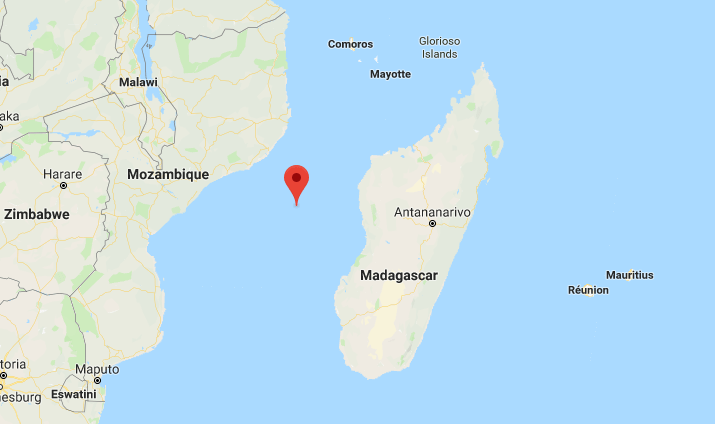
The extension of the Operation Copper maritime patrol mission in the Mozambique Channel for another year will cost the South African National Defence Force R154 million.
This is according to a letter from President Cyril Ramaphosa informing the National Assembly of the extension of Operation Copper, from 1 April 2020 to 31 March 2021.
Fundamental gaps such as links to organised crime and dealing with the proceeds of piracy must be closed.
Nigeria’s June 2019 law on piracy and other maritime offences is an important step in securing the country’s coastline and seas. But the legislation fails to account for the links between piracy and other crimes, especially at the transnational level.
According to the ICC International Maritime Bureau, actual and attempted piracy and armed robberies against ships on Africa’s West Coast rose from 47 in 2011 to 64 in 2019. In 2019 the United Nations Office on Drugs and Crime reported that between 2015 and 2017, the total economic cost of piracy, kidnapping and armed robbery at sea incurred by all stakeholders involved in countering these activities, including Nigeria, was US$2.3 billion.
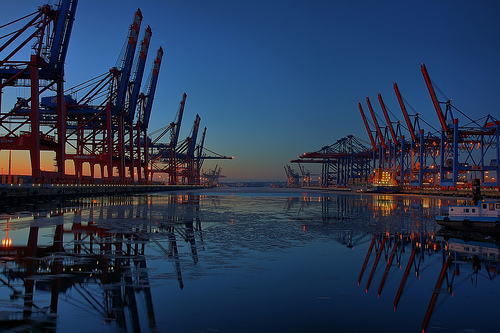
In a multiday operation, German customs authorities have seized half a tonne of cocaine from a bulker at the Port of Hamburg.
A large-scale operation by the Hamburg Customs Investigation Office began early last week. Based on tips from international partners, the investigators targeted a Montenegrin-flagged bulk carrier traveling from Brazil via England to Hamburg. Authorities suspected that the 180-meter freighter was being used to smuggle narcotics into the EU.
In early April, eight armed raiders boarded the container ship Fouma as it entered the port of Guayaquil, Ecuador. They fired warning shots toward the ship’s bridge, boarded the ship and opened several shipping containers, removing unknown items before escaping in two speedboats. Nobody was harmed.
Ecuador isn’t exactly a hot spot of global piracy, but armed robbers regularly attack ships in and around the port of Guayaquil. It’s the seventh-busiest port in Latin America, handling most of Ecuador’s agricultural and industrial imports and exports. Ships moored along the port’s quays or, like the Fouma, transiting its narrow river passages are easy prey for local criminal gangs.
Only a few short years ago the international community was celebrating the end of maritime piracy. Worldwide in 2019, there were fewer attacks and attempted attacks on ships than there had been in 25 years.
But as the Guayaquil attack hints, pirates may be getting more active. Already, the first three months of 2020 have seen a 24% increase in pirate attacks and attempted attacks, over the same period in 2019. As a scholar of sea piracy, I worry that the coronavirus pandemic may make piracy even more of a problem in the coming months and years.
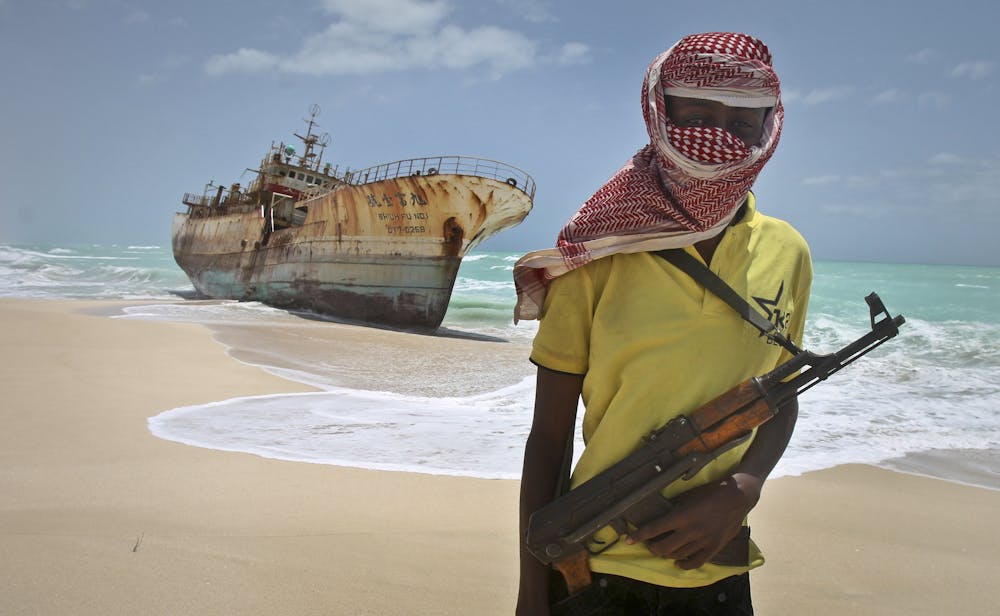
In a photo from 2012, masked Somali pirate Hassan stands near a Taiwanese fishing vessel that washed up on a Somali shore after the pirates were paid a ransom and released the crew. AP Photo/Farah Abdi Warsameh
Counter-piracy successes
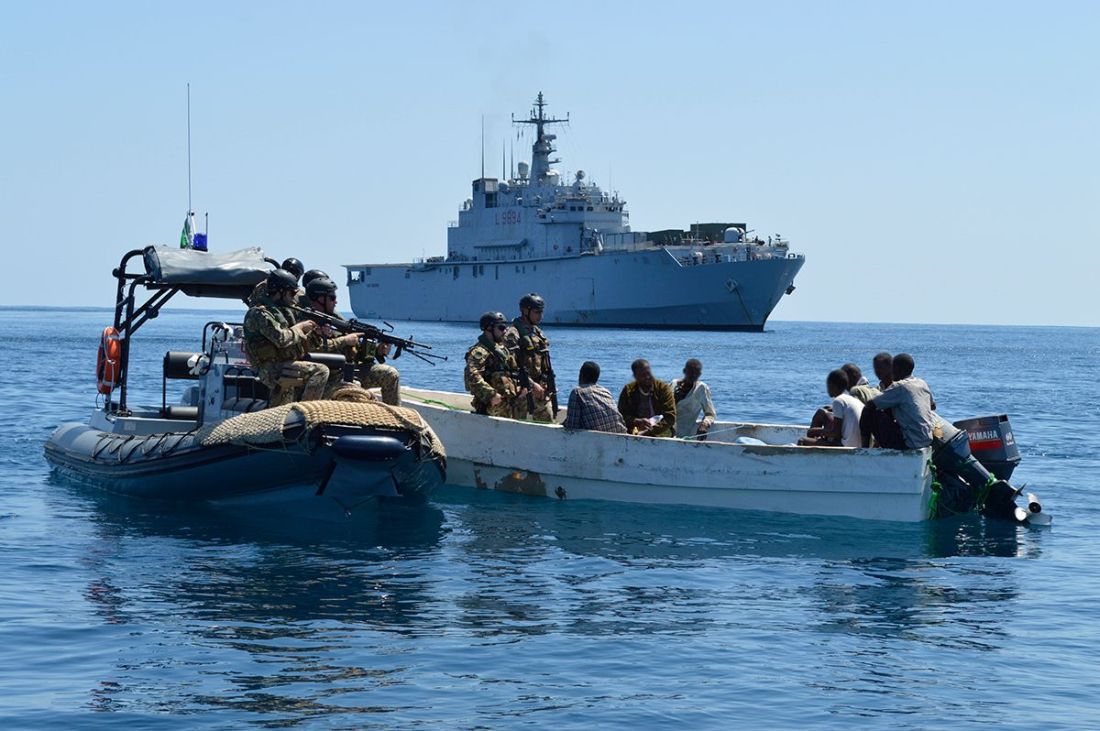
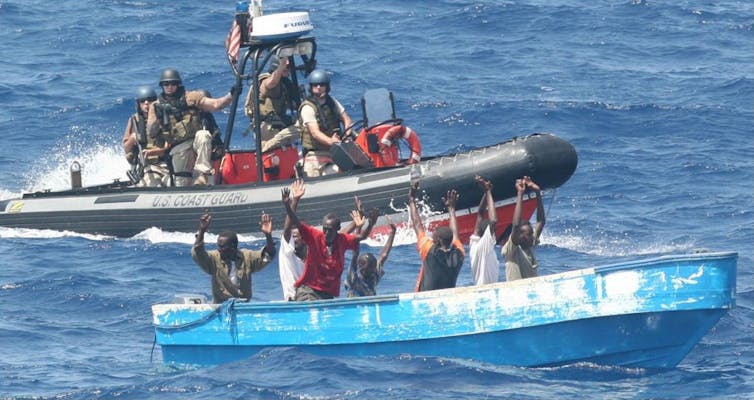
Modern sea piracy often involves pirates in small fast boats approaching and boarding larger, slower-moving ships to rob them of cargo – such as car parts, oil, crew valuables, communication equipment – or to seize the ship and crew for ransom.
Beginning in 2008, the greater Gulf of Aden area off the coast of East Africa became the most dangerous waters in the world for pirate attacks. Somali pirates like those portrayed in the 2013 Tom Hanks movie “Captain Phillips” spent five years regularly hijacking large commercial vessels.
As a result of these efforts, the global number of attacks and attempted attacks dropped significantly over the past decade, from a high of nearly 450 incidents in 2010 to fewer than 165 incidents in 2019 – the lowest number of actual and attempted pirate attacks since 1994. Ship hijackings, the most severe and visible manifestation of sea piracy, also have declined since 2010.
A return of pirates?
However, the Fouma attack is a troubling sign. The sea robbers seem to have had detailed advance knowledge of the ship’s cargo, as well as its course and the personnel on board. Those are clues that the pirates planned the attack, likely with help from the crew or others with specific information about the ship.
The medical and economic fallout from the coronavirus pandemic seems likely to pose severe challenges for countries with few resources and weak governments. West African and South American countries already struggle to police their territorial waters. Those regions have not yet been severely affected by the coronavirus, though infections are growing on both continents.
As hospitals fill with COVID-19 patients, the regions’ governments will almost certainly shift their public safety efforts away from sea piracy and toward more immediate concerns on land. That will create opportunities for pirates.
The disease may make it harder for crews to protect ships as well. Most merchant vessel crews are already stretched thin. If crew members get sick, restrictions on international travel prevent their replacements from meeting the ship in whatever port it’s in.
Slowing consumer spending around the globe means less trade, which brings less revenue for shipping companies to spend on armed guards or other methods of protecting ships against pirates. As a result, ships will likely become easier targets for pirates.
Even with the early numbers suggesting an increase for 2020, global piracy still isn’t as high as it was during the Somali peak from 2009 to 2012. But if economic conditions worsen around the globe and ships look like easy targets, more desperate people may turn to piracy, or ramp up their existing efforts in an attempt to survive.
KOTA KINABALU, May 4 — The curfew in the waters of seven districts in Eastern Sabah Security Zone (ESSZone) which ends at 6 pm tomorrow has been extended to May 20, said Sabah Police Commissioner, Datuk Zaini Jas.
He said following the extension, residents are advised to stay indoors and are not allowed to enter the waters in the affected areas from 6 pm to 6 am during the period.




 Maritime Security News