After joining the Indian Ocean Commission (IOC) as Observer in March, India is looking to post Navy Liaison Officers at the Regional Maritime Information Fusion Centre (RMIFC) in Madagascar and also at the European maritime surveillance initiative in the Strait of Hormuz for improved Maritime Domain Awareness (MDA).
“We are working closely with France who is a pre-eminent member of IOC to post a Naval LO at the RMIFC in Madagascar. We are also working on posting a Naval LO at the European Maritime Awareness in the Strait of Hormuz (EMASOH) in Abu Dhabi,” a defence source told The Hindu. “This will be in the overall realm of improving linkages of the Navy’s Information Fusion Centre for Indian Ocean Region (IFC-IOR) in Gurugram with other IFCs and become the repository for all maritime data in the IOR,” the source said. The LOs are expected to be posted in the next few months.
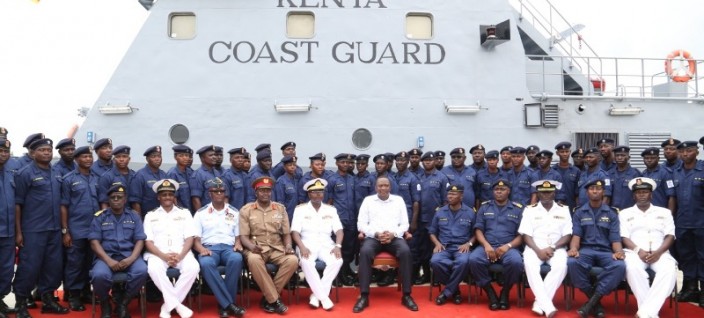
The war on illegal sea trade has been heightened as navy officers step up operation at the Coast. The Kenya Navy has, together with the Kenya Coast Guard Service (KCGS), increased their patrols on the Indian Ocean to tame illicit trade. The security operation is targeting illegal fishing, drugs trafficking and sea pollution among others.
“As a part of a multi-agency collaboration, the Kenya Navy and the Kenya Coast Guard Services’ personnel today conducted a joint patrol at the South Coast’s brown waters to curb illegal trade,” said the Kenya Defence Forces (KDF) in one of its operation posts on Twitter.
The International Maritime Organisation (IMO) has commended Nigeria’s effort to stem piracy in its waters and the Gulf of Guinea, commending the country for sending a “strong and valuable message” to the global community. IMO also commended the new Director-General of the Nigerian Maritime Administration and Safety Agency (NIMASA, Dr. Bashir Jamoh, for his brave and dynamic approach to maritime security, in a letter addressed to him by the Secretary-General, Kitack Lim, amid recent arrests and first-time prosecution of suspected pirates under the country’s new antipiracy law.
The Suppression of Piracy and Other Maritime Offences (SPOMO) Act was signed into law in June last year by President Muhammadu Buhari. The law made Nigeria the first in West and Central Africa to have a distinct antipiracy legislation.
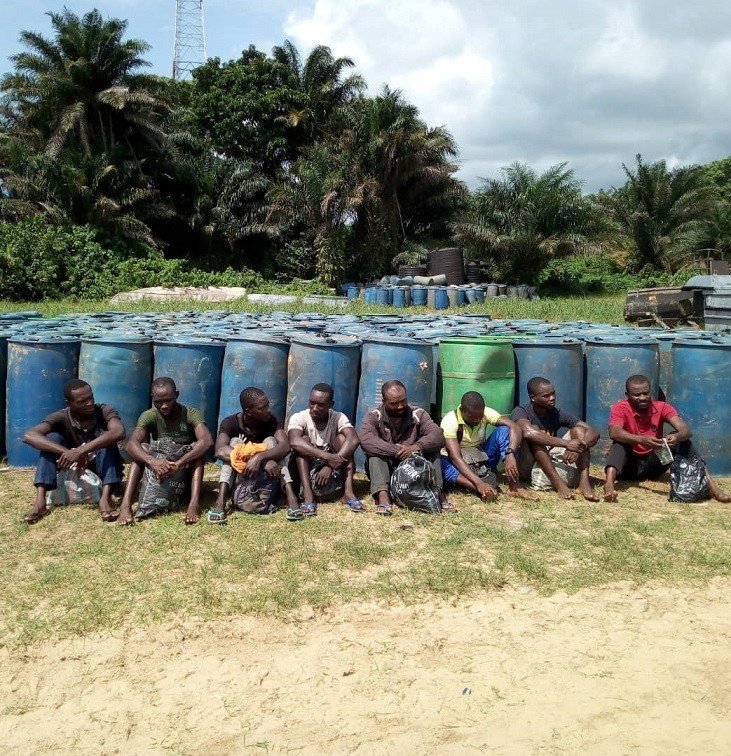
The Nigerian government has handed over the fishing vessel, Marine 707, suspected to be carrying out illegal activities in the Gulf of Guinea to the Ghanian authorities for further investigation and possible prosecution. Nigeria also handed over 51 crew members including 48 Ghanaians and three south Korea nationals to the government of Ghana and Korea respectively.
The vessel which had authorisation to fish in Ghana and Benin waters was arrested by the Nigerian Navy on May 18, 2020 around the southwest of Lagos waters with her Automatic Identification System (AIS) switched off after being suspected to be used for piracy or being used as a mother ship to conduct piracy in the Gulf of Guinea was handed over to the Nigerian Maritime Administration and Safety Agency (NIMASA) after preliminary investigations by the Navy.
SafeSeas is pleased to announce the first report resulting from collaboration with Stable Seas: What we know about Piracy
Authored by Lydelle Joubert, the report draws on desk-based research conducted between June 2019 and March 2020. It provides a systematic overview of data, answering the questions:
How is data on piracy and armed robbery collected?
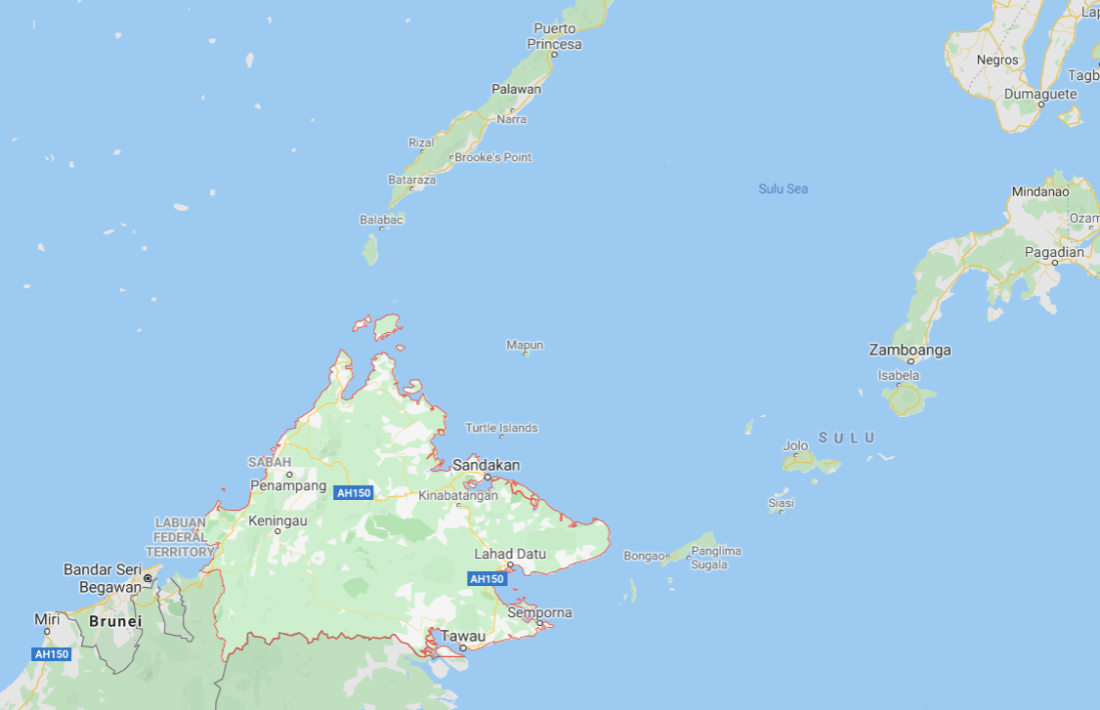
The curfew in the waters off seven districts in the Eastern Sabah Security Zone (ESSZone), which ends tomorrow, has been extended until June 4.
Sabah Police Commissioner Datuk Zaini Jas said the curfew covered the waters off Tawau, Semporna, Kunak, Lahad Datu, Kinabatangan, Sandakan and Beluran.
Nigeria is losing an average of 400,000 barrels amounting to $1.5billion monthly to the activities of sea pirates according the latest study of the International Maritime Bureau (IMB).
According to the IMB, the loss represents almost 5 per cent of the country’s Gross Domestic Product (GDP), even as it listed the Gulf of Guinea as the most dangerous piracy zone for oil companies, with huge record of attacks in recent years.
The report indicated that the first quarter of 2020 was marked by a peak in maritime piracy worldwide, where the Gulf of Guinea recorded 21 of the 47 reported attacks.
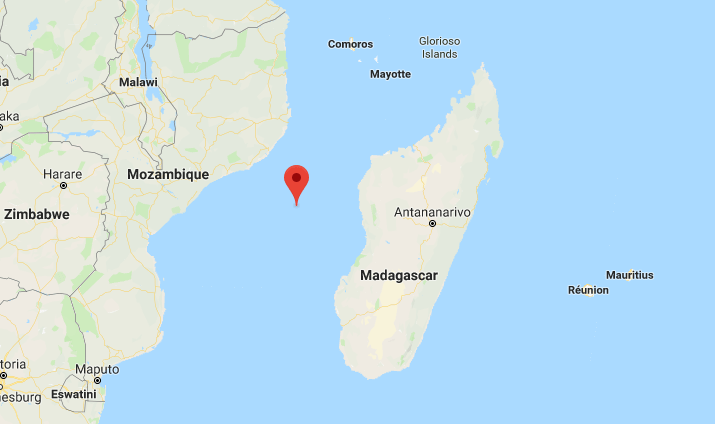
The extension of the Operation Copper maritime patrol mission in the Mozambique Channel for another year will cost the South African National Defence Force R154 million.
This is according to a letter from President Cyril Ramaphosa informing the National Assembly of the extension of Operation Copper, from 1 April 2020 to 31 March 2021.
Fundamental gaps such as links to organised crime and dealing with the proceeds of piracy must be closed.
Nigeria’s June 2019 law on piracy and other maritime offences is an important step in securing the country’s coastline and seas. But the legislation fails to account for the links between piracy and other crimes, especially at the transnational level.
According to the ICC International Maritime Bureau, actual and attempted piracy and armed robberies against ships on Africa’s West Coast rose from 47 in 2011 to 64 in 2019. In 2019 the United Nations Office on Drugs and Crime reported that between 2015 and 2017, the total economic cost of piracy, kidnapping and armed robbery at sea incurred by all stakeholders involved in countering these activities, including Nigeria, was US$2.3 billion.
In early April, eight armed raiders boarded the container ship Fouma as it entered the port of Guayaquil, Ecuador. They fired warning shots toward the ship’s bridge, boarded the ship and opened several shipping containers, removing unknown items before escaping in two speedboats. Nobody was harmed.
Ecuador isn’t exactly a hot spot of global piracy, but armed robbers regularly attack ships in and around the port of Guayaquil. It’s the seventh-busiest port in Latin America, handling most of Ecuador’s agricultural and industrial imports and exports. Ships moored along the port’s quays or, like the Fouma, transiting its narrow river passages are easy prey for local criminal gangs.
Only a few short years ago the international community was celebrating the end of maritime piracy. Worldwide in 2019, there were fewer attacks and attempted attacks on ships than there had been in 25 years.
But as the Guayaquil attack hints, pirates may be getting more active. Already, the first three months of 2020 have seen a 24% increase in pirate attacks and attempted attacks, over the same period in 2019. As a scholar of sea piracy, I worry that the coronavirus pandemic may make piracy even more of a problem in the coming months and years.
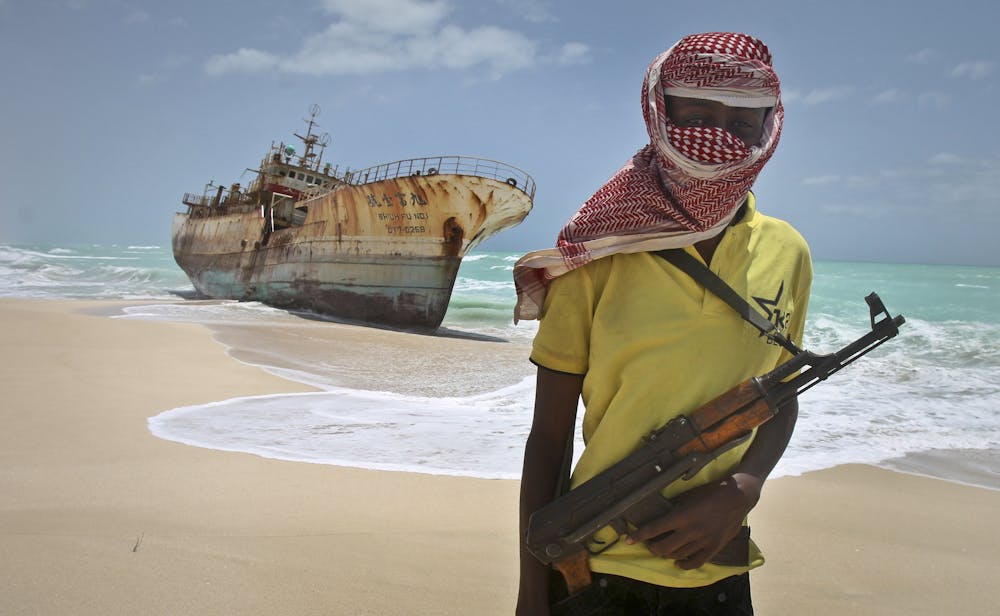
In a photo from 2012, masked Somali pirate Hassan stands near a Taiwanese fishing vessel that washed up on a Somali shore after the pirates were paid a ransom and released the crew. AP Photo/Farah Abdi Warsameh
Counter-piracy successes
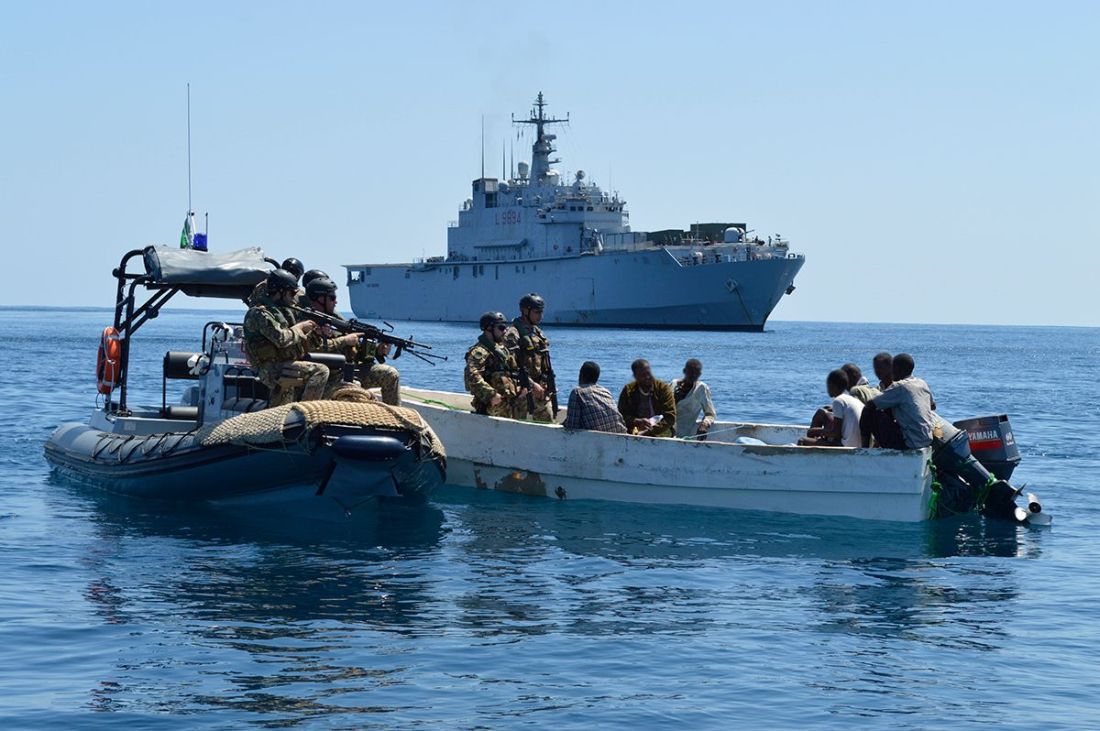
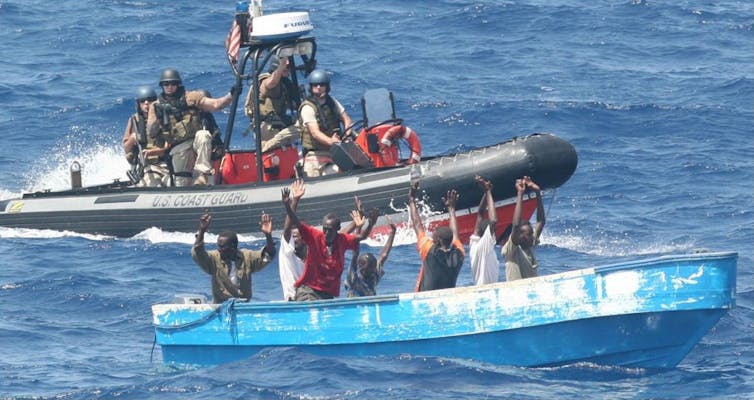
Modern sea piracy often involves pirates in small fast boats approaching and boarding larger, slower-moving ships to rob them of cargo – such as car parts, oil, crew valuables, communication equipment – or to seize the ship and crew for ransom.
Beginning in 2008, the greater Gulf of Aden area off the coast of East Africa became the most dangerous waters in the world for pirate attacks. Somali pirates like those portrayed in the 2013 Tom Hanks movie “Captain Phillips” spent five years regularly hijacking large commercial vessels.
As a result of these efforts, the global number of attacks and attempted attacks dropped significantly over the past decade, from a high of nearly 450 incidents in 2010 to fewer than 165 incidents in 2019 – the lowest number of actual and attempted pirate attacks since 1994. Ship hijackings, the most severe and visible manifestation of sea piracy, also have declined since 2010.
A return of pirates?
However, the Fouma attack is a troubling sign. The sea robbers seem to have had detailed advance knowledge of the ship’s cargo, as well as its course and the personnel on board. Those are clues that the pirates planned the attack, likely with help from the crew or others with specific information about the ship.
The medical and economic fallout from the coronavirus pandemic seems likely to pose severe challenges for countries with few resources and weak governments. West African and South American countries already struggle to police their territorial waters. Those regions have not yet been severely affected by the coronavirus, though infections are growing on both continents.
As hospitals fill with COVID-19 patients, the regions’ governments will almost certainly shift their public safety efforts away from sea piracy and toward more immediate concerns on land. That will create opportunities for pirates.
The disease may make it harder for crews to protect ships as well. Most merchant vessel crews are already stretched thin. If crew members get sick, restrictions on international travel prevent their replacements from meeting the ship in whatever port it’s in.
Slowing consumer spending around the globe means less trade, which brings less revenue for shipping companies to spend on armed guards or other methods of protecting ships against pirates. As a result, ships will likely become easier targets for pirates.
Even with the early numbers suggesting an increase for 2020, global piracy still isn’t as high as it was during the Somali peak from 2009 to 2012. But if economic conditions worsen around the globe and ships look like easy targets, more desperate people may turn to piracy, or ramp up their existing efforts in an attempt to survive.





 Maritime Security News