A regional maritime organisation wants a European Union military
ships operating in the Horn of Africa to extend its mandate to cover
all maritime crimes in the Indian Ocean.
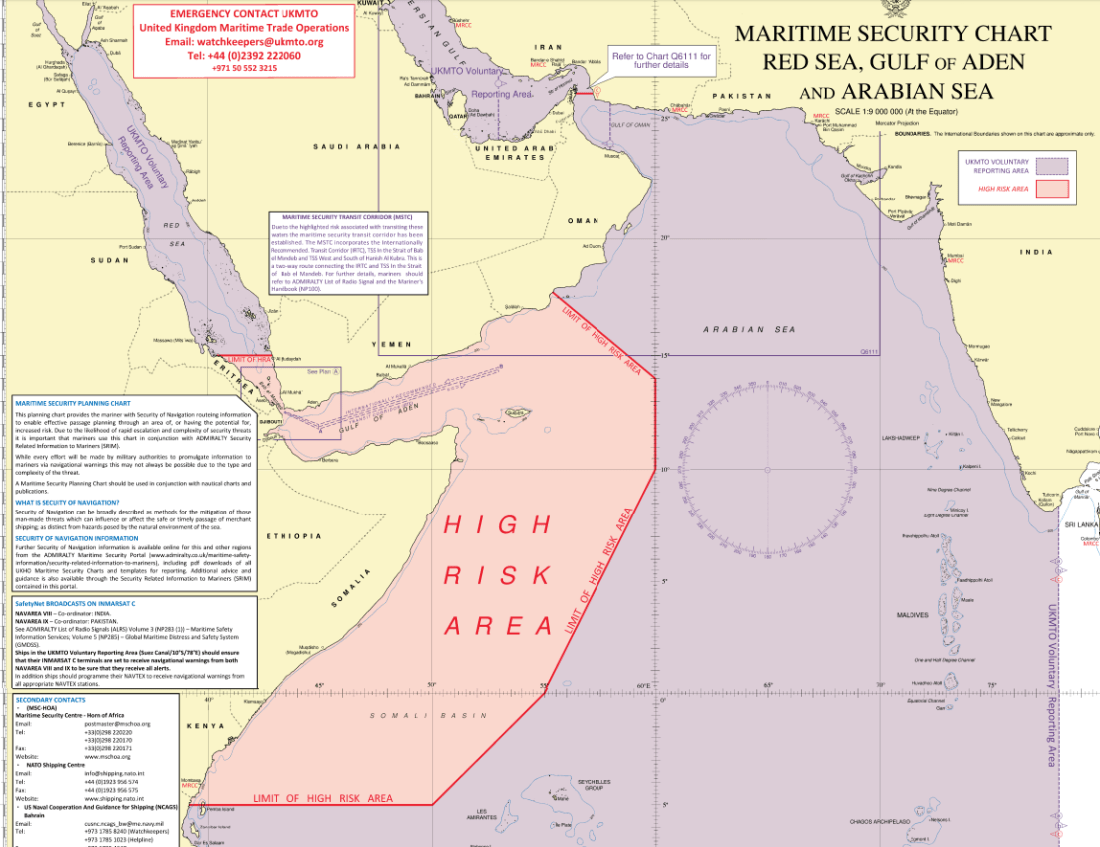
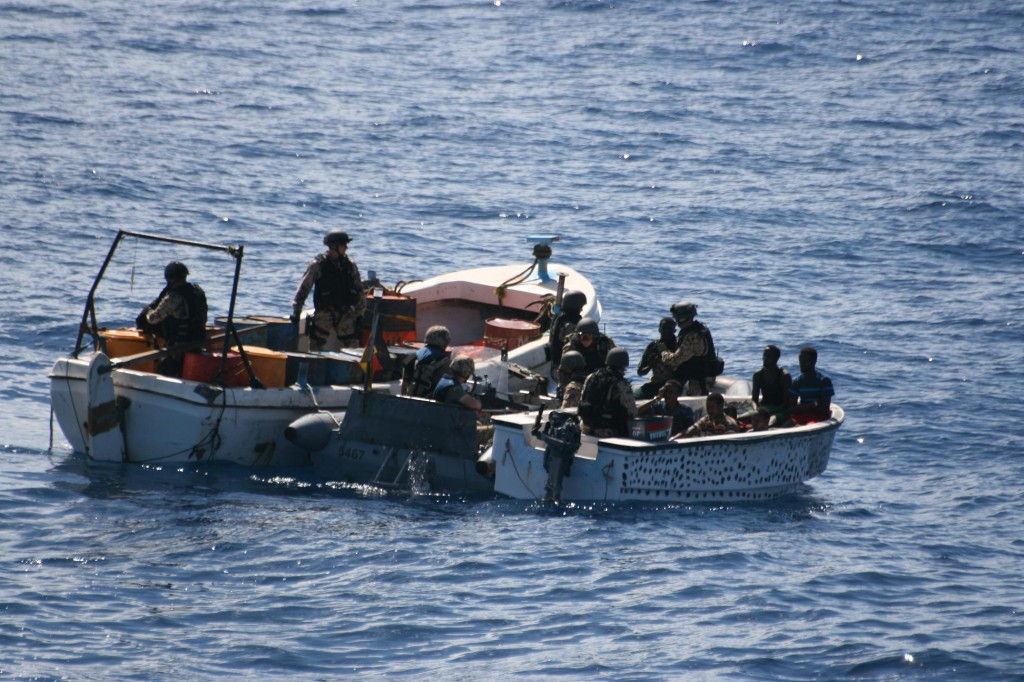
The Inter-Governmental Standing Committee on Shipping (ISCOS), says the EU NAVFOR Somalia Operation ATALANTA— which mainly focuses on anti-piracy activities — should extend its mandate to deal with all the maritime crimes including terrorism, charcoal smuggling as well as drug and human trafficking.
MSN Note: Expanding the mandate of Operation Atalanta has been discussed for years, but this is the first real credible move. Somalis have been asking for fisheries protection for some time, and a naval presence would go some way to deterring foreign fleets from IUU fishing activity in Somali waters. Additionally, as Somalia and Kenya continue to argue about their respective TTWs, maritime security for oil and gas will become increasingly important in the region. Al Shabaab continues to profit from smuggled charcoal, something which would become much harder with additional maritime security present.
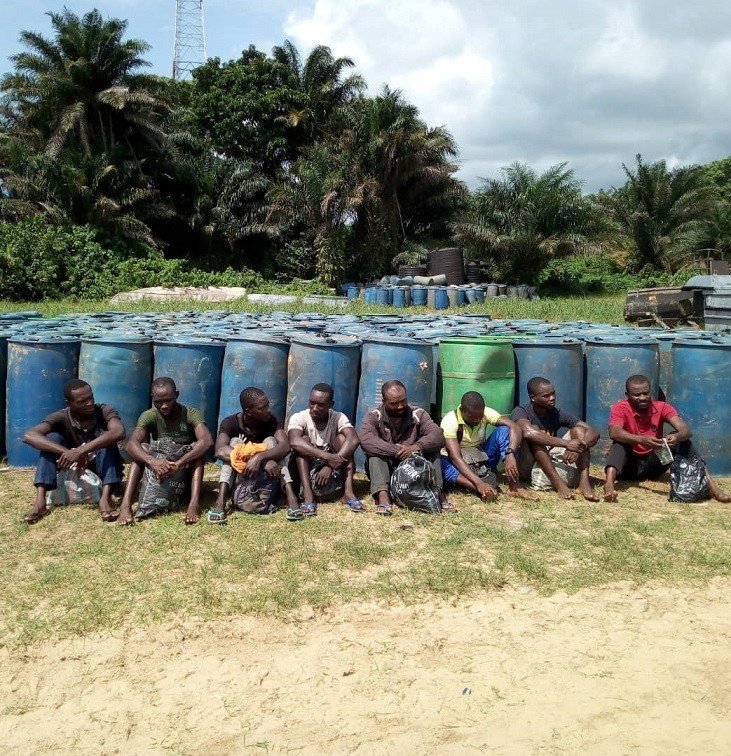
The Nigerian Navy, Forward Operating Base, Ibaka, Mbo Local Government Area of Akwa Ibom State, has arrested 12 suspects, seized 50 drums of illegal Automated Gas Oil (AGO or diesel) and 486 bags of smuggled rice from them.
The new Commanding Officer, FOB, Captain Peter Yilme, who said the arrests were made within two days of his assumption of office, noted that the navy is determined to end smuggling on the waterways and warned smugglers to desist from the illegal activity.
Reports come amid raised tensions after weekend attack on major Saudi oil installation
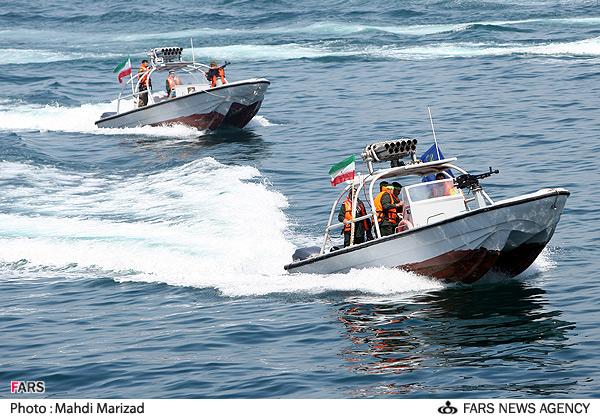
Iran’s Revolutionary Guards have seized a vessel in the Gulf for allegedly smuggling 250,000 litres of diesel fuel to the United Arab Emirates, Iran’s semi-official news agency ISNA has reported.
“It was detained near Iran’s Greater Tunb island in the Persian Gulf … the crew have been handed over to legal authorities in the southern Hormozgan province,” ISNA said on Monday, without elaborating on the nationalities of the crewmen.
Oman remains at the forefront of maritime security in the region in league with navies from around the world. It is cooperating with agencies such as the EU Navfor for free flow of international trade in the region as well as around the Horn of Africa.
Speaking at the Indian Ocean Conference in the Maldives recently on the topic of ‘Securing the Indian Ocean Region: Traditional and Non-Traditional Challenges’, Sayyid Badr bin Hamad al Busaidi, Secretary General in Oman’s Ministry of Foreign Affairs, said that maritime security is built upon the foundations of law and operational security.
The Nigerian Navy Ship Victory has intercepted suspected smugglers with 95 drums of Premium Motor Spirit (petrol) and 692 bags of rice worth over N30m in separate operations.
Naval officials deployed for Operation Swift Response and the newly activated Yangha Mi were among the teams that arrested the suspects.
India has handed over two fast interceptor boats to Mozambique as part of an agreement to strengthen defence cooperation between the two countries.
The boats were handed over on 29 July during a ceremony at Mozambican Naval Headquarters, coinciding with a visit by India’s Defence Minister Shri Rajnath Singh. It was Singh’s first visit abroad as Defence Minister and the first-ever visit of an Indian Defence Minister to Mozambique.
The Chiefs of Navies of Ghana, Cote d’Ivoire, Sierra Leone and Guinea, the Chief of Coast Guard of Liberia and the high Commander of the National Gendarmerie of Burkina Faso have signed a Memorandum of understanding (MoU) for joint Maritime operations in ECOWAS maritime zone F.
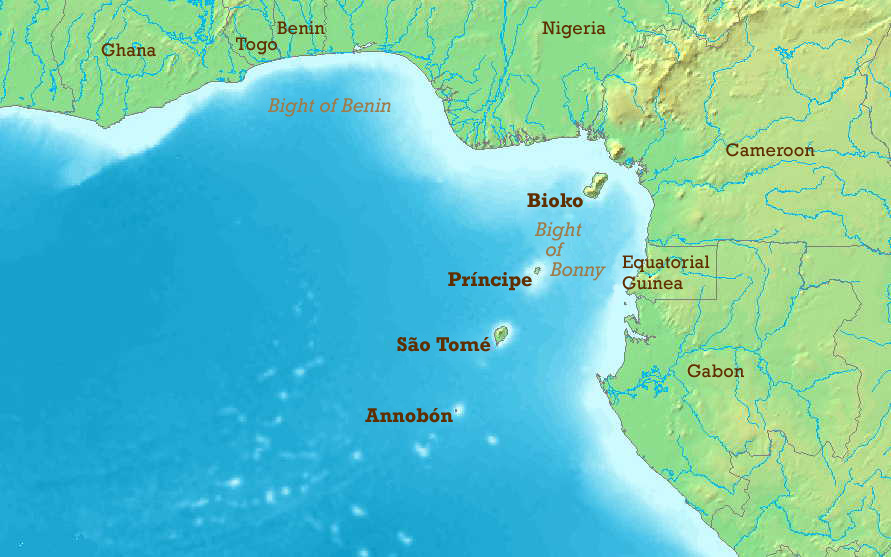
Collaboration, Coordination and the pooling of resources for collective security and safety of Zone F Maritime Domain were the core engagements that was agreed in the MoU signed in Accra. With this MoU, ECOWAS intends to provide an important response to any sort of threat to maritime security in the Gulf of Guinea and specifically in zone F.
The Nigerian Maritime Administration and Safety Agency has described as unverified, reports stating that Nigeria had again taken the lead in piracy attacks in the second quarter of 2019.
The report released by the International Maritime Bureau, indicated that between January and June, Nigeria led the table of pirate attacks with 21 recorded incidents, beating Indonesia that recorded 11, Venezuela with six attacks and Peru with four attacks.
The seas around West Africa remain the world’s most dangerous for piracy, the International Maritime Bureau’s (IMB) latest report reveals.
Of the 75 seafarers taken hostage onboard or kidnapped for ransom worldwide so far this year, 62 were captured in the Gulf of Guinea – off the coasts of Benin, Cameroon, Guinea, Nigeria and Togo. Worldwide, the International Chamber of Commerce’s IMB Piracy Reporting Centre recorded 78 incidents of piracy and armed robbery against ships in the first half of 2019, compared with 107 incidents for the same period of 2018. Overall, 57 vessels were boarded successfully, representing 73% of all attacks.
Pirates killed one person, took 38 crewmembers hostage, and kidnapped a further 37 for ransom.
Gulf of Guinea world piracy hotspot
The IMB report reveals 73% of all kidnappings at sea, and 92% of hostage-takings, took place in the Gulf of Guinea. Armed pirates in these high-risk waters kidnapped 27 crewmembers in the first half of 2019 and 25 in the same period in 2018. Two chemical tankers were hijacked, as well as a tug that was then used in another attack. Of the nine vessels fired upon worldwide, eight were off the coast of Nigeria, Africa’s top oil producer. These attacks took place on average 65 nautical miles off the coast – meaning they are classified as acts of piracy.
But there are some encouraging signs of improvement. The IMB Piracy Reporting Centre reports “a welcome and marked decrease” in attacks in the Gulf of Guinea for the second quarter of 2019, commending the Nigerian navy for actively responding to reported incidents by dispatching patrol boats. While recognising that many attacks go unreported, IMB recorded 21 incidents around Nigeria so far in 2019, down from 31 in the same period of 2018.
Naval vessels from Equatorial Guinea and Spain also intervened in May 2019 when a Nigerian tug was hijacked 41 nautical miles off Luba, Equatorial Guinea. Soon after, the pirates used the tug to launch an attack on a Maltese heavy load carrier. The crew retreated into the ship’s citadel, a safe room for protection against attackers. When the navies responded, the pirates left the vessel and the crew were freed. The IMB Piracy Reporting Centre thanks the naval vessels for their prompt assistance.
Warning to stay alert
Despite the recent fall in Gulf of Guinea attacks, IMB is urging seafarers in the region to remain vigilant and report all suspicious activity to regional response centres and the Piracy Reporting Centre. “Early detection of an approaching suspicious craft is key to prevent boarding and give time to raise the alarm and retreat into a citadel, if needed,” said an IMB spokesperson.
Meanwhile, in Malaysia, 10 crew were kidnapped from two fishing boats off eastern Sabah in June. Of these, nine crew are reported to have been released.
Around Indonesia, on-going information-sharing cooperation between the Indonesian Marine Police and the IMB Piracy Reporting Centre continues to show positive results. The 11 incidents reported in Indonesian waters remains the lowest Q2 figure since 2009 when three incidents were reported.
Violent attacks in South America
A vessel was fired upon in the Guayas River after departing from Guayaquil, Ecuador’s second largest city. This is the first time an incident involving the firing of weapons has been reported to the IMB Piracy Reporting Centre in Ecuador.
Elsewhere in South America, incidents of violent armed theft against ships at anchor have been reported in Callao in Peru, Jose Terminal in Venezuela and Macapa in Brazil. On 2 May 2019, when armed robbers boarded a yacht in San Ignacio de Tupile, Panama, shooting and killing a family member and injuring another, the IMB Piracy Reporting Centre liaised with the victims and authorities. The surviving family members including two children were rescued by Panamanian Marine Police.
Global anti-piracy support
Since 1991 the Piracy Reporting Centre’s 24-hour manned centre, has provided the maritime industry, governments and response agencies with timely and transparent data on piracy and armed robbery incidents – received directly from the Master of the vessel or its owners. This important work promotes the purpose of the International Chamber of Commerce to enable business to secure peace, prosperity and opportunity for all.
The IMB Piracy Reporting Centre’s prompt forwarding of reports and liaison with response agencies, its broadcasts to shipping via Global Maritime Distress and Safety System (GMDSS) Safety Net Services and email alerts to Company Security Officers, all provided free of charge, has helped the response against piracy and armed robbery and the security of seafarers, globally.
IMB strongly urges all shipmasters and owners to report all actual, attempted and suspected piracy and armed robbery incidents to the IMB Piracy Reporting Centre globally. This first step in the response chain is vital to ensuring that adequate resources are allocated by authorities to tackle piracy. Transparent statistics from an independent, non-political, international organisation can act as a catalyst to achieve this goal.
Naval authority in charge of the Forward Operating Base (FOB), Badagry, at the weekend, said it has intensified its surveillance and patrol around the Badagry creeks in other to cub the rising cases of smuggling of contraband into the country.
It said several gunboats to have been deployed to notorious areas in the creeks.




 Maritime Security News