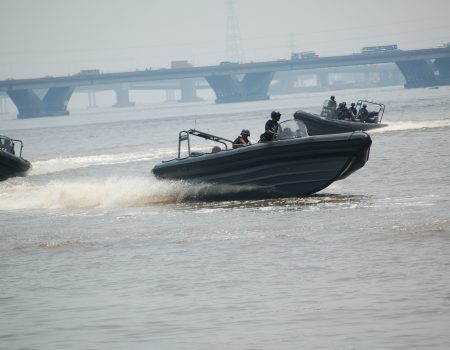
The Defence Headquarters on Tuesday said that the Nigerian Navy has located two illegal refineries around Opumami in Warri South Local Government Area of Delta State. This was contained in a statement made available to newsmen in Abuja by the Acting Director, Defence Media Operations, Defence Headquarters, Brigadier-General Benard Onyeuko.
It stated that the sites were located by the Nigerian Navy Ship DELTA patrol teams which conducted anti-Crude Oil Theft (COT)/anti-illegal bunkering operations in its Area of Operation during the week.
Sri Lanka’s Defence Ministry said the drugs had an estimated street value in Colombo of about 12,500 million rupees ($65 million), making it the country’s biggest single seizure of drugs.
COLOMBO: The Sri Lankan Navy intercepted a vessel carrying a large consignment of narcotics, which is estimated to be worth USD 65 million and arrested nine Pakistani nationals in an operation on Wednesday. According to a statement issued by the Sri Lankan Navy, the seized vessel was carrying USD 65 million worth of crystal methamphetamine and ketamine in the country’s biggest drugs bust.
Acting on a tip-off, authorities raided a flagless vessel in the country’s southern waters and arrested nine Pakistani men suspected of smuggling the drugs.
Three members of Yemen’s Houthi rebel group were killed Wednesday in a naval operation by the pro-government Yemeni naval forces in the Red Sea port city of Hodeidah, a Yemeni military official said.
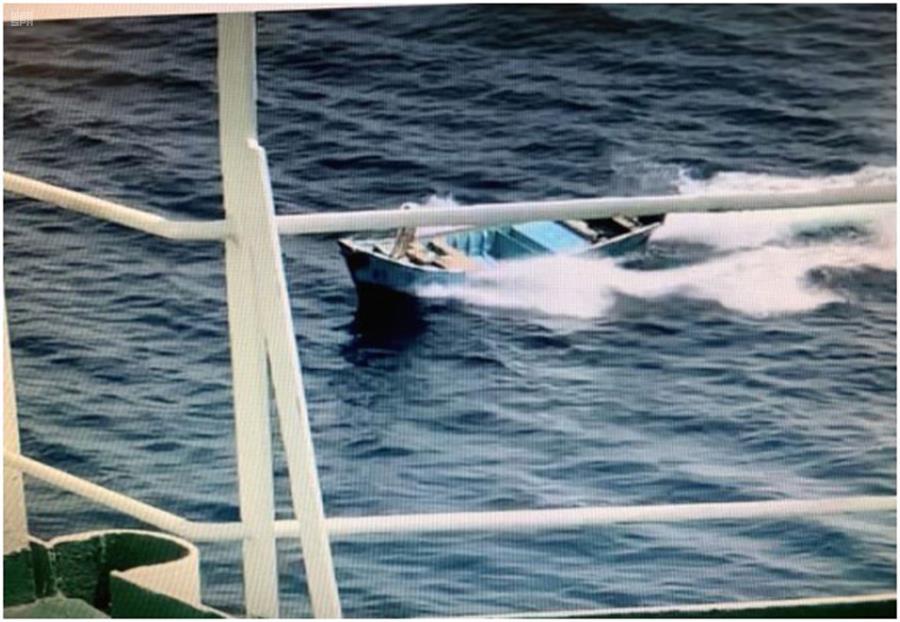
“A unit of the fifth naval zone carried out a successful operation deep in the Houthi-controlled areas in the northern parts of Hodeidah,” the official said on condition of anonymity. He said that the operation resulted in the killing of three Houthi members as well as seizing a boat along with its driver.
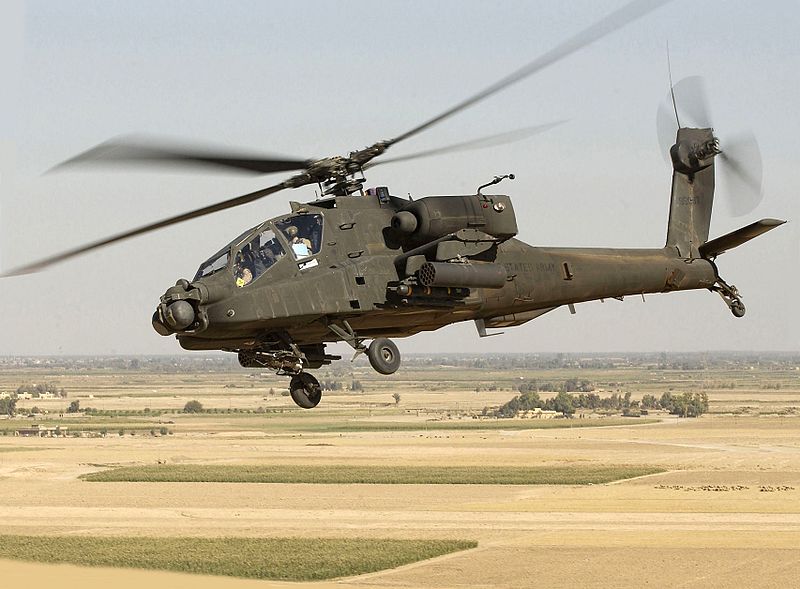
The US military has trialled the use of the Boeing AH-64 Apache attack helicopter in the maritime anti-surface warfare (ASuW) role in the Middle East.
The US Naval Forces Central Command (USNAVCENT) announced on 2 April that it has conducted joint naval and air integration operations with US Army AH-64E Apache Guardian helicopters assigned to US Army Central Command’s (USARCENT) Task Force Saber.
In the early morning hours of the 30th of March 2020 (local time), the cruise vessel RCGS RESOLUTE has been subject to an act of aggression by the Venezuelan Navy in international waters, around 13.3 nautical miles from Isla de Tortuga with 32 crew member and no passengers on board.
When the event occurred, the cruise vessel RCGS RESOLUTE has already been drifting for one day off the coast of the island to conduct some routine engine maintenance on its idle voyage to its destination, Willemstad/ Curaçao. As maintenance was being performed on the starboard main engine, the port main engine was kept on standby to maintain a safe distance from the island at any time.
Shortly after mid-night, the cruise vessel was approached by an armed Venezuelan navy vessel, which via radio questioning the intentions of the RCGS RESOLUTE’s presence and gave the order to follow to Puerto Moreno on Isla De Margarita. As the RCGS RESOLUTE was sailing in international waters at that time, the Master wanted to reconfirm this particular request resulting into a serious deviation from the scheduled vessel’s route with the company DPA.
While the Master was in contact with the head office, gun shots were fired and, shortly thereafter, the navy vessel approached the starboard side at speed with an angle of 135° and purposely collided with the RCGS RESOLUTE. The navy vessel continued to ram the starboard bow in an apparent attempt to turn the ship’s head towards Venezuelan territorial waters.
While the RCGS RESOLUTE sustained minor damages, not affecting vessel’s seaworthiness, it occurs that the navy vessel suffered severe damages while making contact with the ice-strengthened bulbous bow of the ice-class expedition cruise vessel RCGS RESOLUTE and started to take water.
Ready to support anytime, the RCGS RESOLUTE remained for over one hour in vicinity of the scene and reached out to the Maritime Rescue Coordination Centre (MRCC) Curaçao. This is an international body which oversees any maritime emergencies. All attempts to contact those on board the navy ship have been left unanswered.
Only after receiving the order to resume passage full ahead by the MRCC and that further assistance is not required, the RCGS RESOLUTE, currently safely moored in the port of Willemstad, continued sailing towards her destination at Curaçao. A full investigation into the circumstances surrounding the incident will now be carried out.
The French Navy has suspended its Mission Corymbe off West Africa due to the COVID-19 coronavirus, and withdrawn a vessel from the area.
The patrol vessel Lieutenant de Vaisseau Le Henaff, which departed Brest on 3 March for West Africa, returned to France at the end of the month. During its return voyage it stopped in Conakry and Dakar.
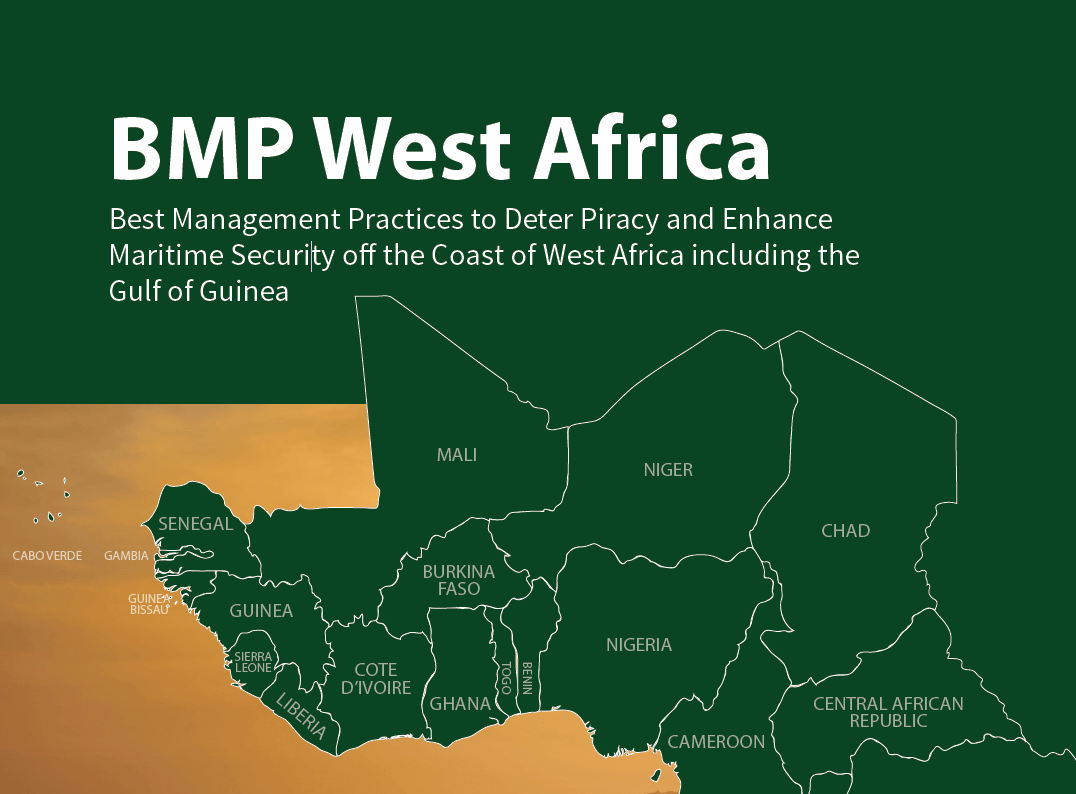
In response to ongoing maritime security issues in the Gulf of Guinea, maritime organisations including BIMCO, INTERCARGO, INTERTANKO and the ICS, in conjunction with international P&I Clubs and military advisers, have created new guidance for shipping.
Best Management Practices to Enhance Maritime Security for Vessels & Mariners Operating Off the Coast of West Africa including the Gulf of Guinea (BMP WA), is a mouthful, but is essential reading for anyone transiting the region. It follows similar guidance documents for the Indian Ocean and should be considered the de facto guide for maritime security guidance in the region.
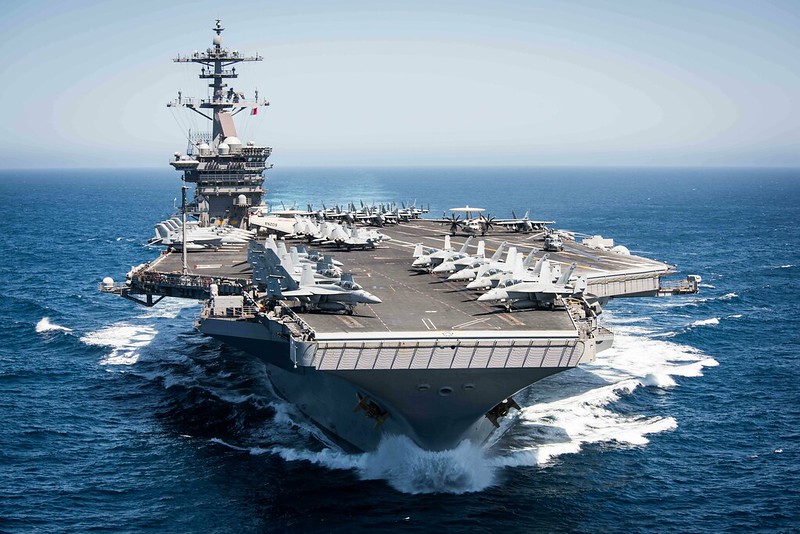
The captain of a US aircraft carrier carrying more than 4,000 crew has called for urgent help to halt a coronavirus outbreak on his ship.
Scores of people on board the Theodore Roosevelt have tested positive for the infection. The carrier is currently docked in Guam.
“We are not at war. Sailors do not need to die,” Captain Brett Crozier wrote in a letter to the Pentagon.
Captain Crozier recommended quarantining almost the entire crew.
In the letter Captain Crozier said that with large numbers of sailors living in confined spaces on the carrier isolating sick individuals was impossible.
The coronavirus’ spread was now “ongoing and accelerating”, he warned, in the letter dated 30 March.
“Decisive action is needed,” he said.
“Removing the majority of personnel from a deployed US nuclear aircraft carrier and isolating them for two weeks may seem like an extraordinary measure. This is a necessary risk.”
Speaking to Reuters news agency, a US Navy spokesman said the service was “moving quickly to take all necessary measures to ensure the health and safety of the crew of USS Theodore Roosevelt”.
The International Maritime Security Construct (IMSC) has been practicing several safety precautions to promote the health and safety of all its members with the recent COVID-19 outbreak.
No members of the IMSC have fallen ill to COVID-19 as of current.
“The well-being of IMSC personnel is critical to our mission,” said Commodore James Parkin, commander of Combined Task Force Sentinel, headquartered in Bahrain. “However, with a pandemic such as this, our people become the mission. We must ensure good health for the sake of their families and each other.”
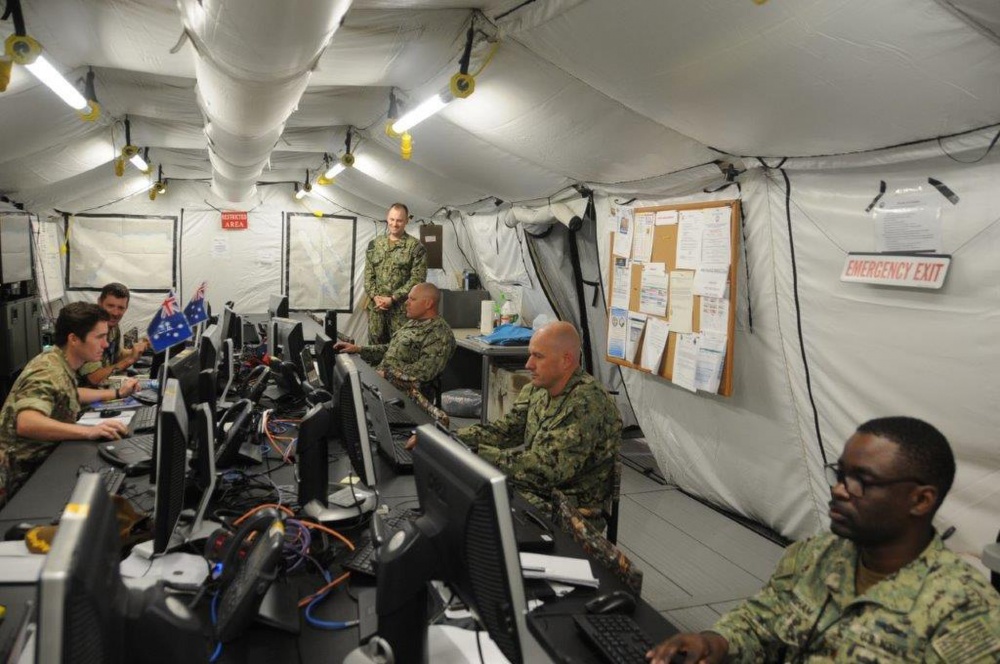
Personnel supporting IMSC headquarters typically work in close quarters, however, as the need for social distancing has increased, so have the rules for how the day-to-day operations are conducted.
“Our operational tempo remains constant,” said Parkin. “fortunately our ships are unaffected and their mission continues. On shore, we have rescheduled meetings for mission-critical members only, reconfigured our work stations to allow a six-foot distance, and pay particular attention to the cleanliness of work stations and personal hygiene.”
Hand sanitizer, bleach wipes, anti-viral cleaning sprays, and soap and water are readily available throughout the work area. The team breaks at least four times per day to conduct cleaning stations.
The Multi-national, British-led IMSC deploys advanced capabilities through the region as part of a surveillance and detection effort, leading to de-escalation and deterrence through transparency. The IMSC ensures freedom of navigation and free flow of commerce in international waters throughout the Arabian Gulf, Strait of Hormuz, the Bab el-Mandeb Strait, and the Gulf of Oman.



 Maritime Security News