From Southeast Asia and the Indian Ocean to Latin America and the Caribbean, the developing world is paying a price for maritime piracy and pilfering. Southeast Asia was home to two-fifths of the world’s pirate attacks between 1995 and 2013, while the waters off Africa remain a watery version of the Wild West.
A fresh annual report from the International Maritime Bureau shows that attacks in West Africa helped push piracy numbers up in 2018. In terms of military and law enforcement, an international operation is not complicated, so what is needed above all is the will to act.
According to the bureau’s report, there were 201 incidents in total* reported to the bureau last year. That is a rise from 180 incidents in 2017 and from 191 in 2016. Of this, 48 incidents took place in Nigeria, up from 33 in 2017 and 36 incidents in 2016.
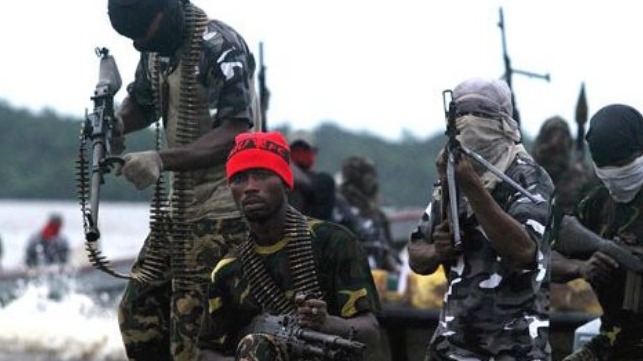
The report also showed that the region saw a considerable spike in violence in the last quarter of the year, with 40 kidnappings in the waters off Nigeria alone. In West Africa, there appears to be challenges with underreporting, which is estimated at as much as 40%, the report says.
Maritime Security News: It’s worth noting that the IMB only collates reports submitted to them directly by CSOs and Masters. To gain a full picture of maritime crime, it is necessary to collate reports from all agencies.
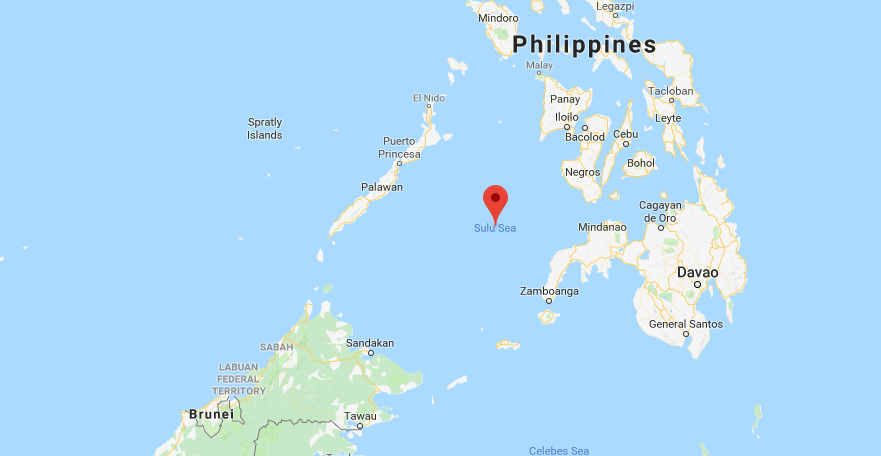
KOTA KINABALU: Sabah’s dusk-to-dawn sea curfew will be extended for another two weeks until June 10, says Police Commissioner Datuk Omar Mammah.
He said the extension of the 6pm to 6am curfew was needed due to continuous threats from cross-border criminals, including from kidnap-for-ransom groups.
The Director-General of Nigerian Maritime Administration and Safety Agency (NIMASA), Dakuku Peterside, said the agency is partnering with foreign ship registry to reposition the Nigerian Ship Registry (NSR).
Peterside disclosed this in an interview with News Agency of Nigeria (NAN) on Monday in Abuja.
“We are also reforming the Nigeria Ship Registration Office. For a very long time the Nigeria ship registry has not been very competitive, so we are developing a lot of partnerships.”
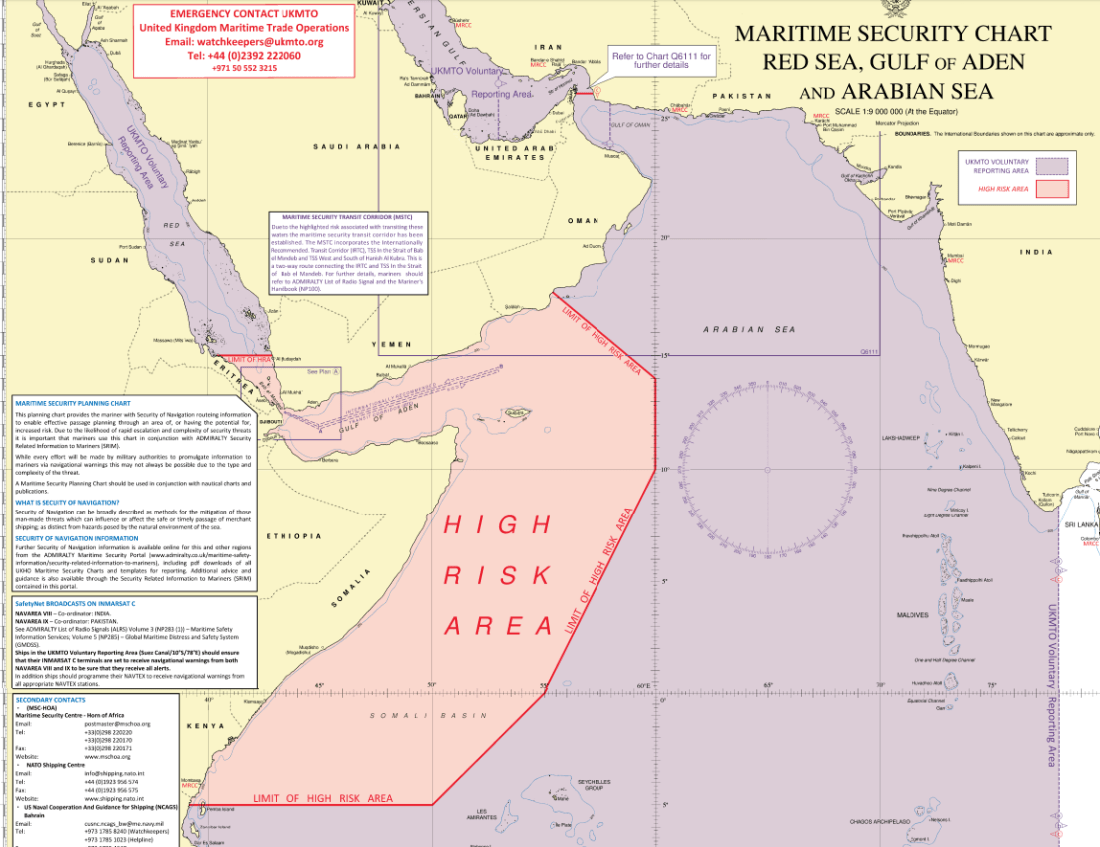
Meeting reiterates: threat of piracy not eradicated off the Horn of Africa.
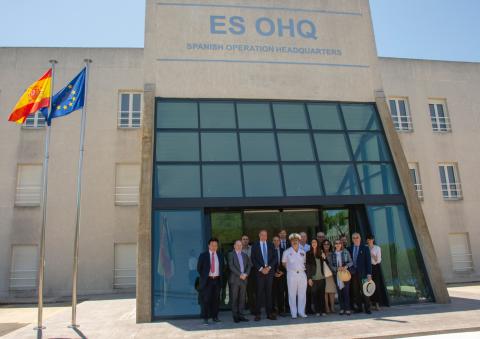
On 23 May, ECSA’s Maritime Security Working Group met with the EU NAVFOR Somalia Operation Atalanta at their operation headquarters in Rota, Spain.
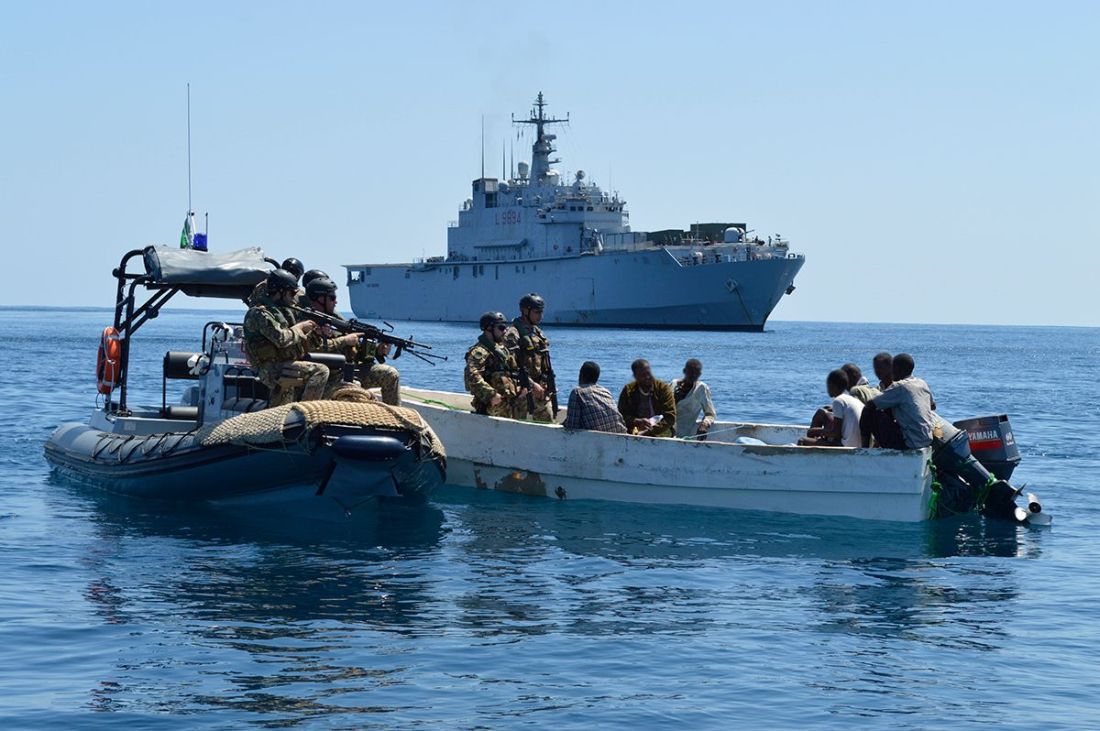
Representing the European shipping industry, the ECSA delegation met with the EU NAVFOR’s team to discuss the current state of piracy off the coast of Somalia. The delegation also visited the naval assets participating in Operation Atalanta. For the past ten years, EU NAVFOR has deterred and prevented acts of piracy and armed robbery off the coast of Somalia, protected vessels of the World Food Programme (WFP) and African Union Mission Somalia (AMISOM), and monitored acts of illegal fishing.
While it is true that today the number of attacks is minimal, this is only a result of the industry’s implementation of Best Management Practices along with the combined action of different actors and organisations, notably the states in the region.
“We know for a fact that pirate networks maintain the intent, the means and the capability to deploy and attack merchant vessels,” said R. Adm. Antonio Martorell Lacave. “It is up to us – military operations, coalitions and regional states – to uphold deterrence, operate in a flexible and agile manner and keep the seas safe.”
“Operation Atalanta has been a key element in the decrease of piracy attacks,” Flemming Dahl Jensen ECSA’s Maritime Security Working Group Chair mentioned. “We need to ensure there are sufficient resources allocated to guarantee its successful continuation.”
EU NAVFOR remains committed to deterring, preventing and suppressing piracy and emphasizes that the Maritime Industry must continue to adhere to BMP measures in order to maximize the safety of the ships and crews whilst transiting the high-risk area.
The European shipowners expressed their support to EU NAVFOR Operation Atalanta and their close cooperation with other international actors. The shipping industry will continue to cooperate with the EU NAVFOR team to ensure that Somali-based piracy stays suppressed.
The Federal Government said it has taken delivery of two helicopters, 20 speed boats and other equipment needed to secure Nigerian waters.
Last year, President Muhammadu Buhari approved $195 million to boost maritime security and reduce criminal activities. To achieve its aim, the government engaged an Israeli company to train some personnel on waterways security.
Gabon’s navy has accepted a new maritime operations centre (MOC), which was built by the United States Navy’s Seabees. It will support Gabon in protecting its maritime borders and countering illicit trafficking.
The US Navy this week said Seabees assigned to US Naval Mobile Construction Battalion (NMCB) 133 turned over the MOC to the Gabonese navy at a ribbon cutting ceremony at Port Gentil on 3 May.
The Iranian Navy plans to dispatch the 62nd flotilla of warships to free waters in the next few days to protect the country’s cargo ships and oil tankers against pirate attacks. The 62nd fleet includes Bayandor destroyer and Lavan and Bushehr logistic warships.
The 61st flotilla of the Iranian Navy had set off for the high seas to safeguard maritime routes used by Iranian vessels in international waters, especially in the Gulf of Aden, in March.
The Nigerian Navy (NN) yesterday said it will acquire more platforms, including helicopters and fast interceptor boats, among others, to strengthen its operations in years ahead.
The Chief of Naval Staff (CNS), Vice Admiral Ibok-Ete Ibas, stated this in Abuja, the nation’s capital, while addressing reporters on activities lined up for the 63rd anniversary celebration of the Navy.
A crew sailing off the coast of Singapore had a close encounter with pirates late last week, according to a new report from ReCAAP, the south east Asian anti-piracy center.
A tug-and-barge was heading westbound about five miles southwest-by-west off the coast of Singapore on Sunday. That’s in the narrow strait between Singapore and Malaysia on one side and Indonesia on the other. The tug master reported by radio that six pirates were boarding the barge “Smit Cyclone”.





 Maritime Security News