Australia, Japan and the US are currently conducting a trilateral passage in the Philippine Sea on the way to participate in Exercise Rim of the Pacific (RIMPAC) in Hawaii.
An ADF Joint Task Group has joined the USS Ronald Reagan Carrier Strike Group and the Japanese Maritime Self-Defense Force’s Akizuki-class destroyer JS Teruzuki.
With HMA Ships Canberra, Hobart, Stuart, Arunta and Sirius taking part, the activity includes replenishment at sea, aviation operations, maritime manoeuvres and communications drills.
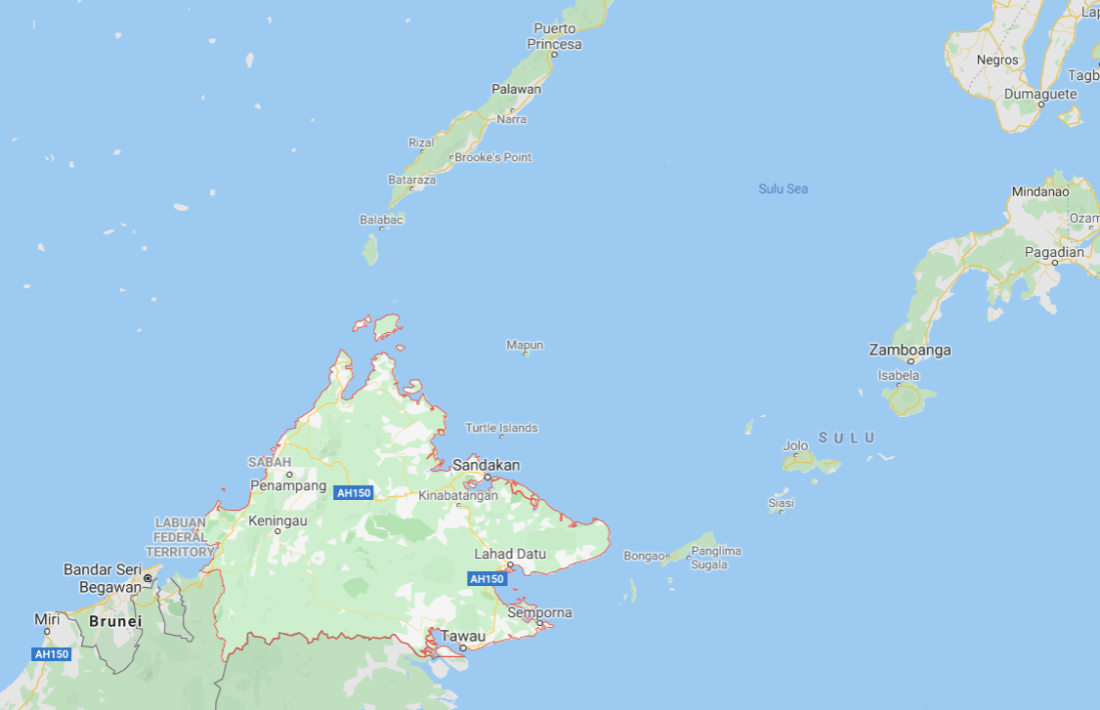
KOTA KINABALU: The curfew order in the waters of seven districts in the East Sabah Safe Zone (ESSZone) which ended at 6pm tomorrow has been extended for two weeks until August 3, said Sabah Police Commissioner Datuk Zaini Jass.
He said following the extension, residents were asked to be indoors and were not allowed to enter the waters between 6pm and 6am during the period.
MarsecNews: I should know better than to use a Western source on a Malaysian story. I’ve archived yesterday’s article which stated that Malaysia had ‘ended’ the Sabah curfew entirely. It clearly has not.
TO: ALL SHIPS TRANSITING IN AND OFF EASTERN SABAH / CELEBES SEA / SULU SEA / TAWI TAWI
WARNING WARNING WARNING
THIS WARNING IS AN ACTIVE WARNING BROADCAST TRANSMITTED SINCE 011000 UTC JUL 2020. BROADCAST WILL CONTINUE ON ALTERNATE DAYS.
AFTER RE-EVALUATION ON 13.07.2020, THIS WARNING IS STILL VALID FOR ANOTHER 5 DAYS. SOME OF THE ASG MEMBERS CANNOT BE TRACK AND MAY STILL BE AT SEA.
ASG PLAN KIDNAPPING – ORIGINAL FIRST BROADCAST WARNING BELOW DATED 011000 UTC JUL 2020.
THE IMB PRC HAS RECEIVED INFORMATION ON 01 JULY 2020 FROM PHILIPPINES INTEL THAT EIGHT ASG/KFRG WERE SPOTTED IN SITANGKAI, TAWI TAWI ONBOARD A WHITE WITH YELLOW AND ORANGE STRIPES SPEEDBOAT POWERED BY 250HP YAMAHA ENGINE. IT WAS REPORTED THAT FOOD AND WATER WERE PURCHASED BY THEM EARLIER.
THE GROUP IS PLANNING TO CONDUCT KIDNAPPING ACTIVITIES IN/OFF SABAH/ SEMPORNA TARGETING FOREIGNERS/SEAFARERS.
VESSELS ARE ADVISED TO REMAIN VIGILANT AND MAINTAIN STRICT ANTI-PIRACY WATCH AND MEASURES.
EARLY ASSESSMENT / DETECTION WILL ALLOW SHIPS TO TAKE EVASIVE ACTIONS AND PREVENT BOARDING AND REQUEST FOR ASSISTANCE. CITADEL/SAFE ROOM IS IMPORTANT IN CERTAIN AREAS.
THIS WARNING WILL BE RE-EVALUATED AGAIN ON 17 JULY 2020.
Violent attacks against ships and their crews have risen in 2020, with 77 seafarers taken hostage or kidnapped for ransom since January, reveals the ICC International Maritime Bureau’s (IMB) latest piracy report.
The Gulf of Guinea off West Africa is increasingly dangerous for commercial shipping, accounting for just over 90% of maritime kidnappings worldwide. Meanwhile ship hijackings are at their lowest since 1993. In total, IMB’s Piracy Reporting Centre (PRC) recorded 98 incidents of piracy and armed robbery in the first half of 2020, up from 78 in Q2 2019.
The increasing threat of piracy adds to hardships already faced by hundreds of thousands of seafarers working beyond their contractual periods due to COVID-19 restrictions on crew rotations and international travel.
“Violence against crews is a growing risk in a workforce already under immense pressure,” says IMB Director Michael Howlett. “In the Gulf of Guinea, attackers armed with knives and guns now target crews on every type of vessel. Everyone’s vulnerable.”
So far this year, 49 crew have been kidnapped for ransom in the Gulf of Guinea and held captive on land for up to six weeks. Rates are accelerating, with 32 crew kidnapped in the past three months alone. And incidents are happening further out to sea: two-thirds of the vessels were attacked on the high seas from around 20 to 130 nautical miles off the Gulf of Guinea coastline.
IMB PRC urges vessels to report any attacks promptly. It can then liaise with coastal agencies, international navies and vessel operators, encouraging a quick response to deter piracy and armed robbery and improve the security of seafarers. IMB PRC also broadcasts to shipping via GMDSS Safety Net Services and email alerts to Company Security Officers.
“We need to change the risk-to-reward ratio for pirates operating within the Gulf of Guinea. Without an appropriate and proportionate deterrent, pirates and robbers will get more ruthless and more ambitious, increasing the risk to seafarers,” says Howlett.
In one recent case commended by IMB, the Nigerian Navy responded promptly to a distress call from a fishing vessel boarded and hijacked by armed assailants in Ivory Coast waters. As a result the crew were saved and the ship was prevented from being used as a possible mother vessel to carry out further attacks.
In another incident, a product tanker was attacked while underway around 127 nm off Bayelsa, Nigeria. Eight armed pirates kidnapped ten crew as well as stealing cash, personal valuables, and ship’s property. IMB PRC contacted regional and international authorities, and a Nigerian Navy Security Vessel was dispatched. A nearby sister vessel helped the four remaining crewmembers to sail the tanker to a safe port. The kidnapped crew were released three weeks later.
Singapore Straits
The Singapore Straits saw 11 incidents in the first half of 2020, raising the risk of collisions in this busy shipping channel, especially at night. Although most are opportunistic – low-level attacks that are aborted once the alarm is sounded – two reports in May 2020 indicated crew were threatened with knives, taken hostage and injured.
There were ten attacks in Indonesian anchorages and waterways in Q2 2020, up from five in Q1 2020.
Americas – Call for more reporting
IMB is recording more incidents in new areas of Latin America, but says many attacks go unreported, making the problem more difficult to tackle.
The four attacks that were reported in Mexico all targeted offshore vessels and happened within a span of 11 days in April. One anchored accommodation barge was boarded by six people wearing face masks and armed with automatic weapons and pistols. They attempted to enter and opened fire, leading to an injured crewmember and three damaged windows. The Master raised the alarm, sent a distress message, informed the Chief Security Officer, and the crew mustered in the citadel. The incident was reported to the Marine Control and a naval boat was dispatched, but the attackers escaped with the barge’s high value project equipment.
Incidents continue to be reported off Callao Anchorage, Peru, while vessels off the coast of neighbouring Ecuador have recorded incidents each year since 2017, with at least three container ships attacked while underway in Q2 2020. In one case, two crew were taken hostage for the duration of the robbery and in another the perpetrators fired on the ship when they were unable to gain access.
Somalia
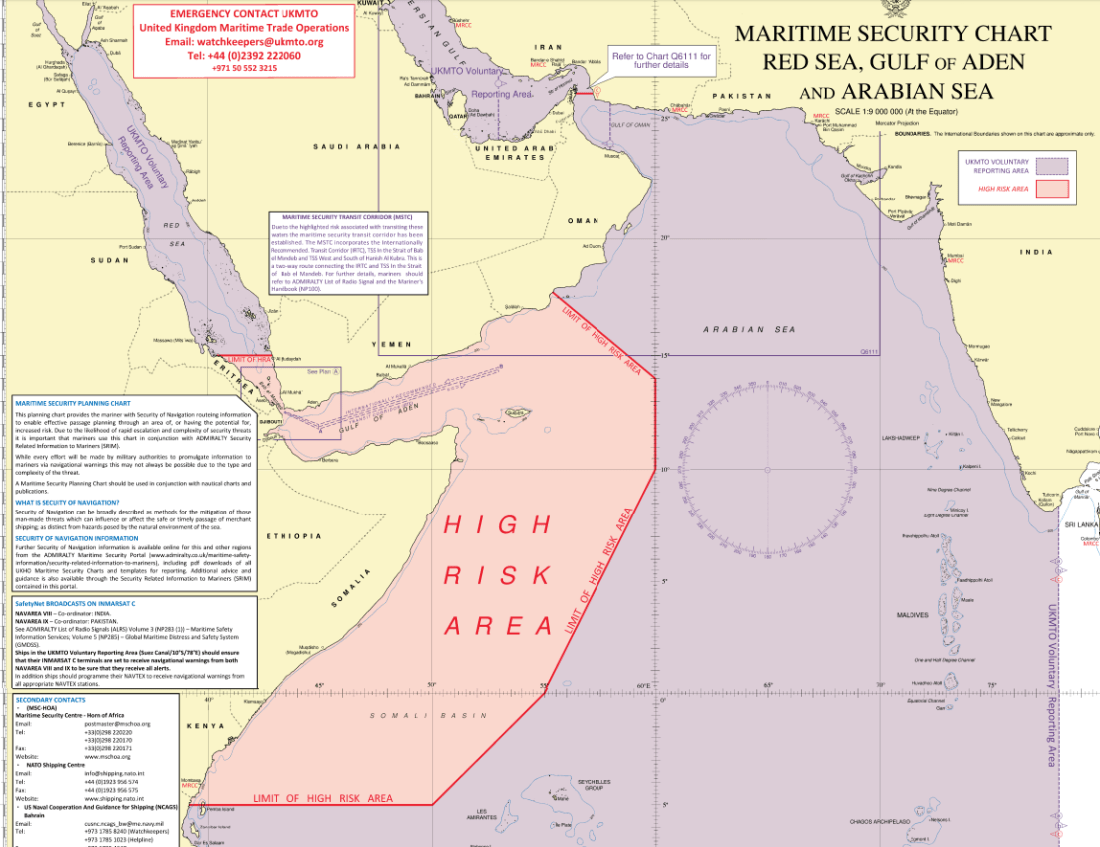
No incidents were reported off Somalia. Vessels are urged to continue implementing Best Management Principles (BMP5) recommended practices while transiting these waters. The Somali pirates still maintain the capability for carrying out attacks.
IMB Piracy Reporting Centre
Since 1991, the IMB PRC’s 24-hour manned center remains a single point of contact to report the crimes of piracy and armed robbery. The Centre not only assists ships in a timely manner, it also provides the maritime industry, response agencies and governments with transparent data received directly from the Master of the vessel under attack, or its owners.
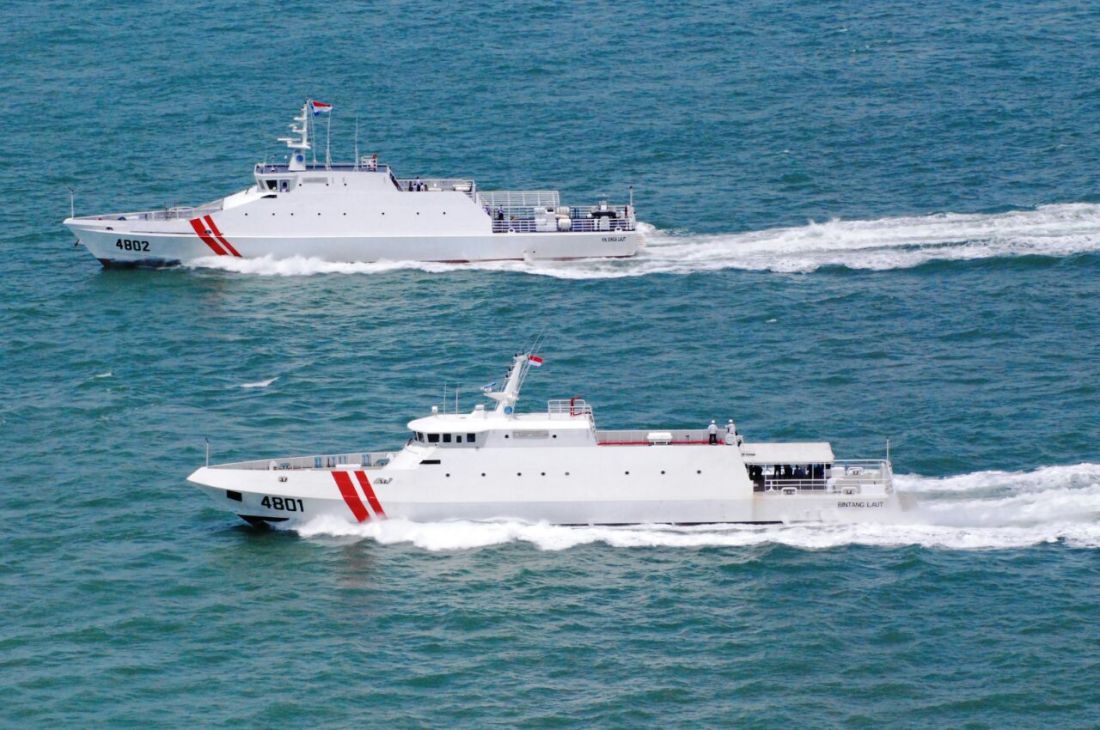
Aggressive action by Indonesia’s marine police is putting pressure on Southeast Asian pirates and the number of local attacks is falling, the crime-fighting International Maritime Bureau has reported.
“Recent meetings and continued dialogue between the Indonesian marine police and the IMB PRC resulted in positive actions by the Indonesian authorities which have so far brought incidents down. With the assistance and actions of the IMP, the incidents appear to be decreasing each quarter,” the IMB has stated.
The International Chamber of Commerce International Maritime Bureau’s (IMB) report for the third quarter of 2019 demonstrates fewer incidents of piracy and armed robbery against ships than the first nine months of 2018.
119 incidents of Piracy and Armed Robbery Against Ships have been reported to the IMB Piracy Reporting Centre (IMB PRC) in 2019, compared to 156 incidents for the same period in 2018. Overall, the 2019 incidents include 95 vessels boarded, 10 vessels fired upon, 10 attempted attacks, and four vessels hijacked. The number of crew taken hostage through the first nine months has declined from 112 in 2018 to 49 in 2019.
While the overall number of incidents has dropped, incidents involving guns and knives remain consistent. There have been 24 knife-related and 35 gun-related incidents reported in 2019, compared to 25 and 37 for the first nine months of 2018. These statistics confirm IMB’s concerns over continued threats to the safety and security of seafarers.
Gulf of Guinea
The Gulf of Guinea remains a high risk area for piracy and armed robbery. The region accounts for 86% of crew taken hostage and nearly 82% of crew kidnappings globally.
In July a general cargo vessel was hijacked approximately 120nm SW from Brass. Ten crew members were kidnapped from the vessel and released four weeks later. In August a bulk carrier and a general cargo vessel were boarded within hours of each other at Douala anchorage, Cameroon and a total of seventeen crew were kidnapped from the vessels. Within six weeks all kidnapped crew were released. This incident demonstrates the range of piracy activity in the Gulf of Guinea and that all types of ships are vulnerable to attack. Lagos recorded 11 incidents in 2019, the highest number for any port.
Lagos recorded 11 incidents in 2019 – the highest number of any port in the world. Despite reporting more attacks than any other country, Nigeria has reduced Q3 piracy attacks from 41 in 2018 to 29 in 2019.
“Although incidents are down, the Gulf of Guinea continues to be a concern for piracy and armed robbery-related activities with kidnappings of crew members increasing in both scale and frequency,” said Pottengal Mukundan, Director, ICC IMB. “It is important that shipmasters and owners continue to report all actual, attempted, and suspected incidents to ensure that an accurate picture of these attacks emerge and action is taken against these criminals before the incidents further escalate.”
Continued improvement in Indonesia
Meanwhile, Indonesia reported a decline in overall piracy related incidents with 20 actual and attempted attacks for the first nine months of 2019. Over the past five years, Indonesia has gradually reduced its share of piracy related incidents. As recent as 2015, Indonesia reported 86 actual and attempted piracy incidents through Q3. Indonesia’s impressive gains can be attributed to continued information sharing between the Indonesian Marine Police and the IMB PRC.
No incidents in Somalia, but threats remain
Meanwhile, Somalia has no piracy-related incidents recorded for the first nine months of 2019. Although no incidents have been reported, Somali pirates continue to possess the capacity to carry out attacks in the Somali basin and wider Indian Ocean. As a result, the IMB PRC advises ship owners to remain cautious when transitting these waters.
Global anti‐piracy support
Since 1991 the IMB PRC’s 24-hour manned centre, has provided the maritime industry, governments and response agencies with timely and transparent data on piracy and armed robbery incidents – received directly from the Master of the vessel or its owners.
The IMB PRC’s prompt forwarding of reports and liaison with response agencies, its broadcasts to shipping via Global Maritime Distress and Safety System (GMDSS) Safety Net Services and email alerts to Company Security Officers, all provided free of cost, has helped the response against piracy and armed robbery and the security of seafarers, globally.
IMB strongly urges all shipmasters and owners to report all actual, attempted and suspected piracy and armed robbery incidents to the IMB PRC globally. This first step in the response chain is vital to ensuring that adequate resources are allocated by authorities to tackle piracy. Transparent statistics from an independent, non- political, international organization can act as a catalyst to achieve this goal.
Autonomous ships are a hot topic in the maritime sector; piracy and
armed robbery too. Since the beginning of the year, according to the
IMB, almost 100 attacks have been committed against ships all around the
world. 2018 saw a marked increase in attacks compared to the past few
years.
Here is an attempt to describe an autonomous ship hijacking scenario.
The scenario
In 2025, an autonomous ocean-going container ship is chartered on a busy commercial line between China and Europe. The vessel is a level four autonomous ship according to the IMO classification [1] . The vessel is underway, and she is now passing through Malacca Strait. All sensors and artificial intelligence (AI) processes are working hard to avoid collision with others vessels, keep water under the keel and maintain the vessel on track [2].
The recent admission by the former Minister of Transportation, Mr. Rotimi Amaechi, that the security situation in the maritime sector has become bad and last Monday’s Q2 report by the International Maritime Bureau naming Nigeria as a hotbed of piracy in the Gulf of Guinea, leaves much to be desired.
As stakeholders in the nation’s maritime industry await the deployment of the $195 million maritime security equipments approved by President Muhammadu Buhari, a not very cheery news broke last Monday about the increasing pirates attacks on Nigeria’s territorial waters. Put simply, Nigeria was again rated number one in pirates attack in the Gulf of Guinea by the International Maritime bureau (IMB).
The Nigerian Maritime Administration and Safety Agency has described as unverified, reports stating that Nigeria had again taken the lead in piracy attacks in the second quarter of 2019.
The report released by the International Maritime Bureau, indicated that between January and June, Nigeria led the table of pirate attacks with 21 recorded incidents, beating Indonesia that recorded 11, Venezuela with six attacks and Peru with four attacks.
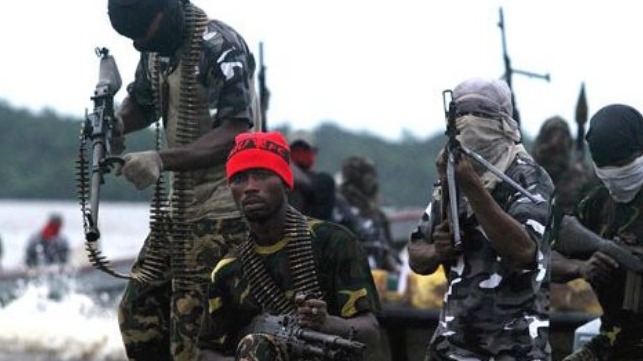
The seas around West Africa remain the world’s most dangerous for piracy, the International Maritime Bureau’s (IMB) latest report reveals.
Of the 75 seafarers taken hostage onboard or kidnapped for ransom worldwide so far this year, 62 were captured in the Gulf of Guinea – off the coasts of Benin, Cameroon, Guinea, Nigeria and Togo. Worldwide, the International Chamber of Commerce’s IMB Piracy Reporting Centre recorded 78 incidents of piracy and armed robbery against ships in the first half of 2019, compared with 107 incidents for the same period of 2018. Overall, 57 vessels were boarded successfully, representing 73% of all attacks.
Pirates killed one person, took 38 crewmembers hostage, and kidnapped a further 37 for ransom.
Gulf of Guinea world piracy hotspot
The IMB report reveals 73% of all kidnappings at sea, and 92% of hostage-takings, took place in the Gulf of Guinea. Armed pirates in these high-risk waters kidnapped 27 crewmembers in the first half of 2019 and 25 in the same period in 2018. Two chemical tankers were hijacked, as well as a tug that was then used in another attack. Of the nine vessels fired upon worldwide, eight were off the coast of Nigeria, Africa’s top oil producer. These attacks took place on average 65 nautical miles off the coast – meaning they are classified as acts of piracy.
But there are some encouraging signs of improvement. The IMB Piracy Reporting Centre reports “a welcome and marked decrease” in attacks in the Gulf of Guinea for the second quarter of 2019, commending the Nigerian navy for actively responding to reported incidents by dispatching patrol boats. While recognising that many attacks go unreported, IMB recorded 21 incidents around Nigeria so far in 2019, down from 31 in the same period of 2018.
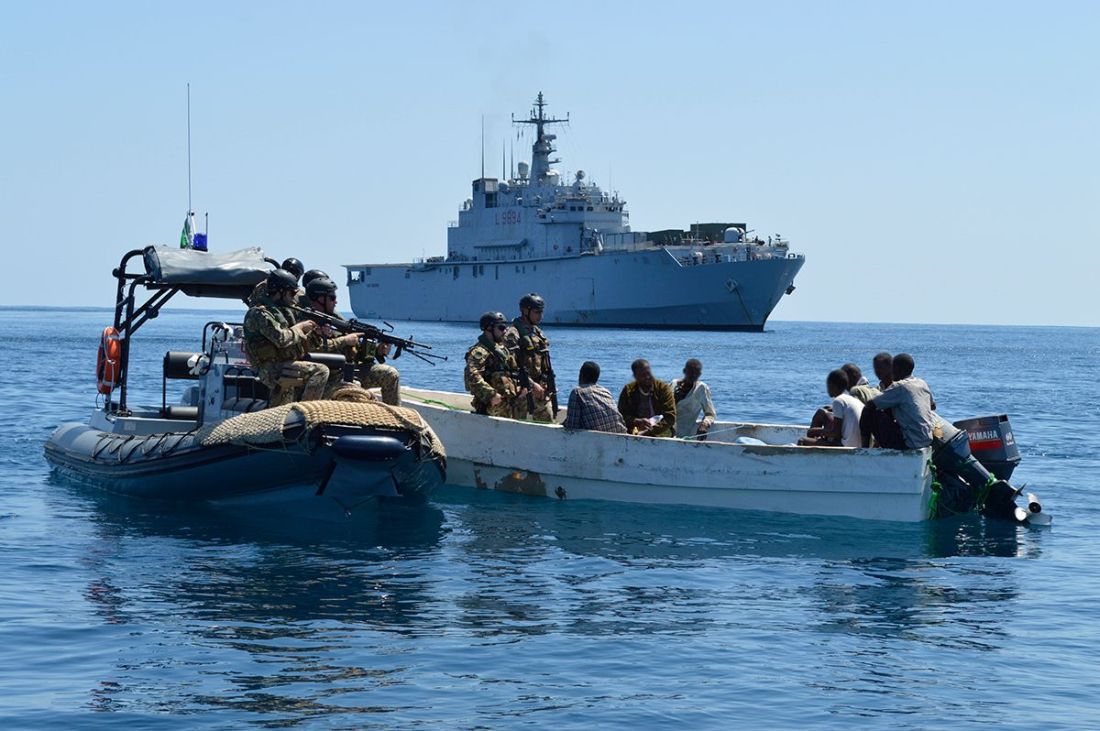
Naval vessels from Equatorial Guinea and Spain also intervened in May 2019 when a Nigerian tug was hijacked 41 nautical miles off Luba, Equatorial Guinea. Soon after, the pirates used the tug to launch an attack on a Maltese heavy load carrier. The crew retreated into the ship’s citadel, a safe room for protection against attackers. When the navies responded, the pirates left the vessel and the crew were freed. The IMB Piracy Reporting Centre thanks the naval vessels for their prompt assistance.
Warning to stay alert
Despite the recent fall in Gulf of Guinea attacks, IMB is urging seafarers in the region to remain vigilant and report all suspicious activity to regional response centres and the Piracy Reporting Centre. “Early detection of an approaching suspicious craft is key to prevent boarding and give time to raise the alarm and retreat into a citadel, if needed,” said an IMB spokesperson.
Meanwhile, in Malaysia, 10 crew were kidnapped from two fishing boats off eastern Sabah in June. Of these, nine crew are reported to have been released.
Around Indonesia, on-going information-sharing cooperation between the Indonesian Marine Police and the IMB Piracy Reporting Centre continues to show positive results. The 11 incidents reported in Indonesian waters remains the lowest Q2 figure since 2009 when three incidents were reported.
Violent attacks in South America
A vessel was fired upon in the Guayas River after departing from Guayaquil, Ecuador’s second largest city. This is the first time an incident involving the firing of weapons has been reported to the IMB Piracy Reporting Centre in Ecuador.
Elsewhere in South America, incidents of violent armed theft against ships at anchor have been reported in Callao in Peru, Jose Terminal in Venezuela and Macapa in Brazil. On 2 May 2019, when armed robbers boarded a yacht in San Ignacio de Tupile, Panama, shooting and killing a family member and injuring another, the IMB Piracy Reporting Centre liaised with the victims and authorities. The surviving family members including two children were rescued by Panamanian Marine Police.
Global anti-piracy support
Since 1991 the Piracy Reporting Centre’s 24-hour manned centre, has provided the maritime industry, governments and response agencies with timely and transparent data on piracy and armed robbery incidents – received directly from the Master of the vessel or its owners. This important work promotes the purpose of the International Chamber of Commerce to enable business to secure peace, prosperity and opportunity for all.
The IMB Piracy Reporting Centre’s prompt forwarding of reports and liaison with response agencies, its broadcasts to shipping via Global Maritime Distress and Safety System (GMDSS) Safety Net Services and email alerts to Company Security Officers, all provided free of charge, has helped the response against piracy and armed robbery and the security of seafarers, globally.
IMB strongly urges all shipmasters and owners to report all actual, attempted and suspected piracy and armed robbery incidents to the IMB Piracy Reporting Centre globally. This first step in the response chain is vital to ensuring that adequate resources are allocated by authorities to tackle piracy. Transparent statistics from an independent, non-political, international organisation can act as a catalyst to achieve this goal.





 Maritime Security News
150600 UTC JUL 2020
TO: ALL SHIPS TRANSITING IN AND OFF EASTERN SABAH / CELEBES SEA / SULU SEA / TAWI TAWI
WARNING WARNING WARNING
THIS WARNING IS AN ACTIVE WARNING BROADCAST TRANSMITTED SINCE 011000 UTC JUL 2020. BROADCAST WILL CONTINUE ON ALTERNATE DAYS.
AFTER RE-EVALUATION ON 13.07.2020, THIS WARNING IS STILL VALID FOR ANOTHER 5 DAYS. SOME OF THE ASG MEMBERS CANNOT BE TRACK AND MAY STILL BE AT SEA.
ASG PLAN KIDNAPPING – ORIGINAL FIRST BROADCAST WARNING BELOW DATED 011000 UTC JUL 2020.
THE IMB PRC HAS RECEIVED INFORMATION ON 01 JULY 2020 FROM PHILIPPINES INTEL THAT EIGHT ASG/KFRG WERE SPOTTED IN SITANGKAI, TAWI TAWI ONBOARD A WHITE WITH YELLOW AND ORANGE STRIPES SPEEDBOAT POWERED BY 250HP YAMAHA ENGINE. IT WAS REPORTED THAT FOOD AND WATER WERE PURCHASED BY THEM EARLIER.
THE GROUP IS PLANNING TO CONDUCT KIDNAPPING ACTIVITIES IN/OFF SABAH/ SEMPORNA TARGETING FOREIGNERS/SEAFARERS.
VESSELS ARE ADVISED TO REMAIN VIGILANT AND MAINTAIN STRICT ANTI-PIRACY WATCH AND MEASURES.
EARLY ASSESSMENT / DETECTION WILL ALLOW SHIPS TO TAKE EVASIVE ACTIONS AND PREVENT BOARDING AND REQUEST FOR ASSISTANCE. CITADEL/SAFE ROOM IS IMPORTANT IN CERTAIN AREAS.
THIS WARNING WILL BE RE-EVALUATED AGAIN ON 17 JULY 2020.