Pirates Abduct 14 Seafarers From Heavy Lift Ship in Gulf of Guinea

On Friday, 14 crewmembers were kidnapped from a Chinese heavy-lift ship off the coast of Sao Tome.

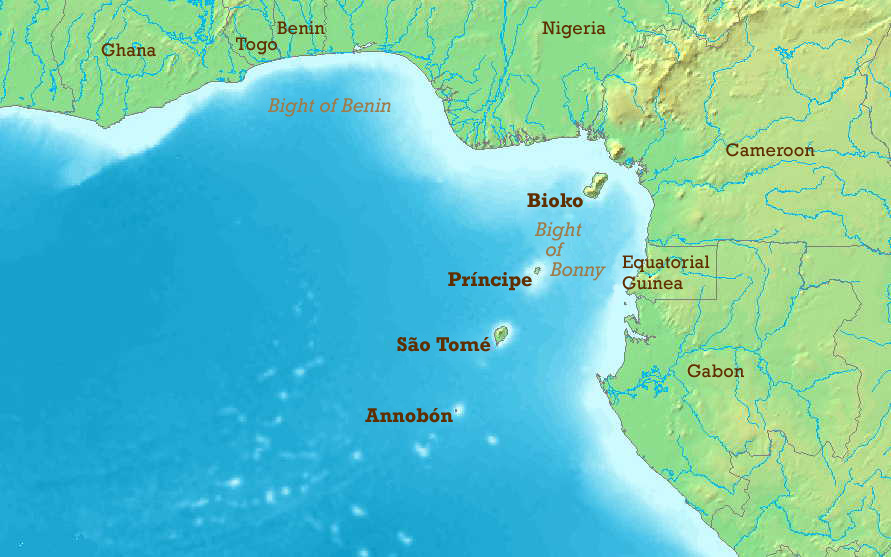
According to security consultancy Dryad Global, the heavy lift ship Zhen Hua 7 was boarded by pirates at a position about 80 nm to the northeast of Sao Tome, in the Gulf of Guinea. The ship was drifting at the time of the boarding. 14 out of her 27 crewmembers were kidnapped, and all of the victims are Chinese nationals, according to Dryad.

To continue reading, please click here.

Source: maritime-executive.com

Combined Maritime Forces seize over one tonne of hashish in drugs bust

Media Release

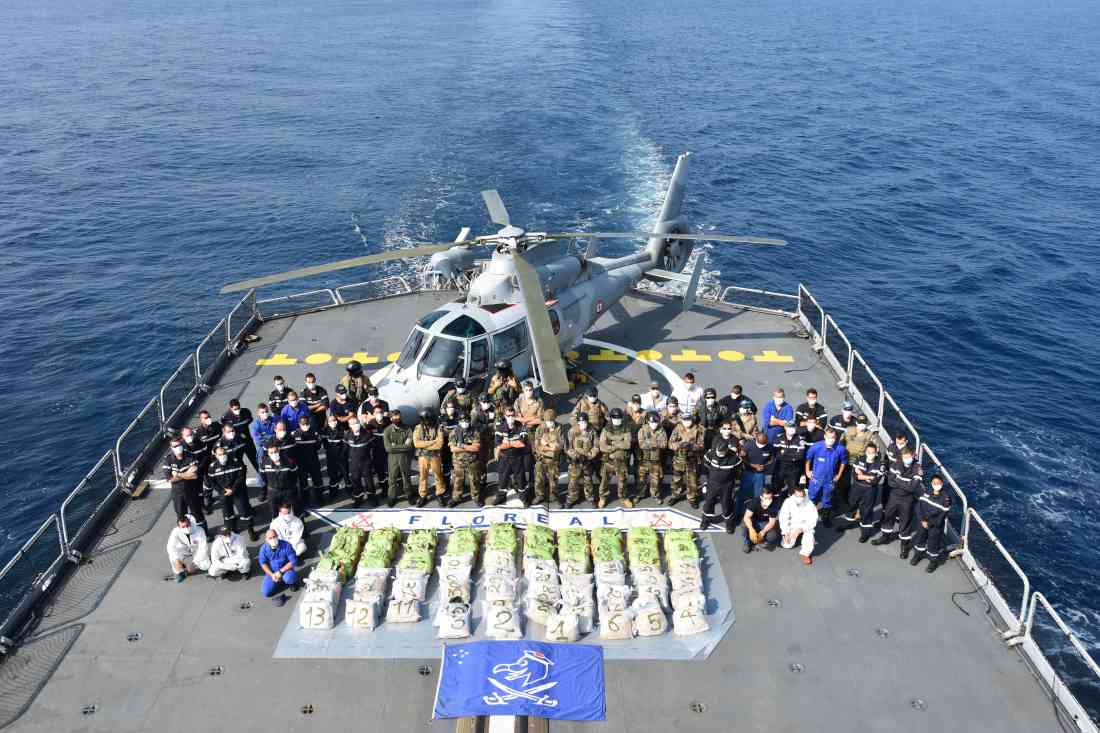
A French ship working in support of a Combined Maritime Forces (CMF) task force has seized over one tonne of hashish worth $8 million, 8 November 20.

Sailors on board French Ship Floréal, the lead Floréal-class frigate, captured the drugs from a suspicious vessel during a counter-narcotics operation in the Arabian Sea’s infamous ‘Hash Highway’.

The ship was operating in support of CMF’s Combined Task Force 150 (CTF 150) at the time of the seizure, which comes just weeks after a Royal Navy ship working as part of a CTF 150 operation intercepted over 450kg of methamphetamine.

“This seizure marks yet another successful drugs bust by CTF 150,” said the task force’s Commander, Rear Admiral Sulieman Alfakeeh of the Royal Saudi Naval Forces. “With two successful drugs seizures in a matter of weeks, we are proving that we are a formidable force against drug smugglers, keeping millions of dollars of illegal substances off the streets.”

A team of French sailors conducted the boarding of the suspicious vessel, which was sailing along a route known for transiting drugs.

The one tonne haul of hashish was well-hidden on board the vessel and required an extensive search by the highly trained boarding team, made even more challenging by the threat of COVID.  The ship’s medical team was responsible for decontaminating all personnel and all equipment to ensure the safety of its personnel was maintained.

This drugs seizure marks another success in a long string of CMF activities; in addition to the historic Royal Navy methamphetamine seizure in October, last month the USS Winston S. Churchill assisted an Iranian-flagged motor vessel in distress while in support of CTF 150. In the last few days, the French Ship Jean Bart, alongside the Japanese Ship Ariake, operating under a CTF 151 tasking, provided the medical evacuation of an injured mariner.

“The Combined Maritime Forces is founded on a shared commitment to ensuring the safety of all legitimate mariners at sea,” said Commodore Dean Bassett Royal Navy, Deputy Commander of the Combined Maritime Forces. “Sometimes this involves assisting those in distress, and other times it targets those who seek to use the maritime environment to conduct illegal activities such as terrorism, smuggling and piracy.”

The Combined Maritime Forces (CMF) is a multinational maritime partnership which exists to counter illicit non-state actors on the high seas, promoting security, stability and prosperity in the Arabian Gulf, Red Sea, Gulf of Aden, Indian Ocean and Gulf of Oman. CTF 150 operates to disrupt and deny criminal and terrorist organizations operating outside of the Arabian Gulf, to ensure that legitimate commercial shipping can transit the region, free from non-state threats. CTF 150 is currently led by the Royal Saudi Naval Force, the second time that the country’s Navy has led the task force.

CMF and Djibouti develop partnership to combat piracy

In a recent Zoom call, the commander of the Combined Task Force 151, Rear Admiral Nejat Inanir, spoke with the Head of the Djibouti Coastguard, Colonel Waiss Omar Bogoreh to discuss their continued partnership in conducting counter-piracy operations.

Rear Admiral Inanir thanked Colonel Bogoreh for his support in a recent counter piracy operation, Focused Operation Shamal. “It’s been a job really well done. Your assistance is very much appreciated,” said Rear Admiral Inanir. He also passed on a personal message of gratitude from the Combined Maritime Forces (CMF) commander, Vice Admiral Samuel Paparo.

While Djibouti is not a member of CMF, CTF 151 regularly works closely with the nation’s Navy and Coastguard to support maritime security operations in the region, sharing information and informing merchant vessels transiting through their waters when military assets are working to protect the region’s shipping lanes nearby.

Colonel Bogoreh said: “We are always willing collaborate further with CMF. We have eight or nine years of a history of working together in what is a very successful relationship.”

Source: combinedmaritimeforces.com

MDAT-GoG reports new attack on tanker

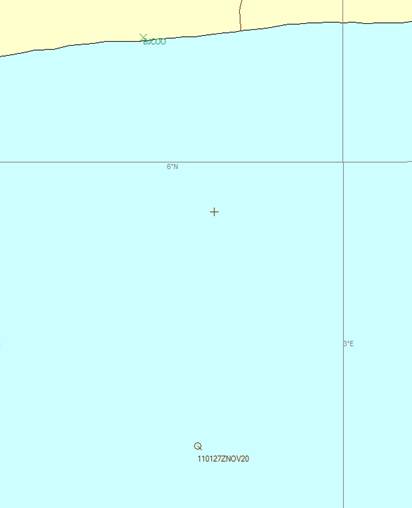
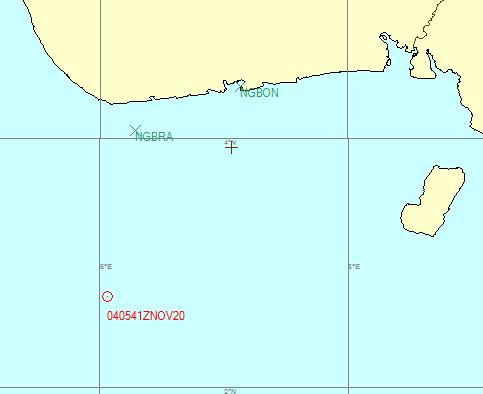
MDAT-GoG reported on November 11th that a tanker was under attack by armed pirates in one skiff, in position 0512N 00235E (70 Nm southeast of Cotonou) at 0119UTC.

The initial report came from the vessel itself, which followed up to state that the attack had been aborted. It is not known at this time whether the vessel was protected by armed guards or was able to evade the pirates.

This is the latest in a series of attacks, primarily against tankers, in the last week, several of which have occurred at least 70nm from shore, highlighting the risk to vessels transiting the GoG.

Pirates of the Lake – Gangs Prey on Venezuelan Fishermen

Written by Venezuela Investigative Unit, InSight Crime

Fishermen are denouncing increased piracy around Lake Valencia in northern Venezuela, which is weakening one of the last productive industries in the area.

For months, heavily armed pirates have attacked homes along the now-defunct Valencia-Güigüe highway in the state of Carabobo every 15 to 22 days. Residents report that they arrive on motorboats, armed with machine guns, and demand that fishermen hand over various belongings including fishing gear. Although no people have reportedly been harmed in recent attacks, there is reason to fear an escalation of violence if families are unable to meet the pirates’ increasing demands, according to press reports.

In 2017, four brothers were found dead in Lake Valencia, allegedly killed by pirates who tried to steal their boat engine motor while they were fishing.

Piracy on Venezuelan lakes is not a new phenomenon nor is it limited to Lake Valencia. Fishermen on Lake Maracaibo, in the northwestern state of Zulia, have reported extortion and violence from pirates for at least a decade. These attacks increased throughout 2019. Local residents told InSight Crime that pirates demand that fishermen surrender part of their daily catch. If fishermen refuse or do not surrender enough fish, the pirates take their boats or engines and demand payments of up to $2,000 to secure their return.

InSight Crime Analysis

As the economic situation in Venezuela continues to deteriorate, the few remaining industries that continue to generate any profit are likely to remain prime targets for extortion and theft. Fishing keeps local populations afloat on the shores of Lake Maracaibo and Lake Valencia, although profits have decreased in recent years due to inflation and environmental problems. This relative success has ensured that piracy remains a profitable criminal economy.

Fishermen have begged for state protection, but the government’s inaction in the face of these attacks will give little hope to vulnerable populations. Although the governor of Zulia announced the creation of a maritime force to protect fishermen from pirates in mid-2019, the barebones unit was comprised of only 35 police officers and one boat. In its first operation, the brigade freed four captives and retrieved two boats stolen by pirates. Despite this early success, a local fisherman and community leader told InSight Crime last March that attacks have continued.

And while much of the fishing on Lake Valencia is artisanal and does not feed into major industries, fishermen on Lake Maracaibo often sell their catch to companies that ship internationally. Capitalizing on this connection, gangs often charge fishermen extortion fees for access to Lake Maracaibo and to the seafood companies on its shores. A community leader in Zulia confirmed to InSight Crime that gangs, including Tren del Norte and Los Leal, are among several groups that engage in piracy and jockey for control of this economy in Lake Maracaibo.

Source: insightcrime.org

Two tankers avert pirate attacks off West Africa

Two tankers transiting West Africa have successfully averted attacks by pirates on their crew, even though one of the tankers was boarded. Lee Hong Liang writes in Seatrade Maritime News:

“According to reports cited by maritime security intelligence firm Dryad Global, pirates boarded a Singapore-flagged chemical tanker Torm Alexandra in south Cotonou, Benin around 0643 UTC.”

Further, Maritime Executive carried images taken by a helicopter deployed by the Italian frigate, INS Martinengo, which show at least four men in a skiff containing fuel barrels and powered by twin outboard engines.

An incident alert was sent by MDAT-GoG on Saturday, which read:

1. CATEGORY: BOARDING

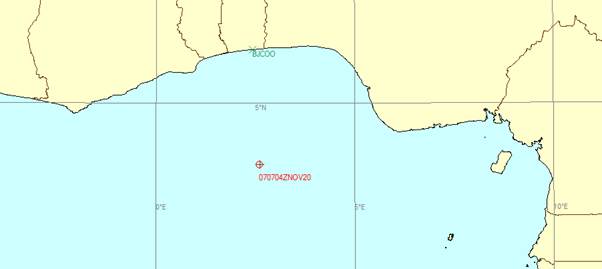
2. TIME: 07 Nov 2020 at 0640UTC.

3. DESCRIPTION: Unknown number of perpetrators have boarded a MV. All crew are in the citadel. Local authorities are aware of the situation.

4. POSITION: 03°39’48N 002°29’49E (172 Nm south of Cotonou)

This was later updated to show the vessel and crew as safe.

MDAT-GoG issues attack alert

Today, Nov. 4th, MDAT-GoG issued an attack alert following reports of an incident around 100nm off Brass, Niger Delta.

MDAT-GoG stated that it received a SSAS alert signal from a tanker which may be under attack. The incident occurred at 0549 UTC in position 02°43”56N- 006°03”23 E (190°- 100nm of Brass). They describe the vessel as drifting and not responding to calls from its CSO or MDAT. There have been no further updates.

INTERNATIONAL COUNTER PIRACY OPERATION BLOWS THROUGH THE GULF OF ADEN

Media Release

With the monsoon season – which makes sea conditions favourable for smaller shipping vessels – over, a large multinational counter piracy operation has been conducted by the Combined Maritime Forces in the Gulf of Aden.

The operation, named Operation Shamal after the strong winds that blow from the north bringing sandstorms to the region, was designed to increase military patrolling in the area around the Gulf of Aden and the Horn of Africa.

The area is of immense importance as the main shipping lane from the Indian Ocean to the Mediterranean passes through it. With the Monsoon diminishing and sea becoming favourable for sailors, there has been a large increase in the number of smaller fishing vessels, skiffs and dhows operating again, mainly closer to the coastlines of coastal states.

“Focused Operation Shamal was conducted to demonstrate to potential pirates and sponsors of piracy that there is a significant military force in the region that would deal with any attempted piracy attack,” said Combined Task Force 151’s (CTF 151) Operations officer, Lieutenant Commander Yoo Sanghun of the Republic of Korea Navy.

“We are also here to reassure our partners on merchant ships that despite the increase in small boat activity, the military is there to respond,” he added.

The Operation was an international affair, with support from CMF members Pakistan, the Republic of Korea, the United States and the Japanese Maritime Self Defence Force.

The Pakistan Navy ship Zulfiquar and the ROK ship Dae Jo Yeong drilled together during a Passing Exercise. The exercise is a testimony of the skills and professionalism of the respective navies and demonstrated their abilities to enhance interoperability at sea.

There was also a significant contribution from Djibouti and Oman, with Djibouti’s coastguard and the Royal Navy of Oman playing a vital part in contacting merchant vessels sailing through the area, alerting them to the presence of warships and gathering essential information about any suspicious activity they’d seen during their transit.

The UKMTO office in Dubai contributed to the operation, alerting merchant shipping to expect an increase in military activity, both visually and on VHF.

Military activity during the operation was not just limited to the sea; maritime patrol aircraft from both CMF and EU NAVFOR-participating countries contributed significantly to the operation, providing an overwatch right across the entire piracy High Risk Area. They identified potential piracy activity at an early stage, whether in the Somalian based known piracy camps or at sea.

“It is always pleasing when we are able to grow our capability by having so many countries operating closely together, whether it’s patrol aircraft and warships tactically maneuvering together or nation states coordinating their navies and coastguards to deliver freedom of navigation in a long term strategy,” said Rear Admiral Nejat Inanir of the Turkish Navy, Commander of CTF 151.

The region is in a state of transition between monsoon seasons; October is one of the busiest times for small fishing craft and dhows to operate and there will be an increase in small dhow traffic between the various ports on both sides of the Gulf of Aden. Merchant ships are encouraged to use the Internationally Recommended Transit Corridor (IRTC), where they are less likely to have any interaction with the smaller fishing skiffs, which are occasionally mistaken for pirates.

Warships and maritime patrol aircraft continuously patrol the Gulf of Aden throughout the year, but will be particularly vigilant in these weather transition zones. It’s vital to protect world trade through vulnerable chokepoints. With the seafarer hostages being released by pirates earlier this month, it’s a key reminder that organisations including CMF’s CTF 151 play a fundamental role to deter piracy from interrupting the free passage of these crucial sea lanes.

“It’s been a very successful operation,” said Rear Admiral Nejat Inanir. “Operation Shamal has provided a timely reminder to the maritime community that there is an international effort to maintain the free flow of commerce, today and always.”

Maritime Security: Controversy Trails Amaechi’s Quest for Another $22.9M Despite Uncompleted $195M Contract to Israeli Firm

Eromosele Abiodun

In a move that has raised eyebrows in government circles, and among stakeholders, Minister of Transportation Rotimi Amaechi is seeking a whopping $22.99 million from the federal government to hire fast intervention vessels to tackle insecurity in Nigerian waters, THISDAY has learnt. This comes hard on the heels of the $195 million maritime security contract approved for the same purpose by the federal government in 2017, which was also pushed through by Amaechi.

A source familiar with the matter said, “That contract is yet to be fully executed.”
The federal government had in 2017 approved a $195 million maritime security contract with an Israeli firm, HLS International Limited, under the Integrated National Security and Waterways Protection Infrastructure, also called the Deep Blue Project. The company allegedly got the contract on the strength of its relationship with Amaechi, even though stakeholders alleged lack of transparency.

To continue reading, please click here.

Source: thisdaylive.com

Maritime security: EU to the rescue of ECOWAS civil and maritime professionals

By Moctar FICOU

The European Union (EU) has awarded a grant of 1.5 million euros, or one (1) billion CFA francs, to the Institute for Interregional Maritime Safety (ISMI), the Regional Academy of Marine Science and Technology (ARSTM), to finance 16 training cycles between 2021 and 2024.

This initiative aims to strengthen the maritime security skills of civil and maritime professionals in the Economic Community of West African States (ECOWAS). The training, which will begin in January 2021, will put an end to illegal activities in the Gulf of Guinea.

To continue reading, please click here.

Source: vivafrik.com

MarsecNews: This item was translated into English by Bing. As a result, some errors may occur.