How Covid-19 has escalated the maritime drug trade – and what AI can do about it

HMS Defender and drugs haul

Adele Berti

Israeli maritime intelligence and predictive analytics company Windward is using artificial intelligence to identify and pinpoint Europe-bound vessels that might be illicitly carrying drugs for distribution in the continent.

Spearheaded by CEO Ami Daniel, a local entrepreneur with a background serving in the navy, the company bids to speed up the digitalisation of the maritime sector by offering a predictive intelligence solution that relies on AI and big data for a range of applications including safety, security and finance.

To continue reading, please click here.

Source: ship-technology.com

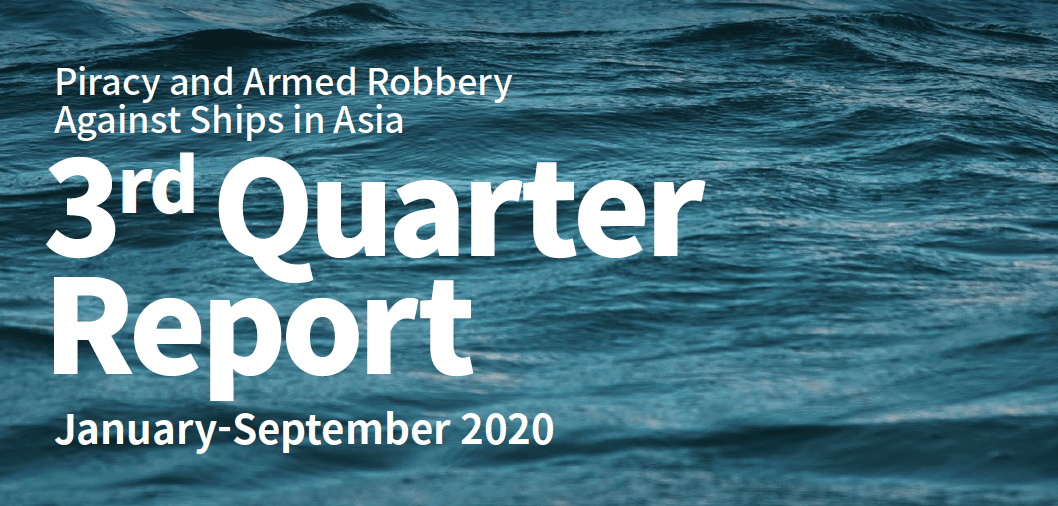
ReCAAP issues 2020 3rd Quarter Report

A total of 75 incidents of piracy and armed robbery against ships (comprising 73 actual incidents and two attempted incidents) were reported in Asia during January-September 2020 compared to 54 incidents (comprising 49 actual incidents and five attempted incidents) during January-September 2019. This accounts for an increase of 39% in the total number of incidents reported during January-September 2020 compared to the same period in 2019.

Of the 75 incidents, 71 were incidents of armed robbery against ships and four were piracy incidents. The increase of incidents during January-September 2020 occurred in Bangladesh, India, Indonesia, the Philippines, Vietnam, South China Sea and Singapore Strait. However, there was improvement at the ports/anchorages in China and Malaysia during January-September 2020 compared to the same period in 2019.

To continue reading, please click here.

To download the report, please click here.

Source: recaap.org

Pirates Cart Away 16 Fishermen’s Boats In Andoni

By: Chinedu Wosu

Rampaging armed sea pirates terrorising fishermen in Andoni communities in Rivers State have carted away 16 engine boats belonging to fishermen in the area. The sea robbers who have been terrorising waterways in the communities also attacked the helpless fishermen and made away with their valuables.

The attacks happened at the weekend, with no arrest made by the Marine Police or the Navy.
The attacks created fears among the fishermen from Oyorokoto community, making some of them desert the river for safety.

To continue reading, please click here.

Source: thetidenewsonline.com

Do not switch off the AIS in Nigerian waters

Despite the elevated piracy risk in the Gulf of Guinea, ships operating in the region should maintain their automatic identification systems (AIS) in operation at all times.

On 5 October 2020, the Nigerian National Petroleum Corporation (NNPC) issued a notice warning its clients and other stakeholders that the Nigerian Navy will investigate, and has arrested, ships that switch off their automatic identification system (AIS) when operating in Nigerian waters. It further reminds masters of their obligations under SOLAS Reg.V/19 to maintain their AIS in operation at all times, when underway or at anchor. The NNPC notice can be viewed here.

To continue reading, please click here.

Source: gard.no

Two GoG incidents reported over weekend

Media reports state that a vessel believed to be the LNG carrier, Methane Princess, was attacked by pirates on Saturday 17th October, off Malabo, Equatorial Guinea. Sources suggest that two crew were initially kidnapped, with one managing to escape from the pirates before they fled the area.

On Sunday Oct. 18th, MDAT-GoG issued an alert that pirates had boarded a merchant vessel off Lome, Gulf of Guinea, in position 040858N-0012400E at 1100 UTC. They later updated to report that all crew were reported as safe and that the vessel was being escorted to Lome by Togolese Navy assets. Dryad Global has identified the vessel as the PTI Nile.


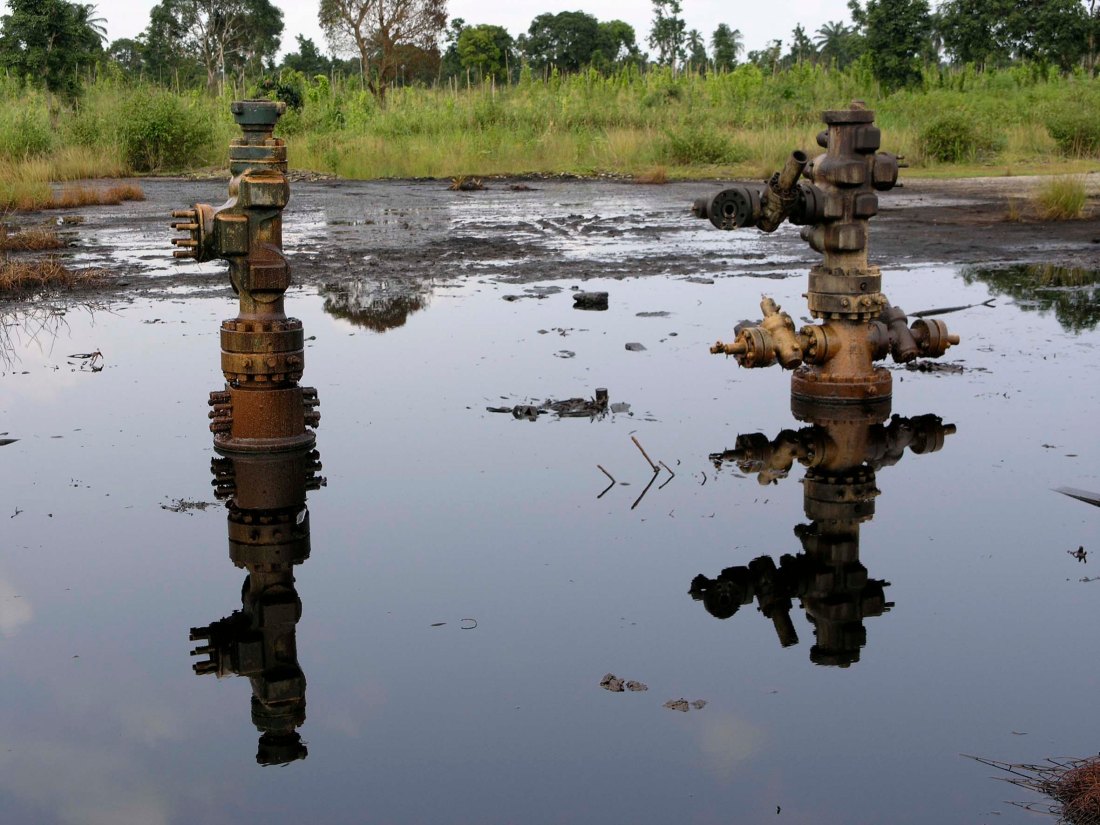
Troops impound stolen products, destroy illegal refining sites in South-South

The Defence Headquarters says the troops of Operation Delta Safe have impounded a large quantity of stolen petroleum products and destroyed many illegal refining sites in the South-South zone in the last one week.

The Coordinator, Defence Media Operations, Maj.-Gen. John Enenche, stated this while giving the weekly update on the activities of the military across theatres of operation on Thursday in Abuja.

To continue reading, please click here.

Source: guardian.ng

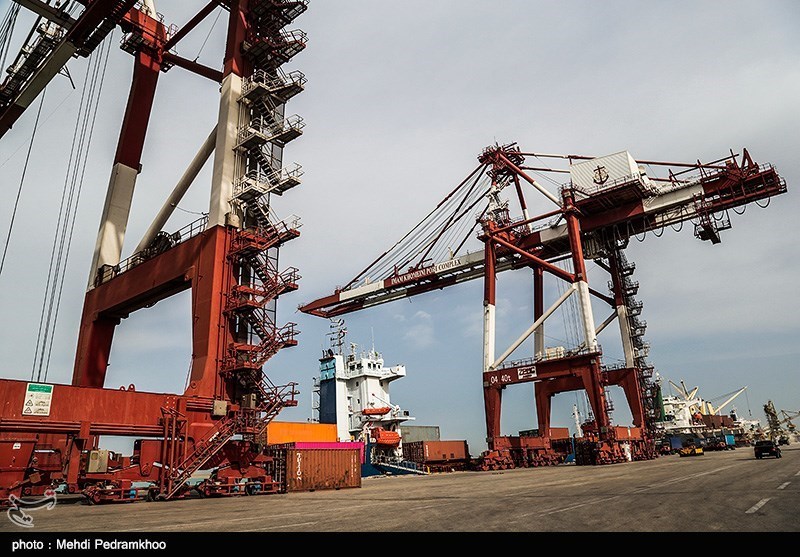
Iranian Ports Operating Normally after Cyberattack

TEHRAN (Tasnim) – The Ports and Maritime Organization of Iran said it has foiled a cyberattack on the electronic infrastructures of the seaports.

The Ports and Maritime Organization of Iran announced in a statement that its information technology experts have thwarted a cyberattack targeting the electronic infrastructures of the Iranian ports.

All missions and activities of the Ports and Maritime Organization are going on normally, the statement added, noting that online services are being provided to prevent any disruption to the freight services or loading and unloading operations even for a moment.

Last month, an official said the export of non-oil commodities in the first half of the current Iranian year via the southeastern port city of Chabahar has risen by 95 percent compared to the corresponding period a year earlier.

Chabahar is the closest and best access point of Iran to the Indian Ocean and Iran has devised serious plans to turn it into a transit hub for immediate access to markets in the northern part of the Indian Ocean and Central Asia.

Source: tasnimnews.com

Iran Says Opposed to Europe’s Military Presence in Persian Gulf

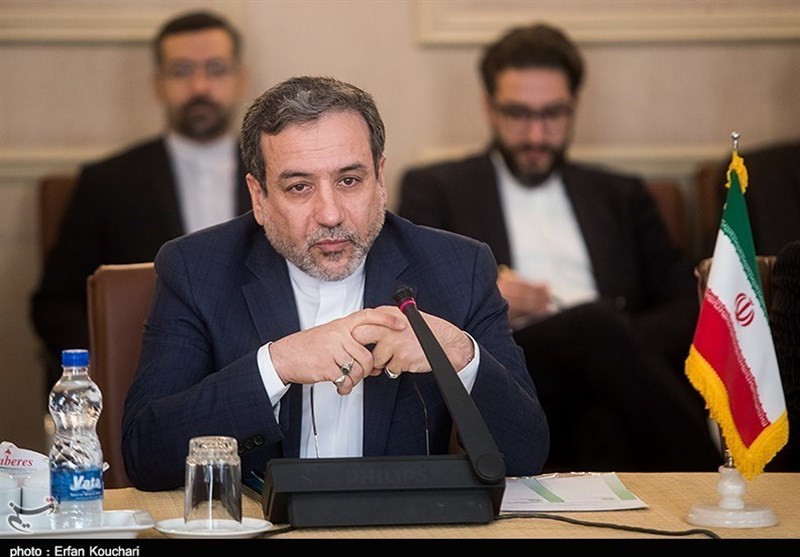
TEHRAN (Tasnim) – Iranian Deputy Foreign Minister for Political Affairs Seyed Abbas Araqchi expressed the country’s opposition to any foreign military presence in the Persian Gulf region, including the presence of European forces.

Speaking in a meeting with the new Danish ambassador to Tehran on Wednesday, Araqchi stressed that the security of the Persian Gulf region should be provided by the countries of the region.

He said the presence of foreign troops will not only not help establish security but will prepare the ground for the escalation of tensions as well.

The Iranian official underlined that Persian Gulf security is an issue of common interest for all regional countries. He said the establishment of sustainable security in the region is contingent upon dialogue and collective cooperation among regional countries and non-interference by foreign powers.

“Therefore, instead of deploying troops and military equipment or selling massive amounts of arms to certain regional countries, Denmark and other European countries had better tackle the root cause of tensions in the region, namely the United States’ destructive and wrong policies in the Persian Gulf region,” he said.

In the meeting, the two sides exchanged views on regional and international developments, fighting terrorism, the situation in the Middle East, the Nagorno-Karabakh crisis and potential for economic cooperation between the two countries.

Source: tasnimnews.com

Maritime security: Navy chief promises stronger synergy with foreign navies

Chief of the Naval Staff (CNS), Vice Admiral Ibok-Ete Ibas has assured that the Nigerian Navy will continue to maintain existing relationships with its partners and work on the same trajectory towards sustaining the gains recorded in securing the Gulf of Guinea.

He said this while playing host to the Italian Ambassador to Nigeria, Stefano Pontesilli at the Naval Headquarters Abuja.

To continue reading, please click here.

Source: blueprint.ng

ISS: East African terror groups are exploiting the seas

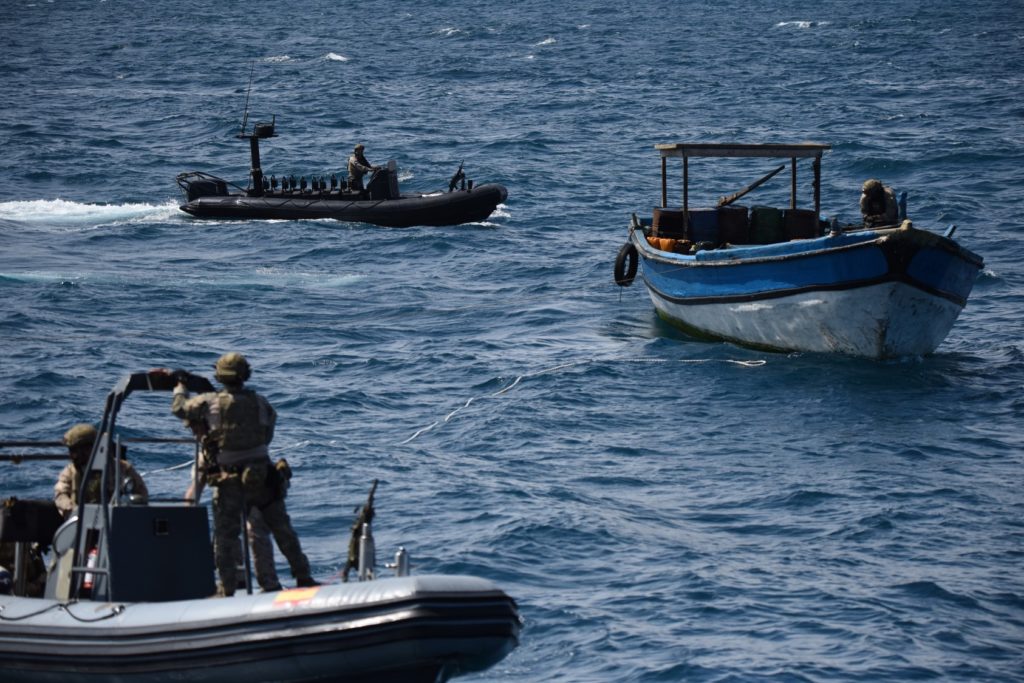
EU NAVFOR Somalia Operation ATALANTA's ESPS Canarias towed the vessel belonging to Somali Navy personnel back to the Somali shore.

Violent extremist groups operating in East Africa such as al-Shabaab, Ansar al-Sunna and the Islamic State in East Africa Somalia (IS-Somalia) are increasingly making use of gaps in maritime security. Counter-terrorism strategies must target this aspect of their operations to stop extremists exploiting Africa’s coasts through attacks, smuggling and extortion.

Terror groups fund a portion of their activities through maritime smuggling that involves drugs, arms and human trafficking. Many violent extremists also exploit resources like sugar, cereals and textiles. Al-Shabaab has been involved in charcoal smuggling since 2011. The group earns an estimated US$7 million a year through maritime crime – enough to ensure its long-term survival and to fund its land-based terror attacks.

To continue reading, please click here.

Source: defenceweb.co.za