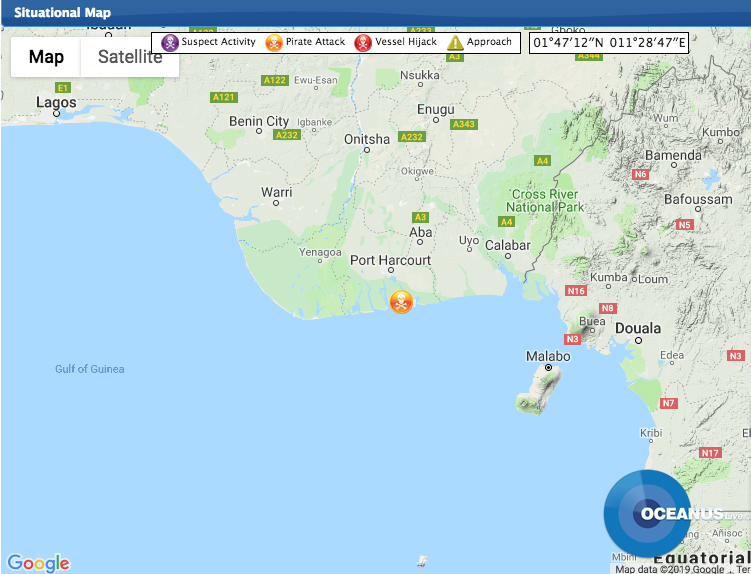
Tanker reported attacked at 0010 UTC in position 04:28N – 007:10E, around 3nm NNE of Bonny LNG Terminal off Bonny Island, Nigeria. Awaiting further details. Reported (MDAT?Source) 20 Apr. Via: OCEANUSLive.org

We cover piracy, armed robbery at sea, IUU fishing, maritime cyber security and maritime security issues.
Tanker reported attacked at 0010 UTC in position 04:28N – 007:10E, around 3nm NNE of Bonny LNG Terminal off Bonny Island, Nigeria. Awaiting further details. Reported (MDAT?Source) 20 Apr. Via: OCEANUSLive.org

The Indian Navy and several other agencies involved in coastal defence and maritime security brainstormed over the outcome of the ‘Sea Vigil’ exercise — the first-of-its-kind multi-agency drill covering the entire 7,516 km-long Indian coastline and exclusive economic zone.
The mega exercise took place on January 22 and 23 with participation of 13 coastal states and union territories along with all maritime stakeholders with an aim to check the efficacy of maritime security and surveillance.
To continue reading, please click here.
Source: business-standard.com
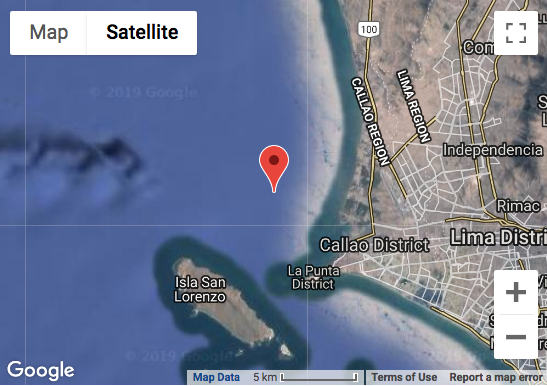
Location detail:Callao Anchorage Narrations:14.04.2019: 0645 UTC: Posn: 12:01.9S – 077-11.2W, Callao Anchorage, Peru.
Five robbers boarded an anchored bulk carrier using a rope attached with a hook. Duty AB on routine rounds was attacked, threatened and beaten. Alarm raised and crew mustered. Seeing the alerted crew, the robbers escaped with the duty AB’s personal belongings. Incident reported to local Authorities who boarded the vessel for investigation.
Via: IMB
Four persons in a speed boat armed with automatic weapons approached an anchored product tanker at 2020 UTC in position 04:28.1N – 007:10.1E, Bonny River Inner Anchorage, Nigeria. Two persons managed to board the tanker and open fire towards the accommodation. The onboard Nigerian naval guards returned fire resulting in the persons retreating into their boat and escaping. Alarm raised, PA announcement made and crew mustered in the citadel. Bonny Signal Station and Nigerian Navy notified. One guard was injured during the shooting and was given first aid by the crew. Two security boats responded and approached the tanker. The injured guard was transferred to a security boat and taken ashore for medical assistance. Remaining crew reported safe. Reported (IMB) 15 Apr.
Via: OCEANUSLive.org

BY JIMITOTA ONOYUME WARRI
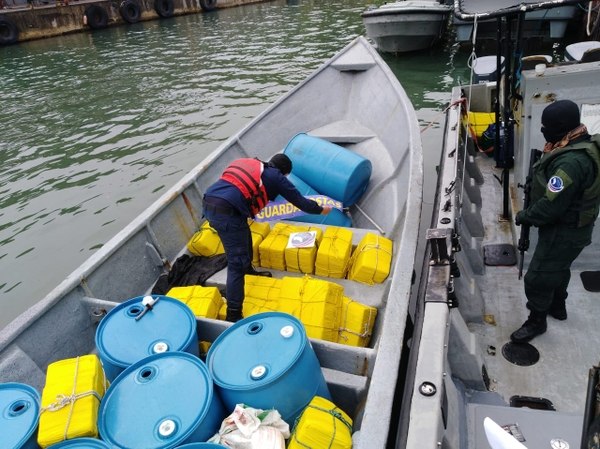
The Nigerian army has smashed one of the biggest camps operated by oil thieves in Delta state, destroying about sixty Cotonu boats, 150 storage tanks, 700 drums used by the oil thieves for their illicit trade.
Commander Sector I, Operation Delta Safe,OPDS, Warri Delta state, Colonel Baba Manu led his men with two swamp boggy into the camp covering about 20 kilometres located between Ogevughe to Otujeremi in Ughelli north local government area
To continue reading, please click here.
Source: vanguardngr.com

By Nurudeen Oyewole
The New Nigeria Foundation (NNF), a civil environmental group focusing on crude oil theft in Niger/Delta, has raised the alarm that the rising crude theft in the region is massively depleting the country’s revenue base and crippling the environment.
NFF Senior Programmes Manager Mrs. Olayide Adesanya told newsmen in Lagos that crude theft had become a hydra-headed monster crippling the socio-economic, environment and economy of the country.
To continue reading, please click here.
Source: dailytrust.com.ng

Piracy attacks off Nigeria’s coast fell to 14 in the first quarter from 22 a year ago after the navy improved its response to incidents, the International Maritime Bureau said.
“These results confirm the Nigerian navy’s increased efforts to actively respond to reported incidents by dispatching patrol boats,” the London-based body that tracks attacks on sea vessels said. “Despite these efforts, Nigerian waters remain risky for vessels, especially the port of Lagos where four incidents have been reported.”
To continue reading, please click here.
Source: bloomberg.com
ReCAAP Information Sharing Centre (ISC) today held its annual Piracy and Sea Robbery Conference to an audience of international maritime stakeholders including shipping and marine insurance companies, regulators and law enforcement agencies, as well as the diplomatic community based in Singapore.
In his keynote address, Mr. Koji Sekimizu, former Secretary General of the International Maritime Organization (IMO) reviewed the history of activities of IMO in dealing with maritime security and anti-piracy actions covering the establishment of ReCAAP, Somali Piracy, the Contact Group in conjunction with UN Security Council decisions, Djibouti Code of Conduct, Best Management Practices, and discussed a number of issues from his wide experience dealing with these matters as UN officer working at IMO and in the wider context of Maritime Governance by UN and IMO.
The conference addressed topics that are currently high on the agenda of the international maritime community including:
“In 2018, there were 76 incidents of piracy and armed robbery reported in Asia. This was a 25% decrease in the total number of incidents and a 31% decrease in actual incidents compared to 2017. Nonetheless, it is important that we continue to reinforce the ownership of the Coastal States in addressing maritime crime, the cooperation between law enforcement agencies and the industry, and the timely reporting by ships, all of which have led to the decrease of incidents in Asia. The topics and speakers of this year’s conference have been designed to reflect the vitality of that shared responsibility,” remarked Masafumi Kuroki, Executive Director of ReCAAP ISC.
“Over the past couple of years, piracy and terrorism in the Sulu and Celebes Seas has been a point of concern for the shipping industry. The valuable counter-piracy lessons learned here, and off Somalia, are worth exploring, and may well be applied in the current piracy hotspot number one: The Gulf of Guinea. The annual ReCAAP ISC conference will surely help us do just that,” said Jakob P. Larsen, Head of Maritime Security at BIMCO.
“The threat from piracy remains, in Asia and also in the Indian Ocean. The Indian Ocean High Risk Area (HRA) continues to serve an important reference in ensuring ships and seafarers are prepared for pirate attacks,” said Tim Wilkins, Environment Director and Regional Manager, Asia-Pacific of INTERTANKO. “A serious threat remains despite the reduction to the area’s geographic boundaries and so correct reporting, vigilance and adherence to the 5th edition of the Best Management Practices to Deter Piracy and Enhance Maritime Security in the Red Sea, Gulf of Aden, Indian Ocean and Arabian Sea (BMP5) remains crucial. Shipowners must remain alert and law enforcement agencies must continue to provide protection to shipping.”
Ambassador Ong Keng Yong, Executive Deputy Chairman of RSIS, highlighted the relevance of the conference, “This annual conference is an important knowledge-sharing platform on risks and threats facing the international maritime community. We discussed piracy and sea robbery as well as relevant emerging technologies, and shared ideas on solving problems affecting ship owners and seafarers. The most useful part of this exchange is on how to work together effectively.”
Source: recaap.org
By FRED OLUOCH
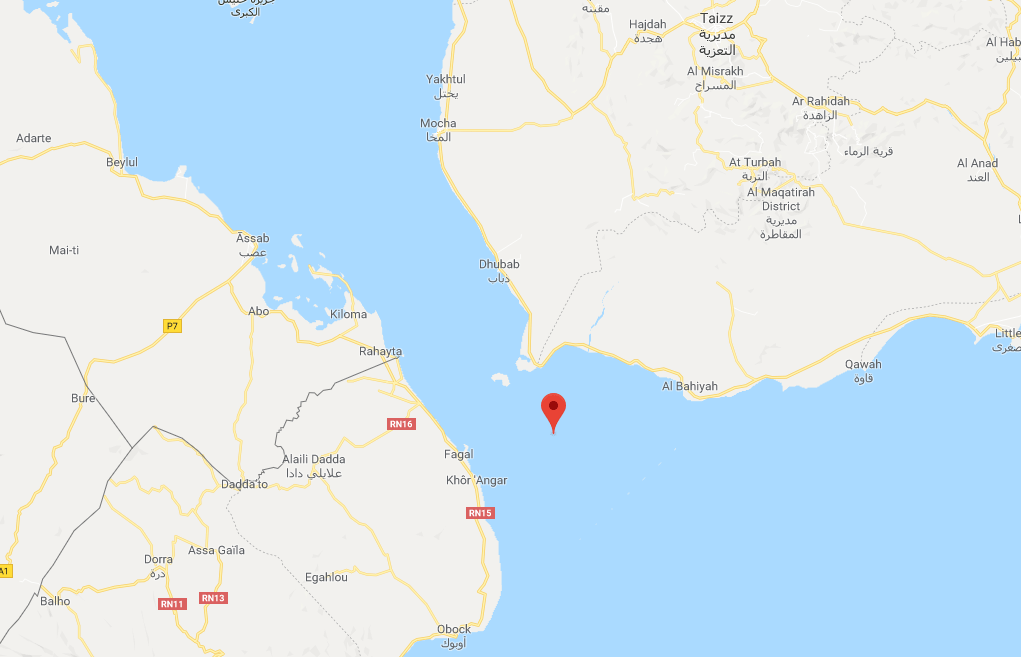
Countries in the Horn of Africa have formed a task force to co-ordinate regional interventions in the face of threats to marine resources and security around the Red Sea and the Gulf of Aden.
The team was formed on Thursday in Nairobi by the Committee of Ambassadors from the Inter-Governmental Authority on Development (Igad) partner states of Kenya, Uganda, Ethiopia, Sudan, Djibouti, Somalia and South Sudan.
To continue reading, please click here.
Source: theeastafrican.co.ke
The International Chamber of Commerce International Maritime Bureau’s (IMB) report for the first quarter of 2019 reveals fewer incidents of piracy and armed robbery against ships than the first three months of 2018.
The IMB Piracy Reporting Centre, a 24-hour, free service offered by the IMB, enables shipmasters to report any incidents of piracy and armed robbery, globally against ships. Since 1991, the IMB Piracy Reporting Centre has provided the industry, government bodies and response agencies with timely data on the location of piracy and armed robbery incidents at sea.
Global trends
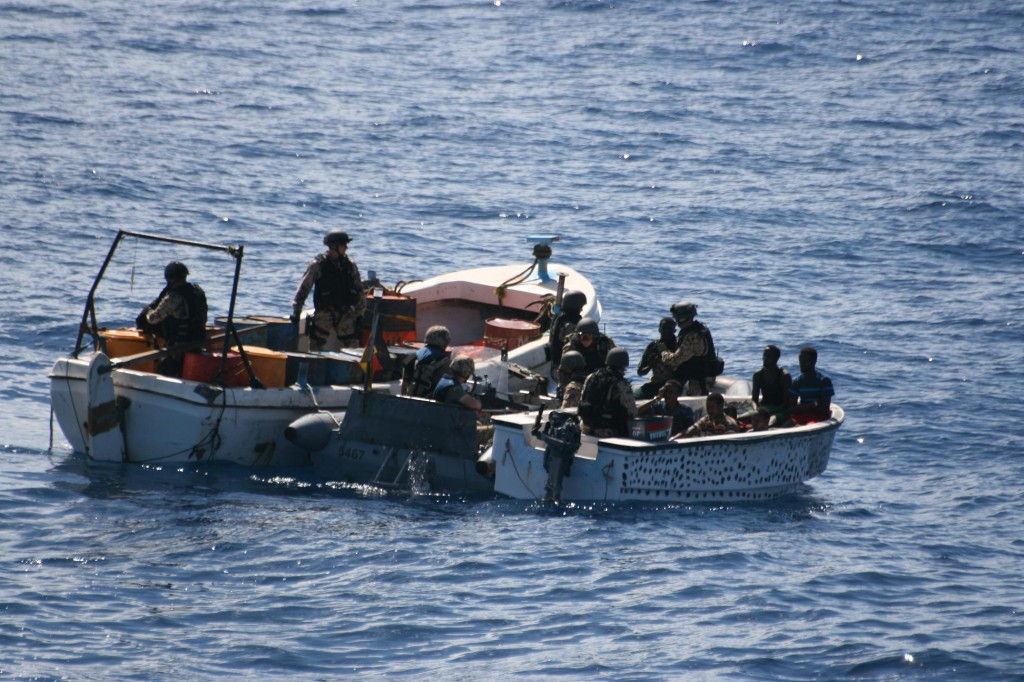
In the first quarter of 2019, IMB reported 38 incidents of piracy and armed robbery at sea, representing 28 fewer incidents than the first quarter of 2018 (66). IMB’s Piracy Reporting Centre detailed that 27 vessels were boarded, seven vessels were fired upon and four attempted attacks occurred in the first quarter of 2019. No vessels were reported as hijacked for the first time since the first quarter of 1994.
“These latest statistics from the IMB Piracy Reporting Centre are encouraging. However, first quarter statistics is too short a period on which to anticipate trends over the year. It confirms the importance of information sharing and coordinated action between the industry and response agencies. Going forward, it is critical to continue to build more effective reporting structures to enable a strong, unified response when dealing with piracy incidents,” said IMB Director Pottengal Mukundan.
High risk in Gulf of Guinea
The Gulf of Guinea represented a high number of piracy and armed robbery attacks at sea, with 22 incidents reported in the first quarter of 2019. The region also accounted for all of the worldwide crew kidnappings as 21 crew members were kidnapped across five separate incidents. Incidents were reported in the coastal countries, of Benin, Cameroon, Ghana, Ivory Coast, Liberia, Nigeria and Togo in the first quarter of 2019.
Gains in Nigeria, but caution urged
Nigeria has been a hotspot for piracy incidents over the past decade. However, in the first quarter of 2019, Nigeria experienced a decrease in reported piracy incidents. Nigeria reported 14 incidents of piracy for Q1 2019, in comparison to 22 incidents in Q1 2018. These results confirm the Nigerian Navy’s increased efforts to “actively respond to reported incidents by dispatching patrol boats,” the report notes. Despite these efforts, Nigerian waters remain risky for vessels, especially the port of Lagos where four incidents have been reported.
Improvements in Asia
In Asia, Indonesia witnessed a decrease in piracy activities for the first quarter of 2019. There were only three incidents reported against anchored vessels in ports in Indonesia – the fewest reported incidents since 2010 – according to the report. As with Nigeria, increased cooperation and information sharing between the Indonesian Marine Police and IMB Piracy Reporting Centre has enabled regular patrols in high-risk areas.
Data sharing remains critical
The declining rate of piracy incidents worldwide in the first quarter of 2019 reinforces the importance of transparency, communication and coordination, between vessels and coastal authorities. By reporting all incidents to the IMB Piracy Reporting Centre and coastal authorities the response can be better organised improving incident response times and prompt advice to vessels aimed at a more optimal use of resources. National governments and coastal authorities can use this data to collaborate and strengthen their piracy prevention efforts.
Source: iccwbo.org
 Maritime Security News