Who Will Help Africa Solve Its Piracy Problem in the Gulf of Guinea?

Maritime piracy has increased off the west coast of Africa, in the Gulf of Guinea, despite preventative measures. The issues lie on land rather than at sea. Is it time for the international community to intervene?

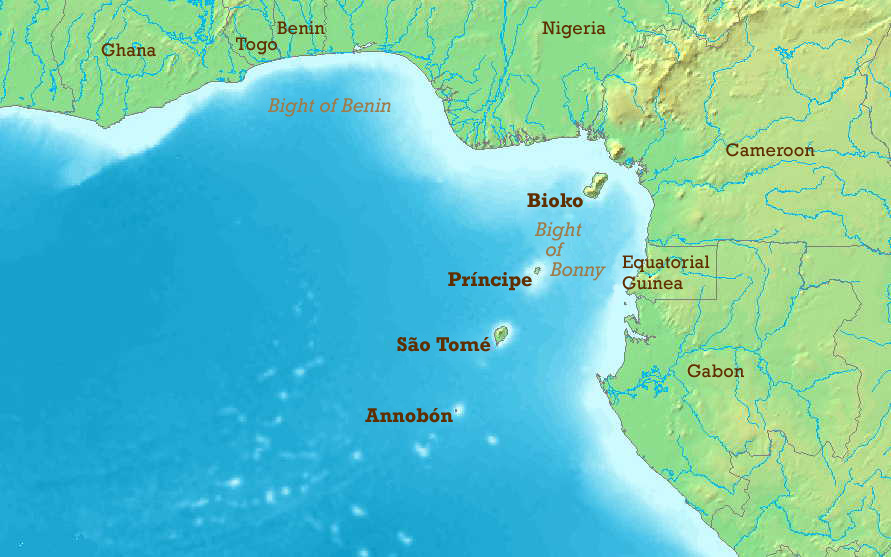
Nine out of 10 maritime incidents of piracy and kidnappings for ransom are reported in West Africa’s Gulf of Guinea, which stretches 5,700 kilometres (3,500 miles) from Senegal to Angola.

As the number of crew members kidnapped by pirates worldwide decreased, the number reported in the Gulf of Guinea increased from 78 in 2018 to 121 in 2019.

To continue reading, please click here.

Source: allafrica.com
South Korea: Navy chief to visit unit dispatched to Strait of Hormuz

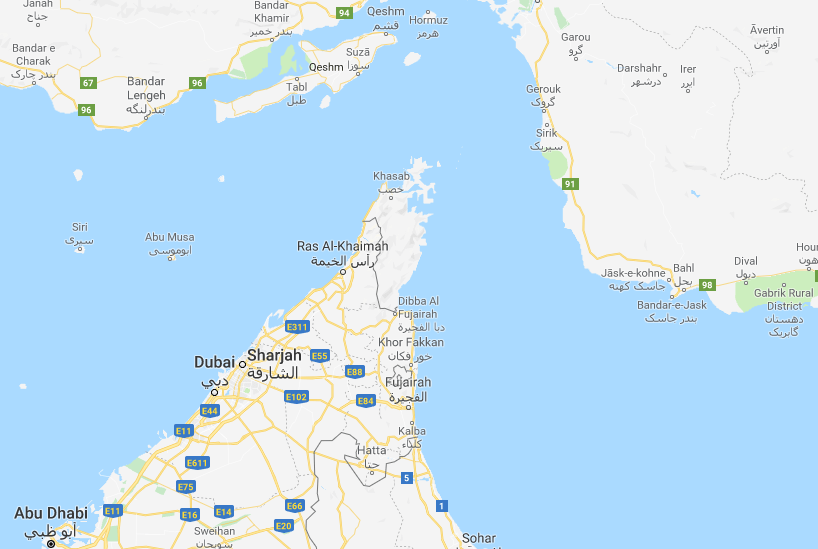
Persian Gulf/SoH

Chief of Naval Operations Adm. Sim Seung-seob will embark on a trip to Oman and Thailand next week and visit an anti-piracy unit deployed to the Strait of Hormuz, the Navy said Friday.

The six-day visit, which will kick off Sunday, is aimed at boosting maritime security cooperation with the two countries and supporting South Korea’s broader pitch to expand exchanges with Southeast Asia, it said.

To continue reading, please click here.

Source: koreaherald.com

Maritime Security in the Asia-Pacific: Measuring Challenges and Progress

Only by seeking to measure maritime security dynamics in uniform and rigorous ways can we begin to understand the scope of the challenges and make progress.

By Jay Benson

In the realm of foreign and security policy, the maritime space is often overlooked. “Sea blindness” is real and it is often reflected in the amount of resources and policy attention paid to maritime security and governance around the world. However, as the maritime space gains attention as a theater for nontraditional security challenges and as space of increasingly important economic potential, so too does the need to empirically measure the scope of the challenges and the progress made in the maritime space. There are a plethora of indices, databases, and empirical reporting available on security and governance issues onshore, which contribute greatly to the understanding of policymakers on these phenomena, but the maritime space has yet to see the same application of empirical methods and analysis.

To continue reading, please click here.

Source: thediplomat.com

Oil theft: Navy hands over 7 Sri-Lankans, 46 Nigerians, two Ghanians to EFCC

By Evelyn Usman

The Nigerian Navy has handed over seven Sri-Lankas, 46 Nigerians and two Ghanaians who were crew members on board seven vessels that were arrested between December 3, 2019, and December 30, 2019, over alleged illegal bunkering, to the Economics and Financial Crimes Commission, EFCC for prosecution.

One of the vessels arrested by operatives of the Nigerian Navy Ship, NNS Beecroft, MT ZEEBRUGGE, in which were the Sri-Lankas, sailed all the way from Morocco to Nigeria, to get the product.

To continue reading, please click here.

Source: vanguardngr.com

Africa’s Maritime Authorities Meet In Accra

The Minister of Transport, Mr Kwaku Ofori Asiamah, has urged the Executive Council of the Association of African Maritime Administration (AAMA) to develop measures that will curb the exploitation of Africa’s fishery sector by foreign fishing companies.

He said the exploitation of Africa’s fishery sector by foreign fishing companies was depriving African governments a valuable source of revenue critical to their economic growth.

To continue reading, please click here.

Source: peacefmonline.com

Royal Australian Navy HMAS Toowoomba starts operations in Middle East

HMAS Toowoomba, via Wikipedia

As part of its mission, the warship will also support the International Maritime Security Construct to ensure freedom of navigation through the Strait of Hormuz.

To continue reading, please click here.

Source: naval-technology.com

Inside Atlas Cove Island of oil thieves

Philip Nwosu

Residents of villages located in the Atlas Cove area of Lagos State recently heaved a sigh of relief following the eviction of some persons suspected to be pipeline vandals from the area by the military.

Over 300 spot of vandalized pipeline were discovered in the long stretch between Atlas Cove and Ilashe village, which according to officials of the Nigerian National Petroleum Corporation (NNPC), could be equated to travelling from Marina to Badagry.

To continue reading, please click here.

Source: sunnewsonline.com

BEL to enhance Indian coastal surveillance system

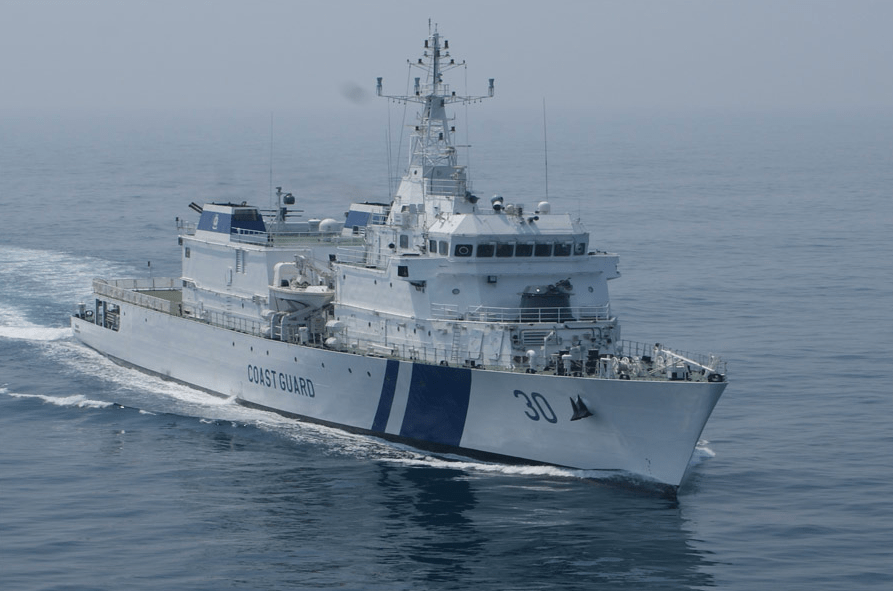
Bengaluru, Feb 10 (IANS): The state-run Bharat Electronics Ltd (BEL) would strengthen the coastal surveillance system for the Indian Coast Guard (ICG) to heighten the country’s maritime security, an official said on Monday.

“The coastal surveillance system will be enhanced with 38 more radar stations and 5 command and control centres along the coastline for the ICG to step-up maritime security,” an official of the city-based defence enterprise told IANS here.

To continue reading, please click here.

Source: daijiworld.com

Extra security for Indian Ocean shipping no longer justified as East African piracy drops

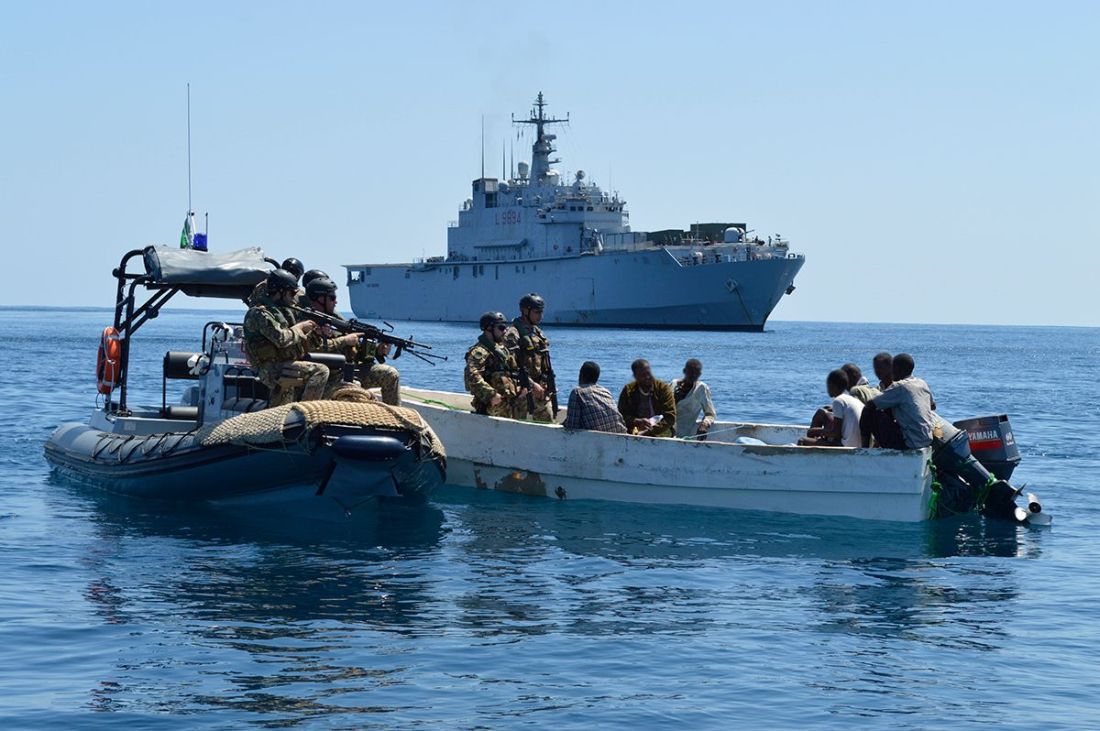
As the threat of piracy off the East Coast of Africa declines, the significant security costs for transits in the Indian Ocean and through the Red Sea are no longer justified, according to risk intelligence firm Dryad Global.

In its annual piracy report for 2019, Dryad said there is little incentive for the insurance industry to remove its premiums that are linked to the piracy threat off East Africa in spite of the reduced threat. “Despite commanding the largest premiums and associated costs of armed guards, the Indian Ocean ranks fourth in maritime crime incidents with less than one fifth of incidents of the most active; West Africa.”

To continue reading, please click here.

Source: defenceweb.co.za

Somalia’s untapped Oil and new petroleum bill creating further divisions

The President of Somalia, Mohamed Abdullahi Farmajo on Saturday signed into law the controversial petroleum bill, paving the way to extraction and exportation of the end products.

For months now, the law had caused divisions with Somalia, with regional states protesting certain clauses which they deem controversial. Jubaland and Puntland have strongly opposed certain provisions where they termed “draconian” and “unreasonable” after a tussle in both houses.

To continue reading, please click here.

Source: garoweonline.com

Design a site like this with WordPress.com
Get started