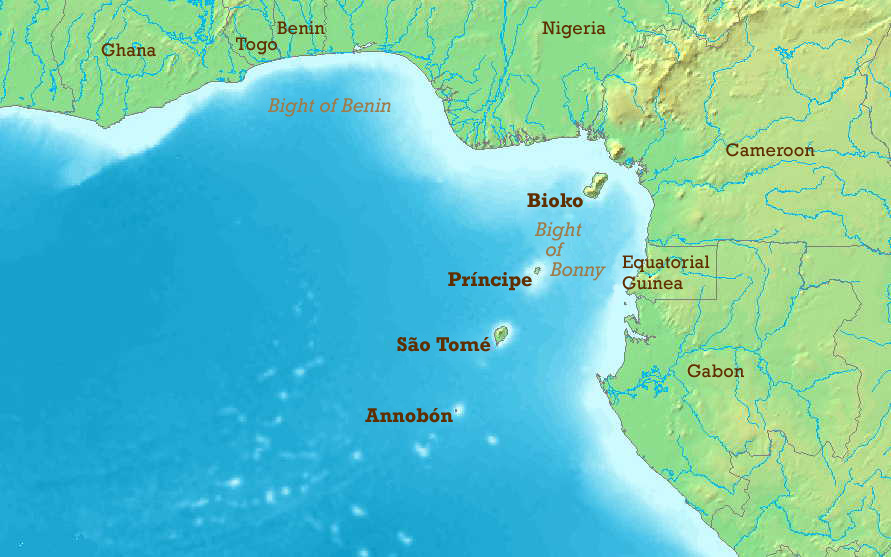
Cargo ship was reportedly attacked in the morning Aug 28 in Gulf of Guinea, SW of Lagos Nigeria. According to tracks of ships in the area, it is most probably, tanker PIKE, en route from Lagos to Rotterdam.
Dr Bashir Jamoh, the Director-General, Nigerian Maritime Administration and Safety Agency, (NIMASA), on Monday said teamwork among agencies was the surest means to securing Nigeria’s maritime domain.
Jamoh made this known in a statement signed by Mr Philip Kyanet, the Head, Corporate Communications, NIMASA. According to him, he visited the Comptroller-General of Nigeria Immigration Service (NIS), Muhammed Babandede, to intensify the quest for cooperation among relevant government agencies in a bid to secure Nigeria’s maritime domain.
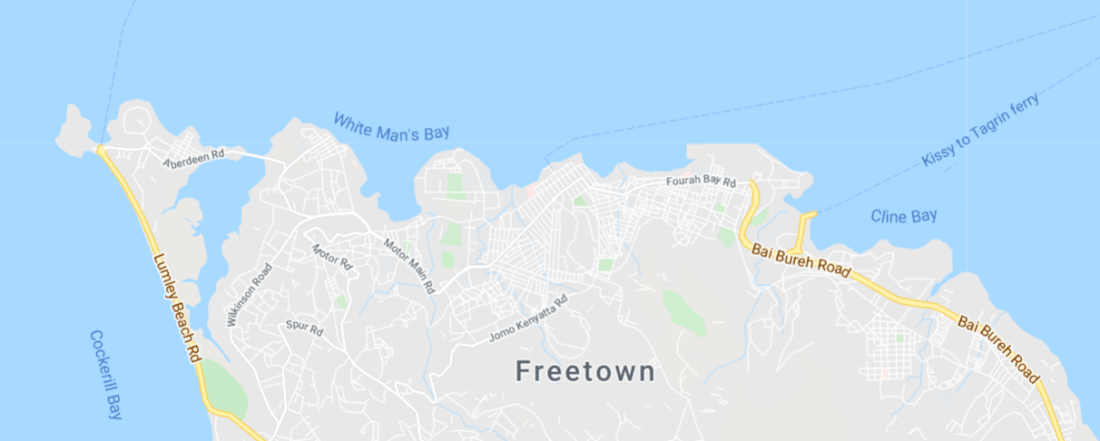
Chinese longliner SHENGHAI2 was attacked by armed persons early in the morning Aug 21 on Freetown anchorage, Sierra Leone. Crew reportedly, tried to thwart an attack with ensuing fight, several crew were injured, including some seriously wounded.
The military, Thursday, said aggressive operations against economic sabotage in the Niger Delta, had resulted in the “deactivation” of 150,000 litres of illegally refined automatuve gas oil (AGO), as well as 943.47 barrels of crude oil.
It noted that the operations that culminated in the feat, were conducted between August 13 and 19 respectively.
The coordinator, Defence Media Operations (DMO), Major General John Enenche, made the disclosure at the Defence Headquarters in Abuja, during the regular briefing to provide updates on ongoing military operations across the country.
While expressing satisfaction with troops’ exploits in the various theatres of operations, Enenche vowed the readiness of the Armed Forces of Nigeria (AFN) to sustain the momentum of operations, to rid the country of crime and criminality.
A group, Vanguard Against Corruption (VAC) has petitioned the Chief of Naval Staff, Ibok Ekwe Ibas, and the Commandant of the Nigeria Security and Civil Defense Corps (NSCDC), Abdullahi Gana Mohammadu, accusing some companies based in the United Kingdom, of of operating illegally on Nigerian water ways.
It alleged that the companies… [names of companies redacted due to potential libel issues] were providing security escort operations to foreign cargo vessels and Tankers entering Nigerian waters, without Naval and NSCDC approvals, and payment of requisite taxes to the Federal inland revenue services.
By Godfrey Bivbere MARITIME Consultant and former general manager of the Nigerian Ports Authority, NPA, Christopher Borha, has said only the establishment of a Coast Guard is the permanent solution to the problem of piracy on the nation’s waters. Borha said that several attempts made in the past to curb the problem of piracy and armed robbery on the nations had failed because the Federal Government is taking the wrong approach.
In an exclusive chat with Vanguard Maritime Report, Borha who is also Head Analyst of C.A. Borha Management and Economic Services, stressed that the personnel for the Maritime Coast Guard should be drawn from the Nigerian Navy, the Marine Command of the Nigerian Police and other government agencies with security responsibilities.
By Cynthia Alo The Director-General of the Nigerian Maritime Administration and Safety Agency (NIMASA), Dr. Bashir Jamoh, has described the conviction of three persons in connection with vessel hijack on the Gulf of Guinea, as a signal that Nigeria is on the right path in the war against piracy and other crimes on the nation’s waterways.
The Federal High Court in Port Harcourt had, two days ago, convicted the persons who were accused of involvement in the hijack of an Equatorial Guinean flagged vessel named, MV ELOBEY VI, off Equatorial Guinea’s coast on March 21, 2020.
A Nigerian court has completed its first ever convictions using the nation’s new anti-piracy law, and the defendents have been sentenced to a five-figure fine. There is a twist, however: according to Nigerian media, the accused are not pirates as traditionally conceived, but rather the local employees and managers of a global private security company.
Last month, nine individuals affiliated with the Lagos branch of a UK-based global security company were charged in connection with the boarding and maritime kidnapping incident aboard the ro/ro ferry Elobey VI. The men were accused of involvement in a criminal conspiracy that resulted in the abduction of three crewmembers from the vessel off Equatorial Guinea on March 21. The captives were released in mid-May after the payment of a $200,000 ransom.
On July 17, 2020, the tanker Curacao Trader was boarded by pirates at a position about 210 nautical miles from Nigerian shores. 13 Russian and Ukrainian seafarers were abducted. Two weeks before, the freighter Kota Budi was boarded about 200 nm from Nigerian shore. What is particularly noticeable about these attacks is the location: when looking at the statistics for 2019, it appears that the average distance of confirmed pirate attacks was 62 nm from shore, with only seven attacks at positions more than 100 nm from shore. In 2020, the average distance of confirmed pirate attacks was 75 nm, and there have already been several pirate attacks at positions more than 100 nm from shore.
Despite the improvement of the regional cooperation demonstrated in the response to the Hai Lu Feng 11 attack in May, despite the arrival of new maritime platforms, despite the use of surveillance systems like the Deep Blue project in Nigeria, it is obvious that pirates are a permanent threat off West Africa. The increase of pirates’ operational range is not a surprise for informed observers. This trend was seen in the Indian Ocean between 2004 and 2010, when Somali pirates reached almost to the west coast of India. This evolution is not due to chance – it’s simply the search for “soft locations,” areas where no means of coercion prevent the act of piracy or react quickly enough to intervene in a boarding or kidnapping. West African pirates thus demonstrate their capacity for adaptation.
The Federal High Court (FHC) Port Harcourt has convicted 3 of nine persons accused of hijacking an Equatorial Guinea flagged vessel on 21 March 2020.
Justice Ishaq Sani summarily convicted the accused on Counts 1 and 2 under the new Anti-Piracy Act 2019 and ordered them to pay a fine of N10 Million Naira each on each of the Counts.



 Maritime Security News