NIMASA partners USA, UK on ship registry

The Director-General of Nigerian Maritime Administration and Safety Agency (NIMASA), Dakuku Peterside, said the agency is partnering with foreign ship registry to reposition the Nigerian Ship Registry (NSR).

Peterside disclosed this in an interview with News Agency of Nigeria (NAN) on Monday in Abuja.

“We are also reforming the Nigeria Ship Registration Office. For a very long time the Nigeria ship registry has not been very competitive, so we are developing a lot of partnerships.”

To continue reading, please click here.

Source: thenewsnigeria.com.ng

Navy to acquire more platforms to fight crime, says CNS

by Blessing Olaifa

The Nigerian Navy (NN) yesterday said it will acquire more platforms, including helicopters and fast interceptor boats, among others, to strengthen its operations in years ahead.

The Chief of Naval Staff (CNS), Vice Admiral Ibok-Ete Ibas, stated this in Abuja, the nation’s capital, while addressing reporters on activities lined up for the 63rd anniversary celebration of the Navy.

To continue reading, please click here.

Source: thenationonlineng.net

Nigeria, others lost $2.3bn to maritime crime in three years – UN report

Tunde Ajaja

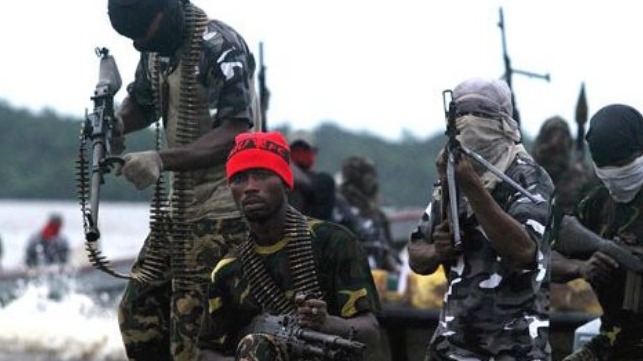
The United Nations Office on Drugs and Crime says the estimated economic cost of piracy to Nigeria and other West African countries between 2015 and 2017 stands at $2.3bn.

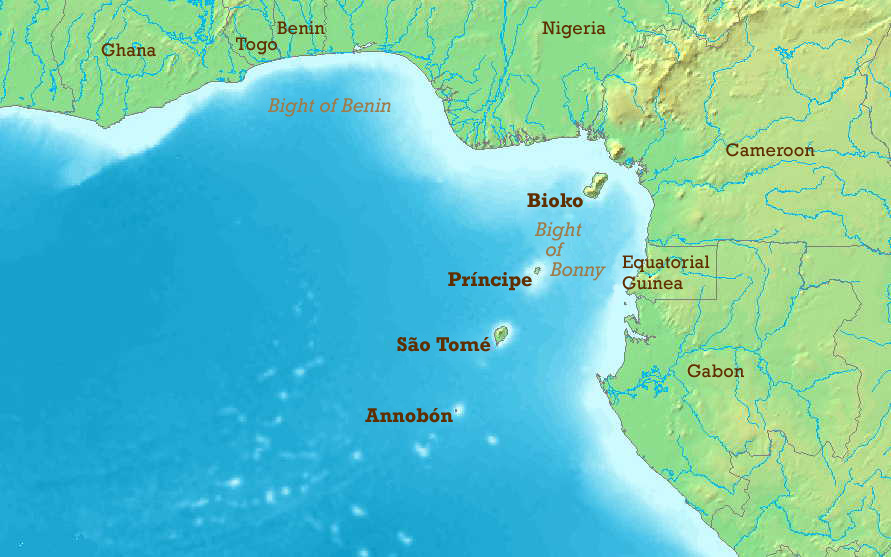
It stated that within the period under review, the sub-region lost about $777.1m to piracy on an annual basis, which it said was in addition to human costs as the Gulf of Guinea experienced an escalation of piracy, kidnapping and armed robbery at sea incidents in recent years.

To continue reading, please click here.

Source: punchng.com

New maritime cyber-security centre launched

Zhaki Abdullah

It aims to strengthen security through early detection, monitoring, analysis, response to potential cyber attacks

The Maritime and Port Authority of Singapore (MPA) has a bulwark against cyber attacks with its new Maritime Cybersecurity Operations Centre, launched officially yesterday.

The centre, which has been operating since last November, aims to strengthen Singapore’s maritime security through early detection, monitoring, analysis and response to potential cyber attacks.

To continue reading, please click here.

Source: straitstimes.com

There Is No Piracy In Nigeria, But Armed Robbery – Bello

The Executive Secretary, Nigerian Shippers Council, Barrister Hassan Bello, says there is no piracy in Nigeria, but what we have are incidences of armed robbery. Bello said the armed robbery incidences and not piracy has been confirmed by the International Maritime Bureau (IMB).

The Secretary in a statement made available to The Tide queried the rational behind foreign shipping lines slamming ‘war risk surcharges’ on Nigerian bound cargoes,
He said the slamming war risk are deliberate extortion of Nigerian importers and creating a wrong impression about Nigeria’s maritime sector.

To continue reading, please click here.

Source: thetidenewsonline.com

Maritime crimes squeeze NIMASA’s revenue

by Onyedi Ojiabor

The Director-General, Nigerian Maritime Administration and Safety Agency (NIMASA), Dr. Dakuku Peterside, yesterday blamed high rate of crime for the revenue shortfall the agency recorded in 2018 fiscal year.

He spoke in Abuja during 2019 budget defence session of the agency before the Senate Committee on Marine Transport. Peterside who made the submission in response to a question on why NIMASA’s contributions to the Consolidated Revenue Fund in 2018 reduced by N6billion noted that maritime crimes was largely responsible for the reduction.

To continue reading, please click here.

Source: thenationonlineng.net

EU, ECOWAS stake $173m to address maritime insecurity

By Oludare Richards

Economic Community of West African States (ECOWAS) and the European Union (EU) have committed €155 million (about $173 million) to address issues associated with maritime insecurity and related clandestine networks of dirty money in West Africa.

The ECOWAS Commission targets the insecurity situation in the Gulf of Guinea, which it said had adverse effect on the health and economic indices of ECOWAS member states.

To continue reading, please click here.

Source: guardian.ng

Yemen war: Houthis withdraw from key ports, says UN

The UN says Houthi rebels have pulled out of three key Red Sea ports in Yemen, in partial implementation of a ceasefire deal agreed six months ago.

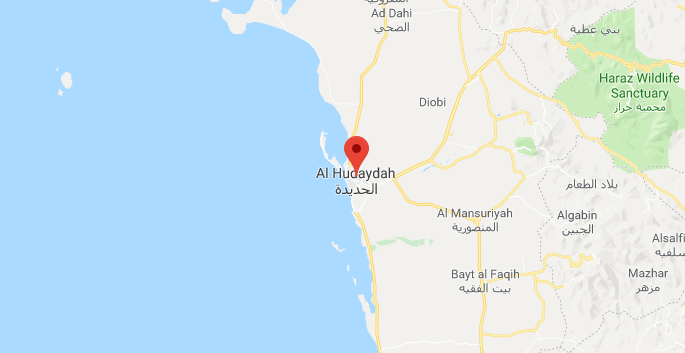
Hudaydah, Salif and Ras Issa were handed over to the coast guard.

The UN said work was still needed to remove trenches, barriers and mines – and to implement the rest of the deal.

The Houthis and pro-government forces, which are backed by a Saudi-led coalition, agreed to leave the ports to allow in vital humanitarian aid.

However, the BBC’s Lyse Doucet says some Yemenis are sceptical about the latest pull-out and accuse the Houthis of leaving fighters in the ports disguised as coast guard personnel.

Yemen’s government has previously warned that the withdrawal would be a rebel “ploy”.

The UN says at least 7,070 civilians have been killed and 11,205 injured in the fighting, with 65% of the deaths attributed to Saudi-led coalition air strikes.

Thousands more civilians have died from preventable causes, including malnutrition, disease and poor health.

About 80% of the population – 24 million people – need humanitarian assistance and protection, and almost 10 million who the UN says are just a step away from famine. Almost 240,000 of those people are facing “catastrophic levels of hunger”.

What does the UN say?

Lt Gen Michael Lollesgaard, head of the UN’s Redeployment Co-ordination Committee (RCC) in Hudaydah, welcomed the Houthi withdrawal from the ports in western Yemen.

He said that since Saturday there had been “very good co-operation” with Houthi commanders and that the UN had been given access to all areas of the ports.

“Today we have together seen the redeployment and we have also agreed that there are a few outstanding issues,” he said.

“There are two minefields in Ras Issa and Salif and trenches in this port [Hudaydah] that need to be removed.”

He urged all sides to help implement the next stages of the peace deal.

Why is Hudaydah important?

Hudaydah port is the main lifeline for two-thirds of Yemen’s population and its closure has had a devastating impact.

Under the local ceasefire deal brokered by the UN in Stockholm last December, the warring parties agreed to redeploy their forces from Hudaydah city and the ports of Hudaydah, Salif and Ras Issa.

The Houthi withdrawal marked the first major step in bringing that ceasefire agreement into being.

Pro-government forces have twice tried to seize the port, and accuse the Houthis of using it to smuggle in weapons from Iran. The rebels and Tehran both deny these accusations.

Source: https://www.bbc.co.uk

UK War Risks Club says investigating Fujairah ship sabotage incident

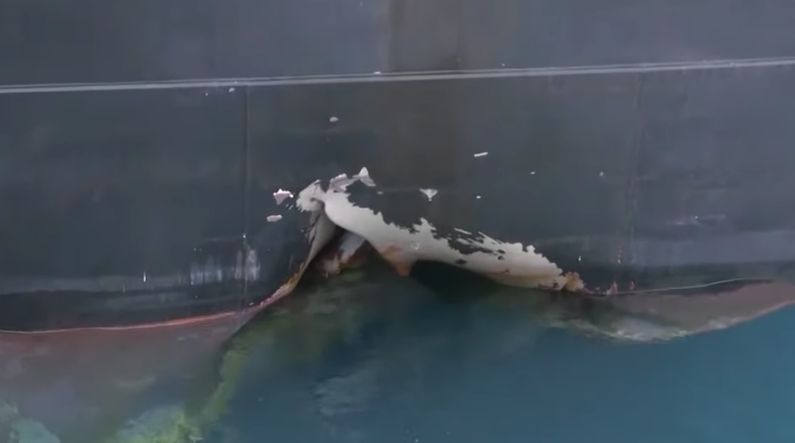
The UK War Risks Club, which provides specialist insurance for ships, is investigating the incidents of sabotage of vessels in Fujairah port over the weekend and has not decided on additional premiums for the region, a company executive said Monday.

The club, managed by insurance provider Thomas Miller, is one of the providers of marine Protection and Indemnity or P&I insurance, including additional war risks insurance for incidents like civil war, piracy or other disturbances.

To continue reading, please click here.

Source: hellenicshippingnews.com

Image shows damage done to Andrea Victory.

Better prepared for maritime security incidents

Suriname is the latest country to benefit from IMO maritime security training. Participants at a workshop in Paramaribo, Suriname (7-8 May) took part in table-top contingency planning exercises involving a variety of maritime security issues. These included threats to cruise ships, border security issues involving ports, airports and land border crossing, as well as potential incidents involving proliferation of weapons of mass destruction, and arms and drugs consignments.

The main objective of the exercise was to encourage a multi-agency, whole of government approach to maritime and port facility security and related maritime law enforcement issues – with participants working to identify gaps in national procedures or legislation, opportunities for improvement, and further needs for training or technical assistance.

The exercise took place following a request by Suriname to assist the country in strengthening its implementation of UN Security Council Resolution 1540 (2004) – specifically those that fall within the scope of IMO’s SOLAS chapter XI-2 and the ISPS Code and/or the 1988 and 2005 SUA treaties (click for details of these treaties).

The workshop was organised in collaboration with the United Nations Regional Centre for Peace, Disarmament and Development in Latin America and the Caribbean (UNLIREC).

Source: imo.org