Maritime security training for Trinidad and Tobago

Trinidad and Tobago is the latest IMO Member State to receive maritime security training. A self-assessment and audit training workshop took place in in Port of Spain, Trinidad (23-27 September).

Participants were trained in self-assessing how two key IMO maritime security instruments – SOLAS Chapter XI-2 and the International Ship and Port Facility Security (ISPS) Code – are implemented at the port facility level. This is done using established, industry-standard IMO and ISO procedures to identify areas for improvement.

The course addressed outcomes of a previous workshop on ISPS Code responsibilities delivered by IMO in Port of Spain last year.

The workshop included theoretical lessons for participants to understand the certification process involved in obtaining the Statement of Compliance of a Port Facility, presentations on audit processes and techniques, and practical exercises on role playing the review of a port facility security plan.

Source: imo.org
Counter-Piracy Task Forces work together to deter piracy at sea

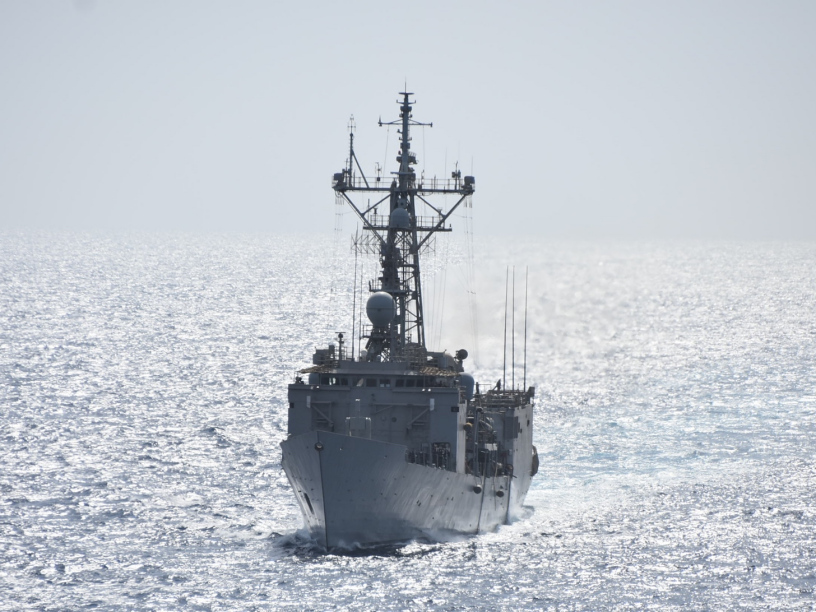
Warships from three nations have taken part in a counter-piracy surge operation, led by Combined Task Force (CTF) 151 in the Gulf of Aden. The operation was part of the Republic of Korea-led CTF 151’s mission to deter piracy and to contribute to wider maritime security in the region by focusing shared resources and assets over a prolonged period.

Collaboration between CTF 151, EUNAVFOR’s counter-piracy Task Force and the Japan Maritime Self-Defence Force ensured maximum response and support to the operation. A Japanese Maritime Patrol and Reconnaissance Aircraft also took part.

The ships ROKS Daejoyeong, ESPS Navarra and JS Asagiri worked together in conducting Maritime Awareness Calls to engage with local mariners and increase their understanding of the Combined Maritime Forces and CTF 151 role.

Captain Andrew Rose, Royal Navy, Deputy Commander of CTF151, said: “Operations such as this help to build partnerships and interoperability among the various stakeholders involved in counter-piracy. It also helps to build friendships and understanding amongst mariners to increase maritime security and suppress piracy.”

The long term aims of counter-piracy stakeholders are to deter and disrupt piracy by working together; to enhance information sharing and to engage with regional partners, the merchant shipping community and local mariners.

Source: combinedmaritimeforces.com

Thales’ Gecko system to combat pirates in the Caribbean

David Ing, Madrid – Jane’s Navy International

The Jamaica Defence Force is to acquire a Thales Gecko electro-optical tracking sensor system as part of a wider national programme to counter sea pirates, the company announced on 30 May.

The system will be used in conjunction with the Coast Watcher 100 radar, which is also being supplied by Thales, to help protect against “contraband operations in difficult scenarios”, including monitoring in high seas and heavy rainfall conditions, and providing additional cover from low-altitude air threats.

To continue reading, please click here.

Source: janes.com

Sabah sea curfew extended yet another two weeks

KOTA KINABALU: Sabah’s dusk-to-dawn sea curfew which ends today (May 10) will be extended for another two weeks until May 26 (Sunday), says Police Commissioner Datuk Omar Mammah.

He said the extension of the 6pm-to-6am curfew  was needed due to continuous threats from cross-border criminals, including from kidnap-for-ransom groups.

To continue reading, please click here.

Source: thestar.com.my

Abu Sayyaf Group

Task force to co-ordinate regional interventions

By FRED OLUOCH

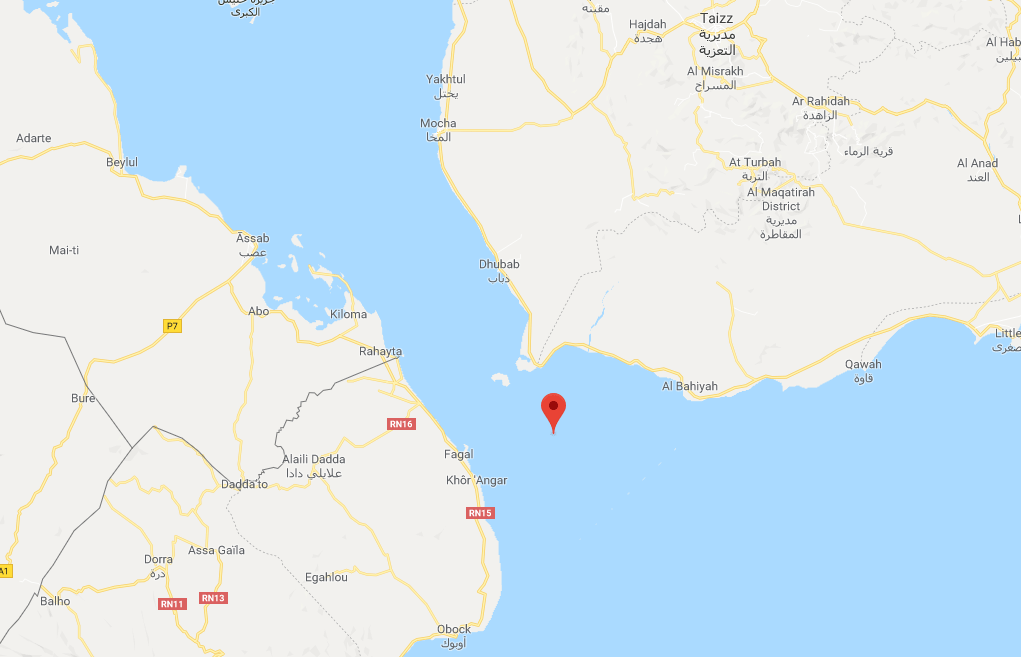
Countries in the Horn of Africa have formed a task force to co-ordinate regional interventions in the face of threats to marine resources and security around the Red Sea and the Gulf of Aden.

The team was formed on Thursday in Nairobi by the Committee of Ambassadors from the Inter-Governmental Authority on Development (Igad) partner states of Kenya, Uganda, Ethiopia, Sudan, Djibouti, Somalia and South Sudan.

To continue reading, please click here.

Source: theeastafrican.co.ke

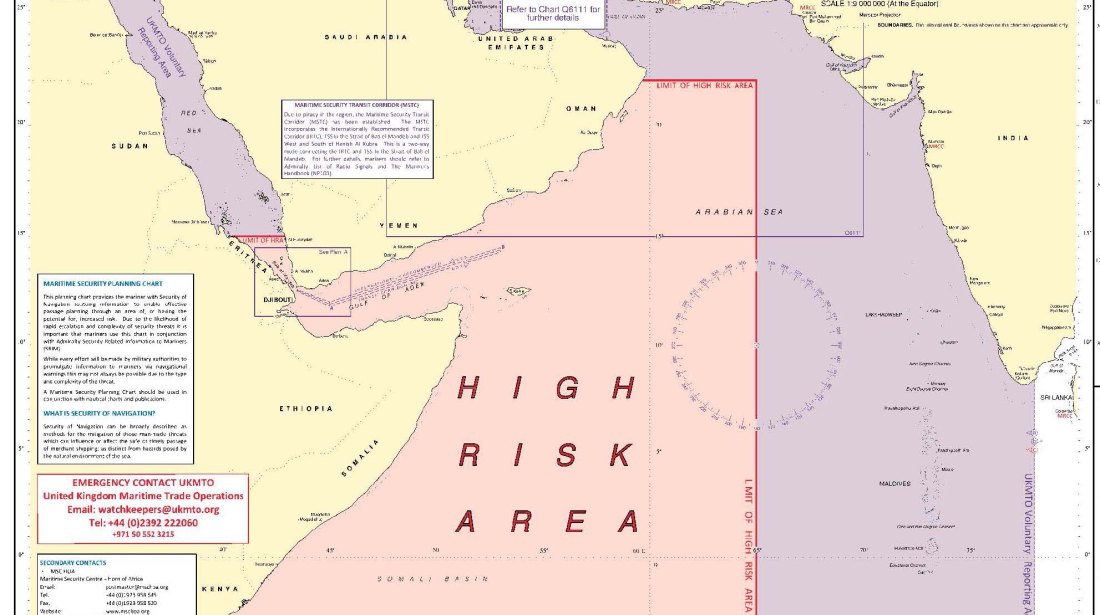
Boundaries of Piracy High Risk Area Reduced

The geographic boundaries of the ‘High Risk Area’ for piracy in the Indian Ocean have been reduced.

An industry group of shipping and oil industry organizations BIMCO, International Chamber of Shipping (ICS), INTERCARGO, INTERTANKO and the Oil Companies International Marine Forum (OCIMF) are responsible for setting the High Risk Area, and they emphasize that a serious threat remains despite the reduction to the area’s geographic boundaries and that correct reporting, vigilance and adherence to 5th edition of the best management practice (BMP5) remains crucial.

To continue reading, please click here.

Source: maritime-executive.com