Covid-19 and the threat to maritime and port security

As the UK becomes the latest country to adopt a policy of restricted movement for its citizens, following (at least two metres behind) France, Spain and Italy in Europe, it’s important that we do not lose sight of the risks this presents.

Criminals and non-state threat actors do not necessarily follow health warnings and lockdown measures. If anything, they thrive in an environment like that. One example would be during WWII in the UK, where the German bombing of London turned the city into a criminals’ playground. During the four months of the London Blitz from September to December 1941, a total of 4,584 cases of looting were heard by the Old Bailey court, for example.

Organised crime and the black market flourished, and we should expect something similar to occur in maritime crime hot spots and High Risk Areas.

Over the weekend, seven crew were kidnapped in the Gulf of Guinea, which underlines the risk. In the coming weeks, we should expect further incidents and, should food and energy supply lines be further affected by the pandemic, port and terminal security should be stepped up to mitigate any risk at ports from criminal gangs. It is likely that oil theft will increase in the Delta, although the Nigerian Navy is already making efforts to mitigate this.

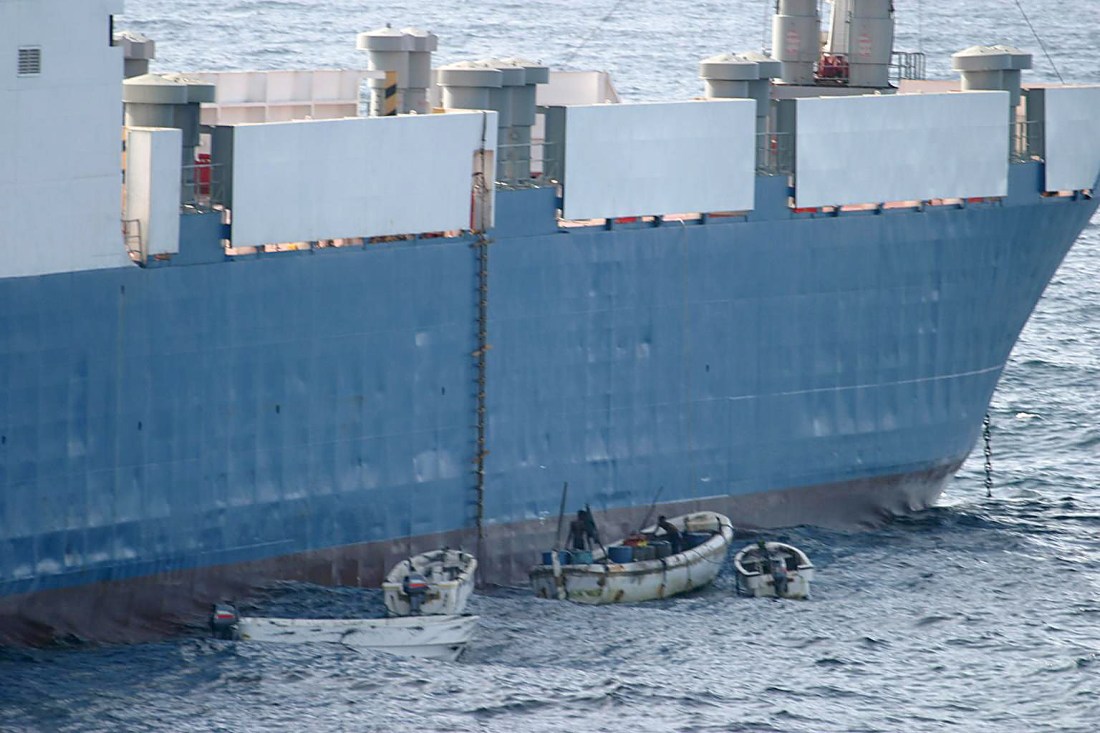
In the Indian Ocean, the risks presented by Somali pirates remain low, but still present. An increase in Covid-19 cases in the country could potentially lead to further economic issues which will then drive criminals on to the water to look for ‘easy’ money. Combine this with the current issues being experienced by maritime security companies trying to embark armed security teams and it’s easy to see just how badly wrong things could go.

Organised criminal gangs will be aware that regional and international naval forces will have difficulties with crew rotations, bunkering etc. and may choose to exploit the situation by increasing smuggling operations in the Arabian Sea.

In Yemen, Houthi rebels, already making their presence felt in recent weeks with SVBIEDs (boat bombs), may attempt to disrupt crucial shipping lanes in order to focus world attention on their plight.

It’s a long list of maybes. But mitigation and prevention should be a paramount concern for anyone involved in maritime security.

Finally, thank you all for continuing to support the blog. We’ve had a sharp increase in readers from around the world, and I appreciate your support, even if I’m not in a position to earn any money from this (and that would be rather useful at the moment, as I’ve also lost earnings due to the virus).

Keep well, keep apart and stay safe.
Pirates kidnap seven crew from MSC boxship off Gabon

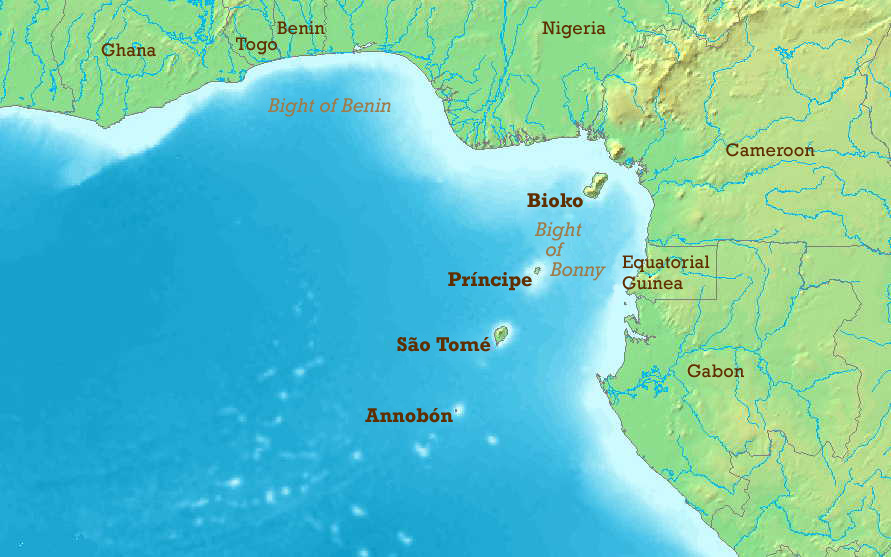
Seven crew members onboard container vessel MSC Talia F have been kidnapped by pirates in the Gulf of Guinea, off the coast of Libreville, Gabon.

The 2015-built, 957-teu MSC Talia F, carrying 17 seafarers, is believed to have been en-route from Lome, Togo to Port Libreville, Gabon at the time of the pirates’ boarding, according to Dryad Global Maritime Security.

To continue reading, please click here.

Source: seatrade-maritime.com

COVID-19 impacting maritime security

The COVID-19 coronavirus will have a profound impact on commercial and security trends within shipping this year, and efforts to mitigate maritime crime in West Africa will be hampered if the virus continues to spread.

This is according to Dryad Global, which said the emergence of COVID-19 as a severe global public health issue has created significant ramifications, including economic disruption and the threat of a global recession, logistical complexities, geopolitical considerations, and security issues.

To continue reading, please click here.

Source: defenceweb.co.za

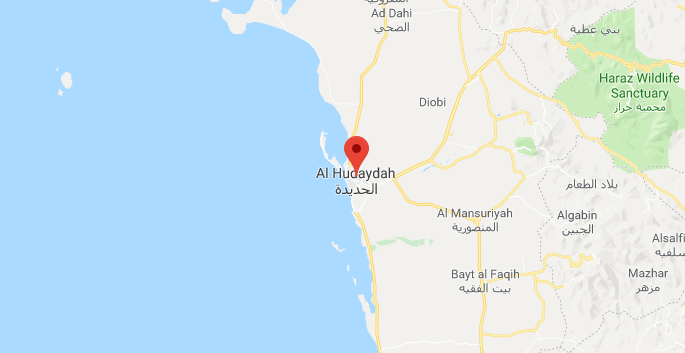
Arabs Push Yemen’s Houthis to Allow UN to Assess Oil Tanker

Six Arab countries are urging the UN Security Council to exercise “maximum efforts” to persuade Yemen´s Houthi militias to allow the United Nations to inspect a tanker moored in the Red Sea while loaded with over a million barrels to prevent “widespread environmental damage, a humanitarian disaster, and the disruption of maritime commerce.”

In a letter to the council circulated Thursday, they warned that in the event of an explosion or leak “the possibility of a spill of 181 million liters of oil in the Red Sea would be four times worse than the oil disaster of the Exxon Valdez Exxon, which took place in Alaska in 1989.”

To continue reading, please click here.

Source: aawsat.com

Court Jails 11 Oil Thieves in Lagos to One Year Each

The Economic and Financial Crimes, EFCC, Lagos Zonal office, today, March 19, 2020 secured the conviction of eleven oil thieves alongside their Vessel, MT Jonko , before Justice Rilwan Aikawa of a Federal High Court sitting in Ikoyi, Lagos.

The convicts are Umoh Akaninyene Clement, Moses Ogbodu, Ignatius Okereke, Valentine Amaegberi, Victor Egbowon, Emmanuel Bassey, Ademola Olasode, Sule Godwin Anyebe, Oyelami Akeem Oloyede, Otuagoma Emmanuel and Anthony Orhieoghenebruru.

Justice Aikawa found them guilty on all three counts and sentenced each one to one year Imprisonment on each count. The sentence is to take effect from their day of arrest. The judge also ordered the forfeiture of a vessel, MT Jonko, laden with 450 Metric tons of Crude Oil to the Federal Government of Nigeria.

The Judge also imposed a fine of Six Hundred Thousand Naira (N600, 000. 00) on each of the convicts.

The convicts were first arraigned on three counts of illegal oil dealing on March 4, 2020 and they pleaded not guilty to the charge.

However, at today’s sitting, the defence counsel, O.J Aruwayo informed the court that his clients will like to change their plea.

The charge was read to them and they all pleaded guilty.

In view of their plea, the prosecution counsel, Bilkisu Buhari called a witness to review the facts of the case before the court.

Led in evidence by the prosecution counsel, Moses Awolusi, an operative with the EFCC, told the court that on the 24th of December 2019, the commission received a letter of notification from the Nigerian Navy, NNS Beecroft notifying them of the arrest of eleven oil thieves and a vessel, MT Jonko. He said that they were arrested on December 12, 2019 with 450 metric tons of crude oil on board the vessel.

Moses also narrated to the court that on the 3rd of January, 2020, his team proceeded to the vessel with officials of Department of Petroleum Resources, DPR and some naval personnel to take samples of the products on the vessel in the presence of the convicts and same was forwarded to the laboratory for analysis.

He then told the court that letters of investigation activities were sent to the Department of Petroleum Resources, DPR and Nigeria Maritime Administration and Safety Agency, NIMASA to ascertain if the vessel had a license to deal in petroleum products and if they had a permit to sail on Nigerian Waters and responses were received.

Awolusi revealed that the responses showed that the convicts did not have a license to deal in petroleum products.

One of count reads: “That you MT Jonko, Umoh Akaninyene Clement, Moses Ogbodu, Ignatius Okereke, Valentine Amaegberi, Victor Egbowon, Emmanuel Bassey, Ademola Olasode, Sule Godwin Anyebe, Oyelami Akeem Oloyede, Otuagoma Emmanuel and Anthony Orhieoghenebruru on the 21st of December, 2019 within the jurisdiction of his Honourable Court, conspired amongst yourselves to commit an offence to wit: dealing in 450 Metric Tonnes of petroleum product without appropriate license and you thereby commited an offence contrary to Section 3(6) of the Miscellaneous Offences Act, Cap M17, Laws of the Federation of Nigeria 2004 and punishable under Section 1(17) of the same Act.”

Tony Orilade Acting Head, Media & Publicity

Source: prnigeria.com

MDAT-GoG reports pirate attack and attempted boarding

WARNING 002/MAR/2020 UPDATE 1

1. Category: ATTEMPTED BOARDING

2. Description: An MV has been attacked in position 03°40N – 009°25E (Douala Anchorage, CAMEROON) the 19th of March, 2020 at 23:45 UTC by 8 armed people in a boat. The attack is finished and MV and crew were reported safe. This incident is now classified as an ATTEMPTED BOARDING.

Mariners are advised to exercise extreme caution in this area.

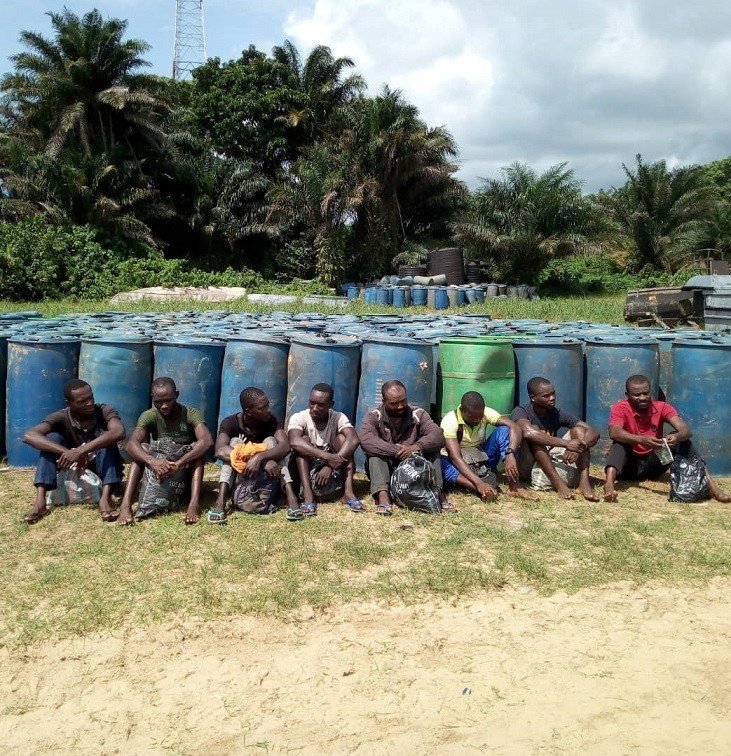
Navy Captures 4 Oil Thieves With 204 Drums Of Diesel

By

No fewer than four oil thieves have been captured by officers and personnel of the Nigerian Navy with 204 drums of diesel, which was being smuggled to Cameroon.

The naval team intercepted the thieves while they were on their way to neighbouring Cameroon. The suspects include;  Okon Asuquo Okon, Unwana Etim Nkereuwem, Ndundu Bassey Entom and Victor Etim Effiok.

To continue reading, please click here.

Source: leadership.ng

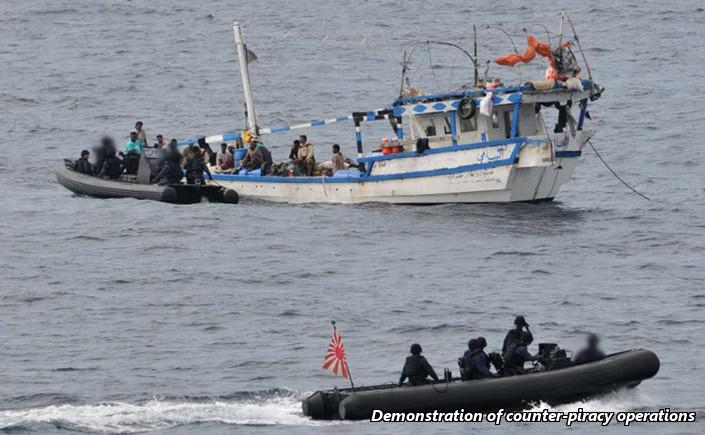
Counter-Piracy Operations by Japanese Self-Defense Force

MSDF. Image via Japan MoD

For Japan and the international community, the waters off the coast of Somalia and the Gulf of Aden are extremely important sea lanes.

In response to the piracy incidents in the area, Ministry of Defense (MOD) and Japan Self-Defense Forces (JSDF) takes measures for counter-piracy operations.

To continue reading, please click here.

Source: sldinfo.com

‘Surveillance contractors encouraging crime’

Nicholas Ogunde

Bayelsa State Governor Douye Diri has called on the Federal Government to review all oil surveillance contracts in the state as it was encouraging crime. Diri spoke when the House of Representatives Committee on Navy visited him in the Government House in Yenagoa.

The governor, who was represented by his deputy, Lawrence Ehwrudjakpo, said: “We want the Federal Government, including the Senate and House of Representatives to look into this surveillance contracts because the contractors are encouraging crime.

To continue reading, please click here.

Source: thenationonlineng.net

COVID-19 travel restrictions to impact on armed guards on ships

As the situation with COVID-19 novel coronavirus continues to evolve, states are increasingly taking measures to restrict the movements of personnel into and within their borders. A number of states have effectively closed their borders to people coming from perceived high-risk areas. These travel restrictions are placing a considerable logistical burden on the wider shipping industry and are very likely to increase as time goes on.

With such an evolving situation, there is a corresponding increase in uncertainty, according to Dryad Global. An example of this was seen in the recent decision by Sri Lanka to close its border to people coming from several countries, which led to potentially significant disruption in the embarkation and movement of Armed Security Teams (ASTs). With the corresponding confusion, Private Military Security Companies (PMSCs) were required to find alternative embarkation points for weapons and teams, and shipping companies faced increased ambiguities around the provision of security teams and potentially significantly increased costs. Whilst the ban on AST embarkation at Galle has since been lifted, Dryad assesses that while the situation evolves at pace, this decision will be under continuous review. At the time of writing Malaysia, which was a proposed alternative embarkation and disembarkation point, has significantly restricted foreign access.

To continue reading, please click here.

Source: defenceweb.co.za