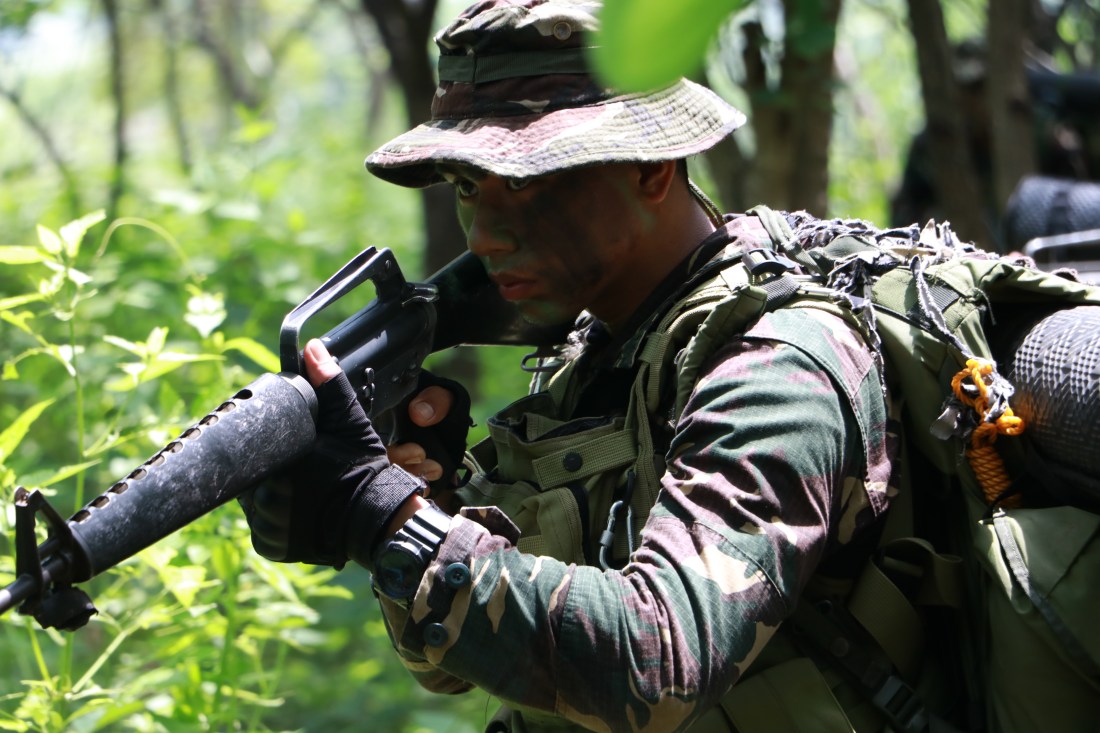
More military equipment will be deployed in Sulu to help ground forces defeat Abu Sayyaf bandits and neutralize foreign terrorists hiding on the island.
Armed Forces chief Gen. Noel Clement announced during his visit to the Western Mindanao Command last week the acquisition for the Light Armor Battalion of additional C-130s and the arrival of a C295 personnel transport plane, attack helicopters, a Navy warship and armored tanks, which are equipped with sophisticated weapon systems that can hit long-range targets, Lt. Gen. Cirilito Sobejana, Westmincom chief, said.
The Bonita had been anchored off Benin for several days, waiting for a berth in the port of Cotonou. On November 2, 2019 the crew had a traumatic awakening. Armed men boarded the vessel and kidnapped nine crew members. Only two days later, four seafarers were kidnapped from the Elka Aristotle, which was anchored off Lomé in neighbouring Togo.
Unfortunately, these were not the only attacks off the coast of West Africa in which seafarers were kidnapped. Nevertheless, the patterns are changing, with gradual signs of improvement. In addition, attacker success rates in the region have declined from 80% over ten years ago to just under 50% in 2018.
To continue reading (and you should, because Dirk knows this subject), please click here.
‘Attack’ on ship towing South Korean drilling rig threatens vital shipping routes, Saudi spokesman says.
The Saudi-led coalition fighting in Yemen said Iran-aligned Houthi rebels hijacked a vessel south of the Red Sea.
Saudi Arabia‘s state-run Saudi Press Agency quoted coalition spokesman Colonel Turki al-Malki as saying on Monday that Houthis seized the ship while it was towing a South Korean oil drilling rig on Sunday.
MaritimeSecurityNews: This is a significant roll of the dice by al Houthi rebels. As war weariness sets in on both sides, it has been suggested that this incident is an attempt by Houthis to show Saudi Arabia how difficult it can still make life for them. South Korean media outlets have suggested that three vessels were hijacked/seized by Houthi rebels and have dispatched their anti-piracy Cheonghae unit to the region, which will focus minds in Yemen, given their reputation.
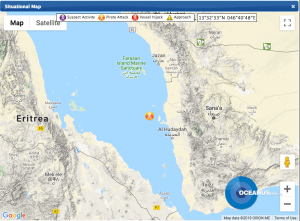
Maritime security in the Red Sea remains perilous, with Iran reporting attacks which are unverified independently and the ongoing threat posed by Houthi naval mines and SVBIEDs. A persistent threat to a major shipping lane will not go unchallenged by other countries in the region as well as the USA. I hope the al Houthis appreciate just how risky this gamble may prove to be. Image below via OCEANUSLive.org, who carry the initial UKMTO report.
India and Oman will conduct the 12th edition of bilateral maritime exercise ‘Naseem Al Bahr’ in the Arabian Sea next month, as both countries are aiming to further increase interoperability between the two navies and enhance maritime security.
The scope of Naseem Al Bahr this year will include besides professional interactions, operational activities at sea across the spectrum of maritime operations.
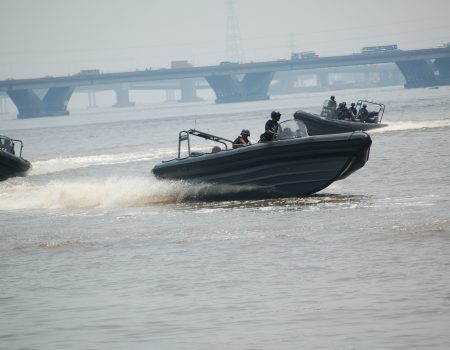
West African states’ failure to coordinate their response to piracy off their coastline is the main reason attacks are persisting, Togolese President Faure Gnassingbe said.
Seaborne assailants boarded two vessels off the coast of Togo and neighboring Benin earlier this month.
MANILA, Philippines – Backdoor entry through the Philippines southern border has made the country susceptible to threats from foreign terrorists.
Thus, the Armed Forces of the Philippines (AFP) has been working with its neighboring countries Indonesia and Malaysia to further strengthen its border security.
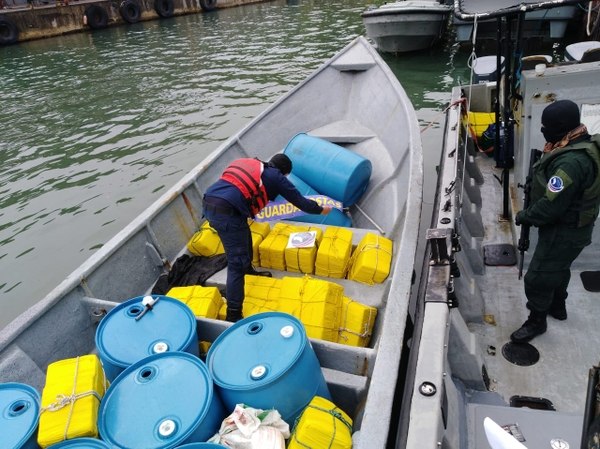
Though the Nigerian National Petroleum Corporation (NNPC) and some International Oil Companies (IOCs) operating in the country stake as much as N350.4b for staff and asset protecting yearly, the nation is still losing over N1.6t to oil and gas theft every year.
Indeed, stakeholders in the sector are pointing accusing fingers at the nation’s military and a network of politically exposed individuals as being behind the growing losses of crude and refined petroleum products estimated at $42b (N15t) in the past 10 years.
ABUJA (Reuters) – Nigeria and neighboring countries Benin and Niger have agreed to set up a joint border patrol force to tackle smuggling between the West African countries, they said in a communique on Thursday.
Foreign ministers from the three countries met to discuss smuggling following a decision by regional giant Nigeria, which has Africa’s largest economy and biggest population, to close its land borders to trade until at least Jan. 31, 2020.
The Nigerian Navy (NN) on Thursday said drones and helicopters have been deployed for surveillance of Nigerian National Petroleum Corporation (NNPC) pipelines from Atlas Cove, Apapa to Ejigbo and Mosimi depots in Lagos and Ogun states.
This deployment, the service said, was to beat pipeline vandals who loot petroleum products from ruptured pipes and then find ways to smuggle them out of the country.
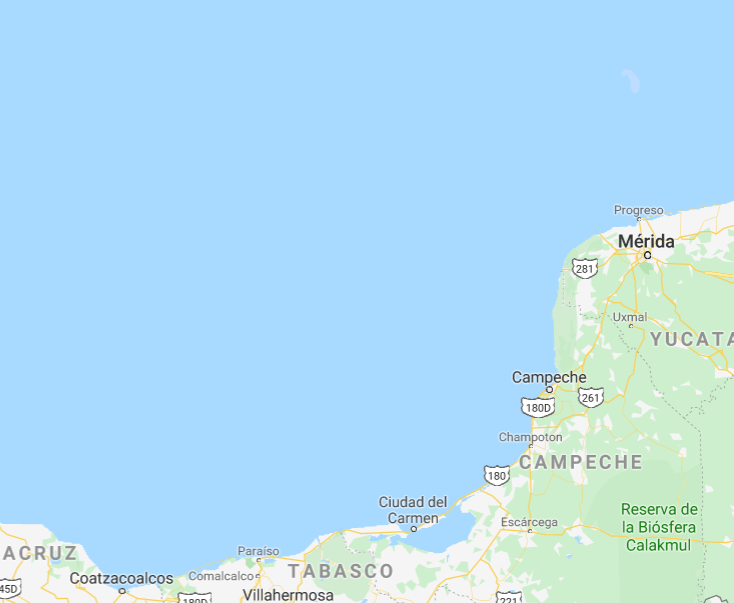
Pirate attacks in the southern part of the Gulf of Mexico have increased fourfold in just two years, triggering calls for the navy to bolster its presence in the area.
Between January and September, there was an average of 16 attacks per month on cargo ships off the coast of Ciudad del Carmen, Campeche, and Dos Bocas, Tabasco, according to the International Transport Workers’ Federation (ITF).





 Maritime Security News