Pompeo’s Hollow Plan to Beef Up Security in the Gulf

BY LARA SELIGMAN

Experts are skeptical that U.S. allies will get on board.

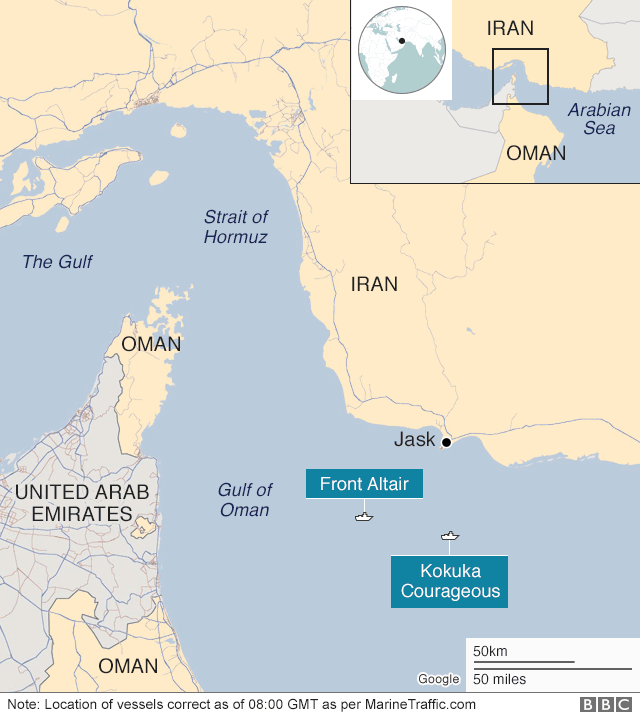
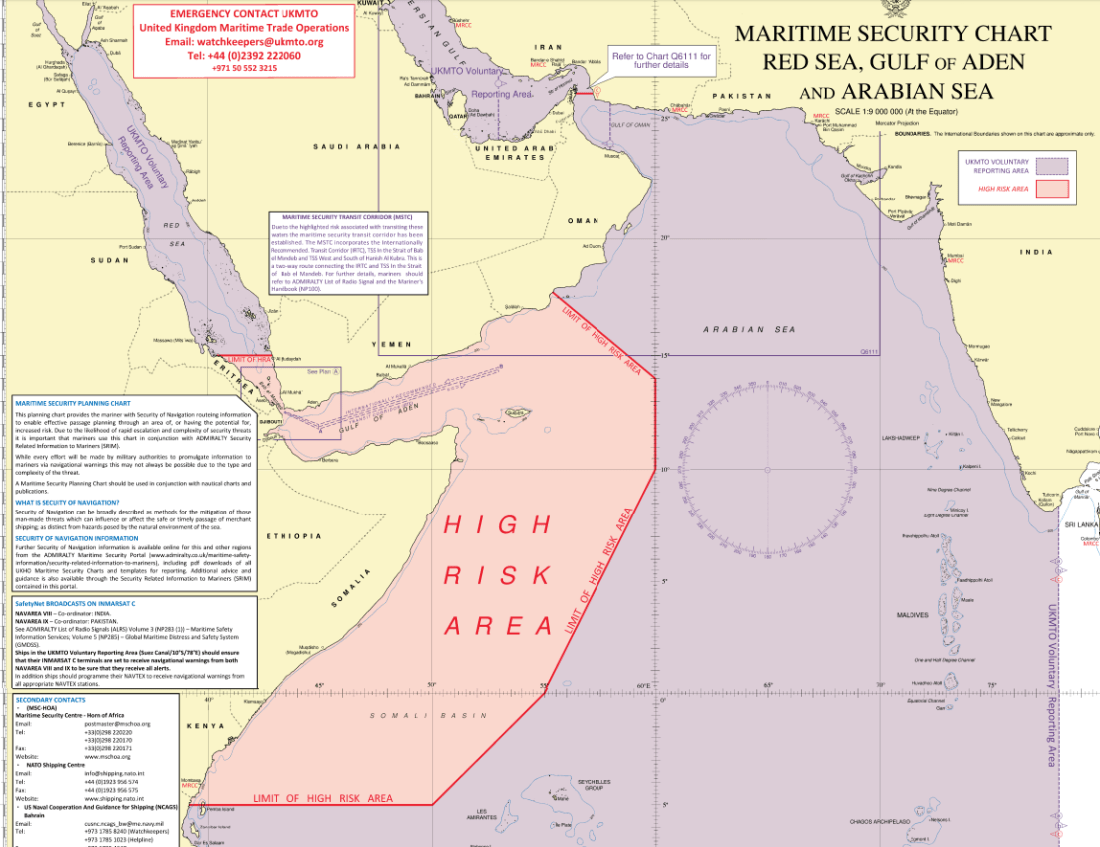
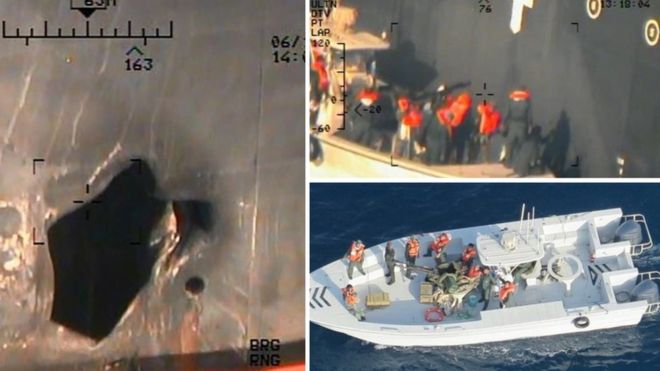
In the wake of alleged aggression from Iran in the Persian Gulf, U.S. Secretary of State Mike Pompeo rolled out a new plan this week, dubbed “Sentinel,” to recruit U.S. partners to help enhance security for ships traversing the Strait of Hormuz and other choke points.

But experts are skeptical that the United States can get allies in the Gulf, Europe, or Asia to shore up the resources needed to make a significant difference to the commercial vessels facing threats from Tehran in the world’s busiest shipping lanes.

To continue reading, please click here.

Source: foreignpolicy.com
Supporting Kenya’s coast guard

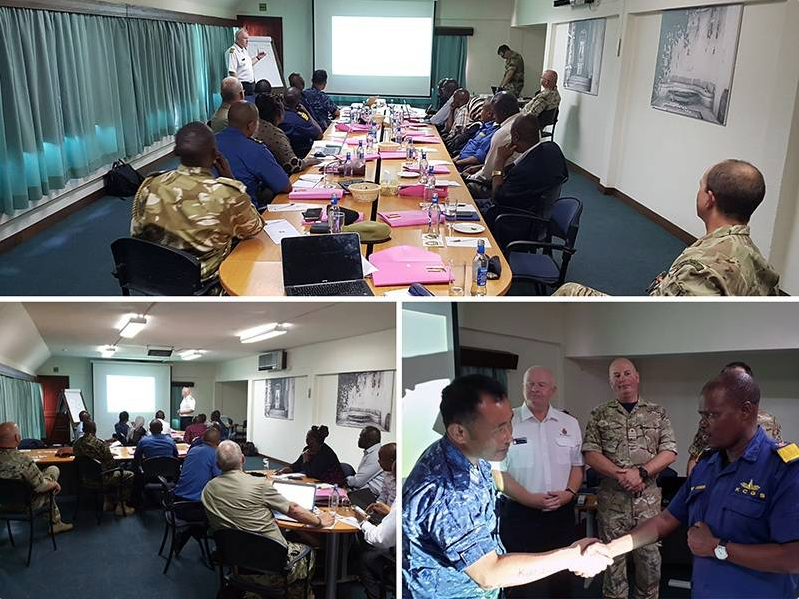
Senior officials from the newly established Kenya Coast Guard Services are undergoing training on coast guard functions at a national workshop in Mombasa, Kenya (24-28 June).

Fifteen participants are taking part in the training, which is using scenario development methodology and plenary discussions to highlight issues, identify insights and develop deeper understanding of effective ways to meet coastguard functions – with a view to enhancing maritime security in Kenya.

The training is organised by the United Kingdom and IMO, under the auspices of the Jeddah Amendment to the Djibouti Code of Conduct. It is supported by a joint team from the UK Maritime Coastguard Agency (MCA), Royal Navy International Defence Training (RNIDT), and facilitated by the British Peace Support Team Africa (BPST(A)) and IMO. Other international partners supporting the implementation of the Djibouti code of Conduct (Japan, Denmark and the International Committee of the Red Cross) are also in attendance and contributing to the discussions.

Source: imo.org

Alleged Illegal Oil Bunkering: Navy Hands Over Five Suspects to EFCC

By Olawale Oyegbade

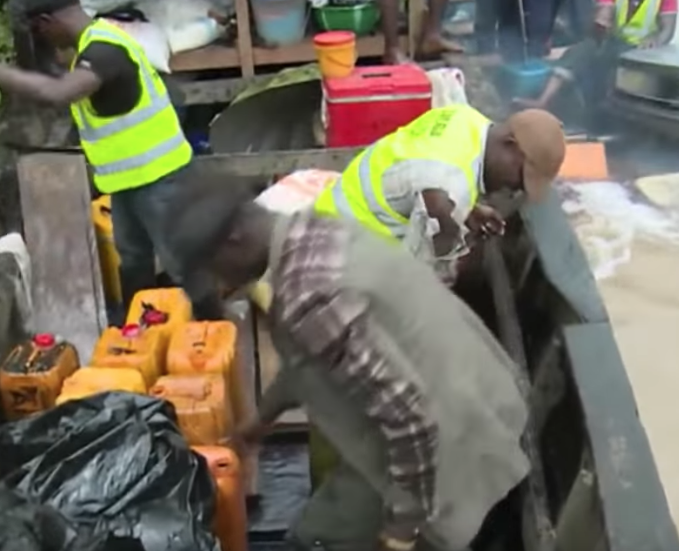
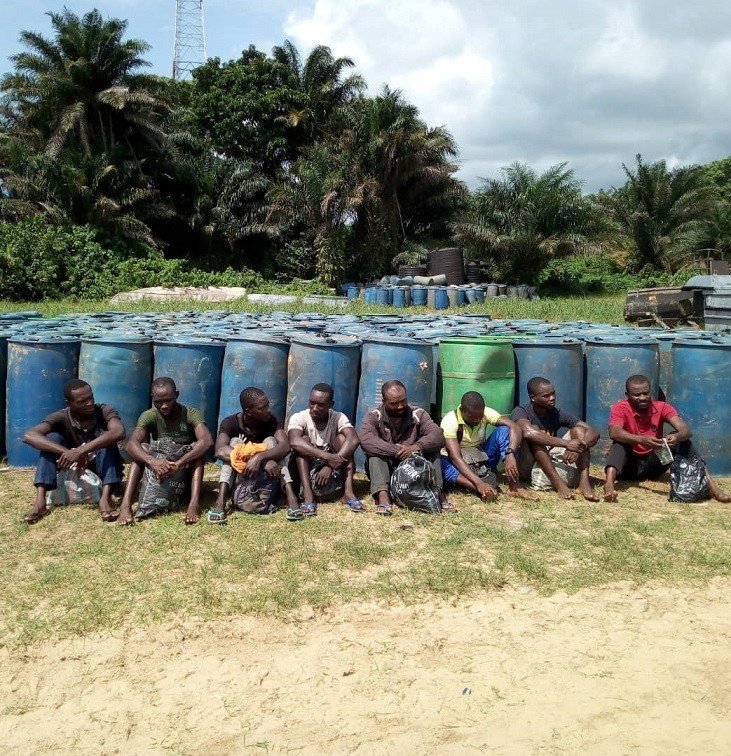
The Nigerian Navy, through the Nigerian Navy today handed over five suspects arrested for illegal oil bunkering to the Economic and Financial Crimes Commission.

The spokesperson of the commission, Tony Orilade confirmed to The Nigerian Voice that the suspects were handed over to EFCC, Port Harcourt’s Zonal Office for further investigation and prosecution.

To continue reading, please click here.

Source: thenigerianvoice.com

Piracy is back to infest West African waters, but what’s driving it?

ABHISHEK MISHRA

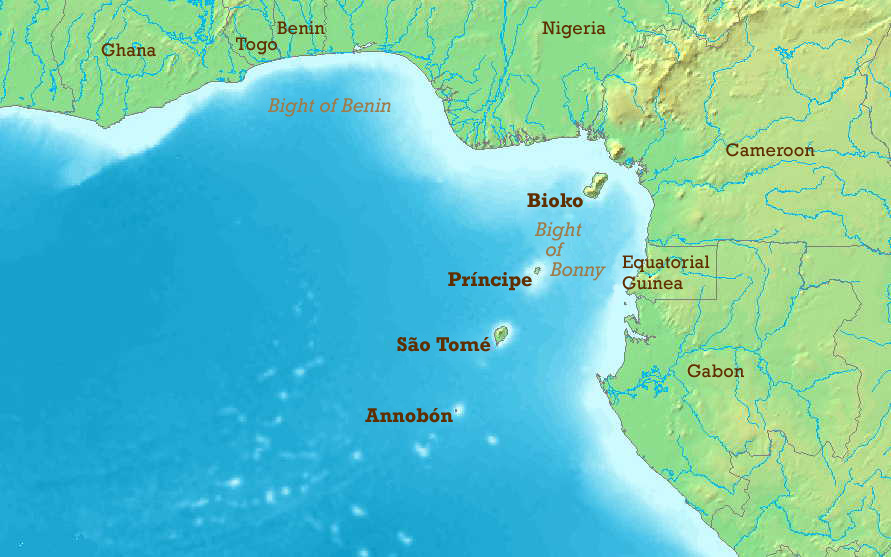
What makes the waters of the Gulf of Guinea vulnerable to piracy?

When it comes to discussing the concept of maritime security, the concept can be discussed in a variety of contexts. Broadly defined, maritime security concerns the protection of states’ land and maritime territories, and is affected by a broad range of illegal activities, including arms, drugs, and human trafficking, illegal, unreported, and unregulated (IUU) fishing, and pollution at sea. But, such acts only tends to get media coverage when pirates are involved.

African maritime security is particularly severely affected by maritime piracy and armed robbery at sea. Maritime piracy is not a new phenomenon; it has existed for as long as people and commodities have traversed the oceans. Under article 101 of UN Convention on the Law of the Sea, piracy is defined as:

Any acts of violence, detention, or depredation committed on the high seas by the crew or passengers of a private ship or aircraft against another ship, aircraft, persons, or property in a place outside the jurisdiction of any state for private ends.”

To continue reading, please click here.

Source: orfonline.org

Trump Questions Need to Protect Persian Gulf Shipping

Questioning the longstanding American policy of defending maritime security in the Persian Gulf, President Donald Trump said Tuesday that the United States does not “need to be there” for merchant shipping in the region. 

“China gets 91% of its Oil from the [Strait of Hormuz], Japan 62%, & many other countries likewise. So why are we protecting the shipping lanes for other countries (many years) for zero compensation. All of these countries should be protecting their own ships on what has always been a dangerous journey,” he wrote in a Twitter post on Tuesday morning. “We don’t even need to be there in that the U.S. has just become (by far) the largest producer of Energy anywhere in the world!” 

To continue reading, please click here.

Source: maritime-executive.com

How to end crude oil theft, by expert

by Precious Igbonwelundu

Nigeria has been advised to create alternative operation routes, secure the evacuation routes and expand export activities to the eastern side of the Niger Delta to contain crude oil theft.

The suggestions were given by the Chief Executive Officer (CEO) of Umugini Pipeline Infrastructure Limited (UPIL), Blessing Ayemhere, on Tuesday during the unveiling of the company’s new logo and brand identity.

To continue reading, please click here.

Source: thenationonlineng.net

Wave of Delta kidnappings rings alarm bells

After a relative calm period, unrest in the Niger delta could be on the rise

Eromo Egbejule

Fears that militant violence and sabotage in the Niger delta are about to take off again has been fuelled by a spate of kidnappings of oil industry workers over recent weeks.

In one incident, two Royal Dutch Shell workers were abducted in Nigeria’s oil rich Rivers state in late April 2019, while their police escorts were killed. The two workers—from Canada and the UK—were released after a week, but there are concerns that there will be more problems to come, as Delta unrest picks up after a relatively quiet period.

To continue reading, please click here.

Source: petroleum-economist.com

Curfew in ESSZone extended until July 10

KOTA KINABALU: Curfew in the waters off seven districts in the Eastern Sabah Security Zone (ESSZone) which ends tomorrow, has been extended until July 10.

Sabah police commissioner Datuk Omar Mammah in a statement today said the curfew from 6pm to 6am covers the waters of Tawau, Semporna, Kunak, Lahad Datu, Kinabatangan, Sandakan and Beluran.

To continue reading, please click here.

Source: thesundaily.my

U.S. Launches Maritime Security Initiative for Strait of Hormuz

The United States is launching a new maritime security initiative for the Persian Gulf region to counter the threat of Iranian attacks on shipping, a State Department official told reporters Monday. During previous regional conflicts, the U.S. Navy has periodically provided escorts for merchant shipping through the Strait of Hormuz, but this effort would be multilateral, according to the official. 

The new program, called Sentinel, would be implemented with both material assets and monetary contributions from participating nations. The participants have not yet been named, but the official said that Secretary of State Mike Pompeo would seek the support of Saudi Arabia on Monday during a visit to Jeddah. 

To continue reading, please click here.

Source: maritime-executive.com

Maritime Piracy Warnings Issued by REMISC in Sana’a are not Legitimate, Says IMO

By Baibhav Mishra

Alerting the international maritime community on Monday, the IMO stated that warnings currently being issued from the email account of the Regional Maritime Information Sharing Centre (REMISC) in Sana’a, Yemen (infoex@remisc.org) are not legitimate.

Given the current situation in Yemen, the centre has not been able to provide updated piracy incident information, and has temporarily stopped its activities.

To continue reading, please click here.

Source: seanews.co.uk