Pirates on Nigerian waters risk life imprisonment, N500 million fines

By Sulaimon Salau

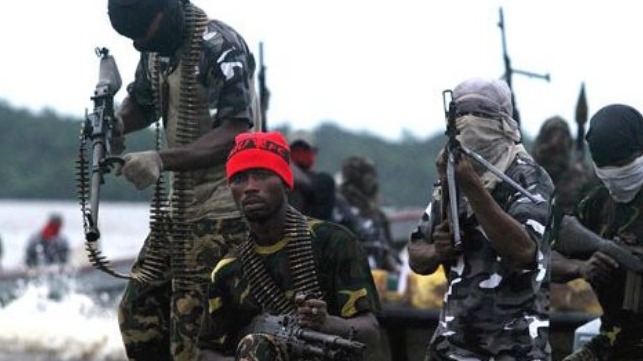
Hard times await pirates that operate on Nigerian waters, as the Suppression of Piracy and other Maritime Offences Bill, signed into law by President Muhammadu Buhari recommended a life sentence for culprits.

A copy obtained by The Guardian, showed the law recommended various punishments for piracy, armed robbery, and other maritime-related offences ranging from life imprisonment to fines of N500 million, N250 million, and 12- 15 years imprisonment, depending on the gravity of the offence.

To continue reading, please click here.

Source: guardian.ng

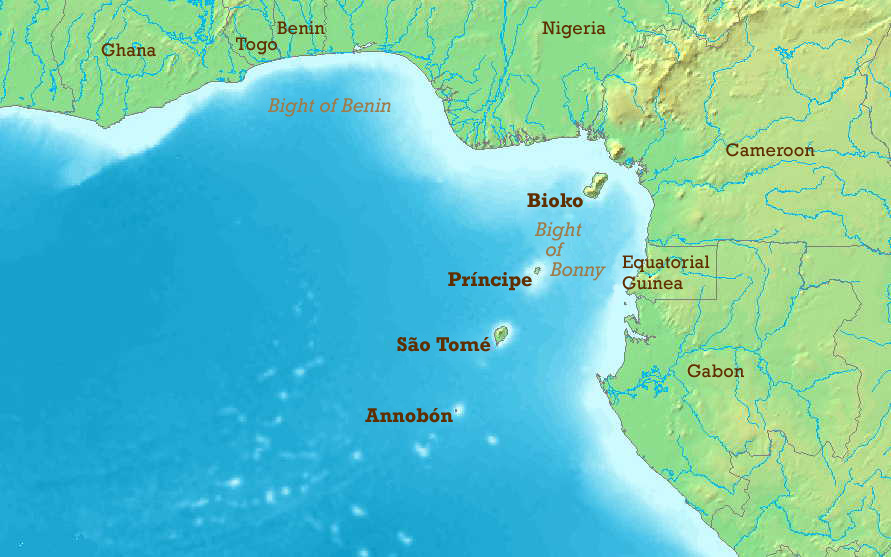
U.S. Navy Sends Second Ship to Gulf of Guinea

NAVAL STATION ROTA, Spain —

USNS Carson City (T-EFP 7), a Military Sealift Command Spearhead-class expeditionary fast transport ship, departed Rota, Spain, on July 2, as part of the Navy’s second deployment to the Gulf of Guinea this year.

Sailors and embarked personnel will work alongside regional partners on an Africa Partnership Station (APS) mission to provide small boat maintenance assistance, maritime law enforcement engagement, and medical and community relations outreach.

“The deployment of USNS Carson City to the Gulf of Guinea enables our partners to improve maritime security along their coastlines, territorial seas, and exclusive economic zones,” said Adm. James G. Foggo III, commander, U.S. Naval Forces Europe-Africa. “Maritime security is critical for coastal nations as seaborne trade is the lifeblood of global trade. When maritime trade freely sails across the seas, economic development and opportunities for prosperity are possible.”

U.S. Coast Guard (USCG) cutter Thetis (WMEC 910) was the first U.S. ship to deploy to the Gulf of Guinea in 2019.

“Thetis conducted training with our African partners on maritime law enforcement throughout exercise Obangame Express 2019 and continued training with our partners in the region during its deployment,” said Foggo. “Carson City’s deployment will enhance Gulf of Guinea nations’ maritime capabilities through workshops and collaboration. The presence of U.S. ships such as Thetis and Carson City helps address some of the challenges our African navies and coast guards have requested assistance with, including law enforcement and maritime resource management.”

During Carson City’s deployment, U.S. military personnel will work alongside U.S. partners in Cabo Verde, Cote d’Ivoire, Ghana, Nigeria, and Senegal to provide assistance based on host nation requests during previous APS exercise and engagements. The crew and the embarked European allies will provide host nation-requested, needs-based assistance through engagements as part of our enduring friendship and partnership with our African partners.

Mission personnel traveling with Carson City include a small boat maintenance and repair team, a medical team, United States Coast Guard Maritime Law Enforcement personnel, and the U.S. Naval Forces Europe band, who will conduct performances for local communities.

“We have a lot of experts embarked aboard Carson City to work alongside our Gulf of Guinea partners in areas they have asked for assistance such as maintenance and medical engagements,” said U.S. Navy Cmdr. Howard Gray, lead planner for Carson City deployment.

These experts include service members from other regional partners and allies, who are also joining Carson City for the deployment.

“Not only do we have U.S. service members from the Navy and Coast Guard, but we also have members of the Portuguese, Spanish, and Italian navies embarked to help ensure our African partners are getting the assistance and mentorship they need to succeed,” said Foggo. “We are also embarking members of the Ghana Navy for a brief period. Together, we are promoting progress through partnership.”

Thetis’ deployment earlier this year, like the Carson City deployment, was part of the APS program. The cutter was in Africa theater for three months, conducting training with regional countries on law enforcement tactics and techniques to combat illegal fishing, human and narcotics trafficking, piracy, and pollution.

APS is U.S. Naval Forces Africa’s flagship maritime security cooperation program focusing on maritime safety and security through increased maritime awareness, response capabilities, and infrastructure. It consists of the various exercises and operations conducted by U.S., European, and African partners and allies throughout the U.S. Africa Command area of operations.

U.S. Naval Forces Europe-Africa/U.S. 6th Fleet, headquartered in Naples, Italy, conducts the full spectrum of joint and naval operations, often in concert with allied and interagency partners, in order to advance U.S. national interests, security and stability in Europe and Africa.

Source: c6f.navy.mil

“Drakies” on Op Copper duty

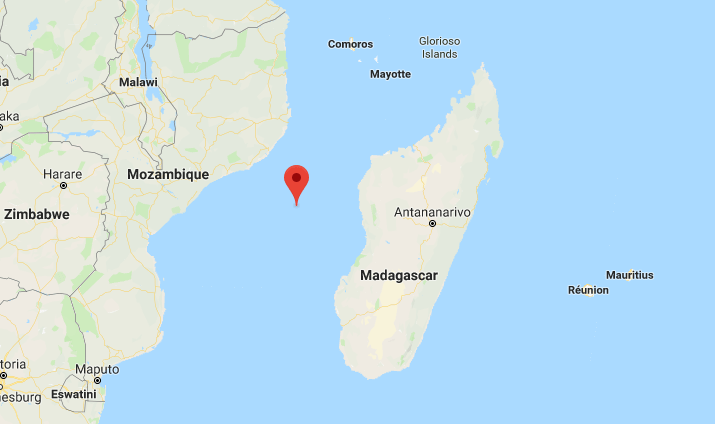
Mozambique Channel

SAS Drakensberg (A301) arrived on station in the northern sector of the Mozambique Channel this week for a duty tour that will see anti-piracy and anti-crime taskings executed.

This is not the first time the 32-year-old fleet replenishment ship has been deployed on Operation Copper, the ongoing bilateral anti-piracy operation involving Southern African Development Community (SADC) member states Mozambique and South Africa.

To continue reading, please click here.

Source: defenceweb.co.za

Nigeria’s Buhari Signs Bill to Fight Piracy and Boost Security

By Tope Alake

President Muhammadu Buhari has signed into law an anti-piracy bill to improve security on Nigeria waterways and exclusive economic zone, the Nigerian Maritime Administration and Safety Agency said.

The so-called Suppression of Piracy and other Maritime Offences Bill will “ensure safe and secure shipping on Nigerian waters, prosecute infractions, and criminalize piracy,” the agency known as NIMASA said in emailed statement Wednesday.

To continue reading, please click here.

Source: bloomberg.com

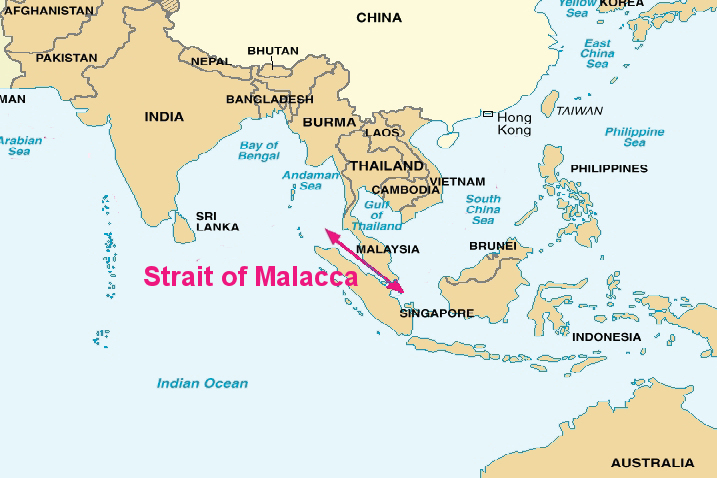
China raises attack alert in Malacca Strait to highest level

Shipping companies are asked by authorities in Beijing to increase the security level on ships transiting the Strait of Malacca, one of the world’s busiest waterways. Cosco Shipping’s tanker unit has warned its staff about possible attacks from some Indonesian gangs

Cichen Shen

The raising of the threat level for Chinese-flagged vessels has been unexpected, particularly as the regional dynamics within and surrounding the Malacca Strait are stable’ — maritime security intelligence company Dryad Global

BEIJING has raised the security level on Chinese-flagged vessels transiting the Straits of Malacca, according to documents seen by Lloyd’s List.

Shipping companies have been advised to implement Security Level 3 — the highest state of alertness under the International Ship and Port Facility Security Code — effective from 2200hrs local time July 2, the Ministry of Transport said in a notification.

To continue reading, please click here.

Source: lloydslist.maritimeintelligence.informa.com

Westmincom to focus on Abu Sayyaf in Sulu

Roel Pareño

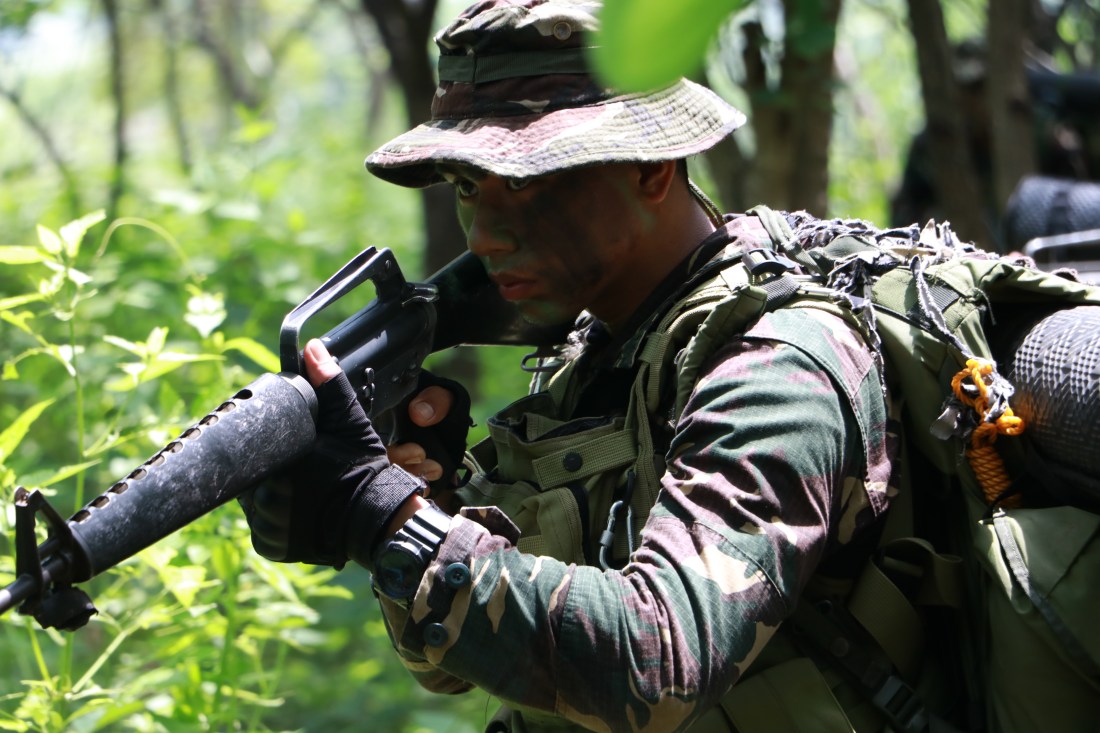
ZAMBOANGA CITY, Philippines — The new leadership of the military’s Western Mindanao Command will rest the weight of its campaign in Sulu, considered among the remaining problem areas in Mindanao, its outgoing commander Lt. Gen. Arnel dela Vega said.

Dela Vega, who opted for early retirement from the service, will be replaced by Maj. Gen. Cirilito Sobejana in a change of command ceremony on Friday.

To continue reading, please click here.

Source: philstar.com

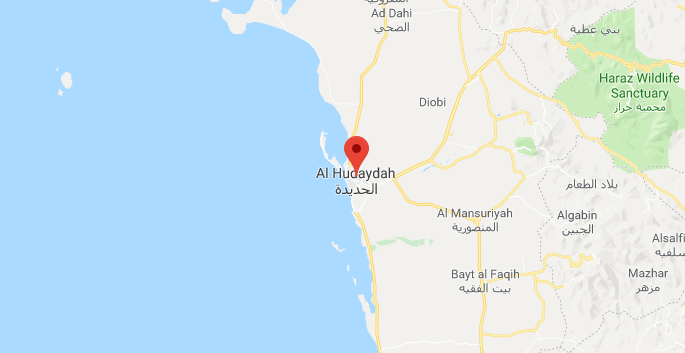
Renewed Clashes in Hodeidah as Peace Talks Continue

Despite a U.N.-backed ceasefire agreement, fighting between Houthi rebels and government forces has resumed on the south side of the port city of Hodeidah, Yemen. Pro-government militia leaders told Xinhua that Houthi units had shelled several neighborhoods, damaging homes and destroying part of a hospital. 

Under the terms of an agreement negotiated in Stockholm last December, Iranian-backed Houthi rebels were to withdraw from the port, and Saudi- and UAE-backed Yemeni government forces were to pull back from their positions surrounding the city. Houthi security units at the port have transferred control to the Yemeni Coast Guard, but the head of the UN mission in Hodeidah, Lt. Gen. Michael Lollesgaard, said last month that considerable work remains to demilitarize the port complex. 

To continue reading, please click here.

Source: maritime-executive.com

Kidnapping risk in Gulf of Guinea persists with 21 crew members kidnapped in Q1 2019

American, African & Chinese Navies Gathering at The International Maritime Defence Exhibition and Conference in Ghana This July 

– International Maritime Bureau: 22 Piracy Attacks in Q1, 2019 

Admiral James G. Foggo, III: A safe, stable, and secure Africa is in the interest of the global community, our shared goals of a secure, stable, and prosperous Africa benefits not only our African partners and the U.S., but also the international community 

 Rear Admiral Koi Alexis Maomou: IMDEC is a great opportunity to give, receive and discover new technological and scientific inventions in the field of defence and maritime safety 

20 captains, commodores, rear admirals, vice admirals, & admirals discussing illegal oil-bunkering, piracy, unregulated and unreported fishing, smuggling, human and drug trafficking, illegal bunkering and crude oil theft on the 24th & 25th of July in Accra 

Dubai and Accra, 27 June 2019 

In the first quarter of 2019, IMB reported 38 incidents of piracy and armed robbery at sea, representing 28 fewer incidents than the first quarter of 2018 (66). IMB’s Piracy Reporting Centre detailed that 27 vessels were boarded; seven vessels were fired upon and four attempted attacks occurred in the first quarter of 2019. No vessels were reported as hijacked for the first time since the first quarter of 1994. 

The Gulf of Guinea represented a high number of piracy and armed robbery attacks at sea, with 22 incidents reported in the first quarter of 2019. The region also accounted for all of the worldwide crew kidnappings as 21 crew members were kidnapped across five separate incidents. Incidents were reported in the coastal countries, of Benin, Cameroon, Ghana, Ivory Coast, Liberia, Nigeria and Togo in the first quarter of 2019. 

To continue reading, please click here.

Source: businessghana.com

Five Indian sailors abducted in Nigeria rescued: Shipping Ministry

The High Commission of India in Abuja, Nigeria sought help from the Nigerian Navy to track the whereabouts of the missing Indian sailors, which in turn roped in the Nigerian Maritime Administration and Safety Agency (NIMASA) to lead the rescue efforts.

Five Indian seafarers who had been kidnapped about two-and-a-half months earlier in Nigeria were rescued on Thursday, according to a statement issued by the Shipping Ministry.

“I am happy to share that due to sustained efforts of various stakeholders, including the Ministry of Shipping, the Directorate General of Shipping and the High Commission of India in Abuja, Nigeria, the kidnapped Indian seafarers were successfully released and reached the safe custody of Indian authorities on June 27,” Union Minister of State for Shipping, Mansukh L Mandaviya said.

To continue reading, please click here.

Source: hindustantimes.com

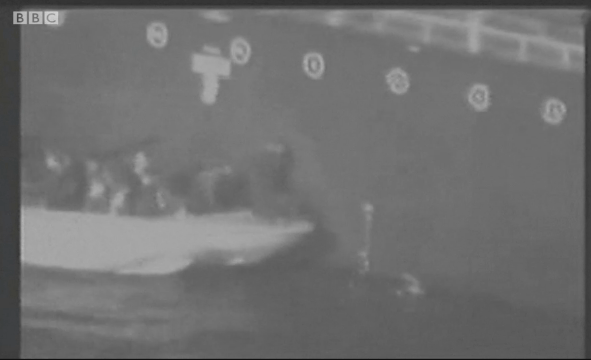
UAE: Not enough evidence to blame Gulf tanker attacks on Iran

‘If other countries have clear information, I am sure the international community will easily listen to them,’ says Emirati foreign minister on Wednesday

The United Arab Emirates Foreign Minister Abdullah bin Zayed Al-Nahyan said on Wednesday that no country could be held responsible for the latest attacks on oil tankers in the Gulf.

Speaking during a press conference with his Russian counterpart Sergey Lavrov in Moscow, Al-Nahyan said his country needs “clear and convincing evidence” regarding the recent attacks that targeted four vessels off the UAE coast last month, including two Saudi oil tankers.

To continue reading, please click here.

Source: middleeasteye.net