Navy Recruits 1,176 To Fight Sea Pirates

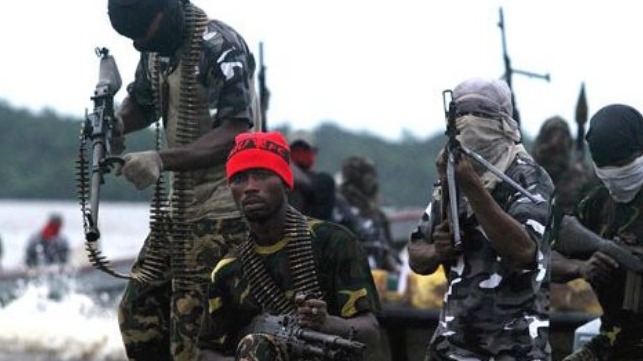
The Nigerian Navy has recruited 1,176 young men and women to aid the fight against sea pirates and oil bunkers in the nation’s maritime domain.

The Chief of Defence Staff, General Abayomi Olonisakin, stated this in a statement made available to The Tide shortly after the passing out parade of Batch 28, Basic Training School in Onne. He said the trainees underwent rigorous physical and mental training for seven months to prepare them for internal security operations across the country.

To continue reading, please click here.

Source: thetidenewsonline.com

Maritime trials and tribulations

Written by Africa Defense Forum

The guilty verdict handed down in a Sao Tome and Principe courtroom echoed across the globe.

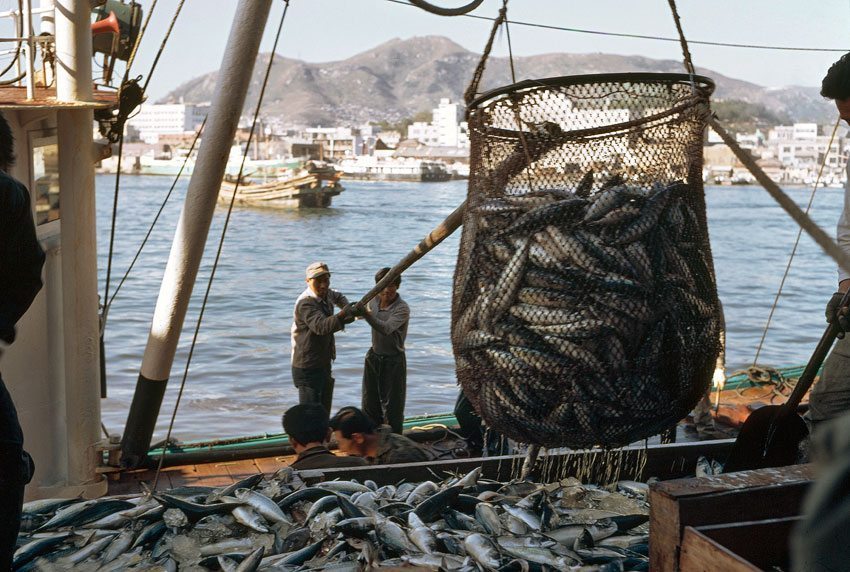
A Chilean captain and two Spanish crew members of the notorious fishing vessel the Thunder were sentenced to two to three years in prison and fined a total of $15 million.

For the tiny Gulf of Guinea island that relies heavily on the sea economy, it felt like a rare win in a losing battle against illegal fishing.

To continue reading, please click here.

Source: defenceweb.co.za

Nigerian Navy recruits 1,176 personnel to fight sea pirates, oil bunkers

by  Akinyemi Akinrujomu

The Nigerian Navy has recruited no fewer than 1,176 young men and women to aid its fight against sea pirates and oil bunkers in the nation’s maritime domain.

News Agency of Nigeria reports that General Abayomi Olonisakin, Nigeria’s Chief of Defence Staff (CDS), revealed this on Saturday, May 18 at the formal Passing Out Parade of Batch 28 recruits trained at the Nigerian Navy Basic Training School in Onne, Rivers state.

To continue reading, please click here.

Source: legit.ng

Kenya: Coast Guard seizes two Chinese vessels

Philip Mwakio

The Kenya Coast Guard Service (KCGS) seized two Chinese flagged fishing vessels operating within Kenya’s territorial waters last week.

According to Lieutenant Commander Glen Majanga, the two vessels christened Harong 109 and Harong 108 were intercepted off Malindi within Ungama Bay on May 15, 2019.

To continue reading, please click here.

Source: standardmedia.co.ke

EU, ECOWAS stake $173m to address maritime insecurity

By Oludare Richards

Economic Community of West African States (ECOWAS) and the European Union (EU) have committed €155 million (about $173 million) to address issues associated with maritime insecurity and related clandestine networks of dirty money in West Africa.

The ECOWAS Commission targets the insecurity situation in the Gulf of Guinea, which it said had adverse effect on the health and economic indices of ECOWAS member states.

To continue reading, please click here.

Source: guardian.ng

Naval service specialists deliver training to Kenyan forces

Royal Marines and Royal Navy specialists have been showing Kenyan security forces how to improve their ability to fight piracy, illegal fishing and drugs trafficking.

Specialists from 1 Assault Group Royal Marines’ Board and Search School and landing craftsmen from 43 Commando Fleet Protection Group travelled to Mombasa – Kenya’s second-largest city and one of Africa’s biggest trading hubs – to deliver training and share expertise.

The contingent, made up of Royal Marines and Royal Navy ranks, were part of the Tri-Service British Peace Support Team, an organisation that aims to aid United Nations and African Union Peace Support Operations.

The training group sought to understand the current situation that is impacting Kenya’s economy and create a coherent strategy for the future as they look to shore up security in the Indian Ocean port.

The training aimed to help Kenyan security forces become better equipped to deal with the threats they face and develop a clear plan to continue protecting their waters.

The majority of Kenyan trade comes through Mombasa and shutting down criminal activity is a priority for the country’s security forces.

Around 30 personnel from a variety of Kenyan agencies came to train and learn how to conduct successful board and search of suspicious vessels.

The first part of the training consisted of classroom-based sessions on board and search operations at sea, before phase two saw coastguard, police and port authority teams work together to practise their new skills in the water.

The training included an opening and closing ceremony attended by high ranking dignitaries, which included a demonstration of the skills learned during the sessions.

A further training package is now being arranged later this year.

Source: royalnavy.mod.uk

Indonesia to Sink More Foreign Boats Amid New Maritime Tensions with Vietnam

Indonesia next weekend plans to sink dozens of foreign boats that were seized after straying illegally into its waters, including many vessels from Vietnam, the fisheries minister said Monday amid fresh maritime tensions between Hanoi and Jakarta near the South China Sea.

Also on Monday, Indonesia’s foreign ministry said it summoned Hanoi’s deputy ambassador after the Indonesian navy claimed that two Vietnamese coast guard vessels had rammed one of its naval ships patrolling against illegal fishing near Indonesia’s Natuna Islands.

To continue reading, please click here.

Source: rfa.org

Root of maritime crime ‘must be addressed,’ says Saudi Border Guards chief

JEDDAH: The head of the Saudi Border Guards has warned that maritime security in the Red Sea and elsewhere can only be achieved if the root of piracy and maritime crime are addressed.

Gen. Awad bin Eid Al-Balwi, director general of the Saudi Border Guards, was speaking at the opening of an international workshop on Tuesday on dealing with piracy and other crimes at the Mohammed bin Naif Institute for Maritime Science and Security Studies in Jeddah.

To continue reading, please click here.

Source: arabnews.com

The U.S. Coast Guard’s Mission to Africa

By: Ben Werner

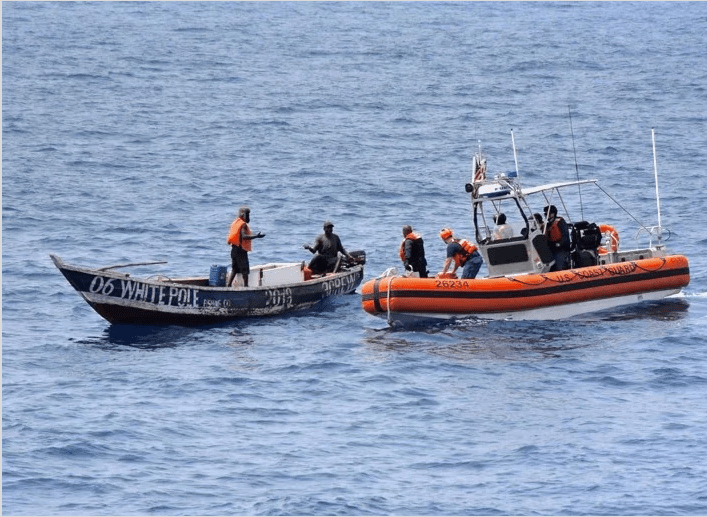
U.S. Coast Guard Cutter Thetis (WMEC-910) is halfway through a 90-day mission to Africa’s Atlantic coast and already the crew has helped enforce fishing rights, combat smuggling and piracy and rescue two fishermen who had been declared dead.

Operating off the coast of Africa is not the typical patrol route for a U.S. Coast Guard cutter, but the mission is the same, Cmdr. Randall Chong, commanding officer of Thetis, told USNI News during a recent satellite call from the ship. Thetis is assisting partner nations in better understanding the seas off their shores and helping secure their national interests while preventing regional problems from growing into more significant issues that could reach U.S. borders.

“Last month we were operating off the coast of Sierra Leone and one of my young lookouts, she saw a guy waiving, two guys waiving their life jackets,” Chong said. “They had no food, no water; they were actually starting to drink some sea water. We escorted them back to Sierra Leone and when we brought them back, we were told by their government they were declared dead two days before that.”

The scenario is relatively common among the fishing fleet, Chong said. Fishermen head out to sea on 22-foot boats, powered by old outboard motors and without navigation aids or communication links to shore. Sierra Leone also doesn’t have the resources to mount considerable search efforts at sea.

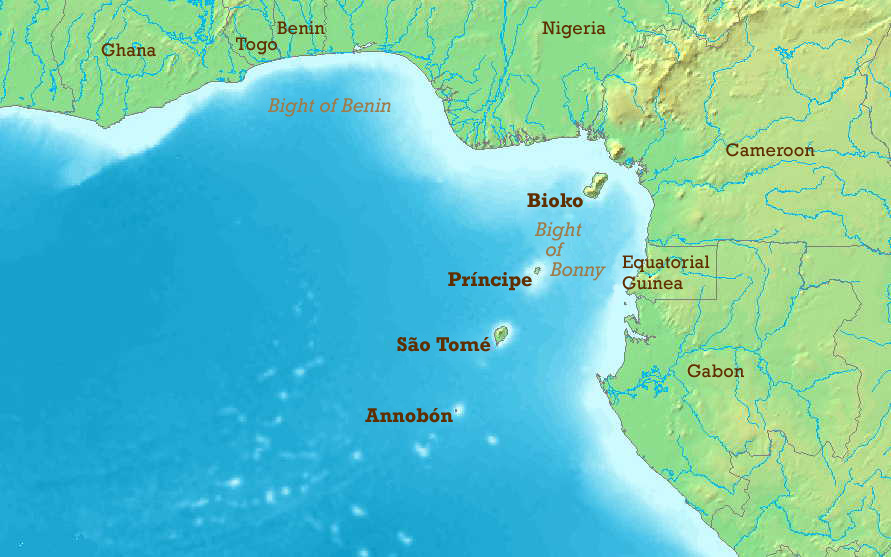
Thetis, a 270-foot Famous-class medium endurance cutter based in Key West, Fla., is made for finding small ships at sea. The cutter and crew specialize in maritime law enforcement operations such as counternarcotics and human smuggling missions. Their three-month deployment to Africa’s Gulf of Guinea region is intended to share their expertise with African maritime nations.

“The Coast Guard is a unique fit for this type of mission with our law enforcement authorities and our competencies,” Lt. David Zwirblis, operations officer on Thetis, told USNI News. “That’s really what these nations are looking for; they’re trying to secure their maritime domains. That’s what their navies are doing. Their economies are really intertwined with the maritime security of the region.”

Mission to Africa

Thetis departed Key West for Africa in late February, making it the first Coast Guard cutter to deploy in support of U.S Africa Command since 2012 and the first to participate in an African maritime exercise since 2011, according to Coast Guard news releases. Thetis participated in exercise Obangame Express and made port calls in Nigeria, São Tome and Principe and Cote d’Ivoire, among other work during the deployment.

U.S. military engagement with African nations is critical to protecting U.S. interests and helping stabilize governments on the continent, Adm. James Foggo, the commander of U.S. Forces Africa, explained during a recent edition of his podcast.

Having the U.S. Coast Guard deploy to Africa is useful, Foggo said, because the U.S. Coast Guard’s maritime law enforcement mission aligns with what he said African nations frequently cite as their most significant needs: enhancing their maritime security operations to protect fishing rights, stop smuggling and interdict human and drug trafficking.

For many of the nations, Chong said their navies perform missions similar to those of the U.S. Coast Guard. For the most part, the African navies and coast guards protect their fisheries resources from illegal fishing, search for smugglers and and combat the region’s ongoing piracy problems.

In many cases, the African nations use equipment very similar to what the U.S. Coast Guard employs. Smaller nations have patrol boats similar to those used by the U.S. Coast Guard, Chong said. Larger nations have frigates which are the same size as the U.S. Coast Guard’s national security cutters.

“The technology is very comparable to us as far as doing those type of boardings off a smaller platform or off a frigate,” Chong said.

In the case of Nigeria, Chong said Thetis operated with a former U.S. Coast Guard cutter. Current Nigerian navy frigate NNS Thunder (F90) is the former Hamilton-class high endurance cutter USCGC Chase (WHEC-718). Chase was transferred to Nigeria after being decommissioned in 2011.

“We’re helping a lot of these countries and their navies and coast guards to do boarding and security type functions,” Chong told USNI News. “We’re working with them jointly in their own maritime security zones.”

Geopolitical Mission

However, having the U.S. Coast Guard share knowledge and expertise with African nations serves another purpose that’s harder to quantify but is critical to U.S. foreign policy: acting as a counter to the growing influence of China in the region, officials say.

“I think I can safely say China’s interests are not the same as our interests,” Foggo said. “China has tripled its loans to Africa since 2012, making Beijing a major debt holder for African governments. China’s focus is geared towards using money and loans to open doors and access to natural resources contracts. This type of debt diplomacy can be a hindrance.”

Citing recent developments in Sri Lanka, Foggo said after that island nation’s ballooning debt to China grew unsustainable, China agreed to forgive some of the debt in return for gaining control of a major Sri Lankan port facility for 99 years.

Expect to see increased U.S. Coast Guard missions to support U.S. Navy fleet operations around the world, officials say.

“You look at Oceana; you look at China asserting influence, checkbook diplomacy in places where there’s not much of a tempering or competing voice right now,” Commandant of the Coast Guard Adm. Karl Schultz said last summer. “The Coast Guard I think can bring some unique capabilities in building partner capacity.”

Since Schultz foreshadowed sending Coast Guard assets to assist U.S. Navy missions, Thetis was sent to Africa. Meanwhile, and around the globe, cutter USCGC Bertholf (WSML-750) joined guided-missile destroyer USS Curtis Wilbur (DDG-54) in showing the roughly 110-mile wide body of water separating mainland China from Taiwan remains open for all maritime traffic.

“The bottom line is we’re there to work with our friends,” Foggo said. “We don’t ask for anything in return except for their friendship.”

Source: news.usni.org

Somaliland Corrects IGAD Exclusion of Country in Red Sea Taskforce in Statement

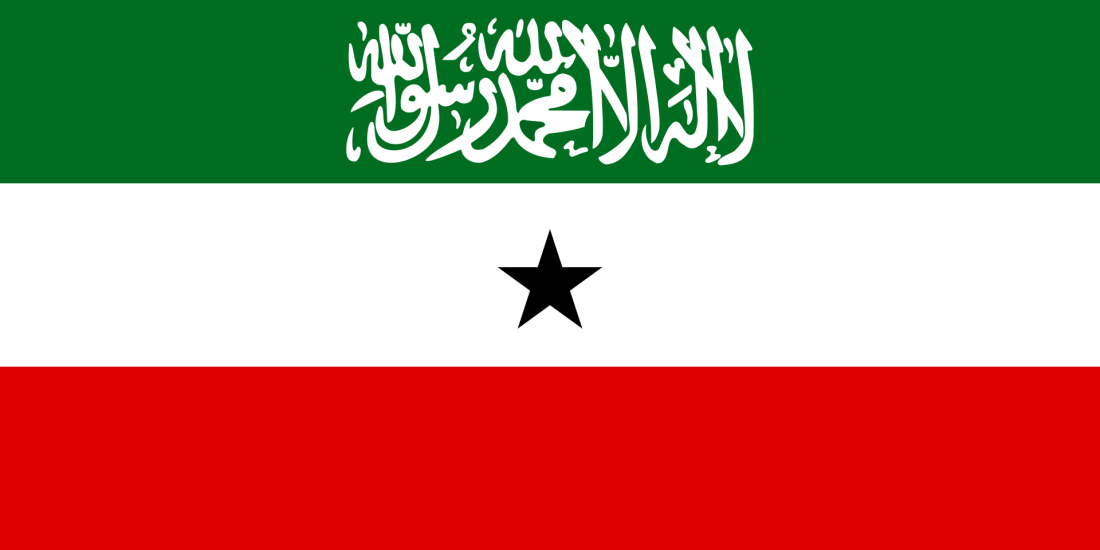
Somalland flag

Somaliland wants to be included in the Taskforce on the Red Sea and the Gulf of Aden by the Intergovernmental Authority on Development (IGAD).

The Somaliland government says that any initiative to coordinate a response to changing Red Sea environs that does not include them in a meaningful way will lack the credibility, capability and representativeness necessary to contend with competing multinational cooperation efforts in these waters.

To continue reading, please click here.

Source: menafn.com