Only international action will stop increase in piracy: BIMCO

A fresh annual report from the International Maritime Bureau shows that attacks in West Africa helped push piracy numbers up in 2018. In terms of military and law enforcement, an international operation is not complicated, so what is needed above all is the will to act.

According to the bureau’s report, there were 201 incidents in total* reported to the bureau last year. That is a rise from 180 incidents in 2017 and from 191 in 2016. Of this, 48 incidents took place in Nigeria, up from 33 in 2017 and 36 incidents in 2016.

The report also showed that the region saw a considerable spike in violence in the last quarter of the year, with 40 kidnappings in the waters off Nigeria alone. In West Africa, there appears to be challenges with underreporting, which is estimated at as much as 40%, the report says.

To continue reading, please click here.

Source: hellenicshippingnews.com

Maritime Security News: It’s worth noting that the IMB only collates reports submitted to them directly by CSOs and Masters. To gain a full picture of maritime crime, it is necessary to collate reports from all agencies.

The European Community Shipowners’ Associations visits EU NAVFOR Somalia Operation Atalanta

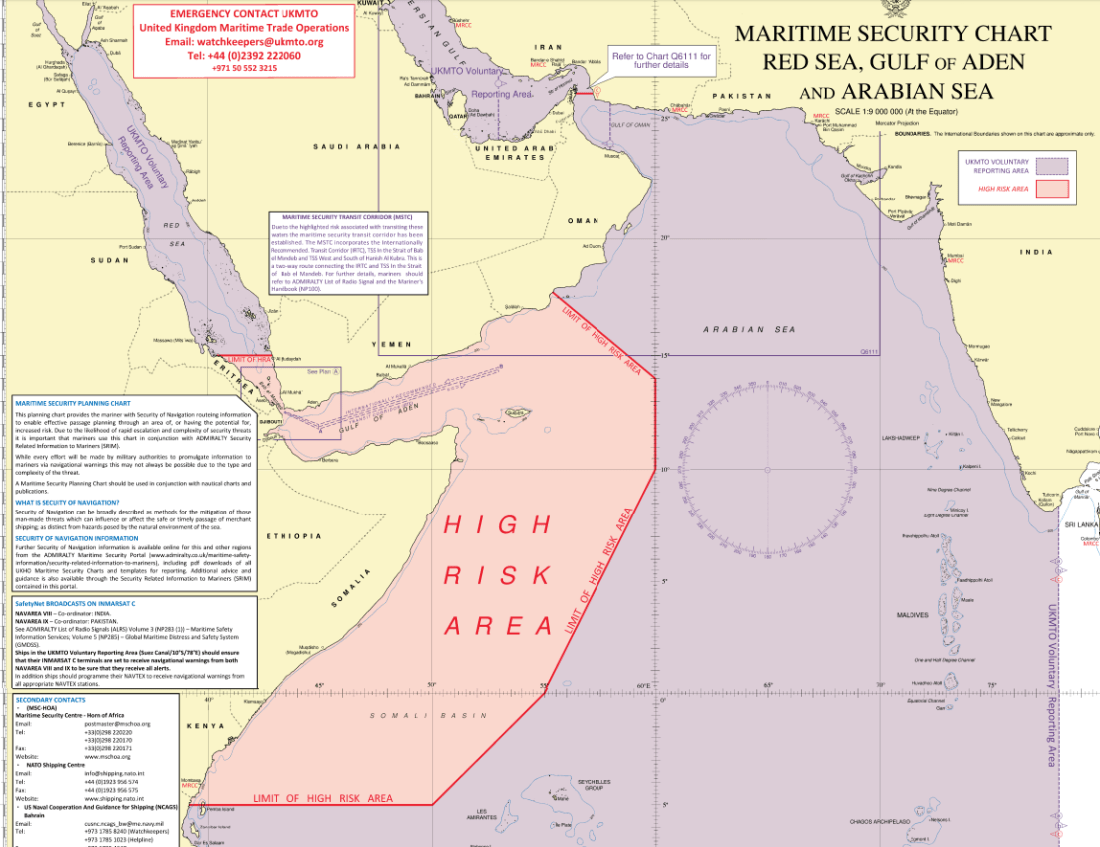
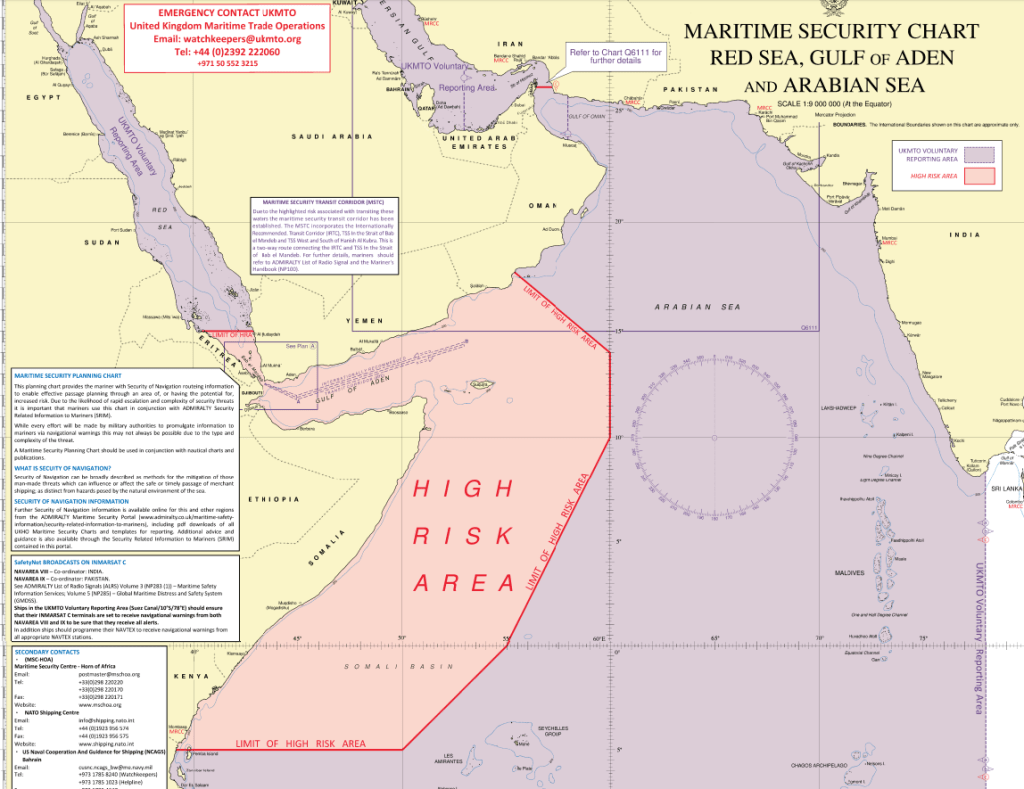
Meeting reiterates: threat of piracy not eradicated off the Horn of Africa.

On 23 May, ECSA’s Maritime Security Working Group met with the EU NAVFOR Somalia Operation Atalanta at their operation headquarters in Rota, Spain.  

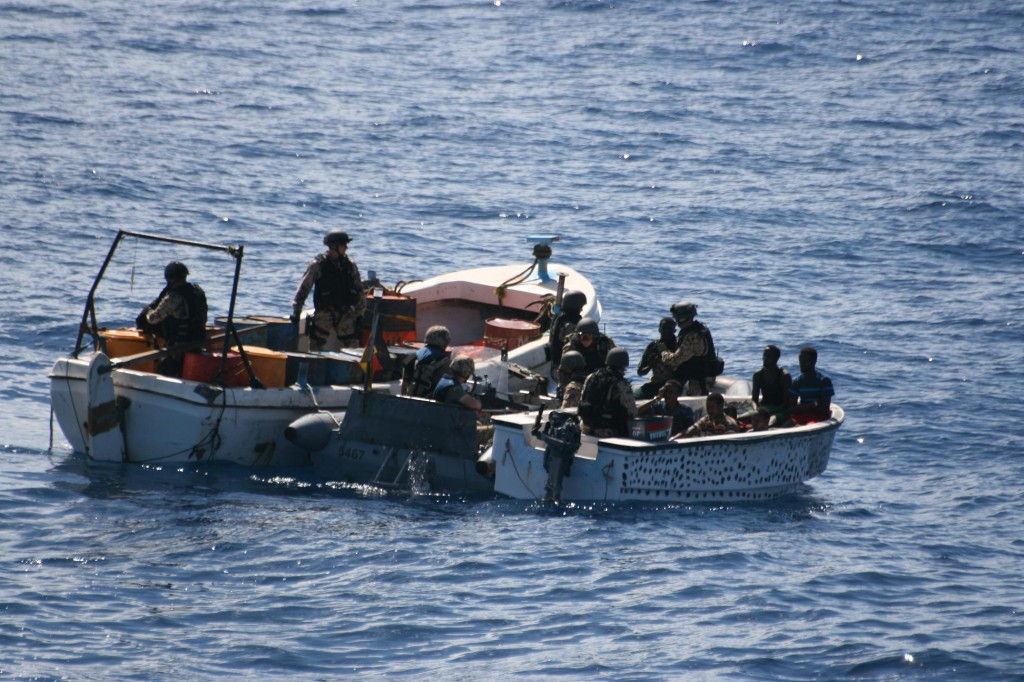
Representing the European shipping industry, the ECSA delegation met with the EU NAVFOR’s team to discuss the current state of piracy off the coast of Somalia. The delegation also visited the naval assets participating in Operation Atalanta. For the past ten years, EU NAVFOR has deterred and prevented acts of piracy and armed robbery off the coast of Somalia, protected vessels of the World Food Programme (WFP) and African Union Mission Somalia (AMISOM), and monitored acts of illegal fishing. 

While it is true that today the number of attacks is minimal, this is only a result of the industry’s implementation of Best Management Practices along with the combined action of different actors and organisations, notably the states in the region.

We know for a fact that pirate networks maintain the intent, the means and the capability to deploy and attack merchant vessels,” said R. Adm. Antonio Martorell Lacave. “It is up to us – military operations, coalitions and regional states – to uphold deterrence, operate in a flexible and agile manner and keep the seas safe.

Operation Atalanta has been a key element in the decrease of piracy attacks,” Flemming Dahl Jensen ECSA’s Maritime Security Working Group Chair mentioned. “We need to ensure there are sufficient resources allocated to guarantee its successful continuation.”

EU NAVFOR remains committed to deterring, preventing and suppressing piracy and emphasizes that the Maritime Industry must continue to adhere to BMP measures in order to maximize the safety of the ships and crews whilst transiting the high-risk area. 

The European shipowners expressed their support to EU NAVFOR Operation Atalanta and their close cooperation with other international actors. The shipping industry will continue to cooperate with the EU NAVFOR team to ensure that Somali-based piracy stays suppressed.

Source: ecsa.eu

Image via ECSA.

Iranian Navy to send 62nd Fleet in the Gulf of Aden to int’l waters

The Iranian Navy plans to dispatch the 62nd flotilla of warships to free waters in the next few days to protect the country’s cargo ships and oil tankers against pirate attacks. The 62nd fleet includes Bayandor destroyer and Lavan and Bushehr logistic warships.

The 61st flotilla of the Iranian Navy had set off for the high seas to safeguard maritime routes used by Iranian vessels in international waters, especially in the Gulf of Aden, in March.

To continue reading, please click here.

Source: navyrecognition.com

Seychelles, CJTF-HOA build partnership

By Captain Olivia Cobiskey
U.S. ArmyCJTF-HOA, May 21, 2019

VICTORIA, Seychelles — The East African island nation of Seychelles is a key partner with Combined Joint Task Force-Horn of Africa, working towards increasing security and regional stability in the Indian Ocean.

U.S. Air Force Brig. Gen. James R. Kriesel, deputy commanding general of Combined Joint Task Force-Horn of Africa, recently visited the Republic of Seychelles to discuss ways to increase interoperability between CJTF-HOA and the Seychelles.

“A key, vital forecast is the fact piracy is suppressed, not eradicated,” said Kriesel, the first CJTF-HOA leader to officially visit the Seychelles since 2012. “We, as a coalition, must maintain readiness to rise to the challenge of a potential resurgence.”

Kriesel met with leaders from the Seychelles People’s Defence Force, and the U.S. Embassy Mauritius and Seychelles, to discuss the crucial role the Seychelles, a group of 115 islands, has played in the fight against illegal fishing, the ongoing threat of piracy in the western Indian Ocean, and trafficking of weapons, narcotics and people. During the meeting, Seychelles People’s Defence Force leaders elaborated on their plan to increase information sharing and force capability to police the Indian Ocean.

Kriesel also visited the Regional Coordination and Operational Centre, seeing firsthand how the center operates and its pivotal role in promoting maritime security in the region.

“CJTF-HOA and the Regional Coordination and Operational Centre would benefit from conducting training and exercises similar to our subject matter expert exchange; ultimately, furthering strategic access,” said Kriesel.

The Regional Coordination and Operational Centre’s objectives are synergistic with CJTF-HOA’s lines of effort. Strengthening individual and institutional capacity, encouraging international capacity, and facilitating mutual dialogue with international, regional and national actors form the foundation of the Regional Coordination and Operational Centre, resulting in success in their anti-piracy mission. Approximately 100 pirates have been repatriated to Somaliland; however, the government is concerned criminals are regrouping and obtaining financing for future activity, said Col. Clifford Roseline, chief of the Seychelles People’s Defence Force.

“Seychelles is proud to be a member of the Combined Maritime Forces,” said Roseline, who joined the Seychelles People’s Defence Force in 1978. The Seychelles rely on collaboration with maritime and international partners to share information and intelligence to ensure their forces are at the right place, at the right time, to continue to combat trafficking as it evolves in today’s operational landscape.

“The Combined Maritime Forces is seeing not only an increase in human trafficking, but a rise in the trafficking of both charcoal and sugar, which funds terrorist organizations in East Africa,” said Roseline.

“The Seychelles is more than just a partner on the high seas,” said Melanie Zimmerman, deputy chief of mission of the U.S. Embassy Mauritius and Seychelles, who also noted the country has the ability to prosecute suspected pirates detained by European Union Naval Force ATALANTA (EU NAVFOR) forces and U.S. Naval Forces Africa.

“CJTF-HOA values its partners and looks forward to continued collaboration with Seychelles,” Kriesel said at the conclusion of his visit.

Source: hoa.africom.mil

GCC navies begin security patrols in Arabian Gulf amid US-Iran tensions

Saudi Arabian foreign ministry reiterates that it does not want war with Iran, but is prepared for one if need be, as GCC navies step up Arabian Gulf patrols.

GCC countries have begun “enhanced security patrols” in the international waters of the Arabian Gulf, according to the US Navy’s Fifth Fleet.

GCC members were “specifically increasing communication and co-ordination with each other in support of regional naval co-operation and maritime security operations in the Arabian Gulf”, the Bahrain-based fleet said in a statement.

To continue reading, please click here.

Source: logisticsmiddleeast.com

Kenya: Coast Guard seizes two Chinese vessels

Philip Mwakio

The Kenya Coast Guard Service (KCGS) seized two Chinese flagged fishing vessels operating within Kenya’s territorial waters last week.

According to Lieutenant Commander Glen Majanga, the two vessels christened Harong 109 and Harong 108 were intercepted off Malindi within Ungama Bay on May 15, 2019.

To continue reading, please click here.

Source: standardmedia.co.ke

Anti-piracy patrol targets Yemen fishermen

BySAEED AL-BATATI, QUSAYIR, YEMEN

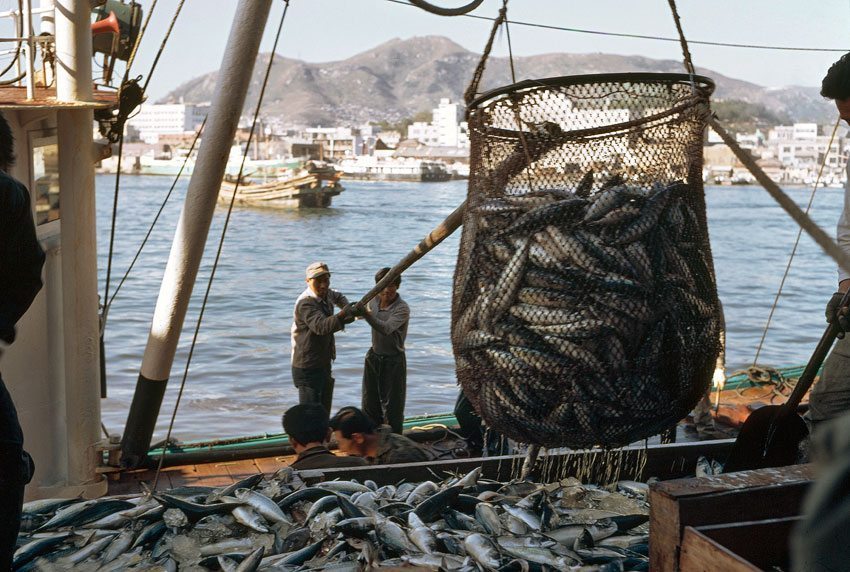
A global anti-piracy task force deployed in the Arabian Sea to protect shipping lanes has engaged in invasive and violent searches and seizures of small Yemeni fishing vessels with apparent impunity, fishermen told Asia Times.

Multiple fishermen from Yemen’s southeastern province of Hadramout say international warships, most recently from the Indian navy, have targeted them in deep water and sometimes even in Yemen’s territorial waters. The perceived harassment has spread panic in fishing communities along the Yemeni coast, compelling many to shorten their voyages and others to abandon the profession entirely – some even taking up arms in the war.

To continue reading, please click here.

Source: asiatimes.com

Saudi Arabia says its oil tankers among those hit off UAE coast

Persian Gulf/SoH

Rania El GamalBozorgmehr Sharafedin

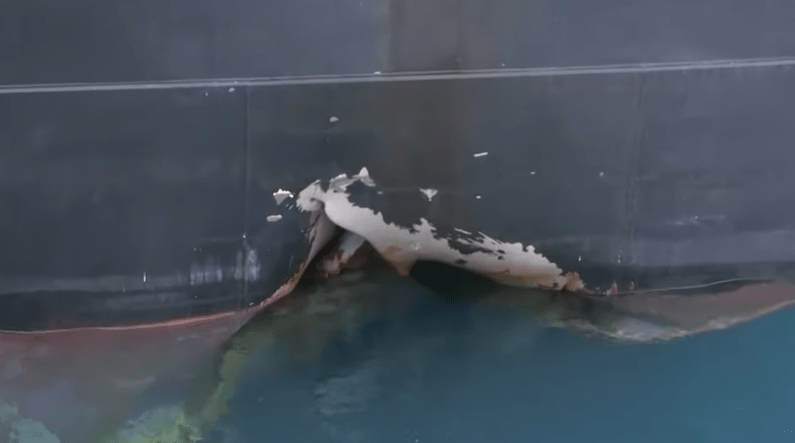
DUBAI/LONDON (Reuters) – Saudi Arabia said on Monday that two of its oil tankers were among those attacked off the coast of the United Arab Emirates and said it was an attempt to undermine the security of crude supplies amid tensions between the United States and Iran.

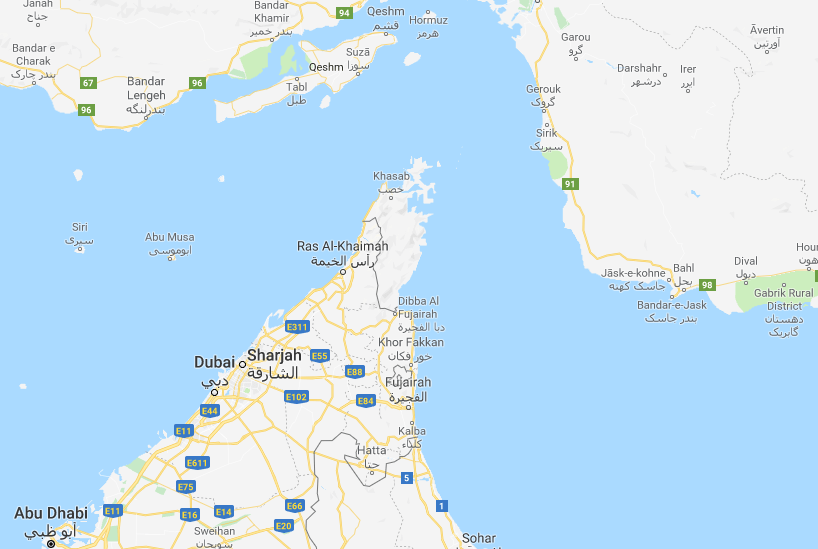
The UAE said on Sunday that four commercial vessels were sabotaged near Fujairah emirate, one of the world’s largest bunkering hubs lying just outside the Strait of Hormuz, but did not describe the nature of the attack or say who was behind it.

To continue reading, please click here.

Source: reuters.com

Exclusive: U.S. commander says he could send carrier into Strait of Hormuz despite Iran tensions

Phil Stewart

WASHINGTON (Reuters) – The commander overseeing U.S. naval forces in the Middle East told Reuters on Thursday that American intelligence showing a threat from Iran will not prevent him from sending an aircraft carrier through the vital Strait of Hormuz, if needed.

Vice Admiral Jim Malloy, commander of the U.S. Navy’s Bahrain-based Fifth Fleet, did not say whether he would send the USS Abraham Lincoln carrier strike group into the strategic waterway off Iran, through which passes a fifth of oil consumed globally.

To continue reading, please click here.

Source: reuters.com

Naval service specialists deliver training to Kenyan forces

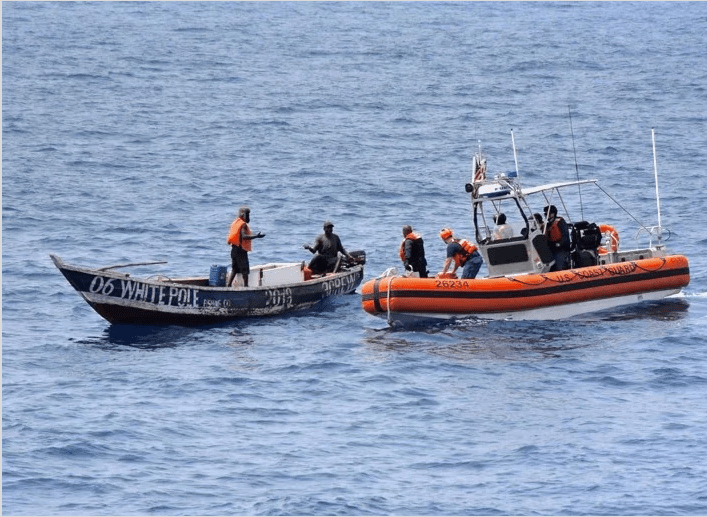
Royal Marines and Royal Navy specialists have been showing Kenyan security forces how to improve their ability to fight piracy, illegal fishing and drugs trafficking.

Specialists from 1 Assault Group Royal Marines’ Board and Search School and landing craftsmen from 43 Commando Fleet Protection Group travelled to Mombasa – Kenya’s second-largest city and one of Africa’s biggest trading hubs – to deliver training and share expertise.

The contingent, made up of Royal Marines and Royal Navy ranks, were part of the Tri-Service British Peace Support Team, an organisation that aims to aid United Nations and African Union Peace Support Operations.

The training group sought to understand the current situation that is impacting Kenya’s economy and create a coherent strategy for the future as they look to shore up security in the Indian Ocean port.

The training aimed to help Kenyan security forces become better equipped to deal with the threats they face and develop a clear plan to continue protecting their waters.

The majority of Kenyan trade comes through Mombasa and shutting down criminal activity is a priority for the country’s security forces.

Around 30 personnel from a variety of Kenyan agencies came to train and learn how to conduct successful board and search of suspicious vessels.

The first part of the training consisted of classroom-based sessions on board and search operations at sea, before phase two saw coastguard, police and port authority teams work together to practise their new skills in the water.

The training included an opening and closing ceremony attended by high ranking dignitaries, which included a demonstration of the skills learned during the sessions.

A further training package is now being arranged later this year.

Source: royalnavy.mod.uk