Maritime security: EU to the rescue of ECOWAS civil and maritime professionals

By Moctar FICOU

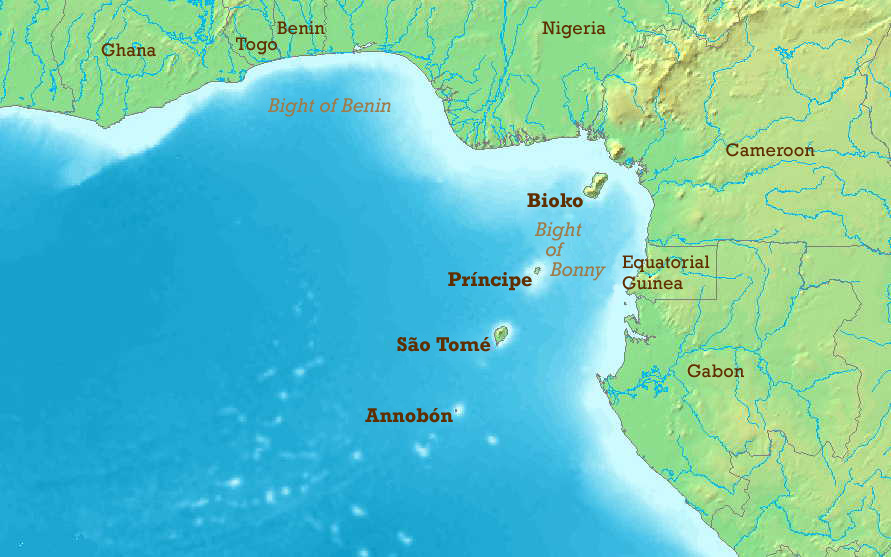
The European Union (EU) has awarded a grant of 1.5 million euros, or one (1) billion CFA francs, to the Institute for Interregional Maritime Safety (ISMI), the Regional Academy of Marine Science and Technology (ARSTM), to finance 16 training cycles between 2021 and 2024.

This initiative aims to strengthen the maritime security skills of civil and maritime professionals in the Economic Community of West African States (ECOWAS). The training, which will begin in January 2021, will put an end to illegal activities in the Gulf of Guinea.

To continue reading, please click here.

Source: vivafrik.com

MarsecNews: This item was translated into English by Bing. As a result, some errors may occur.

German Customs Officers Find Half a Tonne of Cocaine Aboard Bulker

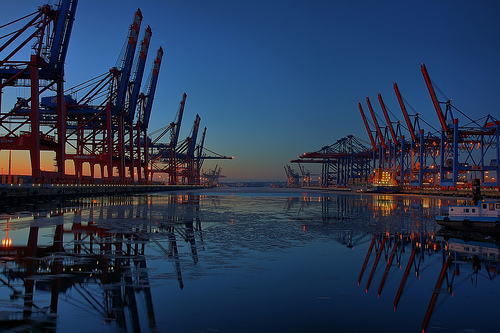
In a multiday operation, German customs authorities have seized half a tonne of cocaine from a bulker at the Port of Hamburg.

A large-scale operation by the Hamburg Customs Investigation Office began early last week. Based on tips from international partners, the investigators targeted a Montenegrin-flagged bulk carrier traveling from Brazil via England to Hamburg. Authorities suspected that the 180-meter freighter was being used to smuggle narcotics into the EU.

To continue reading, please click here.

Source: maritime-executive.com

Brexit: how the UK is preparing to secure its seas outside the EU

Scott Edwards, University of Bristol et Timothy Edmunds, University of Bristol

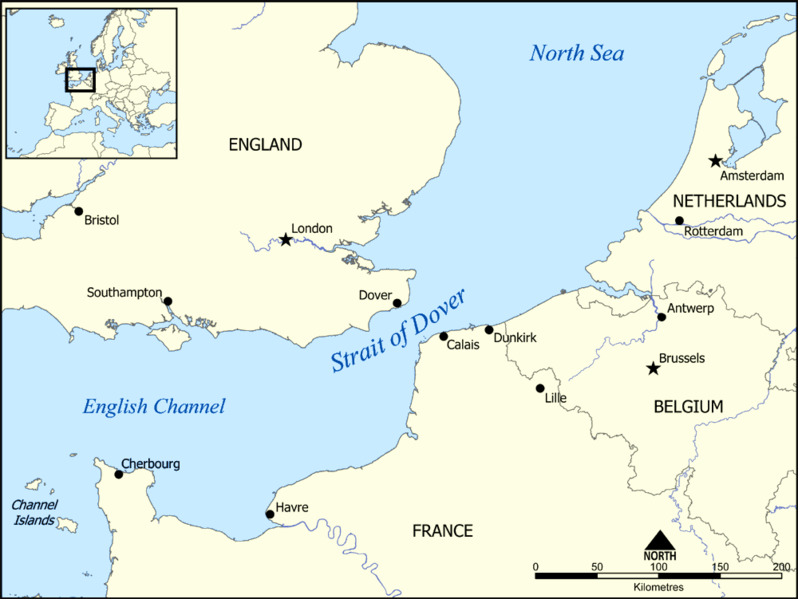
Four dinghies carrying 53 migrants who tried to cross the English Channel from France were intercepted by British and French authorities in early April. The crossings are a reminder of the importance of maritime security and safety to the UK.

Brexit has led to many uncertainties, including over the governance of the UK’s seas in the future. Withdrawal from EU regulations at the end of the Brexit transition period on December 31 2020 raises questions over how to face the difficult task of managing maritime risks which are currently managed alongside the EU.

Uncertainty has also spurred new government efforts by shining a light on the need to secure UK waters, something we’ve written about in a new report.

The UK faces rapidly evolving risks to its shipping lanes, fishing grounds and marine infrastructure. These risks include illegal fishing, human trafficking, organised crime such as smuggling, terrorism, and the potential for protests at sea.

Terrorist attacks could cause significant loss of life if targeted against ferries and cruise liners. Illegal fishing could affect the livelihoods of fishers and marine biodiversity, while other risks could have an impact on the wider economy in a context where 95% of Britain’s trade flows via the ocean.

These risks tend to interlink with each other in ways that are increasingly well documented in other regions of the world. In Somalia, for example, local fishers losing their stock as a result of illegal fishing have turned to piracy. What unintended consequences of new risks might appear in UK waters is still not fully understood.

Maritime security threats can also take place simultaneously. Without greater understanding of these risks, it’s difficult to know which should be prioritised.

Added complication of Brexit

These issues have been complicated by the UK’s withdrawal from the EU. During the current transition period the UK manages its waters within a wider EU maritime governance framework and under EU regulations, as it did while it was an EU member. While the UK isn’t expected to cease all cooperation with the EU when this comes to an end, it will be required to depend more on national enforcement and regulations.

This shift is most visible in the fisheries sector. As part of the EU, British fisheries were managed under the Common Fisheries Policy meaning both UK and EU fishing boats had access to quotas in UK waters. Such arrangements are likely to come to an end with the UK choosing to regulate its own waters.

UK ports are also a hotspot for change as they seem likely to withdraw from EU port legislation. This could lead to new national regulatory challenges such as a need to balance harmonisation with the EU with the pursual of British priorities like the creation of freeports, aimed to give British trade a competitive edge.

Taking sole responsibility is made difficult by other complicating factors. In the UK, different risks are managed by different government agencies, with problems of jurisdictional overlap.

Depending where it takes place, multiple agencies could be involved in illegal fishing, for example. This could include the Marine Management Organisation, Marine Scotland, and the Royal Navy’s Fishery Protection Squadron. Other agencies may contribute boats or intelligence, such as the National Maritime Information Centre, Border Force and the National Crime Agency.

Yet, a common understanding of the threats and consistent communication between departments is lacking in some areas. This is more of a problem for devolved issues such as fisheries, which add even more authorities, departments and agencies to the picture. The relationships between these different organisations are likely to be further tested by the challenges posed by Brexit.

Opportunity for reform

But Brexit also offers the UK an opportunity to improve its maritime security. The leak of Operation Yellowhammer in 2019 raised the public profile of maritime issues such as delayed freight in ports, the illegal entry of EU fishing boats into UK waters and potential clashes between fishing vessels. This came at a time where there were high profile landings of illegal migrants along the south coast of the UK, while Operation Yellowhammer warned of stretched maritime enforcement capabilities.

The UK has started off well. In 2019, the UK government created the Joint Maritime Security Centre (JMSC) to coordinate all the different agencies involved and foster interaction between them. The JMSC conducted a joint UK maritime security exercise at the end of 2019, highlighting how coordination can improve enforcement. It is also preparing a new UK maritime security strategy.

Interactions between the different government agencies involved in managing the risks to the UK seas need to become more frequent and overcome existing divides to create habits of cooperation and communication. Other groups such as fishing communities need to be included in deliberations. Transparency and information sharing in the process of drafting a new maritime security strategy can help to identify common goals, encourage involvement, and establish a shared basis for action.

A review of resources would also be worthwhile to identify the means the UK has to secure its waters, what gaps exist, and how these means can best be shared.The Conversation

Scott Edwards, Research Associate, University of Bristol et Timothy Edmunds, Professor of International Security at University of Bristol and Director of the Centre for Global Insecurity, University of Bristol

Cet article est republié à partir de The Conversation sous licence Creative Commons. Lire l’article original.

EU launches Operation IRINI to enforce Libya arms embargo

The European Union is stepping up its efforts to enforce the UN arms embargo on Libya, thereby contributing to the peace process in the country, through the launch of a new CSDP (Common Security and Defence Policy) military operation in the Mediterranean.

The Council today adopted a decision launching Operation EUNAVFOR MED IRINI.

Only political solutions and the full respect of the UN arms embargo will bring a solution to the Libyan crisis. But diplomacy cannot succeed unless it is backed by action. This operation will be essential and a clear contribution to promoting peace in our immediate neighbourhood through a permanent ceasefire.

Josep Borrell, High Representative of the Union for Foreign Affairs and Security Policy and President of the Council

IRINI, (Greek for “peace”), will have as its core task the implementation of the UN arms embargo through the use of aerial, satellite and maritime assets. In particular the mission will be able to carry out inspections of vessels on the high seas off the coast of Libya suspected to be carrying arms or related material to and from Libya in accordance with United Nations Security Council Resolution  2292 (2016).

As secondary tasks, EUNAVFOR MED IRINI will also:

  • monitor and gather information on illicit exports from Libya of petroleum, crude oil and refined petroleum products
  • contribute to the capacity building and training of the Libyan Coast Guard and Navy in law enforcement tasks at sea
  • contribute to the disruption of the business model of human smuggling and trafficking networks through information gathering and patrolling by planes

IRINI will be led by Rear Admiral Fabio Agostini as EU Operation Commander, and its headquarters will be located in Rome, Italy.

The mandate of Operation IRINI will initially last until 31 March 2021, and will be under the close scrutiny of EU Member States, that will exercise political control and strategic direction through the Political and Security Committee (PSC), under the responsibility of the Council and the High Representative of the Union for Foreign Affairs and Security Policy.

In parallel with the launch of Operation IRINI, the existing EUNAVFOR MED operation in the Mediterranean, SOPHIA, will permanently cease its activities.

Background

Participants at the Berlin Conference on Libya on 19 January 2020 committed in particular to fully respect and implement the arms embargo established by the United Nations Security Council Resolutions (UNSCR) 1970 (2011), 2292 (2016) and 2473 (2019).

Against this background, the Council reached a political agreement to launch a new operation in the Mediterranean, aimed at implementing the UN arms embargo on Libya by using aerial, satellite and maritime assets on 17 February 2020.

EUNAVFOR MED operation SOPHIA was launched on 22 June 2015 as part of the EU’s comprehensive approach to migration, and will cease permanently on 31 March.

Source: consilium.europa.eu

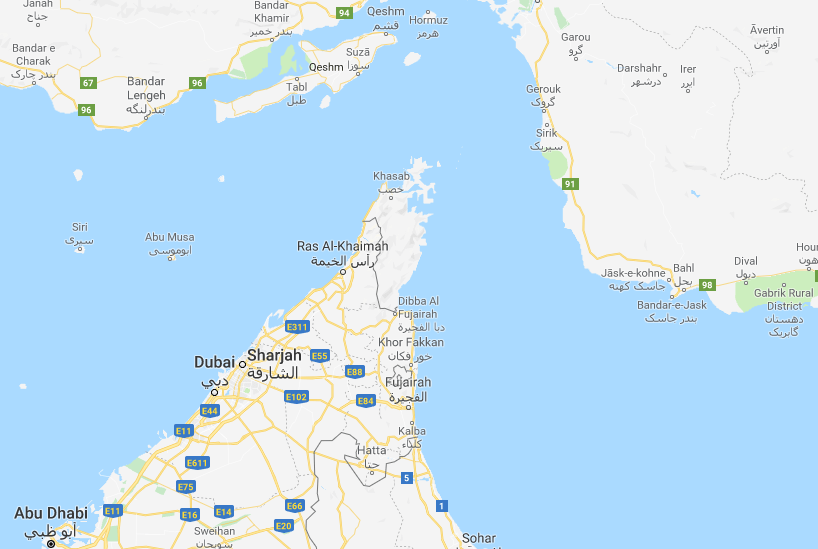
Eight Countries Back European-Led Naval Mission In Strait Of Hormuz

Eight European Union member states have given their support for a European-led maritime surveillance mission in the Strait of Hormuz, a strategic route for world oil supplies.

Belgium, Denmark, France, Germany, Greece, Italy, the Netherlands, and Portugal backed the new force, they said in a “political statement” issued by France’s Foreign Ministry on January 20.

To continue reading, please click here.

Source: rferl.org

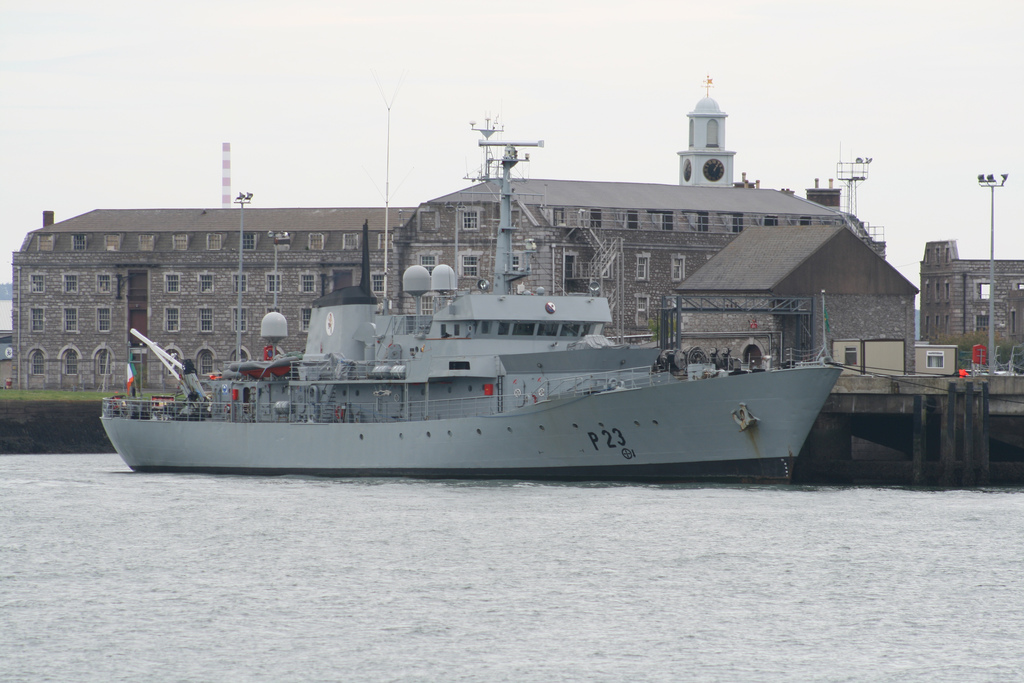
Former Irish naval vessel sold to Libyan civil war leader

LE Aisling, via Wikipedia and https://www.flickr.com/people/bcie

UN Security Council traces ownership via UAE to Libya, contrary to sanctions

Details of how a decommissioned Irish naval vessel, the LÉ Aisling, sold by the Government for €110,000 in 2017, was bought by a Libyan warlord for $1.5 million (€1.35 million), are contained in a report that has been submitted to the UN Security Council.

The former Irish coastal patrol vessel has since been fitted out with three cannons it was originally designed to carry, and renamed the Al Karama (Dignity).

To continue reading, please click here.

Source: irishtimes.com

EU-funded exercise to boost maritime security cooperation

Through the MASE programme funded by the European Union, the Indian Ocean Commission organised the first MASE POLMAR 2019 wide-ranging regional exercise from 16 to 20 October in Madagascar.

The event brought together representatives of the MASE agreements’ signatories countries: Comoros, Djibouti, France, Reunion Island, Madagascar, Mauritius, Seychelles and Somalia as an observer, International liaison officers and watch-standers from the Regional Maritime Information Fusion Centre and the Regional Coordination of Operation Centre, as well as a representative of the European Navy – EUNAVFOR.

To continue reading, please click here.

Source: neweurope.eu

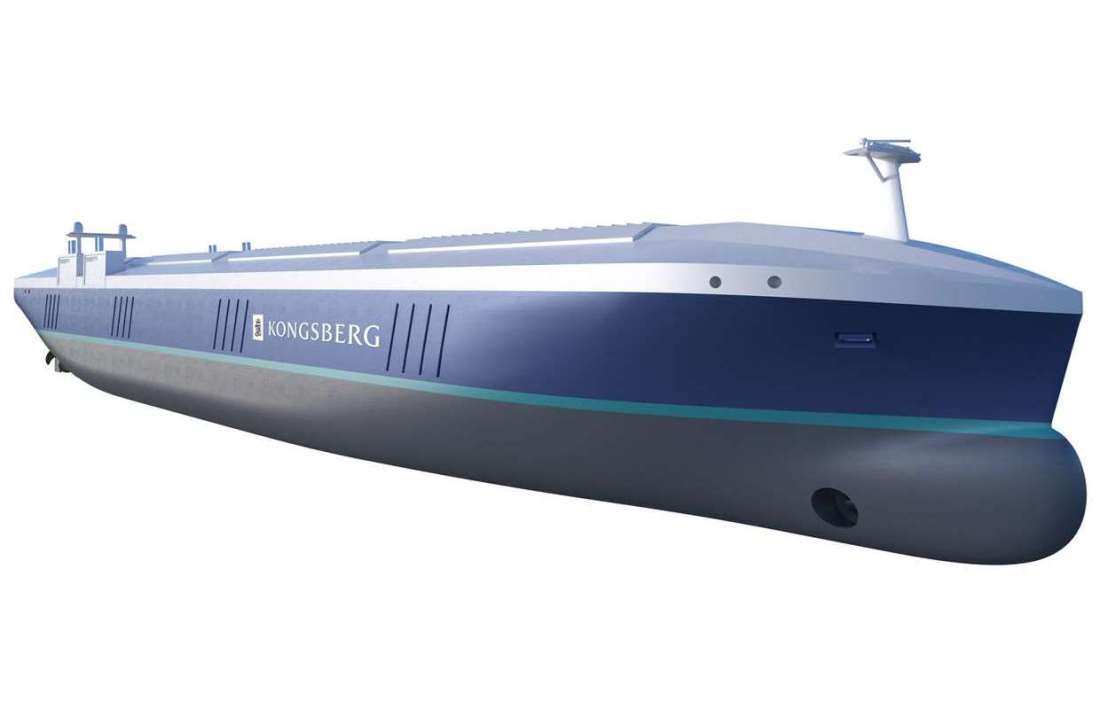
Autonomous Shipping – Cyber Hazards Ahead

By Jeffery Mayger

If autonomous vessels are the future of maritime shipping, then cyber threats may be its Achilles heel. 

Congested shipping, restricted visibility, limited maneuverability, and intensive docking activities all contribute to port hazards – 42 percent of EU reported marine accidents (injury/death/damage to ships) took place in port areas and 44 percent of workboat fatalities occurred on Tugs. Autonomous shipping should provide numerous benefits including increased safety by relieving crewmembers of unsafe and repetitious tasks. Yet, with cyberattacks threatening every industry, this nascent technology is a large target. If autonomous vessels are the future of maritime shipping, then cyber threats may be its Achilles heel.

To continue reading, please click here.

Source: marinelink.com

Agency wants EU to expand maritime security mandate over Horn of Africa

By WINNIE ATIENO

A regional maritime organisation wants a European Union military ships operating in the Horn of Africa to extend its mandate to cover all maritime crimes in the Indian Ocean.

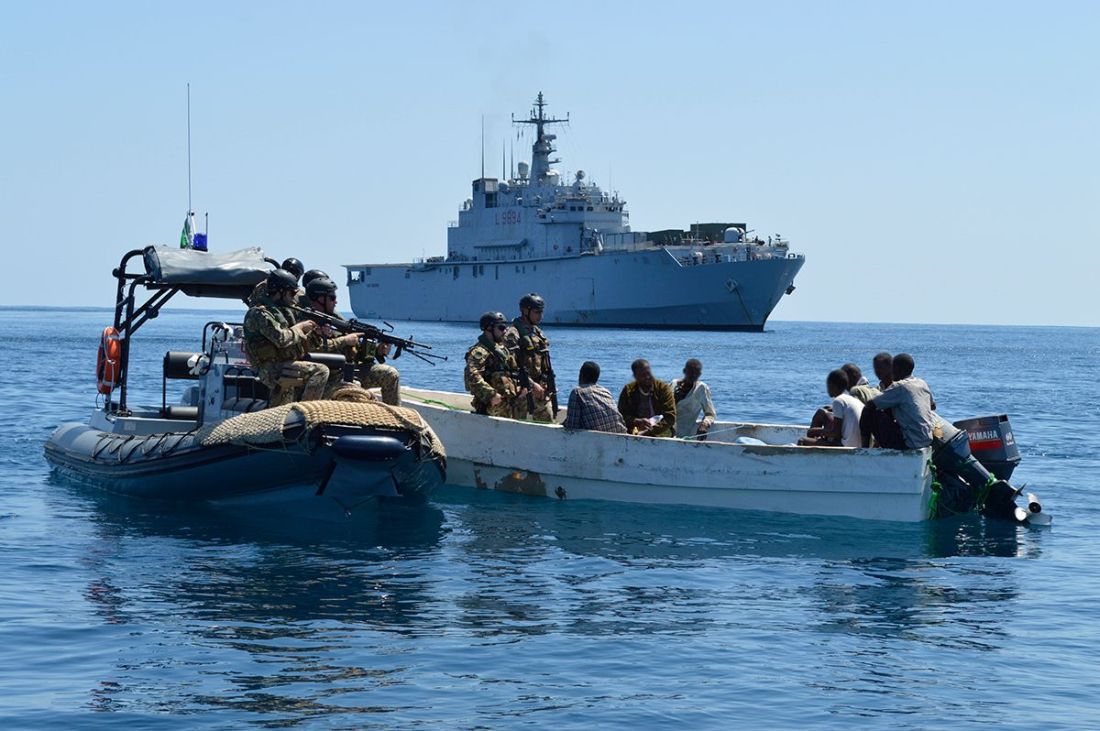
The Inter-Governmental Standing Committee on Shipping (ISCOS), says the EU NAVFOR Somalia Operation ATALANTA— which mainly focuses on anti-piracy activities — should extend its mandate to deal with all the maritime crimes including terrorism, charcoal smuggling as well as drug and human trafficking.

To continue reading, please click here.

Source: businessdailyafrica.com

MSN Note: Expanding the mandate of Operation Atalanta has been discussed for years, but this is the first real credible move. Somalis have been asking for fisheries protection for some time, and a naval presence would go some way to deterring foreign fleets from IUU fishing activity in Somali waters. Additionally, as Somalia and Kenya continue to argue about their respective TTWs, maritime security for oil and gas will become increasingly important in the region. Al Shabaab continues to profit from smuggled charcoal, something which would become much harder with additional maritime security present.

Germany ‘Reluctant’ On U.S. Plan For Naval Patrols Off Iran

Persian Gulf/SoH

Germany is “reluctant” to join a proposed U.S.-led naval mission in the Strait of Hormuz but would consider participating in a European mission, Chancellor Angela Merkel’s government said July 31.

The government was responding to Washington’s proposal a day earlier “to help secure” the world’s busiest oil shipping lane and “combat Iranian aggression,” which came at a time of heightened tensions between the United States and Tehran.

To continue reading, please click here.

Source: en.radiofarda.com