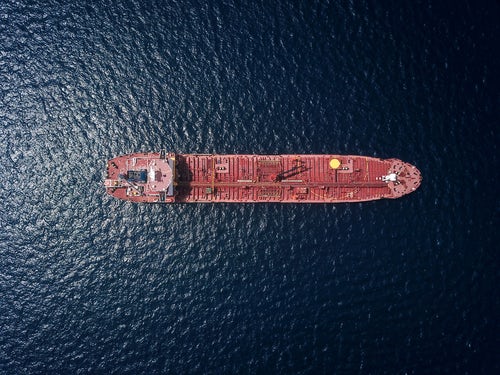
A vessel operated by Hamburg-based Bernhard Schulte Ship management was attacked by two speedboats in the Gulf of Guinea on Friday.
The Maersk Tema was attacked by two speedboats off the Nigerian coast, a spokesman for Peter Doehle Schiffart and Bernhard Schulte said. The crew followed emergency procedures, but the spokesman did not say whether the pirates had boarded the ship.
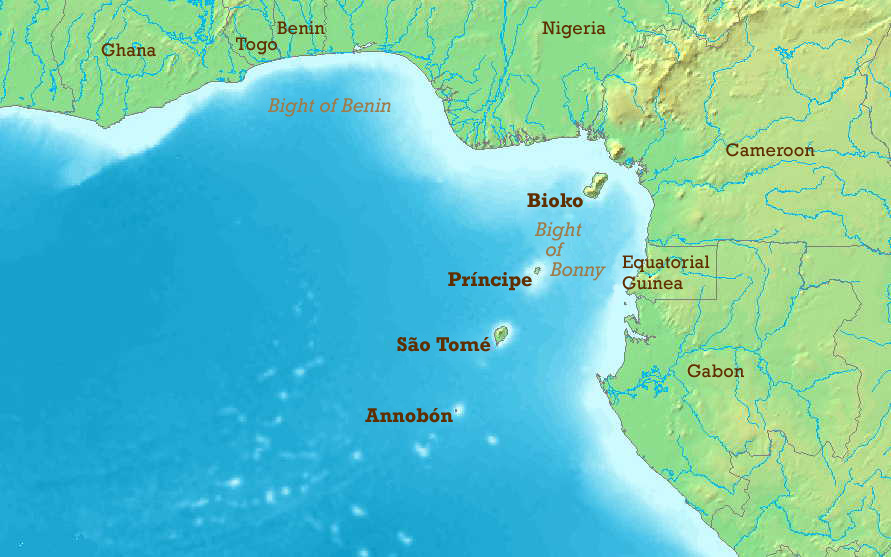
Maritime piracy has increased off the west coast of Africa, in the Gulf of Guinea, despite preventative measures. The issues lie on land rather than at sea. Is it time for the international community to intervene?
Nine out of 10 maritime incidents of piracy and kidnappings for ransom are reported in West Africa’s Gulf of Guinea, which stretches 5,700 kilometres (3,500 miles) from Senegal to Angola.
As the number of crew members kidnapped by pirates worldwide decreased, the number reported in the Gulf of Guinea increased from 78 in 2018 to 121 in 2019.
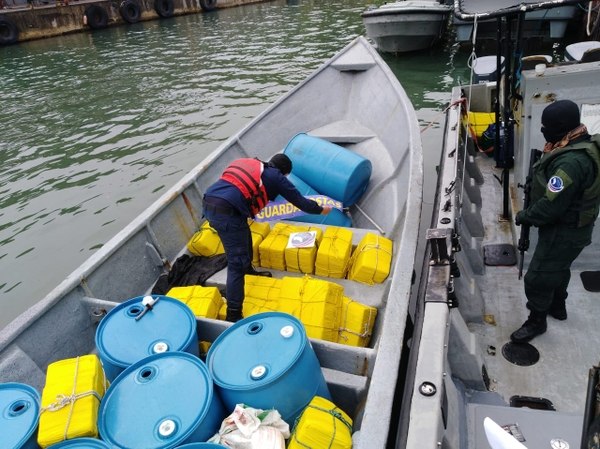
The Nigerian Navy has handed over seven Sri-Lankas, 46 Nigerians and two Ghanaians who were crew members on board seven vessels that were arrested between December 3, 2019, and December 30, 2019, over alleged illegal bunkering, to the Economics and Financial Crimes Commission, EFCC for prosecution.
One of the vessels arrested by operatives of the Nigerian Navy Ship, NNS Beecroft, MT ZEEBRUGGE, in which were the Sri-Lankas, sailed all the way from Morocco to Nigeria, to get the product.
The Minister of Transport, Mr Kwaku Ofori Asiamah, has urged the Executive Council of the Association of African Maritime Administration (AAMA) to develop measures that will curb the exploitation of Africa’s fishery sector by foreign fishing companies.
He said the exploitation of Africa’s fishery sector by foreign fishing companies was depriving African governments a valuable source of revenue critical to their economic growth.
Residents of villages located in the Atlas Cove area of Lagos State recently heaved a sigh of relief following the eviction of some persons suspected to be pipeline vandals from the area by the military.
Over 300 spot of vandalized pipeline were discovered in the long stretch between Atlas Cove and Ilashe village, which according to officials of the Nigerian National Petroleum Corporation (NNPC), could be equated to travelling from Marina to Badagry.
At the ECR Conference on Maritime Security and the Blue Economy yesterday in the European Parliament, ECSA raises the alarm about the dire security situation in the Gulf of Guinea.
“Urgent action has to be taken by the EU right away. The new European Commission wants to be a geopolitical Commission, and this is a topic that the geopolitical Commission can deliver on,” said Martin Dorsman, ECSA’s Secretary General.
Three major international ocean shipping representative bodies — the International Chamber of Shipping, the Asian Shipowners’ Association and the European Community Shipowners’ Association — have called for the international community to stop the escalation of tensions in the Strait of Hormuz. They also have called for the international community to fully respect international law. “All countries should ensure the safe passage of merchant vessels by respecting the freedom of navigation enshrined in Article 87(1)a and the right of innocent passage defined in Article 19 of the 1982 United Nations Convention on the Law of the Sea [UNCLOS],” the joint statement reads.
Meeting reiterates: threat of piracy not eradicated off the Horn of Africa.
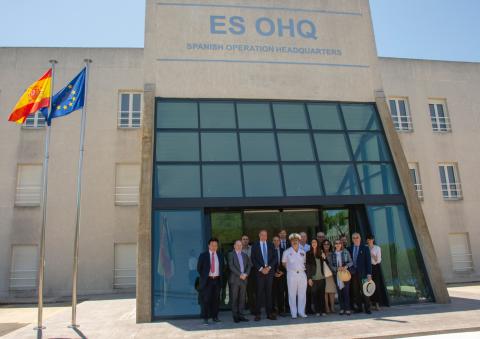
On 23 May, ECSA’s Maritime Security Working Group met with the EU NAVFOR Somalia Operation Atalanta at their operation headquarters in Rota, Spain.
Representing the European shipping industry, the ECSA delegation met with the EU NAVFOR’s team to discuss the current state of piracy off the coast of Somalia. The delegation also visited the naval assets participating in Operation Atalanta. For the past ten years, EU NAVFOR has deterred and prevented acts of piracy and armed robbery off the coast of Somalia, protected vessels of the World Food Programme (WFP) and African Union Mission Somalia (AMISOM), and monitored acts of illegal fishing.
While it is true that today the number of attacks is minimal, this is only a result of the industry’s implementation of Best Management Practices along with the combined action of different actors and organisations, notably the states in the region.
“We know for a fact that pirate networks maintain the intent, the means and the capability to deploy and attack merchant vessels,” said R. Adm. Antonio Martorell Lacave. “It is up to us – military operations, coalitions and regional states – to uphold deterrence, operate in a flexible and agile manner and keep the seas safe.”
“Operation Atalanta has been a key element in the decrease of piracy attacks,” Flemming Dahl Jensen ECSA’s Maritime Security Working Group Chair mentioned. “We need to ensure there are sufficient resources allocated to guarantee its successful continuation.”
EU NAVFOR remains committed to deterring, preventing and suppressing piracy and emphasizes that the Maritime Industry must continue to adhere to BMP measures in order to maximize the safety of the ships and crews whilst transiting the high-risk area.
The European shipowners expressed their support to EU NAVFOR Operation Atalanta and their close cooperation with other international actors. The shipping industry will continue to cooperate with the EU NAVFOR team to ensure that Somali-based piracy stays suppressed.



 Maritime Security News