The increase in piracy attempts in the Singapore Strait is a cause for concern as terrorists could exploit the same loopholes to wreak havoc, say security experts.
Government officials have called for greater collaboration with regional neighbours to address the threat.
Yet another ship was involved in a piracy incident on Wednesday in the Singapore Strait following five vessels already attacked by pirates earlier on 20 and 23 December, according to an update by ReCAAP Information Sharing Centre (ISC).
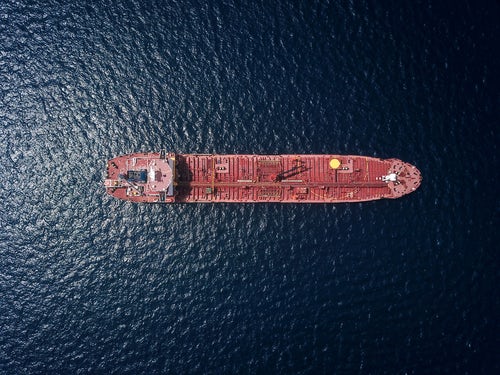
On 25 December, an incident occurred to tanker Stena Immortal while underway in the eastbound lane of Singapore Strait when six unarmed perpetrators were sighted in the engine room of the ship.
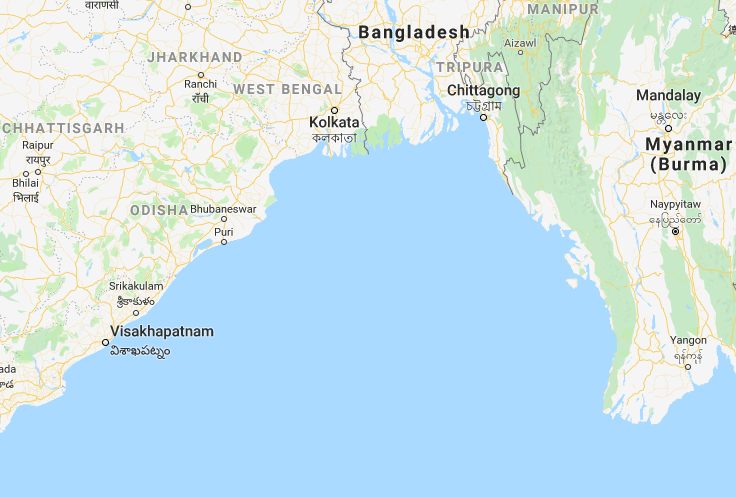
Bangladesh Coast Guard on Thursday requested journalists not to use the word ‘piracy’ or ‘pirate’ while referring to robbery incidents on inland and coastal waterways.
The word ‘piracy’ on sea refers to robbery or criminal incidents outside the maritime boundary of the country while the incidents handled by the coast guards occur along the coast of the country and is thus robbery, said a release.
Five vessels were attacked by pirates in the Eastbound lane of the Singapore Strait on 20 and 23 December with the crew on one assaulted, and tied on up on two, adding to a string of incidents in the busy shipping lane.
The tanker Jag Lalit was boarded by six perpetrators armed with knives at 23-25 hours in the Singapore Strait while bound for Kaohsiung, Taiwan, according to the ReCAAP Information Sharing Centre (ISC). Members of the crew were assaulted in the attack with the 4th engineer punched in the face and the chief engineer suffering bruising to his neck with a gold chain stolen from him.
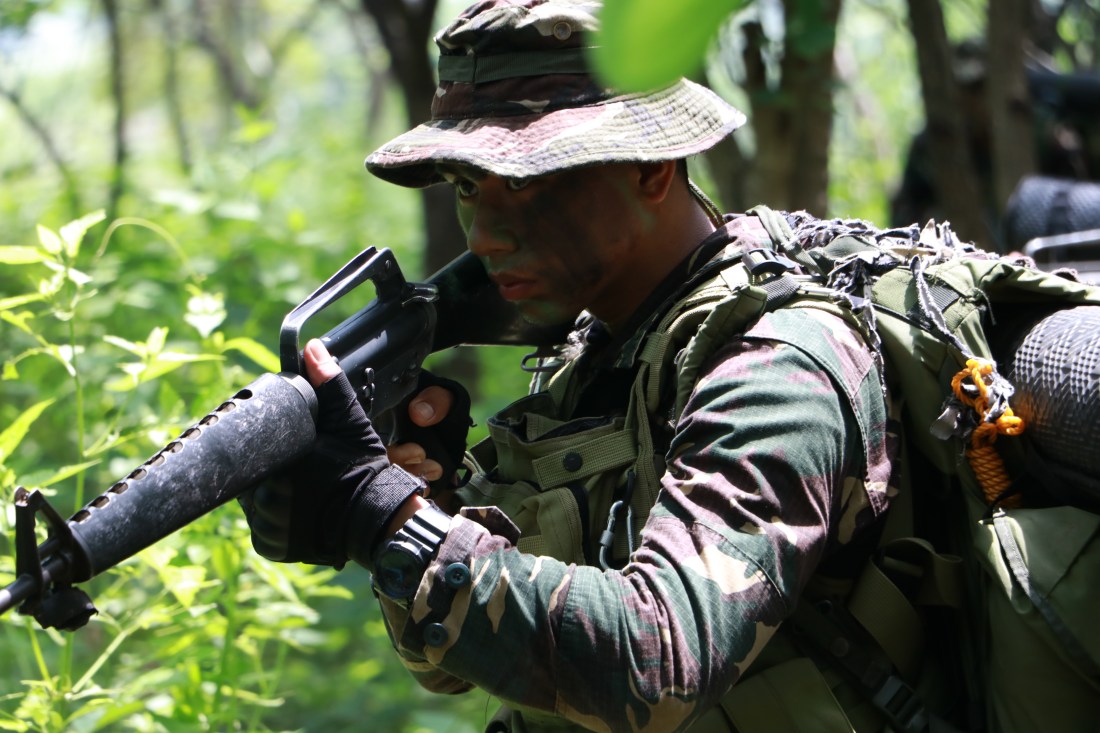
MANILA: Philippine forces rescued two of three Indonesian hostages Sunday after a gun battle with their captors from the Muslim militant group Abu Sayyaf in the southern jungles, a regional military commander said.
A soldier and a militant were killed in two successive firefights at dawn that allowed troops to rescue the two Indonesians in the mountainous hinterlands off Panamao town in Sulu province, said Lt Gen Cirilito Sobejana.
MARITIME AUTHORITIES from neighboring Asian countries are meeting in Manila on Dec. 18–19 to tackle security in the Sulu and Celebes Seas, where the Abu Sayyaf terror group is the biggest threat, according to the Philippine Coast Guard (PCG).
The gathering is attended by representatives from the Philippines, Indonesia, Malaysia, Vietnam, and China. It is convened by the PCG and the Regional Cooperation Agreement on Combating Piracy and Armed Robbery against Ships in Asia (ReCAAP) Information Sharing Centre (ISC).
Regular readers will know that I try to ensure all news published here is relevant and factual. In recent days, I’ve noticed that a number of historical articles relating to piracy in West and East Africa as well as incidents of abduction in SE Asia have appeared online.
Often, this occurs because news sites are updating databases or re-loading previously deleted items. However, for anyone searching for open source maritime security items, there’s a clear danger of confusion. Today, I’ve seen several sites post and then delete items which relate to the hijacking of the MV Aris 13, an incident I was heavily involved in and which helped to resolve.
The bottom line is that if you get your intel from open sources, make sure you verify it. If not, you could end up sharing something alarming, but which happened several years ago…
ReCAAP Information Sharing Centre Conducts Anti-Piracy Capacity Building Programme for Senior Officers of Maritime Authorities and Law Enforcement Agencies in Cooperation with Vietnam Coast Guard ReCAAP Information Sharing Centre (ISC) in cooperation with ReCAAP Vietnam Focal Point (Vietnam Coast Guard) today convened the Capacity Building Senior Officer’s Meeting in Hanoi, Vietnam.
The three-day programme will gather senior officers from 16 ReCAAP Member Countries as well as Malaysia and Indonesia to review the situation of piracy and armed robbery against ships in Asia including the incidents of abduction of crew in the Sulu-Celebes Seas, share specific case studies, and discuss ways to improve the maritime safety situation in Asia.
Complementing the programme is a lecture on international maritime laws and their applications, as well as a scenario-based exercise facilitated by Professor Max Mejia of the World Maritime University.
Participants of the programme will also have an opportunity to have a dialogue with the shipping industry based in Vietnam to better understand their concerns.
“The ReCAAP model is unique because it gives emphasis on information sharing among a network of 20 ReCAAP Focal Points across Asia, Australia, Europe and the United States as an approach to fighting maritime crimes,” said Mr. Masafumi Kuroki, Executive Director of ReCAAP ISC. “Thanks to the regional and international cooperation, incidents of piracy and sea robbery in Asia are decreasing. We will continue to strengthen the capability and cooperation of ReCAAP Focal Points and regional authorities to keep Asian waters—one of the most economically vital in the world—safe for seafarers, ships and cargoes.”
The ReCAAP Member Countries represented at the Capacity Building Senior Officers’ Meeting 2019 in Hanoi are Australia, Bangladesh, Brunei, Cambodia, China, India, Japan, Korea, Laos, Myanmar, the Philippines, Singapore, Sri Lanka, Thailand, the United Kingdom, and Vietnam.
Mr. Masafumi Kuroki, Executive Director of ReCAAP Information Sharing Centre noted that the ReCAAP model of information sharing among a network of 20 ReCAAP Focal Points across Asia, Australia, Europe and the United States is an effective approach to fighting maritime crimes
A British man and his wife rescued this week from Islamist captors in the Philippines’ south said they were chained and threatened with beheading if a ransom was not delivered.
The couple, shaken but unharmed, shared the details of their nearly two-month ordeal with reporters after escaping during a gunfight on Monday between Philippine troops and the Islamic State (IS)-linked Abu Sayyaf group.
The Philippines and Indonesian militaries are indulged in a five-day maritime training that started Monday to enhance the readiness of both navies in addressing common maritime security concerns and interests.
Lieutenant General Felimon Santos Jr., commander of Eastern Mindanao Command (EastMinCom), spearheaded the opening ceremony of the first Philippine-Indonesia Maritime Training Activity (MTA) at the Naval Station Felix in Panacan, Davao City.






 Maritime Security News