Sea Piracy in 2025: Piracy 2.0?

By Francois Morizur

Pirates have demonstrated their ability to revise their modes of operation in response to maritime industry behavior and the responses of coastal states. When looking the Gulf of Guinea, confirmed as the main world maritime piracy hotspot for almost five years, it’s interesting to consider that evolution.

Before 2010, piracy in the Gulf was limited to coastal area less than 30 nautical miles from shore. As ships kept their distance from shore, the pirates improved theirs range of operation with the use of mother vessels but also, very quickly, with new capacity to operate their skiffs without mother vessels out to 100-120 nautical miles from shore. They improved their endurance, safe sailing ability and communication to connect with their targets.

To continue reading, please click here.

Source: maritime-executive.com

ReCAAP ISC Weekly Report 14-20 April 2020

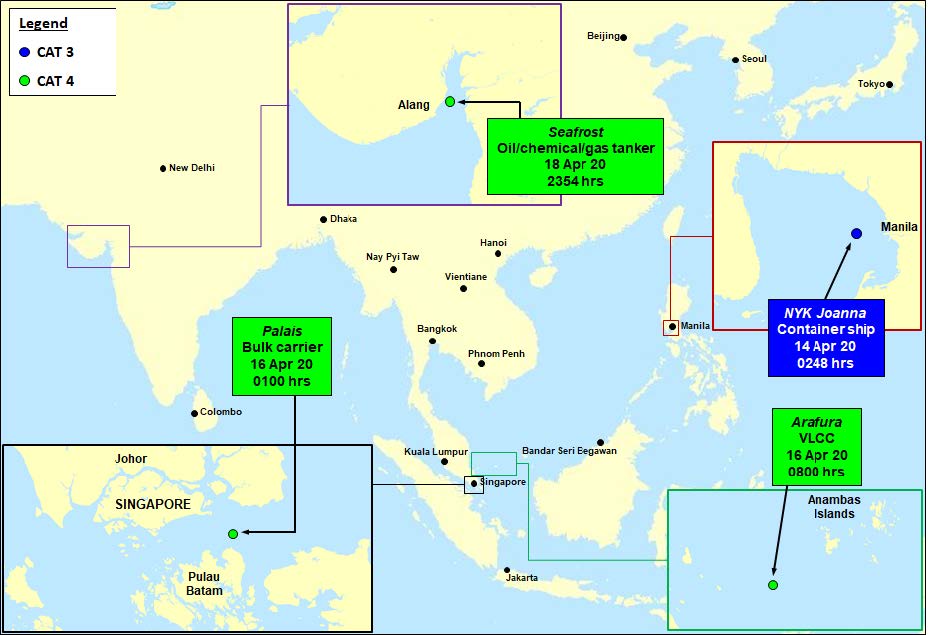
During 14-20 Apr 20, four incidents of piracy and armed robbery against ships in Asia were reported to the ReCAAP ISC. Of the four incidents, one was a piracy incident (CAT 41) that occurred on board a VLCC while underway in the South China Sea.

The three incidents of armed robbery against ships were a CAT 32 incident that occurred on board a container ship while anchored at Manila International Container Terminal (MICT) Breakwater, Philippines, two CAT 4 incidents that occurred on board, a bulk carrier while underway in the eastbound lane of the Traffic Separation Scheme (TSS) in the Singapore Strait and an oil tanker while anchored off Alang Anchorage, India.

To continue reading, please click here.

Source: recaap.org

To download the report, please click here.

Curfew in ESSZone extended to May 5

Sabah

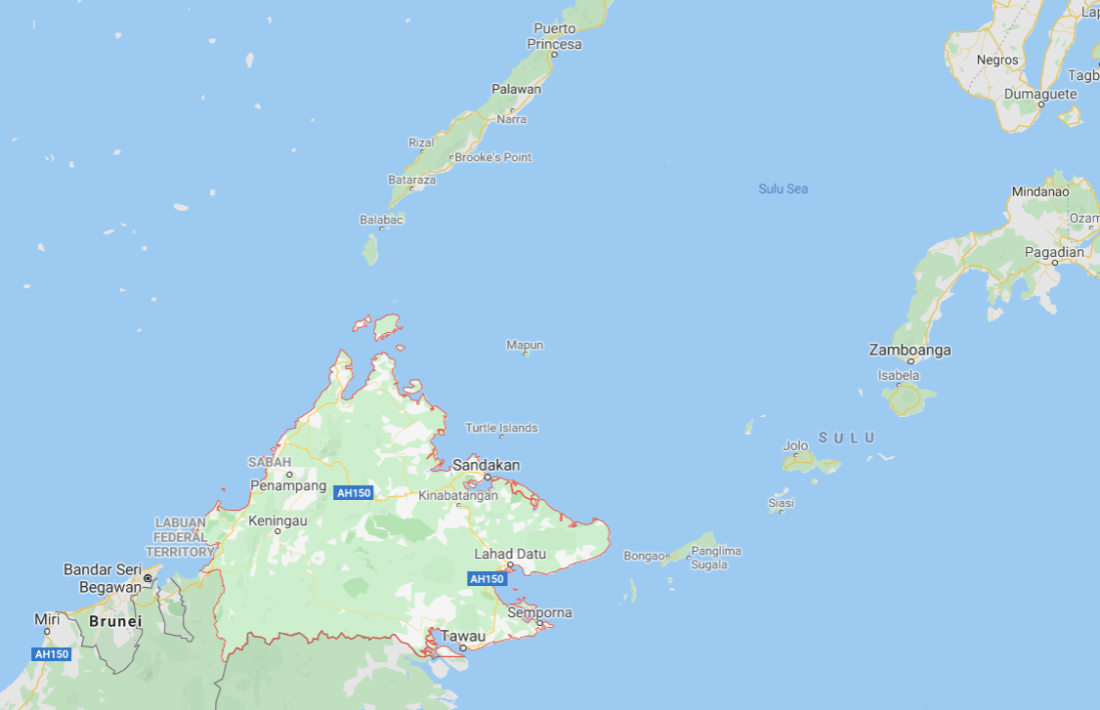
KOTA KINABALU, April 21 — The curfew in waters off seven districts in the Eastern Sabah Security Zone (ESSZone) that was ended at 6pm yesterday has been extended until May 5, said Sabah Police Commissioner Datuk Zaini Jas.

He said during the curfew, which covered the waters off Tawau, Semporna, Kunak, Lahad Datu, Kinabatangan, Sandakan and Beluran, people living in the areas were required to stay indoors and were not allowed to be in the waters between 6pm and 6am.

To continue reading, please click here.

Source: malaymail.com

Covid-19: Indian Navy remains ‘combat ready’ despite spread of coronavirus

The Indian Navy (IN) has emphasised that it remains “combat-ready, mission-capable, and in full readiness”, after 26 of its personnel were quarantined after testing positive for Covid-19 coronavirus.

“All missions for coastal and offshore security continue as before. Operational units are being maintained in readiness by following a 14-day quarantine routine to meet immediate contingencies, including assistance to civil authorities and friendly maritime neighbours, said India’s Press Information Bureau (PIB) on 18 April. “Our naval assets continue to be mission-deployed in three dimensions, with all the networks and space assets functioning optimally,” it added.

To continue reading, please click here.

Source: janes.com

MMEA beefs up patrol at hotspots

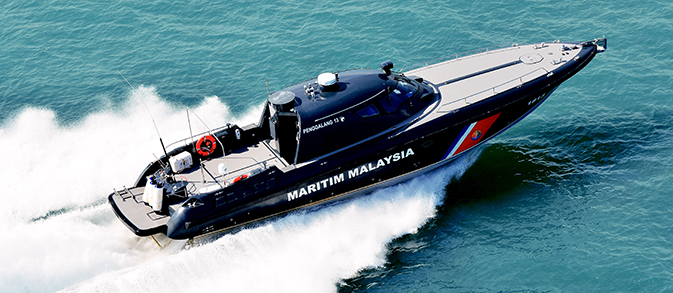
MMEA vessel. Image via diabgroup.com

By IMRAN HILMY

LANGKAWI: The Malaysian Maritime Enforcement Agency (MMEA) has deployed more of its assets at sea and air to beef up patrols and increase enforcement during the movement control order (MCO) period nationwide.

Kedah and Perlis MMEA deputy operations director Kapt Zulinda Ramly said the increase of the assets was meant to prevent cross-border criminal activities, which include human trafficking, contraband smuggling, piracy and encroachment of foreign fishermen, especially at hotspots in the maritime zone along the Straits of Malacca, South China Sea and Sulu Sea.

To continue reading, please click here.

Source: thestar.com.my

Maritime security: NIMASA, Navy to improve information sharing

Nigerian Maritime Administration and Safety Agency (NIMASA) and the Nigeria Navy have made arrangements to improve information sharing through their respective security platforms to enhance maritime security in the country.

The NIMASA Command, Control, Computer Communication and Information Centre otherwise known as the C4i Centre of the Deep Blue Project along with the Falcon Eye of the Nigerian Navy are undergoing integration.

To continue reading, please click here.

Source: vanguardngr.com

Brexit: how the UK is preparing to secure its seas outside the EU

Scott Edwards, University of Bristol et Timothy Edmunds, University of Bristol

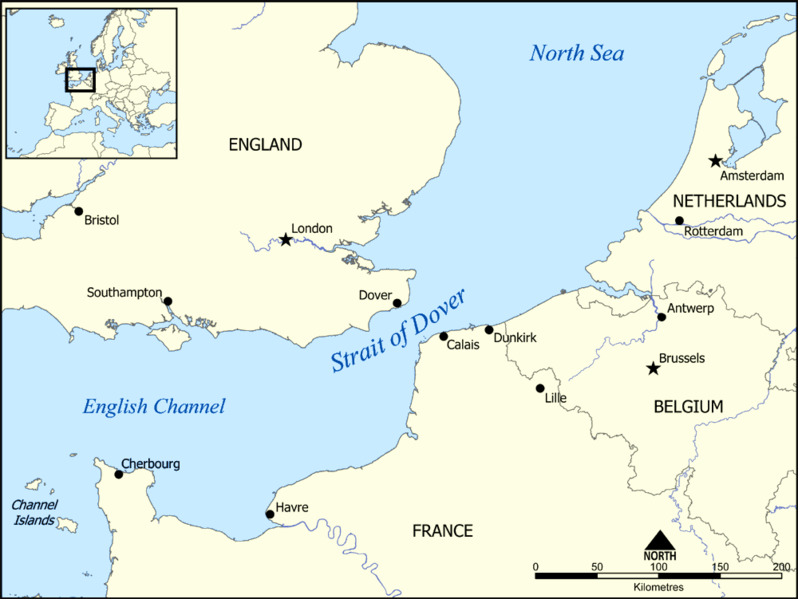
Four dinghies carrying 53 migrants who tried to cross the English Channel from France were intercepted by British and French authorities in early April. The crossings are a reminder of the importance of maritime security and safety to the UK.

Brexit has led to many uncertainties, including over the governance of the UK’s seas in the future. Withdrawal from EU regulations at the end of the Brexit transition period on December 31 2020 raises questions over how to face the difficult task of managing maritime risks which are currently managed alongside the EU.

Uncertainty has also spurred new government efforts by shining a light on the need to secure UK waters, something we’ve written about in a new report.

The UK faces rapidly evolving risks to its shipping lanes, fishing grounds and marine infrastructure. These risks include illegal fishing, human trafficking, organised crime such as smuggling, terrorism, and the potential for protests at sea.

Terrorist attacks could cause significant loss of life if targeted against ferries and cruise liners. Illegal fishing could affect the livelihoods of fishers and marine biodiversity, while other risks could have an impact on the wider economy in a context where 95% of Britain’s trade flows via the ocean.

These risks tend to interlink with each other in ways that are increasingly well documented in other regions of the world. In Somalia, for example, local fishers losing their stock as a result of illegal fishing have turned to piracy. What unintended consequences of new risks might appear in UK waters is still not fully understood.

Maritime security threats can also take place simultaneously. Without greater understanding of these risks, it’s difficult to know which should be prioritised.

Added complication of Brexit

These issues have been complicated by the UK’s withdrawal from the EU. During the current transition period the UK manages its waters within a wider EU maritime governance framework and under EU regulations, as it did while it was an EU member. While the UK isn’t expected to cease all cooperation with the EU when this comes to an end, it will be required to depend more on national enforcement and regulations.

This shift is most visible in the fisheries sector. As part of the EU, British fisheries were managed under the Common Fisheries Policy meaning both UK and EU fishing boats had access to quotas in UK waters. Such arrangements are likely to come to an end with the UK choosing to regulate its own waters.

UK ports are also a hotspot for change as they seem likely to withdraw from EU port legislation. This could lead to new national regulatory challenges such as a need to balance harmonisation with the EU with the pursual of British priorities like the creation of freeports, aimed to give British trade a competitive edge.

Taking sole responsibility is made difficult by other complicating factors. In the UK, different risks are managed by different government agencies, with problems of jurisdictional overlap.

Depending where it takes place, multiple agencies could be involved in illegal fishing, for example. This could include the Marine Management Organisation, Marine Scotland, and the Royal Navy’s Fishery Protection Squadron. Other agencies may contribute boats or intelligence, such as the National Maritime Information Centre, Border Force and the National Crime Agency.

Yet, a common understanding of the threats and consistent communication between departments is lacking in some areas. This is more of a problem for devolved issues such as fisheries, which add even more authorities, departments and agencies to the picture. The relationships between these different organisations are likely to be further tested by the challenges posed by Brexit.

Opportunity for reform

But Brexit also offers the UK an opportunity to improve its maritime security. The leak of Operation Yellowhammer in 2019 raised the public profile of maritime issues such as delayed freight in ports, the illegal entry of EU fishing boats into UK waters and potential clashes between fishing vessels. This came at a time where there were high profile landings of illegal migrants along the south coast of the UK, while Operation Yellowhammer warned of stretched maritime enforcement capabilities.

The UK has started off well. In 2019, the UK government created the Joint Maritime Security Centre (JMSC) to coordinate all the different agencies involved and foster interaction between them. The JMSC conducted a joint UK maritime security exercise at the end of 2019, highlighting how coordination can improve enforcement. It is also preparing a new UK maritime security strategy.

Interactions between the different government agencies involved in managing the risks to the UK seas need to become more frequent and overcome existing divides to create habits of cooperation and communication. Other groups such as fishing communities need to be included in deliberations. Transparency and information sharing in the process of drafting a new maritime security strategy can help to identify common goals, encourage involvement, and establish a shared basis for action.

A review of resources would also be worthwhile to identify the means the UK has to secure its waters, what gaps exist, and how these means can best be shared.The Conversation

Scott Edwards, Research Associate, University of Bristol et Timothy Edmunds, Professor of International Security at University of Bristol and Director of the Centre for Global Insecurity, University of Bristol

Cet article est republié à partir de The Conversation sous licence Creative Commons. Lire l’article original.

Navy hands over 3 seized barges to EFCC in Rivers

Three barges allegedly involved in illicit oil deal and seized by the Nigerian Navy may be forfeited to the Federal Government on conclusion of investigation, a naval official said on Thursday.

The barges were allegedly moving unspecified quantity of petroleum product believed to be adulterated diesel before they were seized.

To continue reading, please click here.

Source: guardian.ng

ReCAAP ISC: Piracy and Sea Robbery Incidents Tripled in Asia During First Quarter of 2020

A total of 29 incidents of armed robbery against ships (comprising 28 actual incidents and one attempted incident) were reported in Asia during January-March 2020 compared to 10 incidents (comprising nine actual incidents and one attempted incident) during January-March 2019. This accounts for a three-fold increase in the total number of incidents reported during January-March 2020 compared to the same period in 2019. All incidents reported during January-March 2020 were armed robbery against ships. No piracy incident was reported.

The increase of incidents during January- March 2020 occurred in Bangladesh, India, Indonesia, the Philippines and Singapore Strait. Three incidents were reported in Bangladesh during January-March 2020 compared to no incident during January-March 2019. Six incidents were reported in India during January-March 2020 compared to no incident during the same period in 2019. In Indonesia, six incidents were reported during January-March 2020 compared to three incidents during the same period in 2019. In the Philippines, four incidents were reported during January-March 2020 compared to two incidents during the same period in 2019.

To continue reading, please click here.

Source: recaap.org/

To download the ReCAAP 2020 Q1 Report, please click here.

Nigerian military destroys illegal refineries in Niger Delta

The Defence Headquarters says the Nigerian Navy Ship (NNS) Delta has immobilised three illegal refining sites and arrested three wooden ships laden with petroleum products in the Niger Delta.

The Coordinator, Defence Media Operations, John Enenche, disclosed this in a statement on Wednesday in Abuja.

To continue reading, please click here.

Source: premiumtimesng.com