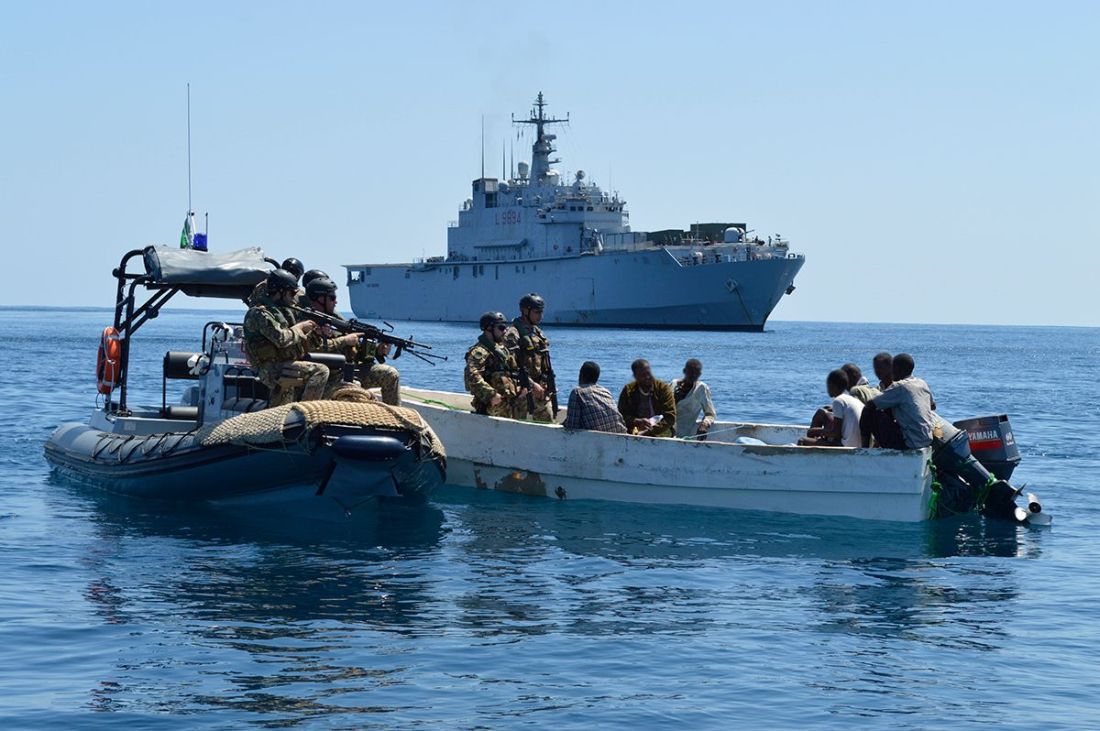
Marines seize ASG speed boat

By Francis Wakefield 

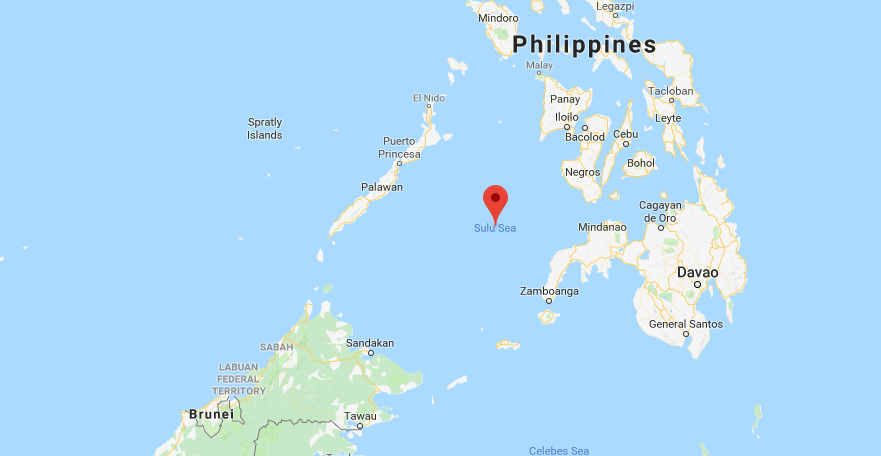
Government troops seized a speed boat used by the notorious Abu Sayyaf Group (ASG) in the island of Simisa, Sulu on Wednesday, March 20, 2019.

A military report disclosed that the relentless and continuous joint operation conducted by the Marine Battalion Landing Team – 3, Naval Task Group/Philippine Marine Ready Force – Sulu, and Joint Task Force-Sulu resulted in the recovery of the speedboat believed to be the “get-away” vessel of the notorious Abu Sayyaf Group in the island of Simisa, Sulu.

To continue reading, please click here.

Source: news.mb.com.ph

Expanding collaborative efforts to promote maritime security

Members of three key regional maritime security agreements*, which IMO has helped to establish, are undergoing training tackling maritime crime in Jeddah, Saudi Arabia (10 – 28 March 2019).

Thirty participants from 24 countries** are learning theoretical and practical skills to deal with piracy/robbery against ships, drug trafficking, marine terrorism, weapons smuggling, human trafficking and more.

The course is organized by IMO and Saudi Arabia under the auspices of the Jeddah Amendment to Djibouti Code of Conduct and conducted by experts from the Saudi Arabia Border Guard, UNODC, INTERPOL and IMO.

The training is taking place at the Mohammed Bin Naif Academy for Maritime Science and Security Studies and is the first of three training workshops to be organized by IMO and the Saudi Border Guard in Jeddah during 2019 – with financial assistance from Saudi Arabia.

The series of workshops will enable participants from different regions  to share ideas and best practices in order to promote maritime security.

* The Djibouti Code of Conduct; the West and Central Africa Code of conduct; and the Regional Cooperation Agreement on Combating Piracy and Armed Robbery against Ships in Asia (ReCAAP)

** Bahrain, Comoros, Djibouti, Egypt, Ethiopia, Ghana, India, Jordan, Kenya, Madagascar, Maldives, Mauritius, Mozambique, Myanmar, Oman, Saudi Arabia, Seychelles, Somalia, South Africa, the Sudan, Cape Verde, Sri Lanka, United Republic of Tanzania and Yemen.

Source: IMO.org

ReCAAP ISC 13th Governing Council Meeting Held at Singapore

By Baibhav Mishra

The 13th Governing Council Meeting of the ReCAAP ISC was held on 19 to 22 March 2019 in Singapore, hosted by the Singapore Government. The Council reviewed the activities of ReCAAP ISC in FY2018 and deliberated on its activities for FY2019 and beyond. On 22 March 2019, the Open Session was held with External Participants comprising representatives from three countries and 13 organisations.

The Council commended ReCAAP ISC on producing positive results in respect to its activities in FY2018 under the three pillars of its mission, i.e., information sharing, capacity building and cooperative arrangement.
The Council reviewed the progress of the implementation of the Roadmap for the Future of ReCAAP ISC and appreciated the continued progress as well as new initiatives ReCAAP ISC has made under the Roadmap as a Centre of Excellence for information sharing.

To continue reading, please click here.

Source: seanews.co.uk

Navy seeks better pact with maritime stakeholders for effective prosecution

By Odita Sunday, Jesutomi Akomolafe (Lagos), Kanayo Umeh, Sodiq Omolaoye (Abuja) and Ayodele Afolabi (Ado-Ekiti)

The Nigerian Navy (NN) is seeking better collaboration and understanding with maritime stakeholders for effective prosecution of pirates and sea robbers.

It said that lack of collaboration among relevant government agencies had been the reason why suspects are granted bail in court.

To continue reading, please click here.

Source: guardian.ng

The Forgotten Key to Maritime Security in the Sulu-Celebes Seas

Economic development in coastal communities will help stem the flow of illegal behavior.

By Jay Benson

Maritime insecurity in the Sulu and Celebes Seas is a persistent challenge. These waterways have recently been used  to conduct incursions into Lahad Datu, orchestrate kidnap for ransom activities by militant groups such as Abu Sayyaf, and facilitate illegal wildlife trafficking. Governments in the Philippines, Indonesia, and Malaysia have responded with increased maritime enforcement capacity and presence, as well as enhanced international coordination. Although these are important efforts that need to be maintained, an exclusive focus on enforcement capacity risks ignoring an equally important facet of maritime insecurity: economic exclusion and inequality in coastal communities.

To continue reading, please click here.

Source: thediplomat.com

Anti-piracy firm ARX Maritime cheers overseas growth

HANNAH BURLEY

Anti-piracy equipment developer ARX Maritime has unveiled a four-fold rise in revenues after enjoying rapid international growth.

Sales at the Edinburgh-based firm, which develops self-install anti-piracy barriers to protect seafaring vessels, have risen by 300 per cent year-on-year since the business was formed in 2016.

To continue reading, please click here.

Source: scotsman.com

Cedros fishermen attacked by pirates

by Radhica De Silva

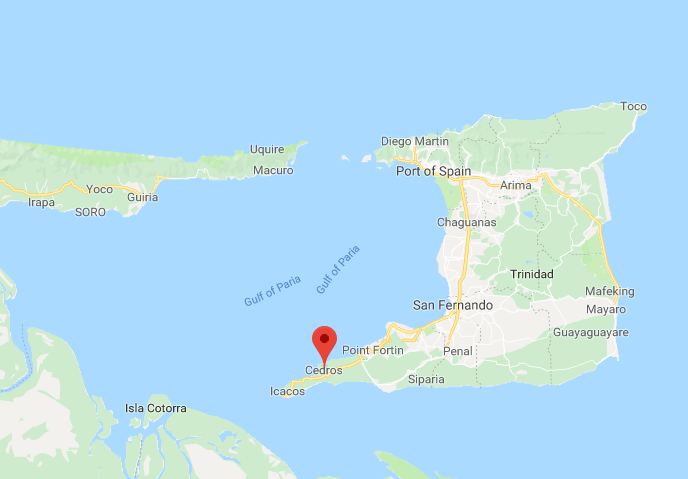
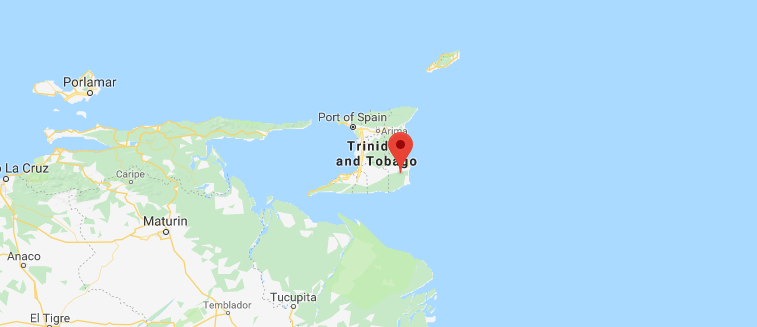
Ce­dros fish­er­men are call­ing for more pa­trols, say­ing Venezue­lan pi­rates are at­tack­ing lo­cal fish­er­men in ter­ri­to­r­i­al wa­ters.

A day af­ter Min­is­ter of Na­tion­al Se­cu­ri­ty Stu­art Young vis­it­ed Ce­dros, pi­rates ac­cost­ed a group of fish­er­men off the Bonasse jet­ty and stole their nets. Dur­ing an in­ter­view at Fullar­ton Beach on Mon­day, fish­er­man Raesh Ram­dass said it was be­com­ing im­pos­si­ble to fish in lo­cal wa­ters be­cause the Venezue­lan pi­rates were op­er­at­ing open­ly at nights un­der the noses of the T&T Coast Guard. He said the pi­rates have moved out of the Venezue­lan rivers and were look­ing for easy tar­gets on the open seas.

To continue reading, please click here.

Source: guardian.co.tt

Trinidad fisherman escapes Venezuelan pirates, colleague missing

(Trinidad Guardian) Des­per­ate to es­cape Venezue­lan pi­rates, two kid­napped fish­er­men jumped off their ab­duc­tors’ boat on Mon­day night and took their chances in the sea. Un­for­tu­nate­ly, on­ly one of them man­aged to make it home safe­ly.

Bruised and trau­ma­tised Key­on Alexan­der, 29, of La Union Road, Erin, ar­rived home around 3 pm yes­ter­day, less than 24 hours af­ter he was kid­napped. He had spent the night swim­ming des­per­ate­ly and scream­ing for help from pass­ing boats.

To continue reading, please click here.

Source: stabroeknews.com

Nigerian Waters Are Safe for Merchant Shipping – Shippers’ Council Boss

By Godwin Oritse

The Executive Secretary/ Chief Executive, Nigerian Shippers ‘Council, NSC, Hassan Bello, has said that the imposition of surcharges on Nigerian bound cargo due to imaginary security concerns along the Gulf of Guinea region is a misconception of foreign shipping lines.

He lambasted foreign shipping firms for miscategorization and exaggeration of the security situation in the country to justify surcharges they unjustly levied on cargo destined to Nigeria.

To continue reading, please click here.

Source: allafrica.com

Combating piracy on Nigerian waters

By Chinweisu Amuta

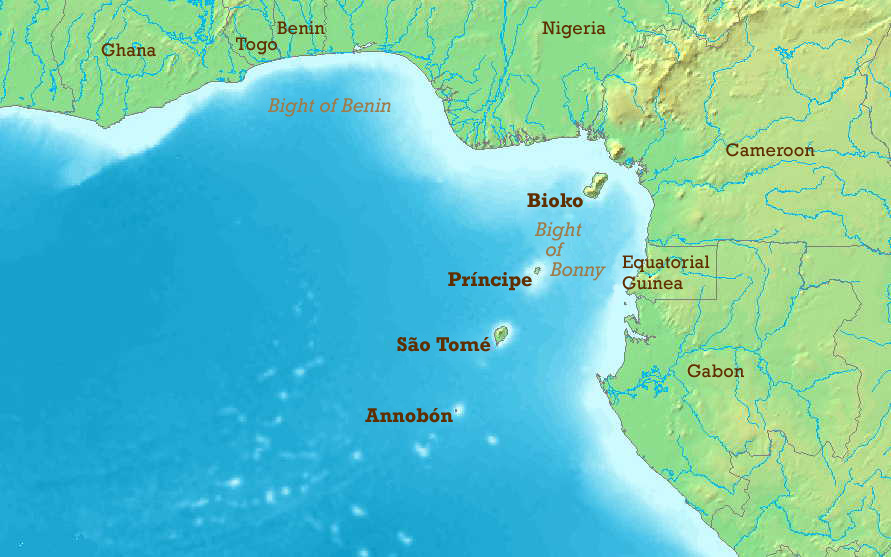
Globally, the International Maritime Bureau (IMB) Piracy Reporting Centre, based in Singapore, recorded 201 incidents of maritime piracy and armed robbery in 2018, up from 180 in 2017. The Gulf of Guinea remained increasingly dangerous for seafarers as reports of attacks in waters between the Ivory Coast and the Democratic Republic of Congo more than doubled in 2018.

The expansion of piracy in the Gulf of Guinea poses a dire threat to local economies, potentially undermining what little stability currently exists in the region. Oil revenue, which many countries in the region rely upon, is seriously threatened by pirate activity; seven per cent of Nigeria’s oil wealth is believed lost due to such criminality.

To continue reading, please click here.

Source: guardian.ng