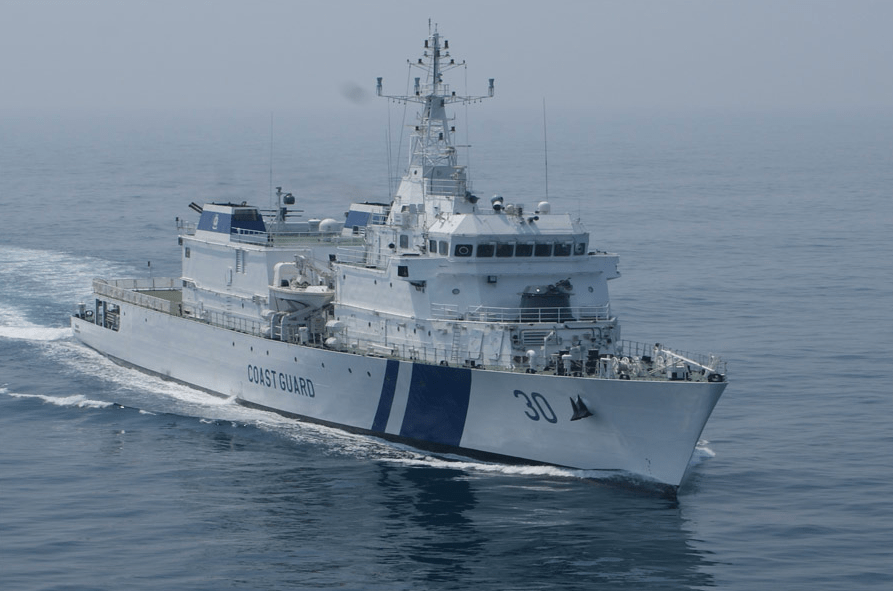
Maritime terrorism in Asia: An assessment

Abhijit Singh

This paper evaluates the possibility of an increase in maritime terrorist violence in Asia, based on a recounting and analysis of some of the most recent past incidents in these waters. It argues that the vulnerability of high seas shipping to criminal acts of violence and the weak and inconsistent nature of maritime governance raises the possibility of a terrorist strike in the Asian littorals. In assessing the odds of a major terrorist attack in coastal regions, the paper also explores the terrorism-piracy nexus and the state of port security in key continental spaces, highlighting measures to improve maritime readiness against acts of terror.

Introduction

In recent years, sea-borne terrorism has emerged as a major security threat in littoral-Asia. Since the November 2008 attacks in Mumbai—when ten Pakistani terrorists infiltrated the city from the sea, killing 166 people and injuring over 300—regional watchers have been wary of the possibility of another attack from the seas. Within India’s security establishment, the anxiety has been palpable. In November 2018, a few weeks shy of the tenth anniversary of the Mumbai attacks, intelligence emerged that Pakistan-based militant outfits Lashkar-e-Taiba and Jaish-e-Mohammed had been training their cadres to execute another strike on Indian ports, cargo ships and oil tankers.[1]Reportedly, Pakistani militant commanders had been training volunteers at modified training sites and canals in Lahore and Faisalabad for “samundari jihad” (seaborne jihad). Unlike 26/11, when terrorists had used the sea route to enter Mumbai and stage attacks on land targets, the plan this time around was to deploy trained jihadi divers to target an Indian or coastal facility.[2]

To read the entire paper, please click here.

Source: orfonline.org

Fight Against Pirates Making Ghana A Safe Haven For Vessels – Transport Minister

The Minister of Transport, Hon. Kwaku Ofori Asiamah, has said that government’s heavy investment in modern information systems and equipment to ensure the safety and security of Ghana’s territorial waters are already yielding results and boosting the image of the country.

For instance, he said the country through the Ghana Maritime Authority (GMA) has in recently acquired five speed boats and two search and rescue boats to ensure safety within the country’s maritime space.

To continue reading, please click here.

Source: peacefmonline.com

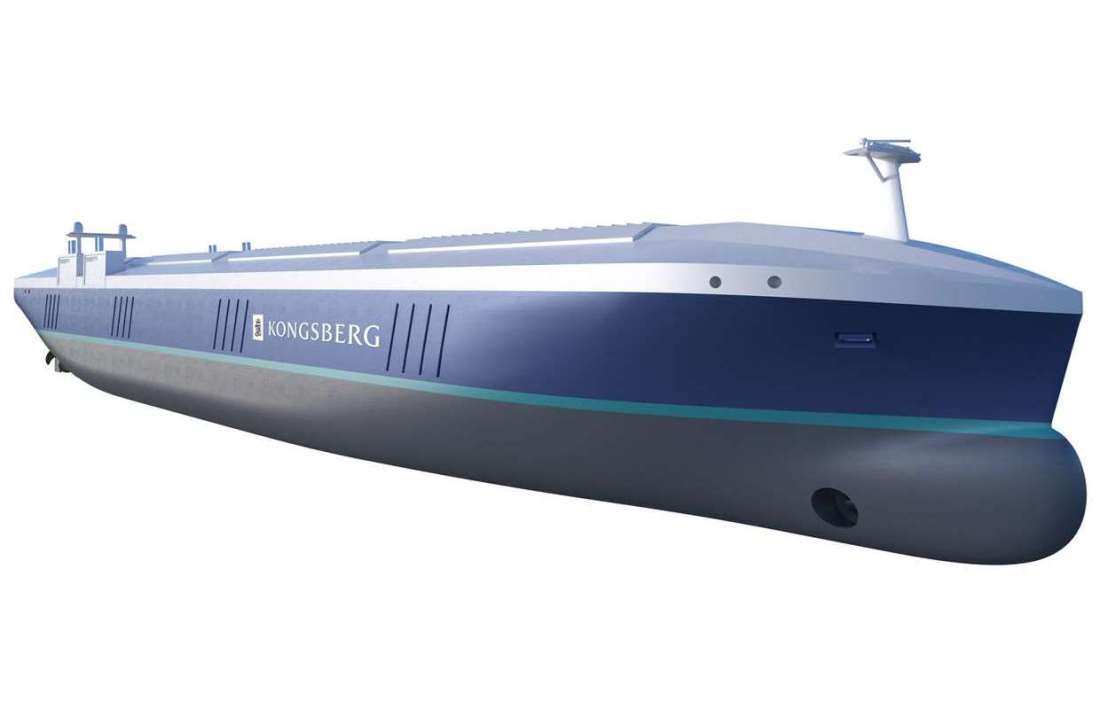
Autonomous Shipping – Cyber Hazards Ahead

By Jeffery Mayger

If autonomous vessels are the future of maritime shipping, then cyber threats may be its Achilles heel. 

Congested shipping, restricted visibility, limited maneuverability, and intensive docking activities all contribute to port hazards – 42 percent of EU reported marine accidents (injury/death/damage to ships) took place in port areas and 44 percent of workboat fatalities occurred on Tugs. Autonomous shipping should provide numerous benefits including increased safety by relieving crewmembers of unsafe and repetitious tasks. Yet, with cyberattacks threatening every industry, this nascent technology is a large target. If autonomous vessels are the future of maritime shipping, then cyber threats may be its Achilles heel.

To continue reading, please click here.

Source: marinelink.com

80 Countries Resolve to Tackle Maritime Insecurity in GoG

Eromosele Abiodun

Rising from a three-day Global Maritime Security Conference in Abuja, 80 countries have resolved to set up an Expert Group to implement the recommendations of the confab aimed at tackling piracy, maritime crimes and criminality in the Gulf of Guinea (GoG).

Addressing a media briefing to mark the end of the event, the Director General of the Nigeria Maritime Administration and Safety Agency (NIMASA), Dr. Dakuku Peterside, said the expert group won’t take more than three months to be in place.

To continue reading, please click here.

Source: thisdaylive.com

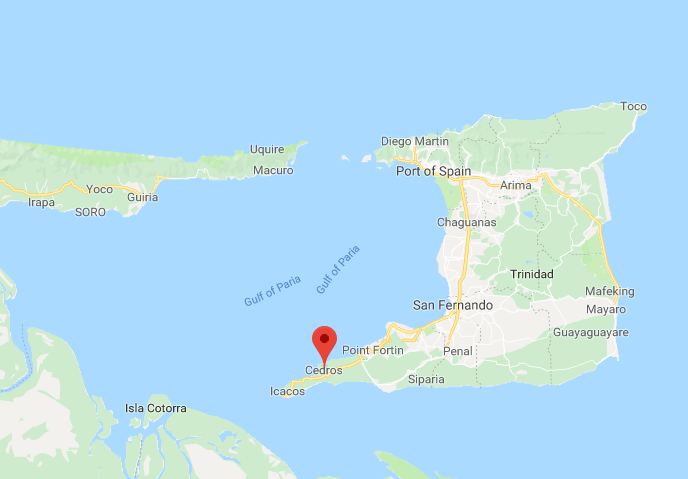
Icacos fishermen freed after US$13,000 ransom paid

by Sharlene Rampersad

Three fish­er­men kid­napped by Venezue­lan ban­dits and held for ran­som were re­leased late Wednes­day night af­ter US$13,000 was paid for their safe re­turn.

Fish­er­men Ramkissoon Har­richa­ran, 64, Car­lo Snei­der, 61, of Lovers Lane, Ica­cos and a 24-year-old Venezue­lan man iden­ti­fied as Amelto were re­leased by their cap­tors on Wednes­day night, shak­en but in oth­er­wise good health.

The three were snatched at gun­point around 7 am on Tues­day while fish­ing off Gal­fa Point in Ica­cos about half a mile from the shore.

To continue reading, please click here.

Source: guardian.co.tt

Kidnappers now want US$20,000 for missing fishermen

POLICE on Wednesday confirmed that US$20,000 is now being demanded for the safe release of three Icacos fishermen who were abducted at sea on Tuesday morning.

But Sgt Rishi Ramsaran told Newsday, reports that relatives of the men were robbed when they went to pay the initial ransom of US$10,000 were untrue. “It was discovered that it is a hoax. But a family member reported that they received a telephone call that the captors increased the ransom from US$10,000 to US$20,000,” Ramsaran said.

To continue reading, please click here.

Source: newsday.co.tt

State Of Insecurity/Sea Piracy In Bonny: Concerned Indigenes Vow To Stop NLNG Boats, Accuse Security Of Complicity

Concerned indigenes of Bonny under the aegis of Bonny Stakeholders Vanguard (BSV) have threatened to shut down movement, and boat shuttles of Nigeria Liquefied Natural Gas Company (NLNG) should the deplorable security situation in Bonny Island continue unabated, without security intervention.

The group who gave this indication has also accused security agencies especially the Police, Marine Police and Navy of complicity in protecting perpetrators of crime and violence on the Island.

To continue reading, please click here.

Source: thenigerianvoice.com

T&T: Three fishermen kidnapped

Venezue­lan pi­rates who op­er­ate out of Patos Is­land, one of Venezuela’s small un­in­hab­it­ed is­land, have re­port­ed­ly kid­napped three Ica­cos fish­er­men for ran­som.

The is­land is lo­cat­ed in the north­west­ern Gulf of Paria and is said to be one of the hide­outs for des­per­ate Venezue­lan pi­rates who kid­nap and smug­gle drugs and guns in ex­change for ba­sic ne­ces­si­ties.

To continue reading, please click here.

Source: guardian.co.tt

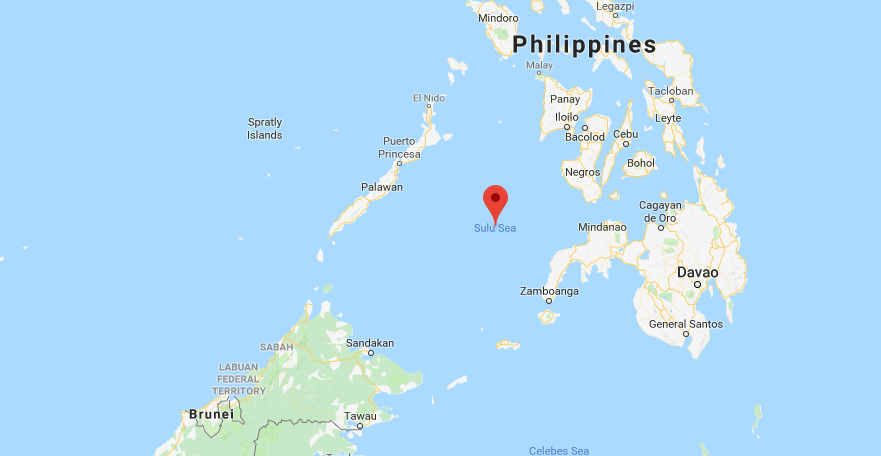
Curfew in ESSZone extended until Oct 23

KOTA KINABALU (Oct 8): The curfew in the waters off seven districts in the Eastern Sabah Security Zone (ESSZone), which ends today, has been extended to Oct 23, said Sabah Police Commissioner Datuk Omar Mammah.

The curfew from 6pm to 6am covers the waters off Tawau, Semporna, Kunak, Lahad Datu, Kinabatangan, Sandakan and Beluran, he said in a statement on Monday (Oct 7).

To continue reading, please click here.

Source: theedgemarkets.com

Sabah police will not negotiate ransom demands made by Abu Sayyaf-linked kidnappers

KOTA KINABALU — The Malaysian police are working with their Philippine counterparts to secure the release of three Indonesian fishermen kidnapped by Abu Sayyaf-linked gunmen off Lahad Datu on Sept 23.

Sabah Police Commissioner Datuk Omar Mammah said the kidnappers made their ransom demand during a call to one of the victim’s sisters in Sandakan on Sept 30.

To continue reading, please click here.

Source: globalnation.inquirer.net