State Of Insecurity/Sea Piracy In Bonny: Concerned Indigenes Vow To Stop NLNG Boats, Accuse Security Of Complicity

Concerned indigenes of Bonny under the aegis of Bonny Stakeholders Vanguard (BSV) have threatened to shut down movement, and boat shuttles of Nigeria Liquefied Natural Gas Company (NLNG) should the deplorable security situation in Bonny Island continue unabated, without security intervention.

The group who gave this indication has also accused security agencies especially the Police, Marine Police and Navy of complicity in protecting perpetrators of crime and violence on the Island.

To continue reading, please click here.

Source: thenigerianvoice.com

Sabah east coast still on high alert for Abu Sayyaf kidnappers

By STEPHANIE LEE

KOTA KINABALU: Security forces in Sabah’s east coast remain on high alert a week into intelligence information saying that Abu Sayyaf-linked gunmen were on their way to Sabah to kidnap high-value targets.

Eastern Sabah Security Command (Esscom) Datuk Hazani Ghazali said they had mobilised their assets to high-risk areas and the alleged target area of Mataking and Pom-Pom island in Semporna, famed among tourists, following the information on Sept 30.

To continue reading, please click here.

Source: thestar.com.my

Nigeria seeks collaboration to tackle maritime crimes

By Sulaimon Salau and Joke Falaju

Worried by the impact of maritime crime on the regional economy, Nigeria has sought partnership with other countries to tackle the menace headlong.

The Director-General, Nigerian Maritime Administration and Safety Agency (NIMASA), Dakuku Peterside, who made this call at the ongoing Global Maritime Security Conference, in Abuja, said maritime insecurity remains one of the significant challenges affecting international trade, and the quest for sustainable use of ocean resources for economic growth, improved livelihood and job creation.

To continue reading, please click here.

Source: guardian.ng

MarsecNews: If NIMASA is genuinely looking to collaborate with other nations on maritime crime, then it could be a significant move for the Gulf of Guinea. Traditionally, navies in the region have been slow to cooperate with one another but when they have, it has paid dividends. Overall intelligence sharing in the Gulf of Guinea between states has been poor, but efforts in recent years have improved the situation slightly. There remains, however, an issue with certain nations who have multiple agencies all vying for government funding and competing with one another for relevance. As organised criminal gangs have shifted from petro-piracy to crew kidnap for ransom, the speed of naval response becomes more crucial; it’s a lot harder to track a skiff full of hostages than a tanker.

Genuine cooperation between nation states in the Gulf of Guinea would go a long way to suppress maritime crimes such as piracy and armed robbery, allowing for faster response times. However, as long as some countries continue to downplay the threat of piracy, the situation will persist.

India starts sharing maritime data

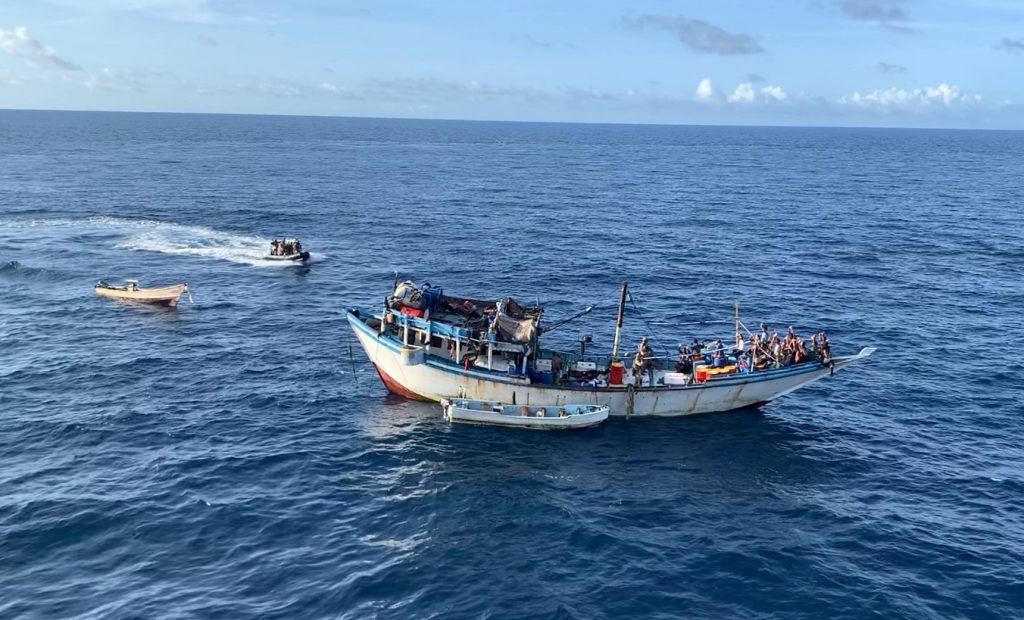
File image of an approach on a dhow

Dinakar Peri

Information Fusion Centre — Indian Ocean Region (IFC-IOR) was set up last year

The Information Fusion Centre – Indian Ocean Region (IFC-IOR) set up last year has started functioning as an information sharing hub of maritime data and “cuing incident responses” to maritime security situations through a collaborative approach, Navy sources said.

At the just concluded Goa Maritime Conclave (GMC), National Security Adviser Ajit Doval had offered countries in the IOR use of the facility to track movement of vessels on the high seas.

To continue reading, please click here.

Source: thehindu.com

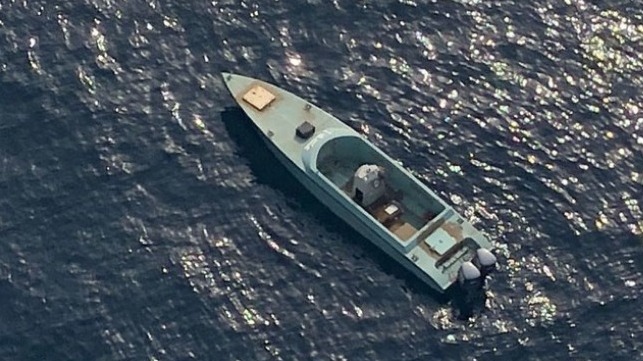
The threat of Houthi unmanned explosives-laden boats

by Shay, Shaul (Dr.)

The Saudi-led coalition said it intercepted and destroyed an unmanned explosives-laden boat launched from Yemen by the Iran-aligned Houthi group on September 19, 2019, an incident that could further increase regional tensions after the attack on Saudi oil installations. Since 2017, in fact, there have been several reports of attacks or discovery of these unmanned explosive vessels in the country.

“The coalition’s naval forces detected an attempt by the terrorist Houthi militia backed by Iran to carry out an imminent act of aggression and terrorism south of the Red Sea using an unmanned, rigged boat … launched from Hodeidah province,” coalition spokesman Colonel Turki al-Malki said in a statement. Malki said that the foiled attack represented a threat to regional and international security and the safety of maritime routes and international trade. He did not specify the intended target.[1]

To continue reading, please click here.

Source: ict.org.il

Safety in the Red Sea corridor can’t be taken for granted

by Omar S Mahmood

The Red Sea and the adjacent Gulf of Aden face many potential threats to free movement, ranging from the presence of non-state armed groups (such as the Houthis in Yemen) and organised crime outfits, to ongoing territorial disputes and environmental concerns. Yet maritime traffic has largely gone undisrupted in recent years.

The hitherto safe passageway of the Red Sea should not be taken for granted though, and the area has attracted significant geopolitical interest. New initiatives concerned with the shared maritime space are being conceived, including a Red Sea Forum championed by Saudi Arabia and Egypt. The African Union (AU) and Intergovernmental Authority on Development (IGAD) are also taking a greater interest. All these actors aim to address a perceived gap in management of the Red Sea space.

To continue reading, please click here.

Source: issafrica.org

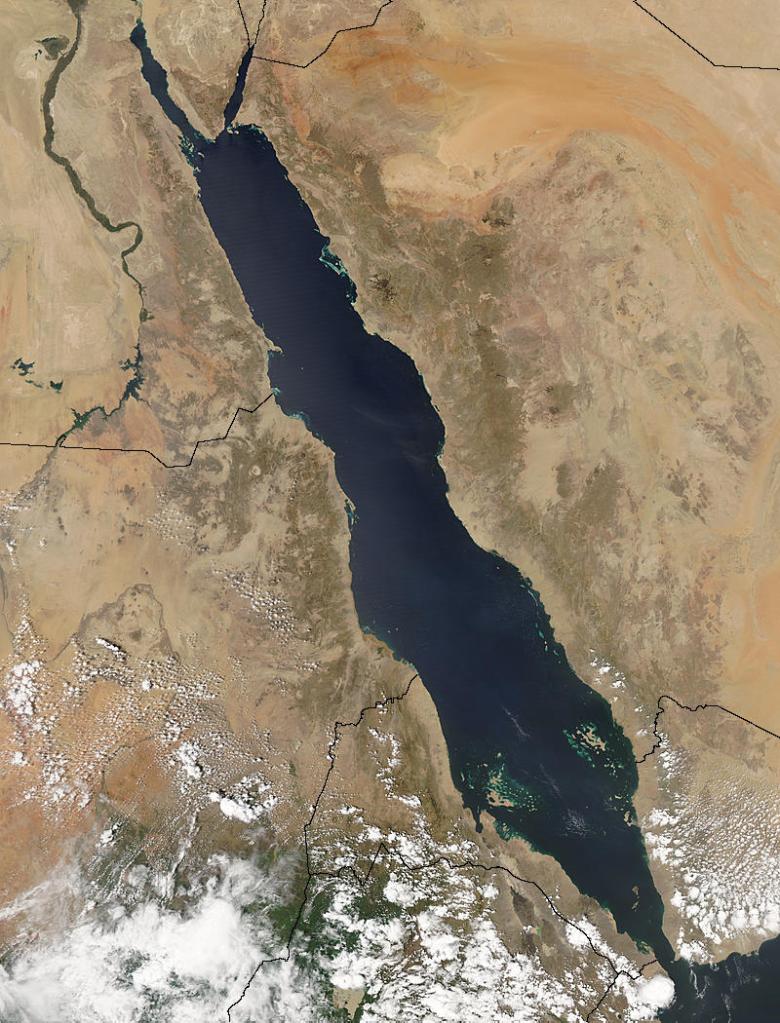
Red Sea, via NASA
Red Sea (NASA)

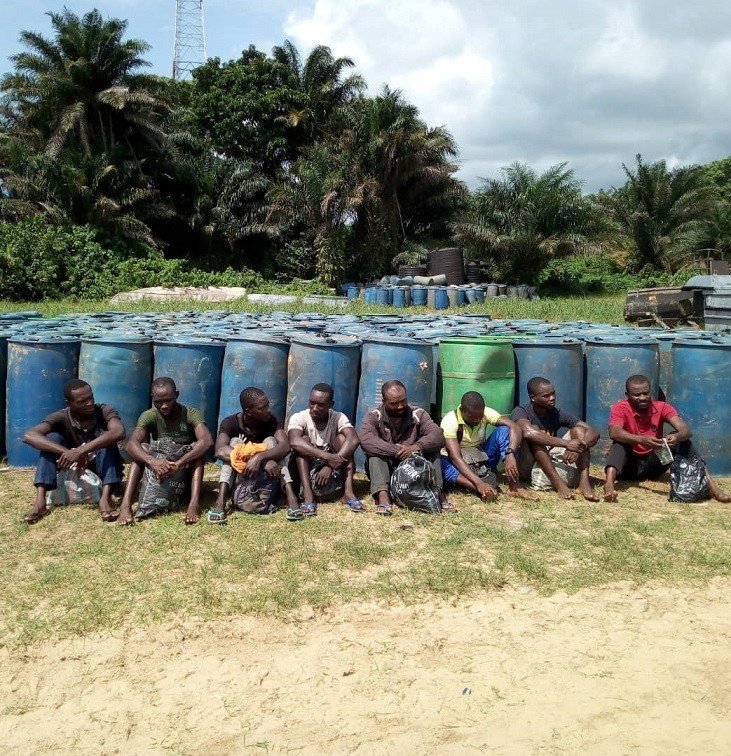
Damage done by Nigeria’s oil pirates

Parts of the once-thriving ecosystem in Nigeria’s oil-rich delta have been transformed into an ecological dead zone because of oil bunkering – the practice of siphoning oil from pipelines.

Oil pirates puncture holes in pipelines, steal the crude oil, and then transport it to be sold on the black market or to be refined.

To continue reading, please click here.

Source: straitstimes.com

Indian maritime authority issues alert on Nigerian waters

By Godwin Oritse

AT the backdrop of high incidences of piracy in the Gulf of Guinea, GoG, coterminous with Nigeria’s continental shelf, the Indian maritime authority has warned its seafarers to steer clear of Nigerian waters for fear of falling victims.

Disclosing this at the just concluded World Maritime celebration in Lagos, Director General of the Nigerian Maritime Administration and Safety Agency, NIMASA, Dr. Dakuku Senibo Peterside said that NIMASA was currently working on the development with a view to assuaging the fears of the Indian authorities.

To continue reading, please click here.

Source: vanguardngr.com

The Maritime & Port Security ISAO and Templar Executives Launch Maritime Cybersecurity Awareness eLearning Course

To kick-off National Cybersecurity Awareness Month (NCSAM) activities, the Maritime and Port Security Information Sharing and Analysis Organization (MPS-ISAO) and Templar Executives Ltd. are delighted to announce a strategic partnership and the launch of a new Maritime Cyber Security eLearning course. This industry tailored training allows customers to increase the cyber security competence of their workforce. It also provides a new baseline standard for cyber security awareness across the maritime industry, a mandate from the International Maritime Organization (IMO) required to be in effect by 2021.

The MPS-ISAO is a non-profit established to advance global maritime and port critical infrastructure cyber resilience headquartered at the Kennedy Space Center in Florida. Templar Executives, is a U.K.-based organization and founder member of the International Maritime Cyber Center of Excellence (IMCCE) encompassing the Maritime Cyber Emergency Response Team (MCERT) and Templar Cyber Academy for Maritime (T-CAM). Both MPS-ISAO and Templar Executives are trusted cyber security partners to the maritime industry. Recognizing the need to increase cyber security awareness across the industry, the partners have developed market leading content that delivers a well-rounded understanding of cyber security principals tailored to mariners, and all those involved the maritime industry, in an easy to consume format.

The Maritime Cyber Security eLearning course content covers a range of topics – from an Introduction to Maritime Cyber Security to Best Practices and Top Tips. It includes a short assessment for learners to test their knowledge and is also perfectly suited for shipboard low bandwidth communication requirements and mobile devices.

“The maritime industry has needed a course like this for a long time, because traditional learning formats which required classrooms or videos were a challenge for individual mariners to complete given the diverse operating environments throughout the industry,” said Scott Dickerson, the MPS-ISAO’s Chief Strategy Officer. “We are offering this eLearning course to the entire maritime community which meets the need across industry to provide awareness and track individual training completion.”

Dickerson continued, “Adversaries are targeting port and maritime critical infrastructure every day, so there is an urgent need to increase cyber security competency across the industry – from the very smallest to the very largest of organizations. Because the maritime industry is a globally interconnected ecosystem, cyber security best practices can no longer be optionally implemented. Protecting critical maritime infrastructure requires an all-hands approach and a cultural shift in our thinking to consider both the safety and security of maritime operations. We encourage everyone in the industry to understand what’s at risk and embrace their role as guardians.”

“Templar Executives is delighted to be partnering with MPS-ISAO to provide exclusive content for an enhanced Maritime Cyber Security eLearning course, delivered through the Templar Cyber Academy for Maritime,” stated Anu Khurmi, Managing Director for Templar Executives’ Global Services division. “The IMO has announced a series of important cyber security measures for shipowners, ship operators and ports within the ISM code which must be addressed by 2021. These include requirements that stakeholders must ’raise awareness on the Cyber risk’; and ’embed a culture of Cyber risk awareness’. Our joint eLearning course is easy to access and assimilate and provides a cost effective and sustainable response to delivering training and education that supports the awareness agenda. It also contributes to the up-skilling of individuals in an industry that is digitalizing at pace and which needs to develop a more sustainable and robust cyber resilience capability across the entire ecosystem.“

Christy Coffey, MPS-ISAO VP of Operations, added, “Since the MPS-ISAO’s inception in 2016, we have had a mission objective to improve cyber security knowledge across the maritime transportation system. MPS-ISAO customers are really enthusiastic about the eLearning course launch, and Templar Executives have been such a wonderful partner for our ISAO. We begin on-boarding existing MPS-ISAO customers with the eLearning October 7th.”

All maritime stakeholders are encouraged to participate in the partners’ Maritime Cyber Security eLearning course opportunity. Please direct Maritime Cyber Security eLearning course inquiries to info@mpsisao.org.

Information about National Cyber Security Awareness Month is available at the Department of Homeland Security’s website: https://www.dhs.gov/national-cyber-security-awareness-month.

Source: einnews.com

Maritime security training for Trinidad and Tobago

Trinidad and Tobago is the latest IMO Member State to receive maritime security training. A self-assessment and audit training workshop took place in in Port of Spain, Trinidad (23-27 September).

Participants were trained in self-assessing how two key IMO maritime security instruments – SOLAS Chapter XI-2 and the International Ship and Port Facility Security (ISPS) Code – are implemented at the port facility level. This is done using established, industry-standard IMO and ISO procedures to identify areas for improvement.

The course addressed outcomes of a previous workshop on ISPS Code responsibilities delivered by IMO in Port of Spain last year.

The workshop included theoretical lessons for participants to understand the certification process involved in obtaining the Statement of Compliance of a Port Facility, presentations on audit processes and techniques, and practical exercises on role playing the review of a port facility security plan.

Source: imo.org