Navy looks to shore up defence against Moz terror threats

SA mulls making a temporary Richards Bay naval base permanent as IS ups the ante – but experts have a problem with this

Orrin Singh

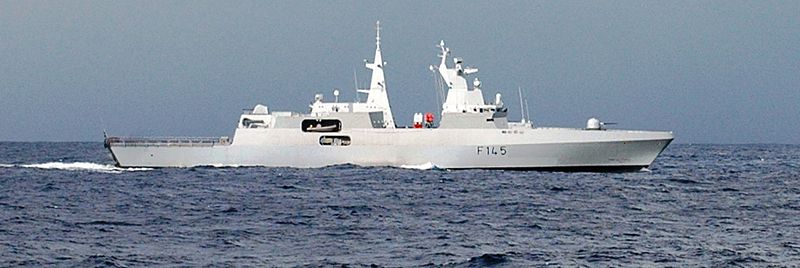
The South African Navy is looking to establish a permanent base in Richards Bay, on the KwaZulu-Natal north coast, as the rapid escalation of terror-related activities in northern Mozambique have security analysts and government officials concerned.

Sources in the navy told Sunday Times Daily this week that there were “legitimate concerns” of security threats stemming from terror attacks in Cabo Delgado, which had displaced more than 300,000 people, according to the UN Food Programme, and resulted in more than 2,000 deaths in the province.

To continue reading, please click here.

Source: timeslive.co.za

CTF151 and Pakistan Navy hold talks ahead of CTF Command takeover

Media release

The Turkish-led Combined Task Force 151 (CTF 151) held a recent engagement with the Assistant Chief of Naval Staff (Ops) of the Pakistan Navy, two months ahead of the Pakistan takeover of CTF 151 command.

Rear Admiral Nejat Inanir of the Turkish Navy, the Commander of the Combined Maritime Forces’ CTF 151, followed the current Covid-19 trend of using Zoom conference calling to discuss matters of mutual cooperation and security in the region. Pakistan will be assuming command of CTF 151 in December for a record ninth time, marking this time as a key preparation period.

RAdm Inanir thanked the longstanding support and contribution of the Pakistan Navy to the Combined Maritime Forces for its provision of personnel and maritime assets which contribute to counter piracy operations in the region.

“I am so pleased to see Pakistan contribute to CMF so effectively. Their support aids how we maintain maritime security and ensure the free flow of commercial maritime trade,” said RAdm Inanir said. “We are seeing a large increase in small vessel activity now that the monsoon season is transitioning and it’s vital that CTF 151 continues to suppress any piracy activity early.”

Cdre Faisal commended the strong leadership of Turkish-led CTF 151:  “All support will be provided to CTF 151 for Counter Piracy Operations as and when required,” he said.

Both Commanders agreed to provide further assistance and collaboration to achieve their common goal of providing maritime security in the region and making the seas safe for legitimate mariners and seafarers.

The Combined Maritime Forces (CMF) is a multinational maritime partnership which exists to counter illicit non-state actors on the high seas, promoting security, stability and prosperity in the Arabian Gulf, Red Sea, Gulf of Aden, Indian Ocean and Gulf of Oman. CTF 151 is one of three CMF task forces with the mission to deter piracy across the Arabian Gulf, Red Sea, Gulf of Aden and the Gulf of Oman, protecting the free flow of maritime commerce. Pakistan last led CTF 151 in 2016.

ENDS


ReCAAP issues 2020 3rd Quarter Report

A total of 75 incidents of piracy and armed robbery against ships (comprising 73 actual incidents and two attempted incidents) were reported in Asia during January-September 2020 compared to 54 incidents (comprising 49 actual incidents and five attempted incidents) during January-September 2019. This accounts for an increase of 39% in the total number of incidents reported during January-September 2020 compared to the same period in 2019.

Of the 75 incidents, 71 were incidents of armed robbery against ships and four were piracy incidents. The increase of incidents during January-September 2020 occurred in Bangladesh, India, Indonesia, the Philippines, Vietnam, South China Sea and Singapore Strait. However, there was improvement at the ports/anchorages in China and Malaysia during January-September 2020 compared to the same period in 2019.

To continue reading, please click here.

To download the report, please click here.

Source: recaap.org

Do not switch off the AIS in Nigerian waters

Despite the elevated piracy risk in the Gulf of Guinea, ships operating in the region should maintain their automatic identification systems (AIS) in operation at all times.

On 5 October 2020, the Nigerian National Petroleum Corporation (NNPC) issued a notice warning its clients and other stakeholders that the Nigerian Navy will investigate, and has arrested, ships that switch off their automatic identification system (AIS) when operating in Nigerian waters. It further reminds masters of their obligations under SOLAS Reg.V/19 to maintain their AIS in operation at all times, when underway or at anchor. The NNPC notice can be viewed here.

To continue reading, please click here.

Source: gard.no

Iranian Ports Operating Normally after Cyberattack

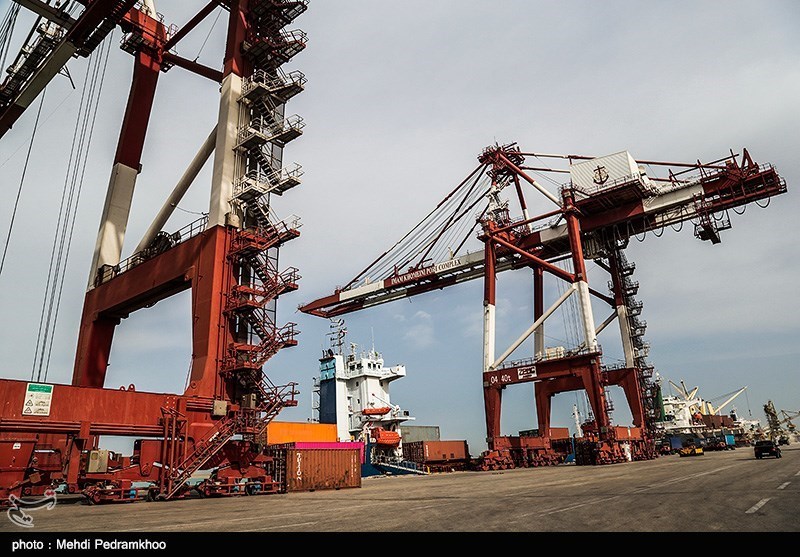
TEHRAN (Tasnim) – The Ports and Maritime Organization of Iran said it has foiled a cyberattack on the electronic infrastructures of the seaports.

The Ports and Maritime Organization of Iran announced in a statement that its information technology experts have thwarted a cyberattack targeting the electronic infrastructures of the Iranian ports.

All missions and activities of the Ports and Maritime Organization are going on normally, the statement added, noting that online services are being provided to prevent any disruption to the freight services or loading and unloading operations even for a moment.

Last month, an official said the export of non-oil commodities in the first half of the current Iranian year via the southeastern port city of Chabahar has risen by 95 percent compared to the corresponding period a year earlier.

Chabahar is the closest and best access point of Iran to the Indian Ocean and Iran has devised serious plans to turn it into a transit hub for immediate access to markets in the northern part of the Indian Ocean and Central Asia.

Source: tasnimnews.com

ISS: East African terror groups are exploiting the seas

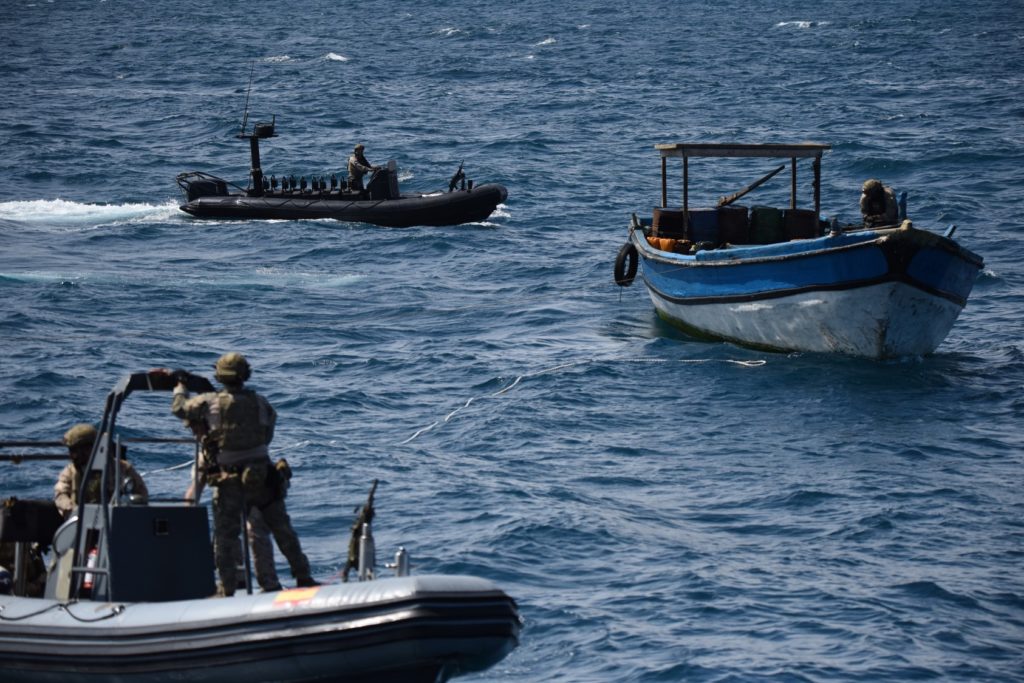
EU NAVFOR Somalia Operation ATALANTA's ESPS Canarias towed the vessel belonging to Somali Navy personnel back to the Somali shore.

Violent extremist groups operating in East Africa such as al-Shabaab, Ansar al-Sunna and the Islamic State in East Africa Somalia (IS-Somalia) are increasingly making use of gaps in maritime security. Counter-terrorism strategies must target this aspect of their operations to stop extremists exploiting Africa’s coasts through attacks, smuggling and extortion.

Terror groups fund a portion of their activities through maritime smuggling that involves drugs, arms and human trafficking. Many violent extremists also exploit resources like sugar, cereals and textiles. Al-Shabaab has been involved in charcoal smuggling since 2011. The group earns an estimated US$7 million a year through maritime crime – enough to ensure its long-term survival and to fund its land-based terror attacks.

To continue reading, please click here.

Source: defenceweb.co.za

Terrorism harbors at sea : Snapshot of Maritime Terrorism

Sakshar Law AssociatesSakshi Shairwal and Anam Khan

ntroduction

Modern terrorism dates back to the French revolution and has been evolving since then. Among many reasons and sources that aid terrorism, the most common ones are clashes between different cultures, religion and international conflicts. Gone are the days when terrorism was limited to land. Now the scope has shifted to the waters too. Unfortunately, there is no authoritative definition of maritime terrorism. However, what is commonly understood of the term ‘terrorism’ is one among several forms of armed rebellion with systematic use of violence to achieve some higher cause. With the prefix, ‘maritime’ added to it the limit of such armed rebels is restricted to the waters. Although maritime terrorism has not been a serious threat one cannot discount from the rather widespread fears that there is something worse may come.

To continue reading, please click here.

Source: lexology.com