The piracy situation in West Africa has descended to new lows with a VLCC raided by armed men yesterday and 19 crew kidnapped. The attack on the Anglo-Eastern-managed Nave Constellation took place 66 nautical miles south of Bonny Offshore Terminal, and 24 nautical miles east of the Egina FPSO.
MarsecNews:Security sources say that the incident occurred at around 1820 UTC on December 3rd, some 80nm South of Bonny. The kidnapped group is believed to consist of 18 Indian nationals and one crew member from Turkey. Controlling such a large number of crew suggests an equally large number of perpetrators, something we haven’t seen in the region for a while.
The Senate Tuesday raised the alarm over a contract by the Nigerian Maritime Administration and Safety Agency (NIMASA) to an Israeli security firm, HSLI, to police the nation’s waterways at a total cost of $198million.
The Senators queried Rear Admiral Tariworio Dick, who represented the Chief of Naval Staff, Vice Admiral Ibok Ekwe Ibas, at a joint investigative hearing on the activities of the Ocean Marine Solutions Limited (OMSL) which hitherto provided security services at the Secured Anchorage Area (SAA) at the Lagos Port.
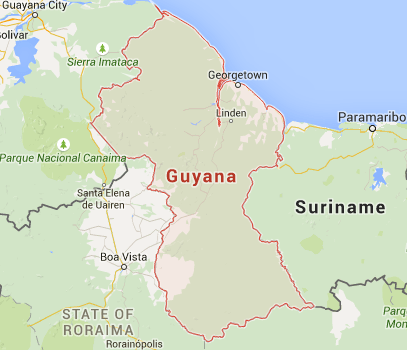
Nine fishermen have been convicted in Suriname for the fatal piracy attack in April last year in which over a dozen Guyanese fishermen were killed off the coast of the neighbouring country.
Three persons were acquitted of the crime after the judge ruled that there was no evidence to convict them.
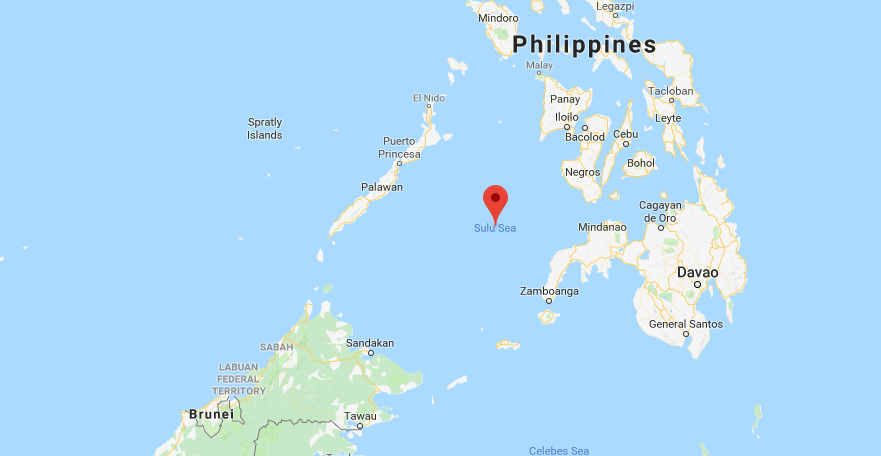
The president mentions working with Indonesia and Malaysia to protect the seas from pirates, amid warming ties with China which is occupying the West PH Sea
MANILA, Philippines – In alleging that much of the Philippines’ drug problem is brought about by piracy in the seas, President Rodrigo Duterte said on Saturday, November 30, that he was ordering the Philippine Navy to kill pirates if they spot them.
“My orders to the Navy, I repeat my orders to the Navy, if they are positive that they are pirates, you blow them [until] kingdom come, patayin mo na lahat at matapos na ang problema ko at ng Pilipinas and so with the drugs (kill them all so all my problems and the Philippines’ problems will all go away, and so with the drugs),” Duterte said on Saturday at the celebration of Andres Bonifacio’s 156th birth anniversary.
Confusion now pervades the coastal community of Ke-clan, Degema in Degema Local Government Area of Rivers State following the discovery of 11 yet-to-be identified corpses allegedly abandoned in a boat at the new Jerusalem Creek, close to Ke Clan.
The victims were suspected to have been killed by pirates operating along the waterways in the area. With frequent reports of sea pirates’ attacks on seafarers in the waterways in that area on the increase, the communities have denied knowledge of what went on around those creeks.
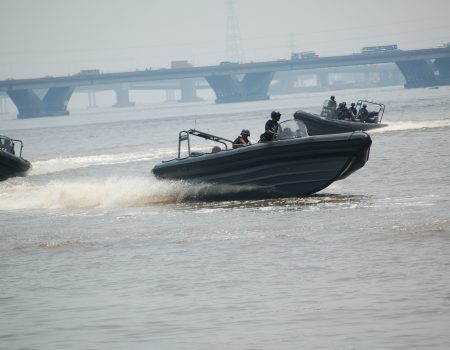
MarsecNews:Security sources in the region reported that Nigerian security assets were patrolling the Ke waterways on December 1st at around 1530 hours when they engaged pirates in three speedboats. Following the incident, the pirates escaped in two boats, leaving a third. On inspection, the security team found 11 dead bodies and one AK-47 in the boat. The bodies are believed to belong to local boat passengers, but this has yet to be confirmed. It’s certainly one of the most grisly discoveries in recent years in the Delta and will likely lead to an increased military presence.
Commodore Ed Ahlgren OBE Royal Navy, Commander CTF150 (CCTF150), visited Mombasa, Kenya to deliver a maritime security threat update to the Djibouti Code of Conduct Conference (DCoC).
The Djibouti Code of Conduct has been instrumental in repressing piracy and armed robbery against ships in the western Indian Ocean and the Gulf of Aden. In 2017, under the Jeddah Agreement, it saw its scope significantly broadened to cover other illicit maritime activities, including human trafficking and illegal, unreported and unregulated (IUU) fishing.
Commodore (Cdre) Ahlgren’s speech focused on the threats, as seen by Combined Maritime Forces (CMF), to law abiding shipping, the fishing industry and recreational craft in the region. Cdre Ahlgren briefed the attending delegates on how CMF operates and how collaboration, information exchange and the sharing of best practices makes the 33 nation coalition a formidable force.
“Maritime Security is a huge undertaking given the size of the ocean against the assets that are available. It cannot be done by one entity alone, we must collaborate, share information and pool our resources if we are to combat those that wish to do us harm. These problems are not just national, nor regional but international. It’s everybody’s business” Cdre Ahlgren said.
21 countries are signatories to the DCoC and they meet on a six-monthly basis to discuss how the maritime domain can be protected from a wide range of threats including piracy, threats to oil and gas installations, dangers to transport systems and illegal and unreported fishing. DCoC works closely with other security organisations in the region including European Union Naval Force (EUNAVFOR), the International Maritime Organisation (IMO) and the United Nations Office on Drugs and Crime (UNODC) to tackle these threats.
While in Mombasa, Cdre Ahlgren took the time to meet with the Director General of the Kenyan Coast Guard, Brigadier Loonena Naisho and Kenyan Deputy Fleet Commander, Colonel Lawrence Gitumo. The senior officers discussed how Kenya can engage further with CMF.
Cdre Ahlgren concluded, “This visit was particularly rewarding as it showcased how CMF can work with security organisations to make the western Indian Ocean and Gulf of Aden a safer, more sustainable and increasing prosperous region of CMF’s area of operations.”
The Maritime Workers Union of Nigeria (MWUN) has called on the police and other security personnel to put in place measures to ensure adequate security at the nation’s seaports.
MWUN President-General, Comrade Adewale Adeyanju, in a statement made available to SHIPS & PORTS on Thursday, said the union, being a disciplined and responsible body, has zero tolerance for any form of criminality and anybody caught pilfering cargoes at the nation’s ports must be made to face the full weight of the law.
The House of Representatives has asked for an end to the burning of seized bunkered petroleum resources due to its impact on the environment.
The House urged the Chief of Army Staff, Lt. Gen. Tukur Buratai, Chief of Naval, Vice Admiral Ibok Ete-Ibas and Air Staff, Air Marshal Sadique Abubakar, to put an end to the current system.
MANILA, Philippines—President Rodrigo Duterte on Thursday said he would order the Philippine Navy to search and “blast” pirates, weeks after 11 Filipino sailors were reportedly abducted in separate incidents in waters off the West African nations of Togo and Benin.
“I will send the Navy there, kapag nakita nila ‘yung mga…patayin nalang nila. Tabla-tabla na lang (…if they spot those pirates, kill them),” Duterte said during the awarding ceremony for the Presidential Award for Child-Friendly Municipalities and Cities in Malacañang.
The maritime industry has done much to embrace digitisation in recent years. Cost savings and efficiencies are always welcome but, as with every benefit, there are potential pitfalls to overcome.
Cyber security in the maritime domain has become a hot topic in the last two years. While many felt immune to the threats posed by cyber criminals – be they organised criminal gangs or malicious hackers – the NotPetya ransomware incident which affected Maersk in 2017 and a number of similar incidents involving major ports have underlined the risks to businesses in the maritime domain. No-one is safe, given attacks can be directly targeted or simply part of a cascade effect at a supplier or third party company.
Shipping companies are uniquely exposed in this regard. Not only do they face the same risks at head office as any other shore-based industry, they also have fleets to protect from malicious attack and supply chains which can all be impacted directly or indirectly by a cyber incident. Flag states, industry bodies and the commercial sector have generally been quick to offer guidance, services and products to mitigate the risk, but actual, practical advice has often been rather scarce. Thankfully, that is no longer the case.
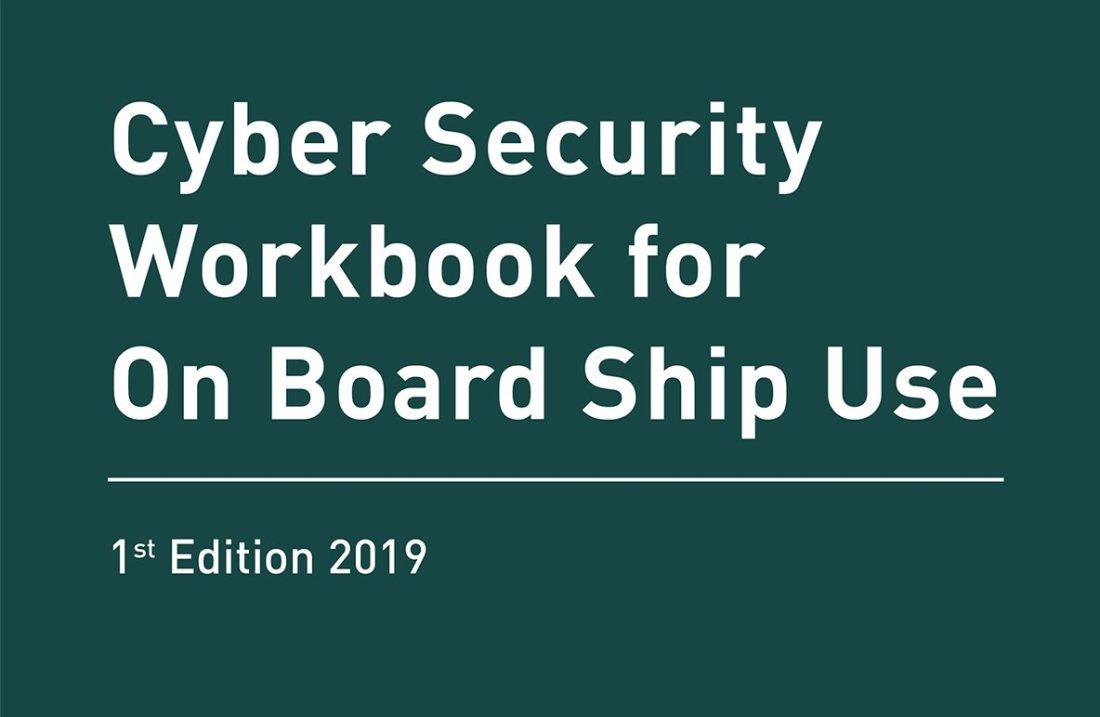
Witherby Publishing, in association with BIMCO and the International Chamber of Shipping, has produced the Cyber Security Workbook for On Board Ship Use, and I have to say I’m extremely impressed.
Aimed initially at Masters and senior officers, the Workbook will hopefully become an industry standard and makes useful reading for anyone in shipping. It is aligned with the guidelines produced by the International Maritime Organisation (IMO) Resolution MSC.428 (98) and other IMO guidelines and is essentially a thoroughly practical guide for cyber security on board a vessel.
Beginning with risk identification and the most common threats and attack vectors, from malware to crew USB sticks and social engineering, the Workbook breaks down each topic into easily read sections before delving deeper into protection and prevention. High on this list is crew training, something which is essential but often not followed up on or repeated. As the threats posed by cyber attack and the methodology itself evolves, so too should the training offered.
What really does impress are the checklists (and Masters should note that the Workbook comes in ring binder format, which will allow the various checklists to be photocopied for ongoing use). These checklists are incredibly thorough, from crew training to detecting a cyber incident to the incident response. The section on detecting, responding and recovering ship’s business systems, for example, is over 40 pages long and contains checklists and guidance aimed at ensuring operational continuity after an incident on board.
Virtually no ship system is left uncovered, and it’s hoped that this Workbook becomes the standard for on board use. It’s concise and extremely relevant and will definitely impress any maritime CISO with the depth it goes in to. An absolute must have for any Captain or Master who wants to protect their vessel from potential cyber intrusion.
The company has produced a short video introduction to the book:
For more information or to purchase the Workbook, please click here.






 Maritime Security News