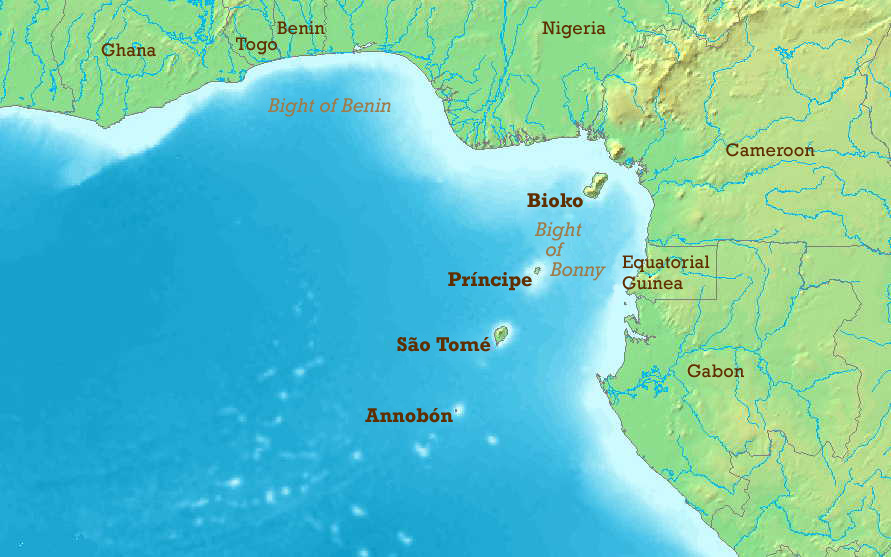
Piracy is back to infest West African waters, but what’s driving it?

ABHISHEK MISHRA

What makes the waters of the Gulf of Guinea vulnerable to piracy?

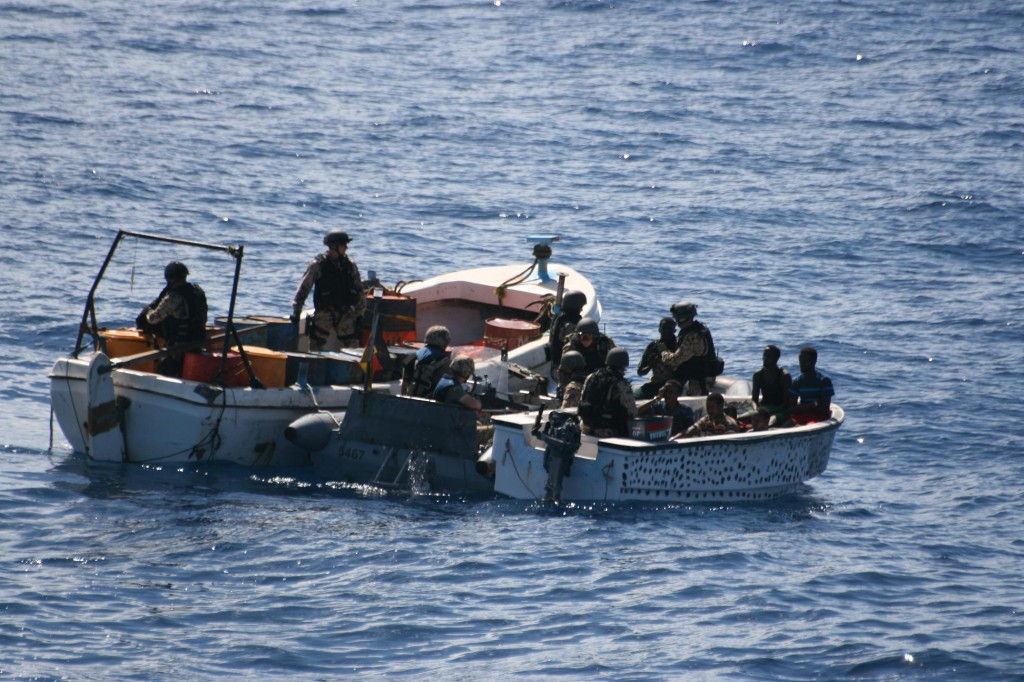
When it comes to discussing the concept of maritime security, the concept can be discussed in a variety of contexts. Broadly defined, maritime security concerns the protection of states’ land and maritime territories, and is affected by a broad range of illegal activities, including arms, drugs, and human trafficking, illegal, unreported, and unregulated (IUU) fishing, and pollution at sea. But, such acts only tends to get media coverage when pirates are involved.

African maritime security is particularly severely affected by maritime piracy and armed robbery at sea. Maritime piracy is not a new phenomenon; it has existed for as long as people and commodities have traversed the oceans. Under article 101 of UN Convention on the Law of the Sea, piracy is defined as:

Any acts of violence, detention, or depredation committed on the high seas by the crew or passengers of a private ship or aircraft against another ship, aircraft, persons, or property in a place outside the jurisdiction of any state for private ends.”

To continue reading, please click here.

Source: orfonline.org
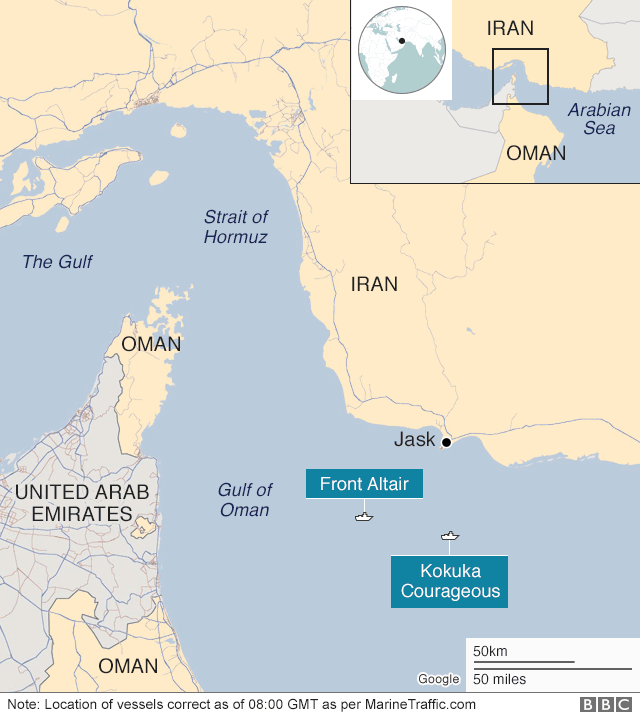
Trump Questions Need to Protect Persian Gulf Shipping

Questioning the longstanding American policy of defending maritime security in the Persian Gulf, President Donald Trump said Tuesday that the United States does not “need to be there” for merchant shipping in the region. 

“China gets 91% of its Oil from the [Strait of Hormuz], Japan 62%, & many other countries likewise. So why are we protecting the shipping lanes for other countries (many years) for zero compensation. All of these countries should be protecting their own ships on what has always been a dangerous journey,” he wrote in a Twitter post on Tuesday morning. “We don’t even need to be there in that the U.S. has just become (by far) the largest producer of Energy anywhere in the world!” 

To continue reading, please click here.

Source: maritime-executive.com

How to end crude oil theft, by expert

by Precious Igbonwelundu

Nigeria has been advised to create alternative operation routes, secure the evacuation routes and expand export activities to the eastern side of the Niger Delta to contain crude oil theft.

The suggestions were given by the Chief Executive Officer (CEO) of Umugini Pipeline Infrastructure Limited (UPIL), Blessing Ayemhere, on Tuesday during the unveiling of the company’s new logo and brand identity.

To continue reading, please click here.

Source: thenationonlineng.net

Wave of Delta kidnappings rings alarm bells

After a relative calm period, unrest in the Niger delta could be on the rise

Eromo Egbejule

Fears that militant violence and sabotage in the Niger delta are about to take off again has been fuelled by a spate of kidnappings of oil industry workers over recent weeks.

In one incident, two Royal Dutch Shell workers were abducted in Nigeria’s oil rich Rivers state in late April 2019, while their police escorts were killed. The two workers—from Canada and the UK—were released after a week, but there are concerns that there will be more problems to come, as Delta unrest picks up after a relatively quiet period.

To continue reading, please click here.

Source: petroleum-economist.com

Curfew in ESSZone extended until July 10

KOTA KINABALU: Curfew in the waters off seven districts in the Eastern Sabah Security Zone (ESSZone) which ends tomorrow, has been extended until July 10.

Sabah police commissioner Datuk Omar Mammah in a statement today said the curfew from 6pm to 6am covers the waters of Tawau, Semporna, Kunak, Lahad Datu, Kinabatangan, Sandakan and Beluran.

To continue reading, please click here.

Source: thesundaily.my

U.S. Launches Maritime Security Initiative for Strait of Hormuz

The United States is launching a new maritime security initiative for the Persian Gulf region to counter the threat of Iranian attacks on shipping, a State Department official told reporters Monday. During previous regional conflicts, the U.S. Navy has periodically provided escorts for merchant shipping through the Strait of Hormuz, but this effort would be multilateral, according to the official. 

The new program, called Sentinel, would be implemented with both material assets and monetary contributions from participating nations. The participants have not yet been named, but the official said that Secretary of State Mike Pompeo would seek the support of Saudi Arabia on Monday during a visit to Jeddah. 

To continue reading, please click here.

Source: maritime-executive.com

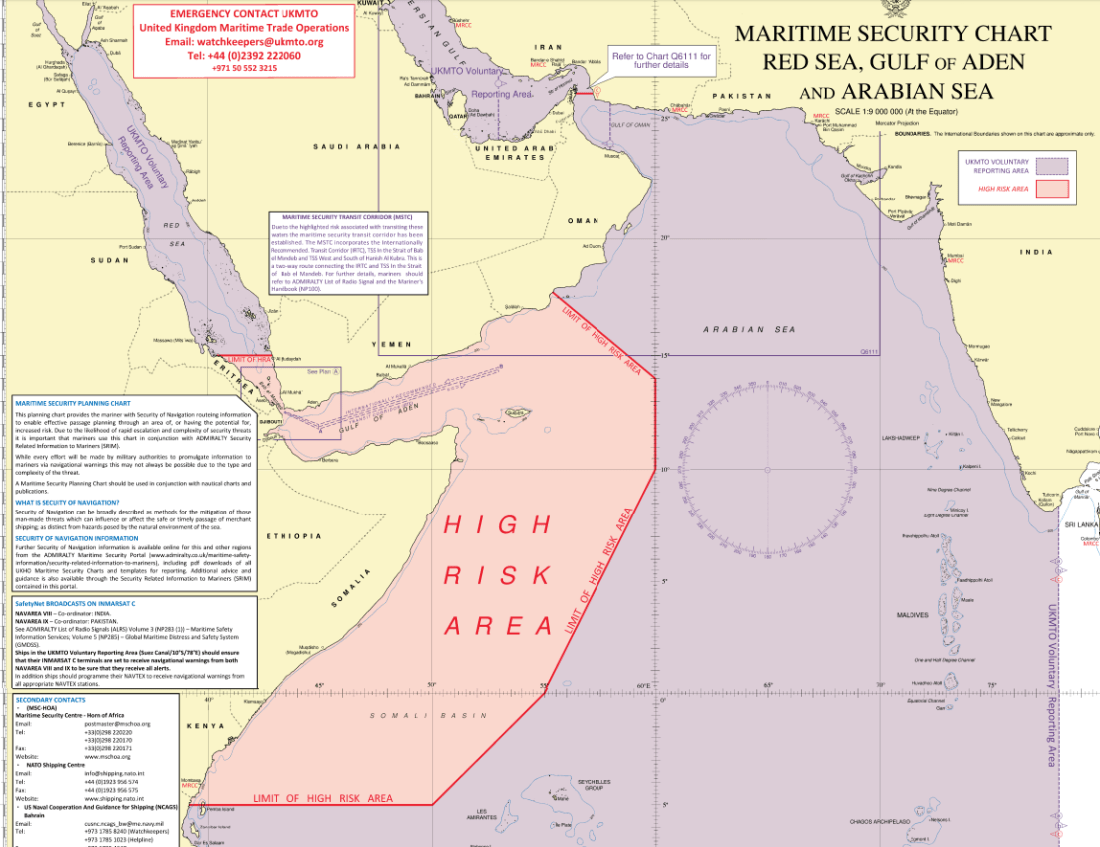
Maritime Piracy Warnings Issued by REMISC in Sana’a are not Legitimate, Says IMO

By Baibhav Mishra

Alerting the international maritime community on Monday, the IMO stated that warnings currently being issued from the email account of the Regional Maritime Information Sharing Centre (REMISC) in Sana’a, Yemen (infoex@remisc.org) are not legitimate.

Given the current situation in Yemen, the centre has not been able to provide updated piracy incident information, and has temporarily stopped its activities.

To continue reading, please click here.

Source: seanews.co.uk

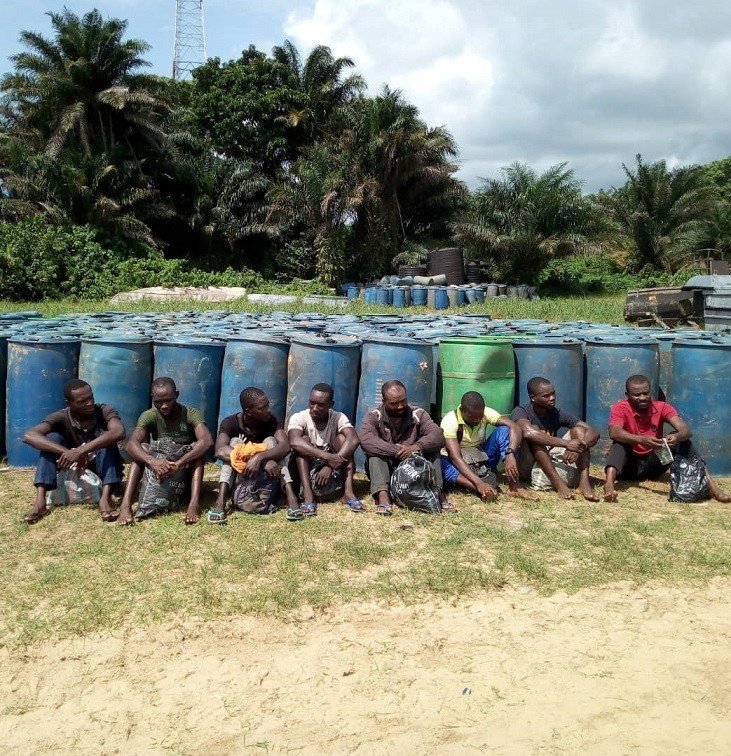
Why Illegal Bunkering Thrives In Niger Delta

By Jeremiah

For Indigenes of Bayelsa, issues of illegal bunkering is not new and has gained acceptance despite repeated clampdown on their operations by security agencies, particularly the Joint Security Task Force, code named Operation Delta Safe. Osa Okhomina examines the operations of the illegal operators amidst growing concern over insecurity, destruction and other environmental effects.

In Bayelsa, the operations of illegal operators of local refineries have become a norm and has been embraced as another way of forceful sharing from the national cake.

While the security agents including the Joint Security Task Force code named Operation Delta Safe and the Nigerian Navy, engage in serious security operations with destruction of Illegal bunkering sites, the shady operation continued in some Bayelsa communities and has become a new way of livelihood.

To continue reading, please click here.

Source: leadership.ngdelta/

Abus release 9 hostages

KUALA LUMPUR, Malaysia — Abu Sayyaf gunmen released nine hostages after finding that they were Bajau fishermen who had no money to pay for their ransom, Malaysian and Philippine officials said on Saturday.

The military said the nine men were found walking along a road in Talipao, Sulu, on Friday, three days after they were abducted in waters off Lahad Datu in Borneo on June 18.

To continue reading, please click here.

Source: globalnation.inquirer.net

Kenya, Somalia sea row threatens war on piracy

By AGGREY MUTAMBO


Somalia has launched a diplomatic offensive against Kenya in their dispute over the Indian Ocean waters prompting the Arab League to condemn Nairobi for annexing Mogadishu’s territory.

The Arab Parliament in which Somali has members claimed Kenya was drawing up an illegal map that includes taking away Somali territory. The taking sides in the disputes could now complicate the war on piracy in which more than 30 Indian Ocean rim countries have cooperated to decimate attacks and their success.

To continue reading, please click here.

Source: businessdailyafrica.com