The United States and Gabon Assume the Co-Secretariat of the Friends of Gulf of Guinea

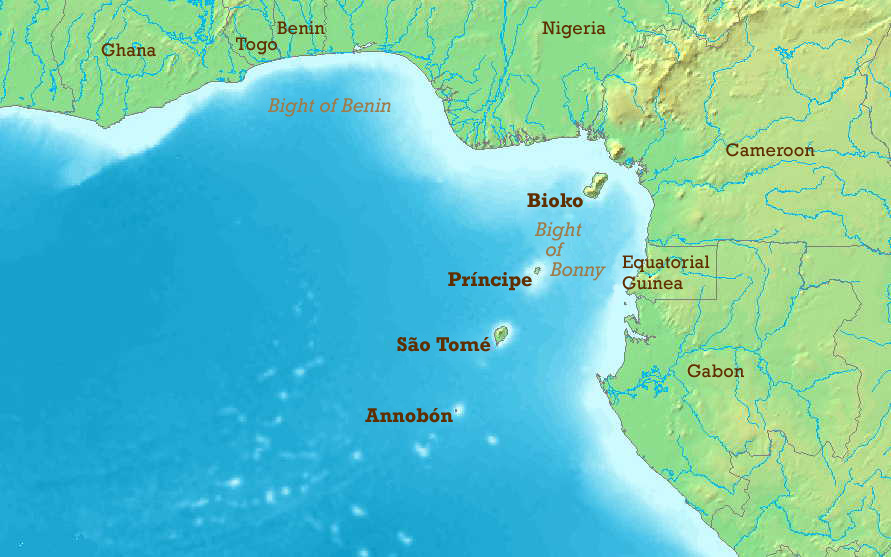
The Department of State is pleased to announce that the United States and the Republic of Gabon have assumed the co-secretariat of the Friends of Gulf of Guinea, also known as the FoGG, for calendar year 2020.

Working together, we will promote unimpeded global commerce and freedom of navigation; strengthen sustainable marine ecosystems, including fish stocks and related seafood supply chains; and enhance maritime governance in the Gulf of Guinea.

The Gulf of Guinea is vital for the shipment of goods, but it is also a rich marine ecosystem that millions of Africans depend on for their livelihoods. We welcome the active participation of all the regional coastal states to make progress in these critical areas.

Source: state.gov
Niger Delta: Smuggling, insecurity rise at private jetties

By Godfrey Bivbere

STAKEHOLDERS in the maritime industry have raised an alarm over high-level of smuggling through operations at the various private jetties scattered across the nation’s waterfront, even as they warmed about the security implication of an unregulated operations at these facilities.

Private jetties are licensed by the Nigerian Ports Authority, NPA; the Nigerian Maritime Administration and Safety Agency, NIMASA; and the National Inland Waterways Authority, NIWA, making effective regulation complicated.

To continue reading, please click here.

Source: vanguardngr.com

Criminal gangs take over Lagos – S/South waterways

By Godfrey Bivbere

COMMUNITY-based criminal gangs have taken over the nation’s waterways, from Lagos to the South-South part of the country, collecting tolls from all vessels sailing through that route.

Vanguard Maritime Report gathered that worst hit are barge owners from Warri axis who have been moving their barges to Lagos following the new trend of movement of cargo by barges from the ports to the private jetties.

To continue reading, please click here.

Source: vanguardngr.com

Nigeria unveils two vessels to tackle piracy

The Nigerian Maritime Administration and Safety Agency (NIMASA) has unveiled two Special Mission Vessels, DB Lagos and DB Abuja, to eliminate embarrassment caused by piracy on Nigeria’s waterways.The Director-General of NIMASA, Dr. Dakuku Peterside, said in Lagos on Tuesday that the arrival of the vessels demonstrated the determination of the Federal Government to restore Nigeria to tackle piracy.

Local media reports on Wednesday quoted Peterside as saying that the events have brought Nigeria to near crescendo in ensuring the elimination of criminality on its waterways and to bring about absolute tranquility in the nation’s water corridors.

To continue reading, please click here.

Source: journalducameroun.com

SA Navy Op Copper deployments valuable for commerce and security

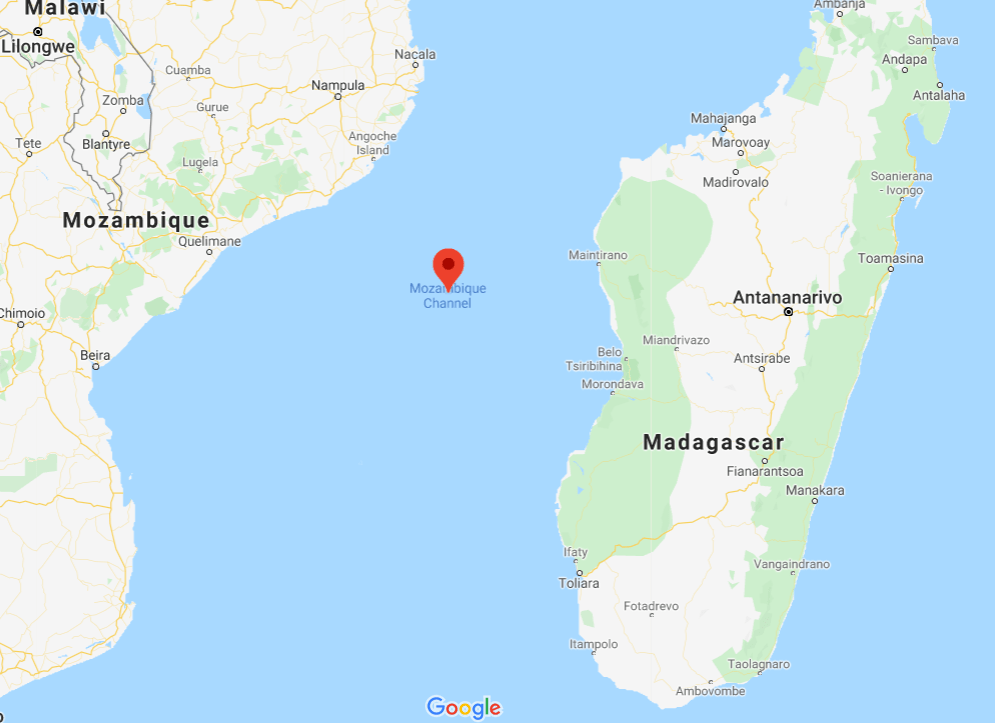
Mozambique Channel

Defence analyst Helmoed Heitman is a firm believer in the dictum “you cannot control what you can’t patrol” and to this end maintains SA Navy deployments to the Mozambique Channel should continue.

His observation comes at a time when the maritime service of the SA National Defence Force (SANDF) is preparing a platform for a stint in the waterway which carries much of South Africa’s seaborne goods and services.

To continue reading, please click here.

Source: defenceweb.co.za

NIMASA, NIALS decry crimes on Nigerian waterways

By Sulaimon Salau

The Nigerian Maritime Administration and Safety Agency (NIMASA), and the Nigerian Institute of Advanced Legal Studies (NIALS), have decried the high rate of piracy, armed robbery, and other maritime crimes on the nation’s waterways.

The Director-General of NIMASA, Dr Dakuku Peterside, said with the world’s waters accounting over 80 per cent of transportation requirements in the global trading supply chain network across established international routes and trade lanes, the threats of piracy, armed robbery at sea and other maritime crimes remain a global concern.

To continue reading, please click here.

Source: guardian.ng

Navy intercepts ‘stolen oil’ vessel in Rivers

From Rosemary Nwisi, Port Harcourt

The Economic and Financial Crimes Commission (EFCC) in Port Harcourt, the Rivers State capital, has said it received a vessel carrying a huge quantity of crude oil from men of the Nigerian Navy Forward Operation Base (FOB).

The vessel, MT Preye I, was reportedly intercepted by the Navy on Bonny waterways at about 6.15 pm on January 10, 2020. A statement from the public Affairs department of the anti-graft agency said 11 crew members of the vessel were arrested.

To continue reading, please click here.

Source: thenationonlineng.net

Nigeria: Oil Theft, Piracy, Cost Nigeria U.S.$750m in 2019 – NNPC

The Nigerian National Petroleum Corporation, NNPC, Tuesday, decried the growing activities of oil thieves and pirates, stating that Nigeria lost about $750 million to oil theft in 2019.

In a presentation to members of the Executive Intelligence Management Course 13 of the National Institute for Security Studies (NISS) who were on a study tour to the NNPC in, Abuja, Group Managing Director of NNPC, Mallam Mele Kyari, described the activities of the thieves and pirates as a threat to the operations of the corporation.

To continue reading, please click here.

Source: allafrica.com

Attack on Maersk Tema: Group recommends special security for Niger Delta

Anna Okon

The National Council of Managing Directors of Customs Licensed Agents has called on the Federal Government to set up a special committee made up of professionals to offer advice on maritime security.

The National President, NCMDCLA, Mr Lucky Amiwero, made the call  in reaction to an attack on a German container ship, Maersk Tema, off Bonny in Rivers State on Friday.

To continue reading, please click here.

Source: punchng.com

Maritime Security in the Asia-Pacific: Measuring Challenges and Progress

Only by seeking to measure maritime security dynamics in uniform and rigorous ways can we begin to understand the scope of the challenges and make progress.

By Jay Benson

In the realm of foreign and security policy, the maritime space is often overlooked. “Sea blindness” is real and it is often reflected in the amount of resources and policy attention paid to maritime security and governance around the world. However, as the maritime space gains attention as a theater for nontraditional security challenges and as space of increasingly important economic potential, so too does the need to empirically measure the scope of the challenges and the progress made in the maritime space. There are a plethora of indices, databases, and empirical reporting available on security and governance issues onshore, which contribute greatly to the understanding of policymakers on these phenomena, but the maritime space has yet to see the same application of empirical methods and analysis.

To continue reading, please click here.

Source: thediplomat.com