Why the Massive Floating Bomb in the Red Sea Needs Urgent Attention

BY DR. IAN RALBY, DR. DAVID SOUD, AND ROHINI RALBY

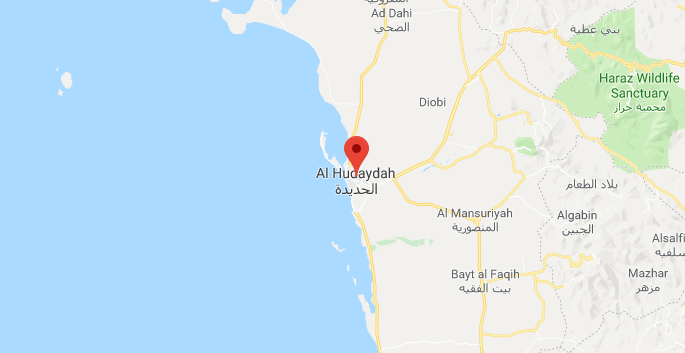
A floating storage and offloading (FSO) terminal less than five miles off the coast of Yemen has turned into a massive bomb—capable of explosion due to its contents and lack of maintenance. The risk of explosion increases by the day, and if that were to happen, not only would it damage or sink any ships in the vicinity, but it would create an environmental crisis roughly four and a half times the size of the Exxon Valdez oil spill.

The consequences of that explosion and corresponding environmental devastation would likely be 1) to rupture the fragile aid-focused ceasefire in Hodeidah established under the December 2018 Stockholm Agreement; and 2) to accelerate the already dire humanitarian crisis in Yemen where roughly fourteen million people are on the brink of famine, surviving at the moment on international aid. There is nothing benign about this situation—even in a region with countless immediate needs, this matter is of the utmost urgency.

To continue reading, please click here.

Source: atlanticcouncil.org

Saudi Arabia’s role in banishing piracy from regional waters

JENNIFER BELL

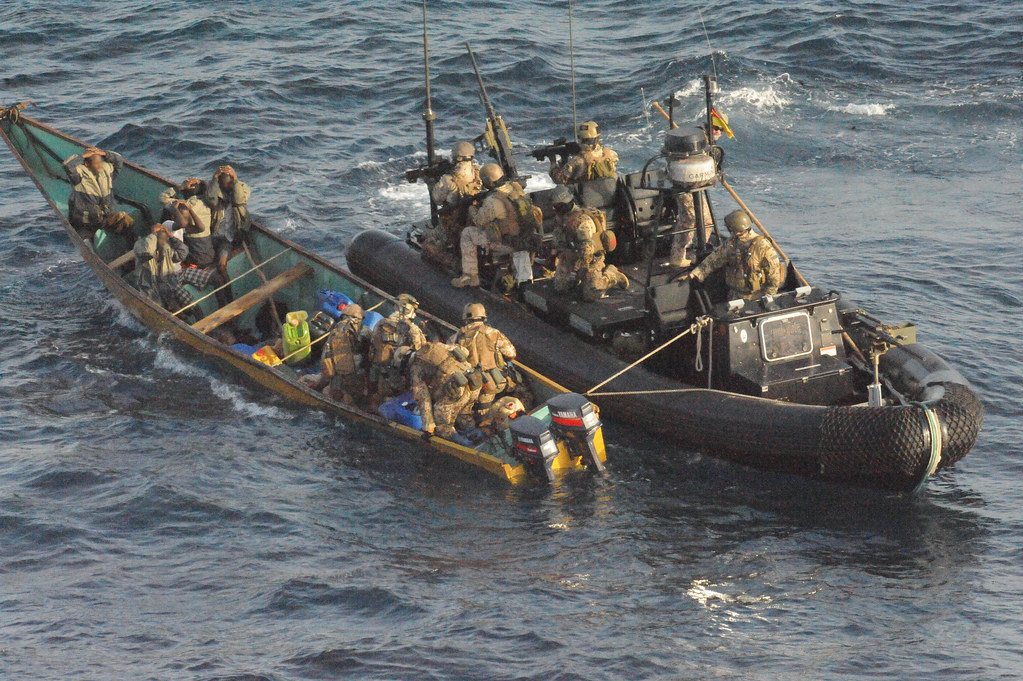
DUBAI: A decade ago, during the peak years of the Somali piracy crisis, the waters of the Arabian Gulf faced frequent threats from armed criminals at sea, who disrupted the economy by terrorizing shipping routes.

But experts say regional action — with Saudi Arabia at the forefront — has meant crimes on the high seas have dipped to some of the lowest records in years. 

To continue reading, please click here.

Source: arabnews.com

ReCAAP ISC Piracy and Sea Robbery Conference 2019 Updates International Maritime Community on Current Situation in Asia and Africa

ReCAAP Information Sharing Centre (ISC) today held its annual Piracy and Sea Robbery Conference to an audience of international maritime stakeholders including shipping and marine insurance companies, regulators and law enforcement agencies, as well as the diplomatic community based in Singapore.

In his keynote address, Mr. Koji Sekimizu, former Secretary General of the International Maritime Organization (IMO) reviewed the history of activities of IMO in dealing with maritime security and anti-piracy actions covering the establishment of ReCAAP, Somali Piracy, the Contact Group in conjunction with UN Security Council decisions, Djibouti Code of Conduct, Best Management Practices, and discussed a number of issues from his wide experience dealing with these matters as UN officer working at IMO and in the wider context of Maritime Governance by UN and IMO.

The conference addressed topics that are currently high on the agenda of the international maritime community including:

  • Piracy and Sea Robbery Situation in Asia (ReCAAP ISC)
  • Abduction of Crew in the Sulu-Celebes Seas and Waters off Easter Sabah (Philippine Coast Guard)
  • Update on the Indian Ocean High Risk Area (INTERTANKO)
  • Maritime Cybersecurity (BIMCO)
  • Effects and Implications of Piracy (Panel discussion moderated by World Maritime University)

“In 2018, there were 76 incidents of piracy and armed robbery reported in Asia. This was a 25% decrease in the total number of incidents and a 31% decrease in actual incidents compared to 2017. Nonetheless, it is important that we continue to reinforce the ownership of the Coastal States in addressing maritime crime, the cooperation between law enforcement agencies and the industry, and the timely reporting by ships, all of which have led to the decrease of incidents in Asia. The topics and speakers of this year’s conference have been designed to reflect the vitality of that shared responsibility,” remarked Masafumi Kuroki, Executive Director of ReCAAP ISC.

“Over the past couple of years, piracy and terrorism in the Sulu and Celebes Seas has been a point of concern for the shipping industry. The valuable counter-piracy lessons learned here, and off Somalia, are worth exploring, and may well be applied in the current piracy hotspot number one: The Gulf of Guinea. The annual ReCAAP ISC conference will surely help us do just that,” said Jakob P. Larsen, Head of Maritime Security at BIMCO.

“The threat from piracy remains, in Asia and also in the Indian Ocean. The Indian Ocean High Risk Area (HRA) continues to serve an important reference in ensuring ships and seafarers are prepared for pirate attacks,” said Tim Wilkins, Environment Director and Regional Manager, Asia-Pacific of INTERTANKO. “A serious threat remains despite the reduction to the area’s geographic boundaries and so correct reporting, vigilance and adherence to the 5th edition of the Best Management Practices to Deter Piracy and Enhance Maritime Security in the Red Sea, Gulf of Aden, Indian Ocean and Arabian Sea (BMP5) remains crucial. Shipowners must remain alert and law enforcement agencies must continue to provide protection to shipping.”

Ambassador Ong Keng Yong, Executive Deputy Chairman of RSIS, highlighted the relevance of the conference, “This annual conference is an important knowledge-sharing platform on risks and threats facing the international maritime community. We discussed piracy and sea robbery as well as relevant emerging technologies, and shared ideas on solving problems affecting ship owners and seafarers. The most useful part of this exchange is on how to work together effectively.”

Source: recaap.org

Somaliland Corrects IGAD Exclusion of Country in Red Sea Taskforce in Statement

Somalland flag

Somaliland wants to be included in the Taskforce on the Red Sea and the Gulf of Aden by the Intergovernmental Authority on Development (IGAD).

The Somaliland government says that any initiative to coordinate a response to changing Red Sea environs that does not include them in a meaningful way will lack the credibility, capability and representativeness necessary to contend with competing multinational cooperation efforts in these waters.

To continue reading, please click here.

Source: menafn.com

Task force to co-ordinate regional interventions

By FRED OLUOCH

Countries in the Horn of Africa have formed a task force to co-ordinate regional interventions in the face of threats to marine resources and security around the Red Sea and the Gulf of Aden.

The team was formed on Thursday in Nairobi by the Committee of Ambassadors from the Inter-Governmental Authority on Development (Igad) partner states of Kenya, Uganda, Ethiopia, Sudan, Djibouti, Somalia and South Sudan.

To continue reading, please click here.

Source: theeastafrican.co.ke

Maritime piracy incidents down in Q1 2019 but kidnapping risk in Gulf of Guinea persists

The International Chamber of Commerce International Maritime Bureau’s (IMB) report for the first quarter of 2019 reveals fewer incidents of piracy and armed robbery against ships than the first three months of 2018.

The IMB Piracy Reporting Centre, a 24-hour, free service offered by the IMB, enables shipmasters to report any incidents of piracy and armed robbery, globally against ships. Since 1991, the IMB Piracy Reporting Centre has provided the industry, government bodies and response agencies with timely data on the location of piracy and armed robbery incidents at sea.

Global trends

In the first quarter of 2019, IMB reported 38 incidents of piracy and armed robbery at sea, representing 28 fewer incidents than the first quarter of 2018 (66). IMB’s Piracy Reporting Centre detailed that 27 vessels were boarded, seven vessels were fired upon and four attempted attacks occurred in the first quarter of 2019. No vessels were reported as hijacked for the first time since the first quarter of 1994.

“These latest statistics from the IMB Piracy Reporting Centre are encouraging. However, first quarter statistics is too short a period on which to anticipate trends over the year.  It confirms the importance of information sharing and coordinated action between the industry and response agencies. Going forward, it is critical to continue to build more effective reporting structures to enable a strong, unified response when dealing with piracy incidents,” said IMB Director Pottengal Mukundan.

High risk in Gulf of Guinea

The Gulf of Guinea represented a high number of piracy and armed robbery attacks at sea, with 22 incidents reported in the first quarter of 2019. The region also accounted for all of the worldwide crew kidnappings as 21 crew members were kidnapped across five separate incidents. Incidents were reported in the coastal countries, of Benin, Cameroon, Ghana, Ivory Coast, Liberia, Nigeria and Togo in the first quarter of 2019.

Gains in Nigeria, but caution urged

Nigeria has been a hotspot for piracy incidents over the past decade. However, in the first quarter of 2019, Nigeria experienced a decrease in reported piracy incidents. Nigeria reported 14 incidents of piracy for Q1 2019, in comparison to 22 incidents in Q1 2018. These results confirm the Nigerian Navy’s increased efforts to “actively respond to reported incidents by dispatching patrol boats,” the report notes. Despite these efforts, Nigerian waters remain risky for vessels, especially the port of Lagos where four incidents have been reported.

Improvements in Asia

In Asia, Indonesia witnessed a decrease in piracy activities for the first quarter of 2019. There were only three incidents reported against anchored vessels in ports in Indonesia – the fewest reported incidents since 2010 – according to the report. As with Nigeria, increased cooperation and information sharing between the Indonesian Marine Police and IMB Piracy Reporting Centre has enabled regular patrols in high-risk areas.

Data sharing remains critical

The declining rate of piracy incidents worldwide in the first quarter of 2019 reinforces the importance of transparency, communication and coordination, between vessels and coastal authorities. By reporting all incidents to the IMB Piracy Reporting Centre and  coastal authorities the response can be better organised improving  incident response times and prompt advice to vessels aimed at a more optimal use of  resources.  National governments and coastal authorities can use this data to collaborate and strengthen their piracy prevention efforts.

Source: iccwbo.org

China deploys new missile destroyer, frigate in its anti-piracy fleet

One of the country’s new generation of self-developed Type-052C guided missile destroyers, Xi’an, which entered into service in February 2015, possesses over-the-horizon strike capability at sea, the report said. 

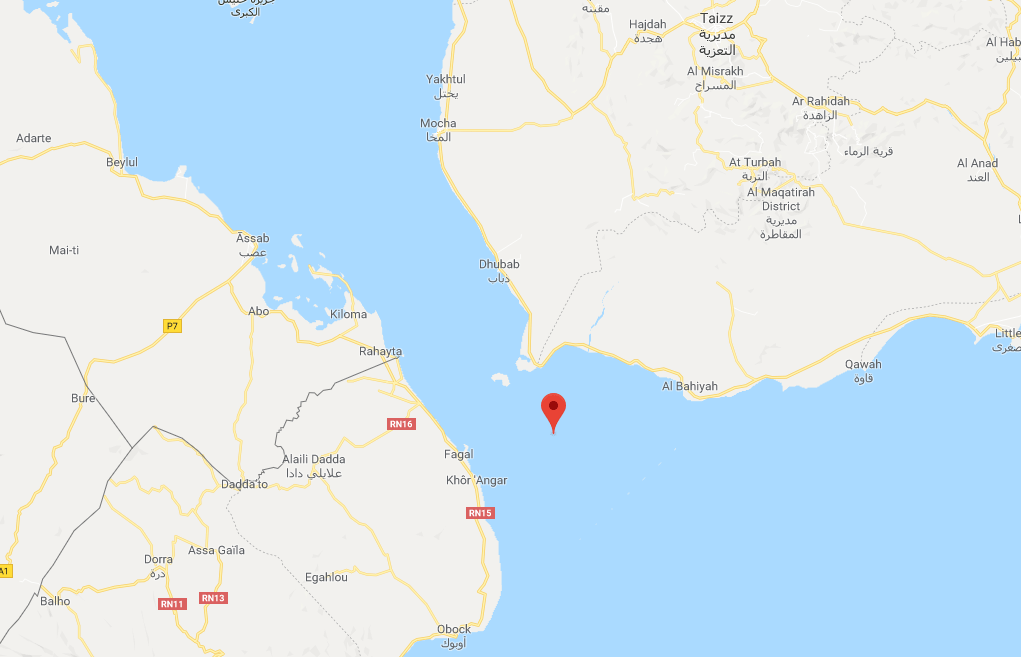
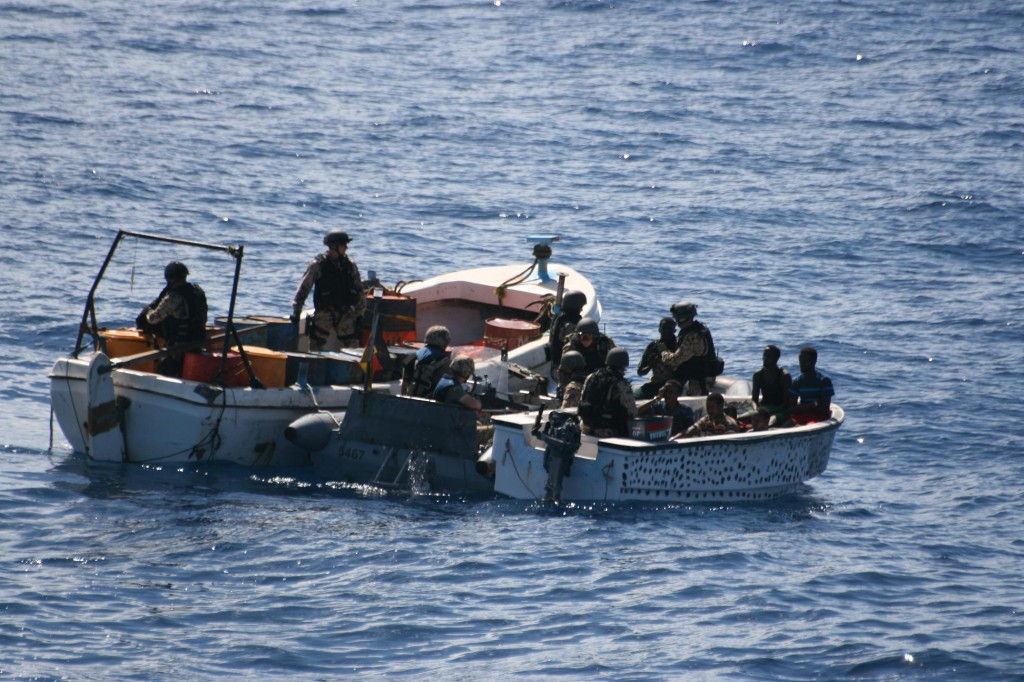
BEIJING: China has deployed its latest guided missile destroyer and frigate in the fleet of naval ships participating in anti-piracy operations in the Gulf of Aden and Somalian coast in the Arabian Sea and the Indian Ocean, a media report said Thursday. 

To continue reading, please click here.

Source: economictimes.indiatimes.com

The United Kingdom lowers the European flag on Northwood

Maritime Security News note: This article has been automatically translated into English by Google. As such, errors may remain.

(B2) The European Union flag will be lowered at Northwood HQ. The United Kingdom loses control of the EU’s anti-piracy operation, which it has been commanding since the beginning, a good decade ago in December 2008. At issue: Brexit.

It will be effective March 29, 2019. And there, there is no postponement. Everything has already been decided and endorsed for several months already. The command returning to the Spaniards, with the French in support. Which is just a return of things. Since without Paris and Madrid, this operation would never have seen the day (Read: France and Spain decided to act on maritime piracy).

To continue reading, please click here.

Source: bruxelles2.eu

Claims of British commandos shot on secret missions in Yemen dismissed

Lucy Fisher, Defence Correspondent

Senior defence sources today dismissed reports that five British special forces commandos were wounded in gun battles while on secret missions in Yemen.

Members of the Special Boat Service (SBS) were shot while fighting in the Saadah area in the north of the country, according to the Mail on Sunday.

To continue reading, please click here.

Source: thetimes.co.uk

Expanding collaborative efforts to promote maritime security

Members of three key regional maritime security agreements*, which IMO has helped to establish, are undergoing training tackling maritime crime in Jeddah, Saudi Arabia (10 – 28 March 2019).

Thirty participants from 24 countries** are learning theoretical and practical skills to deal with piracy/robbery against ships, drug trafficking, marine terrorism, weapons smuggling, human trafficking and more.

The course is organized by IMO and Saudi Arabia under the auspices of the Jeddah Amendment to Djibouti Code of Conduct and conducted by experts from the Saudi Arabia Border Guard, UNODC, INTERPOL and IMO.

The training is taking place at the Mohammed Bin Naif Academy for Maritime Science and Security Studies and is the first of three training workshops to be organized by IMO and the Saudi Border Guard in Jeddah during 2019 – with financial assistance from Saudi Arabia.

The series of workshops will enable participants from different regions  to share ideas and best practices in order to promote maritime security.

* The Djibouti Code of Conduct; the West and Central Africa Code of conduct; and the Regional Cooperation Agreement on Combating Piracy and Armed Robbery against Ships in Asia (ReCAAP)

** Bahrain, Comoros, Djibouti, Egypt, Ethiopia, Ghana, India, Jordan, Kenya, Madagascar, Maldives, Mauritius, Mozambique, Myanmar, Oman, Saudi Arabia, Seychelles, Somalia, South Africa, the Sudan, Cape Verde, Sri Lanka, United Republic of Tanzania and Yemen.

Source: IMO.org