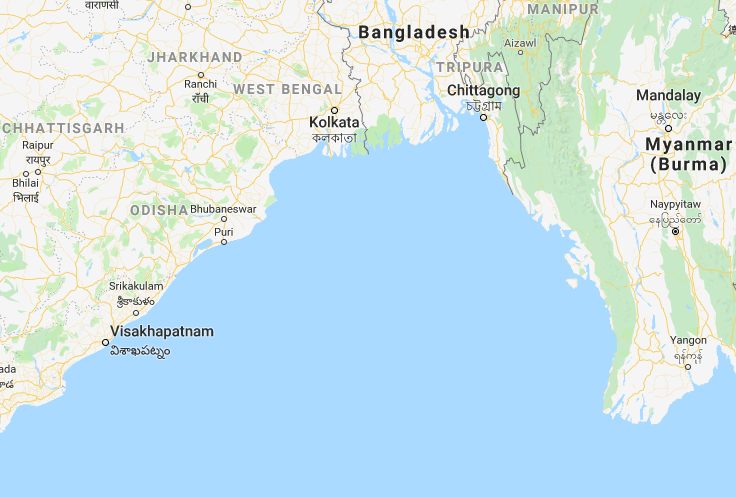
Bangladesh Coast Guard on Thursday requested journalists not to use the word ‘piracy’ or ‘pirate’ while referring to robbery incidents on inland and coastal waterways.
The word ‘piracy’ on sea refers to robbery or criminal incidents outside the maritime boundary of the country while the incidents handled by the coast guards occur along the coast of the country and is thus robbery, said a release.
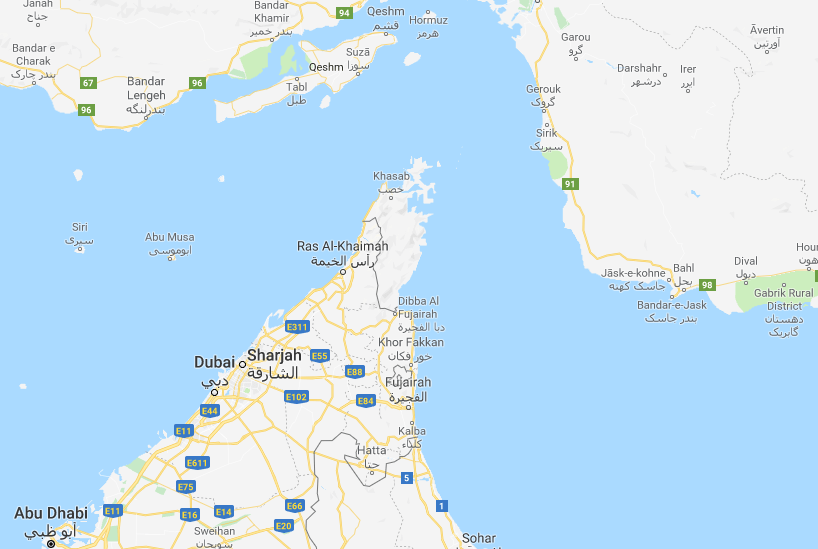
The South Korean government is likely to send military forces to join a US-led multinational coalition to defend the Strait of Hormuz early next year.
According to military sources, the 4,400-ton destroyer Wang Geon of the Cheonghae anti-piracy unit is scheduled to leave Busan late this month to relieve the destroyer Kang Gam-chan which is currently operating in the Gulf of Aden.
The Mozambican authorities are detaining 12 Iranians caught allegedly shipping drugs off the coast of the northern province of Cabo Delgado.
The boat was intercepted on Saturday in a joint operation carried out by the Mozambican navy and the National Criminal Investigation Service (Sernic).
The interception occurred about 50km (31 miles) from the Mozambican coast.
Occupants of the vessel are said to have set it on fire moments before their arrest.
Police say the fire destroyed the approximately 1.5 tonnes of heroin suspected to be on board.
They then jumped off the ship into the Mozambique Channel. Three of them died, while 12 others were rescued by the navy.
The suspects, all of Iranian nationality, are being detained in the provincial capital, Pemba.
Local media reports indicate the operation resulted from intelligence gathered from the various agencies involved in fighting against drug trafficking.
Regular readers will know that I try to ensure all news published here is relevant and factual. In recent days, I’ve noticed that a number of historical articles relating to piracy in West and East Africa as well as incidents of abduction in SE Asia have appeared online.
Often, this occurs because news sites are updating databases or re-loading previously deleted items. However, for anyone searching for open source maritime security items, there’s a clear danger of confusion. Today, I’ve seen several sites post and then delete items which relate to the hijacking of the MV Aris 13, an incident I was heavily involved in and which helped to resolve.
The bottom line is that if you get your intel from open sources, make sure you verify it. If not, you could end up sharing something alarming, but which happened several years ago…
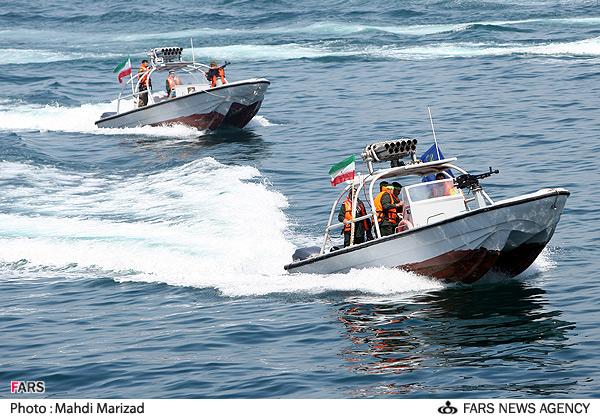
TEHRAN, Dec. 14 (Xinhua) — Iran’s Islamic Revolution Guards Corps (IRGC) will hold a large-scale naval exercise in the country’s southern waters, Tasnim news agency reported on Saturday.
Commander of the IRGC’s Navy Ali Reza Tangsiri told Tasnim that the massive naval war game will be launched in the near future.
The Islamic Revolutionary Guard Corps naval commander Admiral Alireza Tangsiri said the Persian Gulf belongs to Iran. “We have the right to question any vessels entering the Straits of Hormuz and Iranian territorial waters.” The statement is the latest in a series of Iranian threats to neighboring countries of the Persian Gulf after six months of tensions in which Iran downed a US drone and attacked six ships and seized one UK-flagged ship in the sensitive waterway.
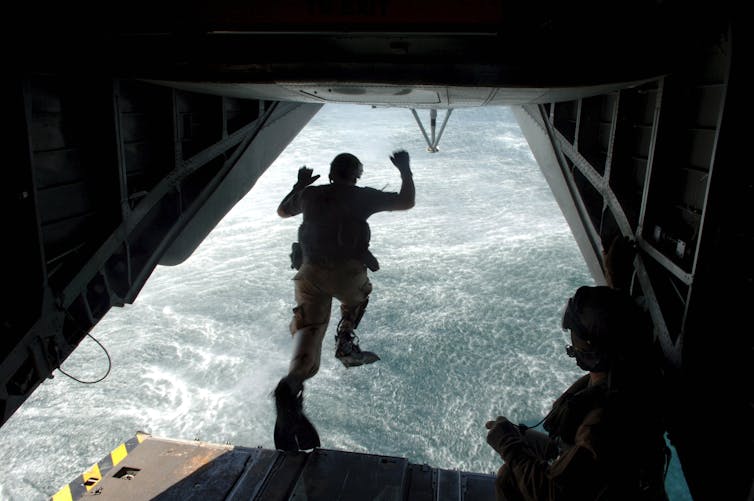
US service members practising water rescue techniques during a routine training exercise off the coast of Djibouti in 2007. EPA/US NAVY/MC1 MICHAEL R. MCCORMICK
The upsurge of Somali piracy after 2005 led to significant international activity in the Horn of Africa. Naval missions, training programmes, capital investment and capacity building projects were among the responses to the threat. States in the region also started to focus on the dangers and opportunities associated with the sea.
Kenya and Djibouti, two states directly affected by piracy, achieved widespread reform of their domestic maritime sectors through new national initiatives and assistance from external partners. Djibouti’s President Ismail Guelleh recently commented during talks with Kenya on security and trade links that
What happens in Somalia has an immediate impact on all of us.
At its height, between 2008 and 2012, it is estimated that Somali piracy cost the Kenyan shipping industry between US$300 million and $400 million every year. This was as a result of increased costs (including insurance) and a decline in coastal tourism. It also damaged Djibouti’s maritime industry, financial sector and international trade.
The upsurge of piracy after 2005 had a number of causes. It grew from poverty and lawlessness in Somalia alongside opportunity and a low risk of getting caught. By 2013 the threat had been reduced. This was due to a combination of naval patrols, private armed guards, self defence measures on board ships and capacity building efforts ashore.
Historically, most states in the Horn of Africa have struggled with limited capacity to address maritime insecurity. Their naval assets, training, human resources, institutional and judicial structures, monitoring and surveillance have all been critically underfunded.
But the international response to piracy – and the investments and partnerships that emerged – have helped some states to improve in these areas.
More importantly perhaps, since the decline in piracy attacks, Kenya and Djibouti have been paying more attention to policies around maritime governance and “blue” economic development. This relates to sustainable use of ocean resources for economic growth, job creation and ocean ecosystem health. The refocus marks a shift from traditional investments related to land based conflict and land borders.
In a recent article, I examine how Kenya and Djibouti reformed their domestic maritime sectors following a decline in acts of piracy. The study sheds new light on the limitations and challenges facing domestic maritime sectors in Africa as well as some of the innovative approaches taken.
A key point is that blue economic growth is not possible without addressing security threats at sea. This includes building a robust maritime security sector, improving ocean health and regulating human activity at sea in a more sustainable way.
International partnerships
Many of the new developments in the region have been supported by international partners. The Djibouti Navy and Coastguard work closely with the US Navy. Together, for example, they are developing capacity for stopping and searching suspicious vessels. This is important in countering the illicit trafficking in people and smuggling of migrants through Djiboutian waters.
Djibouti has also benefited from Chinese direct investment, which accounts for nearly 40% of the funding for its major investment projects. Chinese state-owned firms have built some of Djibouti’s largest maritime related infrastructure projects. These include the Doraleh Multipurpose Port, a new railway connection between Djibouti and Addis Ababa, and the opening of China’s first foreign military facility.
This is a clear example of Beijing prioritising its growing economic and security interests in Africa. And advancing its “massive and geopolitically ambitious” Belt and Road Initiative.
Kenya, too, has received international assistance and investment. This includes support to set up the Regional Maritime Rescue Coordination Centre in Mombasa. Organisations like the International Maritime Organisation have led training for staff from the centre and for the Kenyan Navy.
The United Nations Office on Drugs and Crime has provided law enforcement training for the Kenyan Maritime Police Unit. It also opened a new high-security courtroom in Shimo La Tewa, Mombasa, for cases of maritime piracy and other serious criminal offences.
National refocus
At a national level, there is evidence of a fundamental shift towards building a more secure and sustainable domestic maritime sector.
For example, Kenya has created a new coastguard service. Its job is to police the country’s ocean territory and to ensure that Kenya benefits from its water resources. The country has new naval training partnerships, maritime capacity building projects and an implementation committee to coordinate “blue economic” activities. These include fisheries, shipping, port infrastructure, tourism and environmental protection.
For its part, Djibouti has rapidly developed its maritime sector and recognised the financial benefits of leasing coastal real estate. The country has an ambitious development plan titled “Djibouti Vision 2035”. This sets out its aspiration to become a maritime hub and the “Singapore of Africa”. It’s trading on the fact that it has a similar strategic position along one of the world’s busiest shipping lanes.
All of these approaches require robust laws and regulations governing human activities at sea. They also call for a capable and flexible coastguard and navy to enforce these regulations and secure coastal waters against threats such as piracy, fisheries crime and the illicit smuggling of drugs, weapons and people.
The way forward
There are lessons in the Horn of Africa experience for other regions of Africa facing similar maritime insecurities. One example is the Gulf of Guinea.
The first lesson is that there’s a need to convince coastal states with weak maritime capacities of the untapped potential of the blue economy. Even reputational damage can harm tourism, development and investment in coastal regions. This was clearly illustrated in the case of Kenya.
Blue economic growth needs a safe and secure maritime environment for merchant shipping in particular. It can also help alleviate poverty in coastal regions, provide alternatives to criminal livelihoods, and allow local communities more ownership of issues that affect them.
Ultimately, maritime security and blue economic growth need to be considered as a unified policy issue.
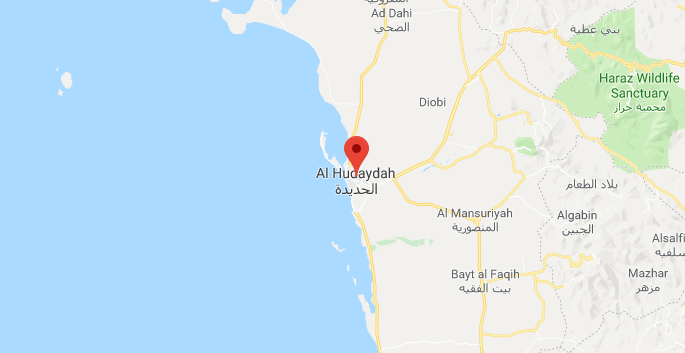
TEHRAN (Tasnim) – Saudi Arabia has prevented 13 ships carrying energy derivatives and food for Yemenis from entering Yemen’s port of Hudaydah for over 40 days amid a humanitarian catastrophe in the Arab country, a report said.
According to Yemen’s Arabic-language al-Masirah television network, 13 ships destined for the impoverished Arab country have been impounded by the kingdom and diverted to the port of Jizan in southwestern Saudi Arabia.
The report added that the vessels had undergone inspection by the United Nations and obtained the relevant papers. So far, only one of the vessels has been allowed to leave the port of Jizan.
Back on November 23, the Yemeni minister of public health and population said it is estimated that every 10 minutes a child under the age of five dies from extreme hunger in the country, warning that the ongoing Saudi-led blockade is also taking a heavy toll on newborn babies.
Saudi Arabia and a number of its allies launched a devastating campaign against Yemen, with the goal of bringing the government of former president Abd Rabbuh Mansur Hadi back to power and eliminating the Houthi Ansarullah movement, whose fighters have been helping the Yemeni army significantly in defending the country against invaders since the onset of war.
The US-based Armed Conflict Location and Event Data Project (ACLED), a nonprofit conflict-research organization, estimates that the war has so far claimed more than 100,000 lives.
The Saudi-led war has also taken a heavy toll on Yemen’s infrastructure, destroying hospitals, schools, and factories. According to the United Nations, more than 24 million people are in dire need of humanitarian aid, including 10 million suffering from extreme levels of hunger.
MarsecNews: For the sake of clarity, this information comes from an Iranian media outlet. Iran backs the Houthi rebels in the country. I know maritime security companies who assist the World Food Programme and they have not reported any difficulties (other than those normally expected in Yemen) in disembarking aid goods at ports such as Hodeidah.
Iranian Navy Commander Rear Admiral Khanzadi invited Qatari army to participate in Indian Ocean Naval Symposium (IONS) military exercise in the Indian Ocean.
He made the remarks in his meeting with his Qatari counterpart in Doha late on Thu. after meeting with senior military commanders of Pakistan’s army.
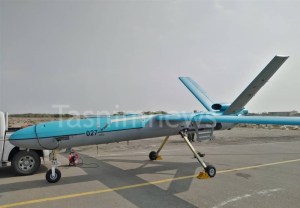
TEHRAN (Tasnim) – The Islamic Republic of Iran’s Navy unveiled a homegrown combat drone on Saturday.
The unmanned aerial vehicle, dubbed Simorgh, was unveiled at a ceremony in the southeastern coastal city of Konarak, attended by Iranian Navy Commander Rear Admiral Hossein Khanzadi.
With a flight endurance of 24 hours, the drone can be used for combat, reconnaissance, and tactical operations, and electronic warfare.
Simorgh has a range of 1,500 kilometers and a service ceiling of 25,000 feet. It is the naval version of Shahed-129, a powerful combat drone that was mass-produced in 2013.
Shahed-129 is now in service in the fight against drug-traffickers and terrorists, patrol and reconnaissance missions along the territorial and sea borders, environmental operations, and for taking aerial images.
The combat version of Shahed-129 can carry a payload of 8 bombs or smart missiles and is designed to hit both fixed and mobile targets.




 Maritime Security News