China deploys new missile destroyer, frigate in its anti-piracy fleet

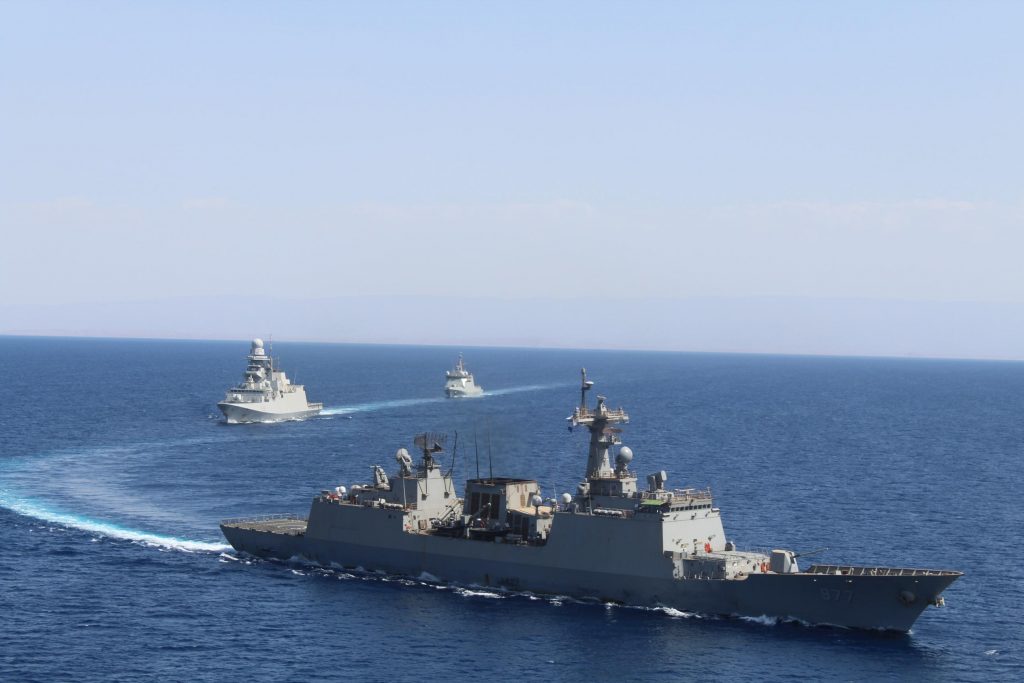
One of the country’s new generation of self-developed Type-052C guided missile destroyers, Xi’an, which entered into service in February 2015, possesses over-the-horizon strike capability at sea, the report said. 

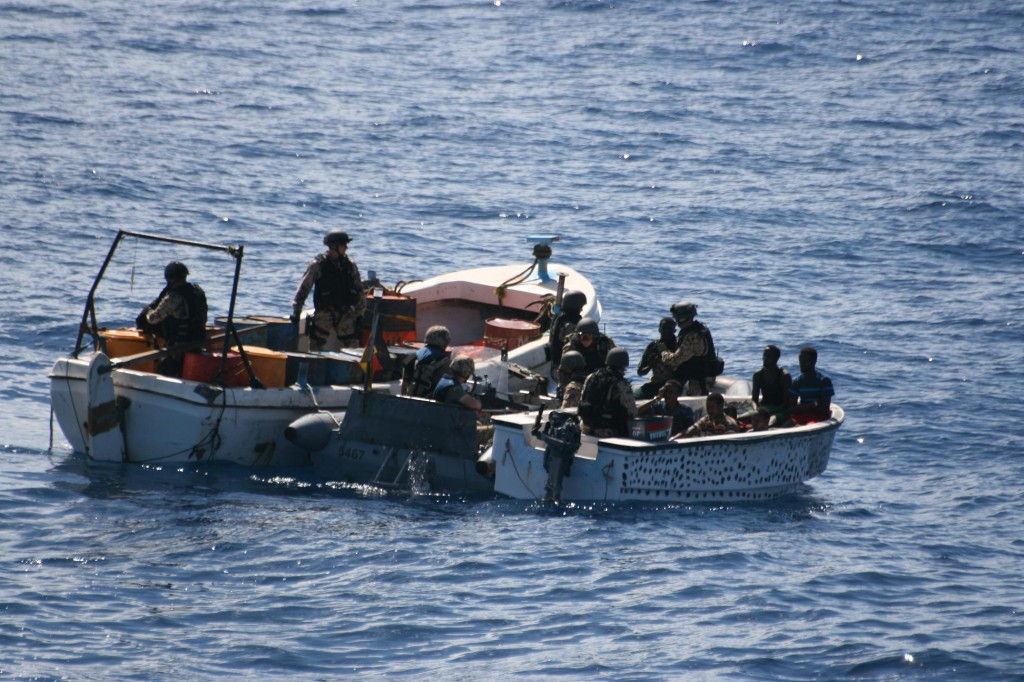
BEIJING: China has deployed its latest guided missile destroyer and frigate in the fleet of naval ships participating in anti-piracy operations in the Gulf of Aden and Somalian coast in the Arabian Sea and the Indian Ocean, a media report said Thursday. 

To continue reading, please click here.

Source: economictimes.indiatimes.com

The United Kingdom lowers the European flag on Northwood

Maritime Security News note: This article has been automatically translated into English by Google. As such, errors may remain.

(B2) The European Union flag will be lowered at Northwood HQ. The United Kingdom loses control of the EU’s anti-piracy operation, which it has been commanding since the beginning, a good decade ago in December 2008. At issue: Brexit.

It will be effective March 29, 2019. And there, there is no postponement. Everything has already been decided and endorsed for several months already. The command returning to the Spaniards, with the French in support. Which is just a return of things. Since without Paris and Madrid, this operation would never have seen the day (Read: France and Spain decided to act on maritime piracy).

To continue reading, please click here.

Source: bruxelles2.eu

Expanding collaborative efforts to promote maritime security

Members of three key regional maritime security agreements*, which IMO has helped to establish, are undergoing training tackling maritime crime in Jeddah, Saudi Arabia (10 – 28 March 2019).

Thirty participants from 24 countries** are learning theoretical and practical skills to deal with piracy/robbery against ships, drug trafficking, marine terrorism, weapons smuggling, human trafficking and more.

The course is organized by IMO and Saudi Arabia under the auspices of the Jeddah Amendment to Djibouti Code of Conduct and conducted by experts from the Saudi Arabia Border Guard, UNODC, INTERPOL and IMO.

The training is taking place at the Mohammed Bin Naif Academy for Maritime Science and Security Studies and is the first of three training workshops to be organized by IMO and the Saudi Border Guard in Jeddah during 2019 – with financial assistance from Saudi Arabia.

The series of workshops will enable participants from different regions  to share ideas and best practices in order to promote maritime security.

* The Djibouti Code of Conduct; the West and Central Africa Code of conduct; and the Regional Cooperation Agreement on Combating Piracy and Armed Robbery against Ships in Asia (ReCAAP)

** Bahrain, Comoros, Djibouti, Egypt, Ethiopia, Ghana, India, Jordan, Kenya, Madagascar, Maldives, Mauritius, Mozambique, Myanmar, Oman, Saudi Arabia, Seychelles, Somalia, South Africa, the Sudan, Cape Verde, Sri Lanka, United Republic of Tanzania and Yemen.

Source: IMO.org

Anti-piracy firm ARX Maritime cheers overseas growth

HANNAH BURLEY

Anti-piracy equipment developer ARX Maritime has unveiled a four-fold rise in revenues after enjoying rapid international growth.

Sales at the Edinburgh-based firm, which develops self-install anti-piracy barriers to protect seafaring vessels, have risen by 300 per cent year-on-year since the business was formed in 2016.

To continue reading, please click here.

Source: scotsman.com

China-Somalia Fishing Deal Could Create a Surge in Pirate Attacks

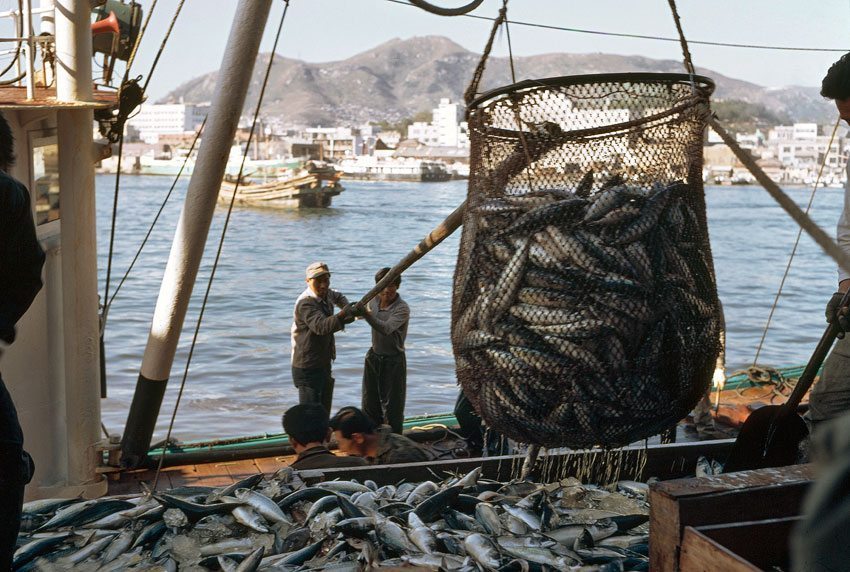
Fish stocks are an important policy issue in China. The most recent five-year plan regarding fishing policy called for improving the quality of catches to improve profitability. However, environmental degradation and overfishing have reduced the quality and quantity of China’s fish stocks. While China works on dealing with its environmental and fishing management policies, it has decided to go elsewhere to secure quality fish: Somalia.

China signed a deal with the Somali central government for licenses to fish. If you know about marine life off the coast of Somalia, the deal seems like a good idea. Somalia has abundant fish stocks that contain tuna, lobster, and swordfish. With the exception of coastal communities, Somalis largely don’t eat fish, so competition is limited. If the deal seems too good to be true, it’s because it is.

If you know anything about Somali politics, you should know that this deal is a horrible idea.

To continue reading, please click here.

Source: international.thenewslens.com

Famous Somali pirate killed in Mudug region

SOMALIA-A famous Somali pirate was killed in Golfula district, Mudug region.

The pirate named, Ahmed Mohamud used to be a high profile leader in piracy. Sources reveal that the pirate was killed two days ago. Mohamud left Hubyo division for Galkaayo before he was assassinated in Gofula district.

To continue reading, please click here.

Source: somaliaffairs.com

Gov’t to carry out counter-piracy drill

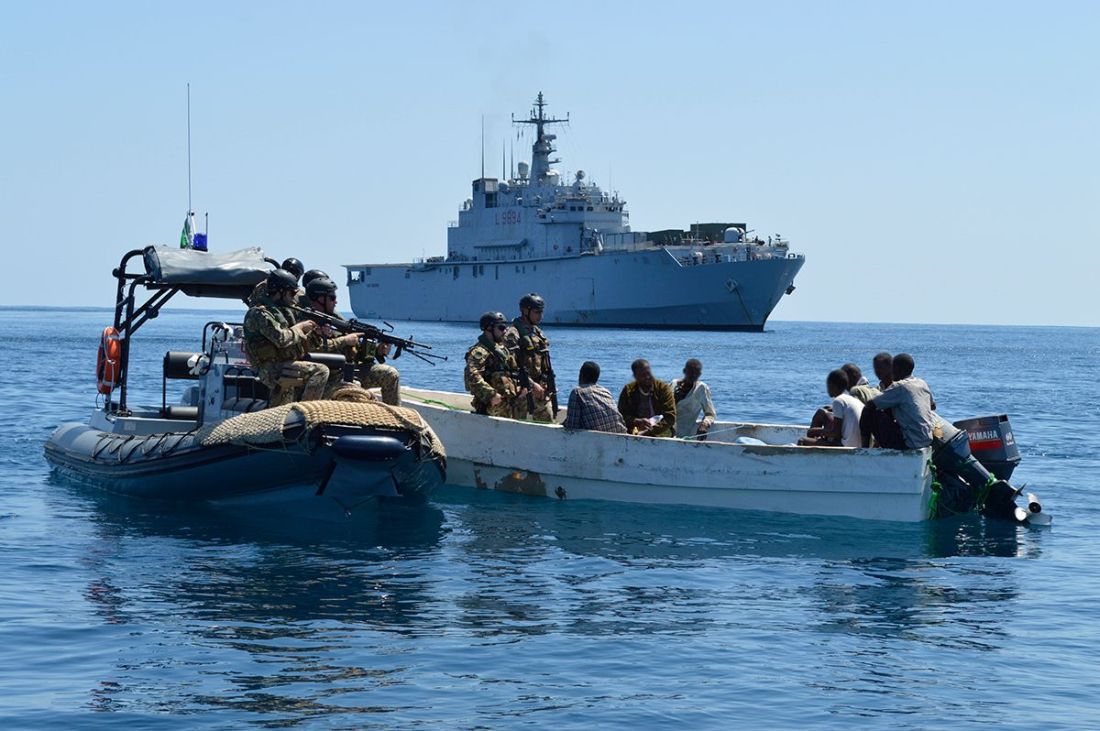
SEOUL, March 14 (Yonhap) — South Korea’s ocean ministry said Thursday it will carry out a joint counter-piracy drill with the Navy and shipping companies to prepare for various contingencies.

The Ministry of Oceans and Fisheries said the training will be conducted on Friday in waters off the southern coast with the Navy’s Cheonghae Unit, which was created around a decade ago for anti-piracy operations off the Somali coast, taking part.

To continue reading, please click here.

Source: en.yna.co.kr

CMF Commander hosts Semi-Annual Maritime Security Conference in Bahrain

MANAMA, BAHRAIN

Story by Petty Officer 1st Class Bryan Blair

U.S. Naval Forces Central Command / U.S. 5th Fleet  

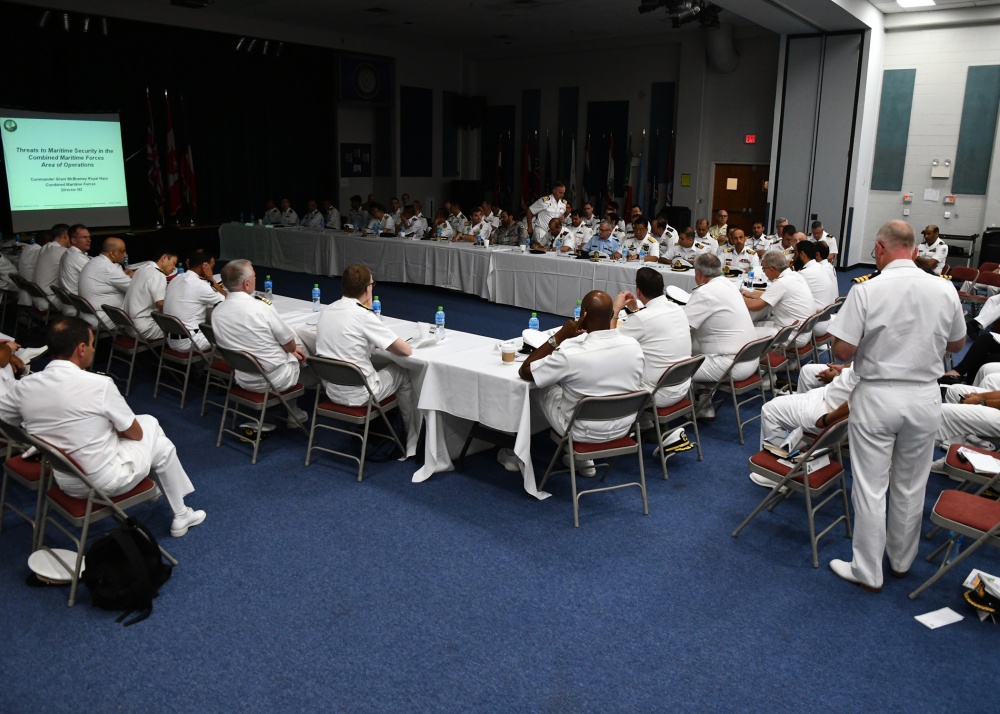
MANAMA, Bahrain – More than 150 multi-national military leaders representing 33 partner nations were onboard Naval Support Activity Bahrain to attend the Combined Maritime Forces (CMF) annual Maritime Security Conference, March 7. 

Vice Adm. Jim Malloy, commander of U.S. Naval Forces Central Command/U.S. 5th Fleet/Combined Maritime Forces hosted the partner-nation representatives to discuss the importance of teamwork and alliances in combatting and deterring potential threats in the U.S. 5th Fleet area of operations. 

“Collaboration is key to accomplishing our shared goals of maritime security and stability in the region,” said Malloy. “A forum such as this conference allows Navy leaders from across the region and the globe to gather and share perspectives – identify common threats and shared opportunities, and then coordinate activities which will optimize our collective strength and maximize our effectiveness as we operate at sea in the Middle East.” 

The objective of this year’s conference was for multi-national leaders to actively communicate about challenges, solutions and ultimately, the way forward in maritime strategy. The members were dispersed into working groups, which assisted in streamlining the discussion topics. 

“Collectively we operate in one of the most challenging and complex maritime environments in the world. Ships that operate here face threats in the Red Sea, the Arabian Sea, the Arabian Gulf and the Indian Ocean,” said Malloy at the beginning of the conference. “The CMF is the vehicle we use to promote legitimate commerce, deter conflict and maintain regional stability.”

Royal Navy Commodore Steve Dainton, deputy commander of the CMF, was also in attendance and echoed the sentiments conveyed by Malloy. 

“As a community, we all need to be in this together and building a network of like-minded people will be essential to future success,” said Dainton. “Your individual contributions undoubtedly provide legitimacy to the organization.”

CMF is comprised of three Combined Task Forces (CTFs), CTF 150, which is responsible for maritime security and counter terrorism operations, CTF 151, responsible for counter piracy operations and CTF 152, responsible for maritime security and counter terrorism with the Gulf and building cooperation between Gulf Cooperation Council nations.

CMF is a unique multi-national collective of 33 like-minded nations, dedicated to promoting security and free flow of commerce across 3.2 million square miles of international waters in the Red Sea, Gulf of Aden, Somali Basin, the Indian Ocean and the Gulf. CMF’s main focus areas are disrupting terrorism, preventing piracy, reducing illegal activities, and promoting a safe maritime environment for all.

U.S. 5th Fleet area of operations encompasses about 2.5 million square miles of water area and includes the Arabian Gulf, Gulf of Oman, Red Sea and parts of the Indian Ocean. The expanse is comprised of 20 countries and includes three critical choke points at the Strait of Hormuz, the Suez Canal and the Strait of Bab al Mandeb at the southern tip of Yemen.

Source: dvidshub.net

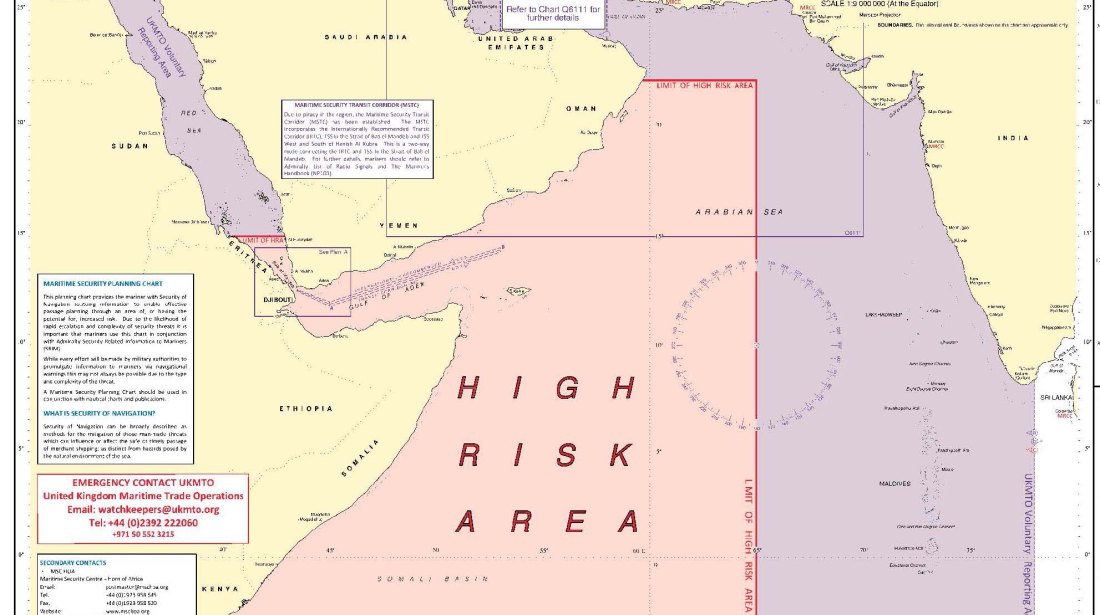
Boundaries of Piracy High Risk Area Reduced

The geographic boundaries of the ‘High Risk Area’ for piracy in the Indian Ocean have been reduced.

An industry group of shipping and oil industry organizations BIMCO, International Chamber of Shipping (ICS), INTERCARGO, INTERTANKO and the Oil Companies International Marine Forum (OCIMF) are responsible for setting the High Risk Area, and they emphasize that a serious threat remains despite the reduction to the area’s geographic boundaries and that correct reporting, vigilance and adherence to 5th edition of the best management practice (BMP5) remains crucial.

To continue reading, please click here.

Source: maritime-executive.com