Indian Navy signs contract with ISRO for a new military satellite

For the procurement of a new military satellite to ease communications between its warships, aircrafts and shore- based units, the Indian Navy has placed an order with the Indian Space Research Organisation (ISRO), for which the launch is likely to happen within a year.

The new missile satellite, named “GSAT 7R”, costs Rs 1,589 crore, inclusive of launch cost and procurement of key infrastructure on ground. The “GSAT 7”, first dedicated Indian military satellite, launched in 2013, is likely to be replaced by the new satellite system.

To continue reading, please click here.

Source: newdelhitimes.com

Top official of Sri Lanka’s independent police commission held

COLOMBO: A top official of Sri Lanka’s independent Police Commission was arrested on Thursday for allegedly being involved in a case relating to illegal gun-running and money laundering, the police said…

…The case is related to the alleged illegal transfer of government weapons to Avant Garde, a private firm, from the Sri Lanka Navy. Avant Garde operated a lucrative business of providing sea marshals to protect merchant ships from Somali pirates in the high seas, during former President Mahinda Rajapaksha’s regime.

To continue reading, please click here.

Source: newindianexpress.com

Departure of EU naval force risky for coast, report warns

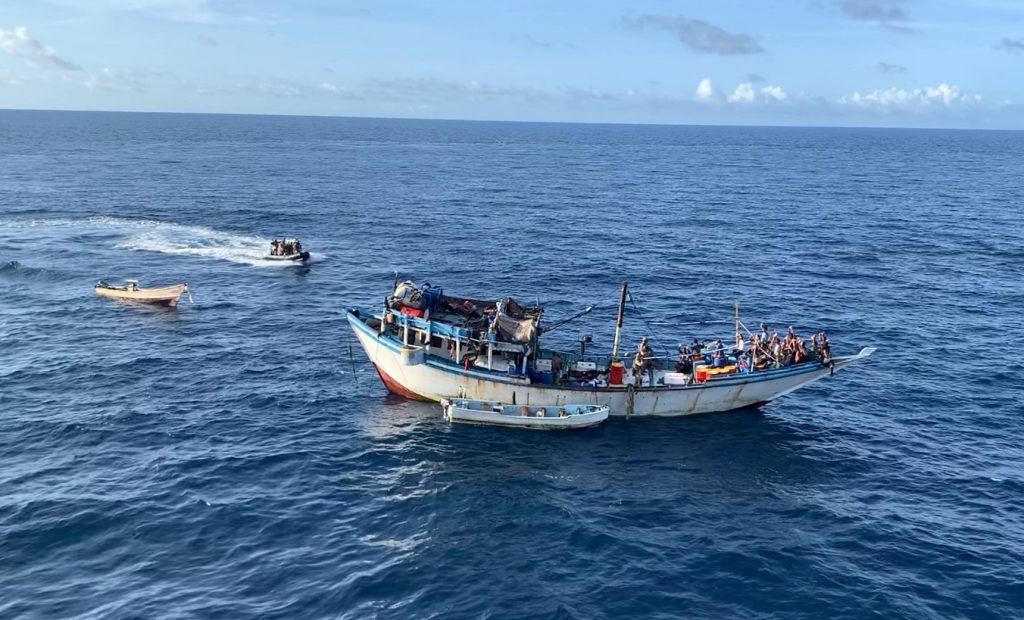
File image of an approach on a dhow

By Samuel Baya

The possible withdrawal of the European Union Naval Force from the Indian Ocean waters has raised the need for other plans to ensure piracy does not rise again in the region, a new maritime report says.

A report by the Intergovernmental Standing Committee on Shipping (ISCOS) says that though piracy has been on the decline, the possibility of a withdrawal of the EU naval force that has been stationed in the Indian Ocean waters for years heralds uncertainty.

To continue reading, please click here.

Source: businessdailyafrica.com

Trump Questions Need to Protect Persian Gulf Shipping

Questioning the longstanding American policy of defending maritime security in the Persian Gulf, President Donald Trump said Tuesday that the United States does not “need to be there” for merchant shipping in the region. 

“China gets 91% of its Oil from the [Strait of Hormuz], Japan 62%, & many other countries likewise. So why are we protecting the shipping lanes for other countries (many years) for zero compensation. All of these countries should be protecting their own ships on what has always been a dangerous journey,” he wrote in a Twitter post on Tuesday morning. “We don’t even need to be there in that the U.S. has just become (by far) the largest producer of Energy anywhere in the world!” 

To continue reading, please click here.

Source: maritime-executive.com

Kenya, Somalia sea row threatens war on piracy

By AGGREY MUTAMBO


Somalia has launched a diplomatic offensive against Kenya in their dispute over the Indian Ocean waters prompting the Arab League to condemn Nairobi for annexing Mogadishu’s territory.

The Arab Parliament in which Somali has members claimed Kenya was drawing up an illegal map that includes taking away Somali territory. The taking sides in the disputes could now complicate the war on piracy in which more than 30 Indian Ocean rim countries have cooperated to decimate attacks and their success.

To continue reading, please click here.

Source: businessdailyafrica.com

India launches Operation Sankalp to reassure Indian vessels

The development has come in the wake of the attack on oil tankers raising tensions between US and Iran

WRITTEN BY Sidhant Sibal

In a major development the Indian Navy has launched Operation Sankalp in the Persian Gulf/Gulf of Oman as a measure to re-assure Indian flagged vessels transiting through the region. The development has come in the wake of the attack on oil tankers raising tensions between US and Iran.

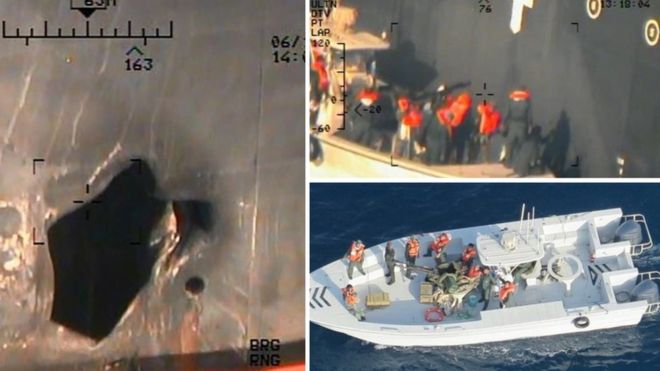
While Tehran denies involvement, Washington says that the West Asian country was behind it. Pentagon has released footage of Iran’s special forces removing unexploded mine.

To continue reading, please click here.

Source: dnaindia.com

Navy playing Op Copper cards close to the chest – military observers not impressed

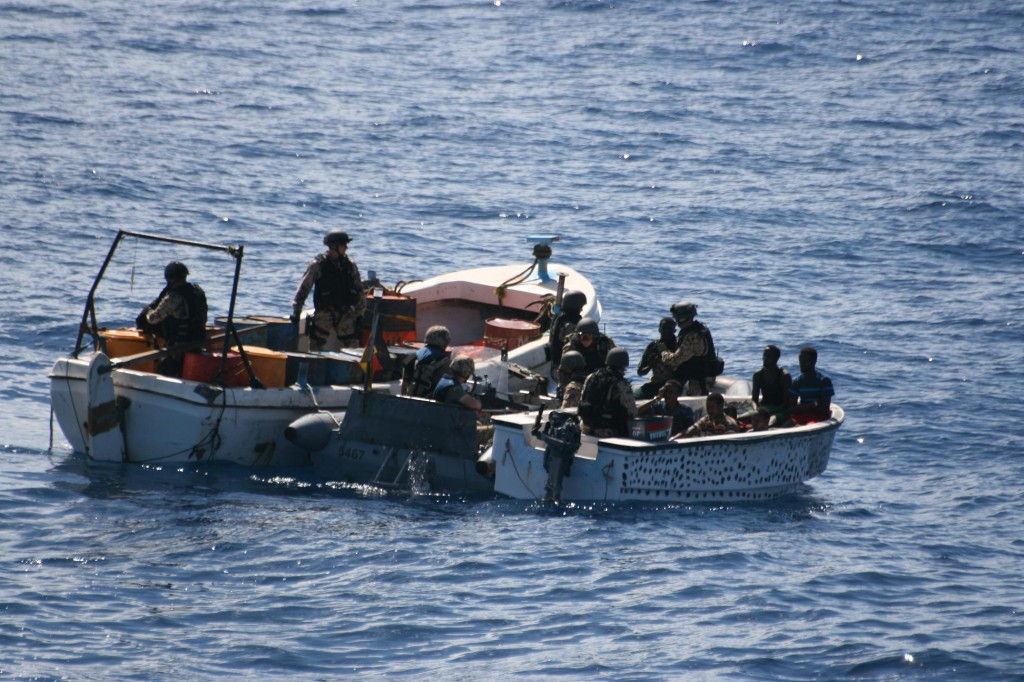
File image of an approach on a dhow

An SA Navy decision not to comment on an Operation Copper anti-piracy deployment has not improved the public image or perception of the maritime service of the national defence force, with experts cautioning this is a step backwards in terms of transparency.

When defenceWeb earlier this month requested some detail on an apparent upcoming deployment to the Mozambique Channel the official SA Navy response was: “This is an operational matter and we cannot comment on it”.

To continue reading, please click here.

Source: defenceweb.co.za

Gulf of Oman attacks prompt rise in armed guard requests

The Financial Times reports that the recent incidents in the Gulf of Oman have seen a rise in calls to maritime security companies by concerned shipping firms.

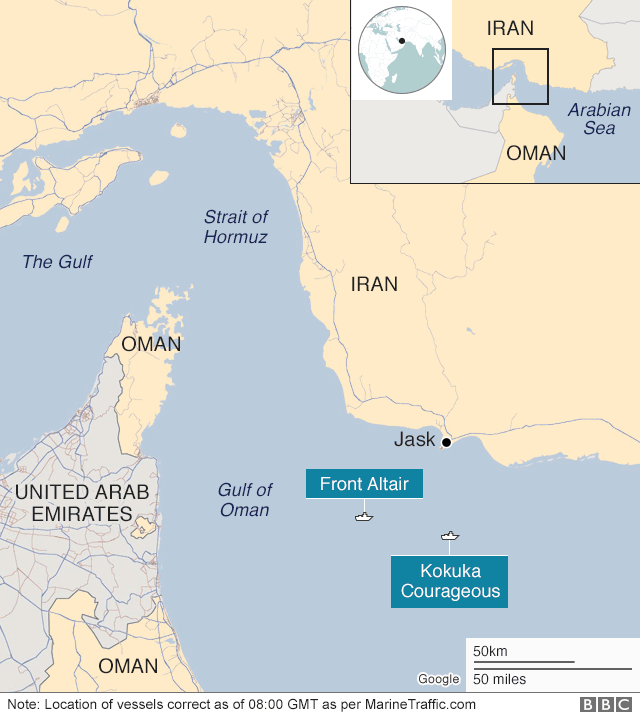
Since the attacks on the Front Altair and Kokuka Courageous, shipping companies who transit the region on a regular basis have been looking into additional protection for their vessels. During the height of Somali piracy in the region, it was the norm for the merchant marine to employ teams of armed guards in order to deter any potential attack, and it worked. No merchant vessel with armed guards has ever been hijacked in the Indian Ocean. That, combined with more aggressive and visible patrolling by the international naval forces present in the region, has seen the issue of piracy off Somalia reduce considerably since 2012.

The current threat, believed to be from Iran’s IRGC – an accusation denied by Iran – is leading to an increase in demand for armed protection services, a sector which has suffered considerably from rate cuts and an influx of cheaper personnel in recent years.

The main UK Private Maritime Security Companies (PMSC), such as Ambrey Risk and MAST report an increase in demand from previous and prospective clients keen to ensure the safety of their ships in the region.

While a team of armed guards is no match for the IRGC, even an unarmed security detail can offer additional security. Well trained guards on Watch duties can spot threats that crew might miss or dismiss as the local pattern of life and, while engaging hostile state actors is unlikely, they can offer the Master an early warning system that he may lack.

With the situation in the region fluid, it’s possible that a convoy escort programme, similar to that used in the Internationally Recognised Transit Corridor (IRTC) in the Gulf of Aden may be adopted, with support from the US Navy. Russia, China, South Korea and Japan’s MSDF have all run escorts through the Gulf of Aden, and a multi-national force may be more palatable to states bordering Iran.

However, nothing has been officially announced, leaving the shipping industry scrambling to come up with its own solutions, as is so often the case. The threat posed to vessels in the region continues to be real and the situation dangerous for crews.

Need for greater maritime collaboration in the Indian Ocean Region: Indian Navy Deputy Chief

Issues related to human and drug trafficking, maritime piracy and the legal aspects of combating these challenges are being discussed by experts at the Maritime Information Sharing Workshop, (MISW).

Stressing on the need for greater maritime collaboration, Deputy Chief of the Naval Staff Vice Admiral MS Pawar said there is a need to forge bonds based on trust, between partner countries in the region.

To continue reading, please click here.

Source: financialexpress.com

Kenya wins accolades from France for establishing Coast Guard

Philip Mwakio

The French Government has commended Kenya for establishing a Coast Guard Unit to police its vast Coastal maritime waters.

President Uhuru Kenyatta late last year unveiled the Kenya Coast Guard Service (KCGS) and launched into service its first offshore patrol boat christened Doria in Mombasa.

To continue reading, please click here.

Source: standardmedia.co.ke