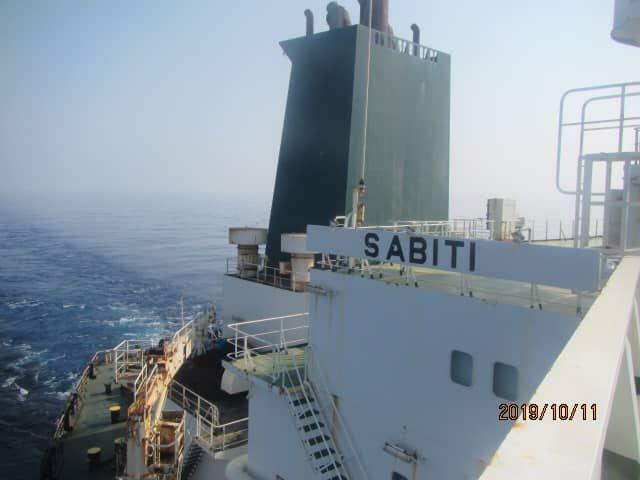
EHRAN – Iranian Foreign Minister Mohammad Javad Zarif announced on Tuesday that “one or more countries” had directed or facilitated the Friday morning attack on the Iranian SABITI oil tanker off the Saudi coast in the Red Sea.
Zarif also said the raid on SABITI was a “state-sponsored act”. He added, “According to received intelligence the Friday assault on the Iranian oil tanker was a complicated move done by one or more states.”
This paper evaluates the possibility of an increase in maritime terrorist violence in Asia, based on a recounting and analysis of some of the most recent past incidents in these waters. It argues that the vulnerability of high seas shipping to criminal acts of violence and the weak and inconsistent nature of maritime governance raises the possibility of a terrorist strike in the Asian littorals. In assessing the odds of a major terrorist attack in coastal regions, the paper also explores the terrorism-piracy nexus and the state of port security in key continental spaces, highlighting measures to improve maritime readiness against acts of terror.
Introduction
In recent years, sea-borne terrorism has emerged as a major security threat in littoral-Asia. Since the November 2008 attacks in Mumbai—when ten Pakistani terrorists infiltrated the city from the sea, killing 166 people and injuring over 300—regional watchers have been wary of the possibility of another attack from the seas. Within India’s security establishment, the anxiety has been palpable. In November 2018, a few weeks shy of the tenth anniversary of the Mumbai attacks, intelligence emerged that Pakistan-based militant outfits Lashkar-e-Taiba and Jaish-e-Mohammed had been training their cadres to execute another strike on Indian ports, cargo ships and oil tankers.[1]Reportedly, Pakistani militant commanders had been training volunteers at modified training sites and canals in Lahore and Faisalabad for “samundari jihad” (seaborne jihad). Unlike 26/11, when terrorists had used the sea route to enter Mumbai and stage attacks on land targets, the plan this time around was to deploy trained jihadi divers to target an Indian or coastal facility.[2]
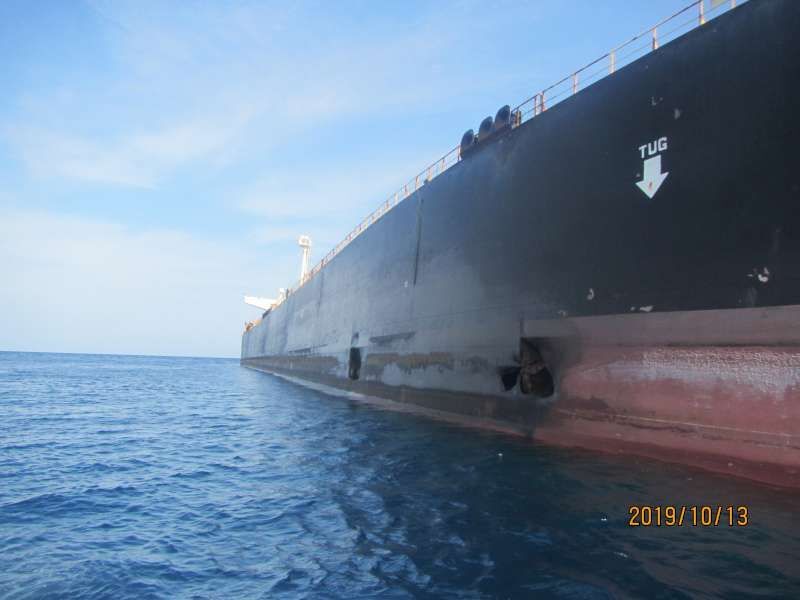
Following Friday’s (12th) reported attack on the Iranian oil tanker, MT Sabiti, the Iranian Oil Ministry has finally released images showing the damage to the vessel. The incident on Friday reportedly took place around 60 miles off Jeddah, Saudi Arabia, in the Red Sea as the ship reportedly transited towards Suez. The Iranian National Oil Company (NOIC) initially suggested that the ship had been struck by two missiles.
Iran accused Saudi Arabia of attacking the vessel, something which Saudi Arabia naturally denied.
The images released appear to show three holes above the water line. The impact caused a small oil spill which has now been sealed, according to Iranian sources. The US Navy stated on Friday that it was aware of the reports but had nothing further to add.
The incident remains extremely curious. Reports have also suggested that the Iranian ‘spy ship’ MV Saviz was seen close by the Sabiti following the incident. The vessel’s AIS appears to have been disabled shortly afterwards. According to Maritime Bulletin:
SAVIZ as of now, is full of arms and military equipment, plus her own 4 50-mm guns, surveillance equipment, special forces team and 3 RHIBs.
While it’s very easy to speculate as to who could have perpetrated such an attack and the motivation behind it, logic dictates that we await further information. Iran has announced an investigation into the incident, which may take some time to complete and is unlikely to involve independent inspectors.
Damage seen on MT Sabiti, images via Iranian Oil Ministry
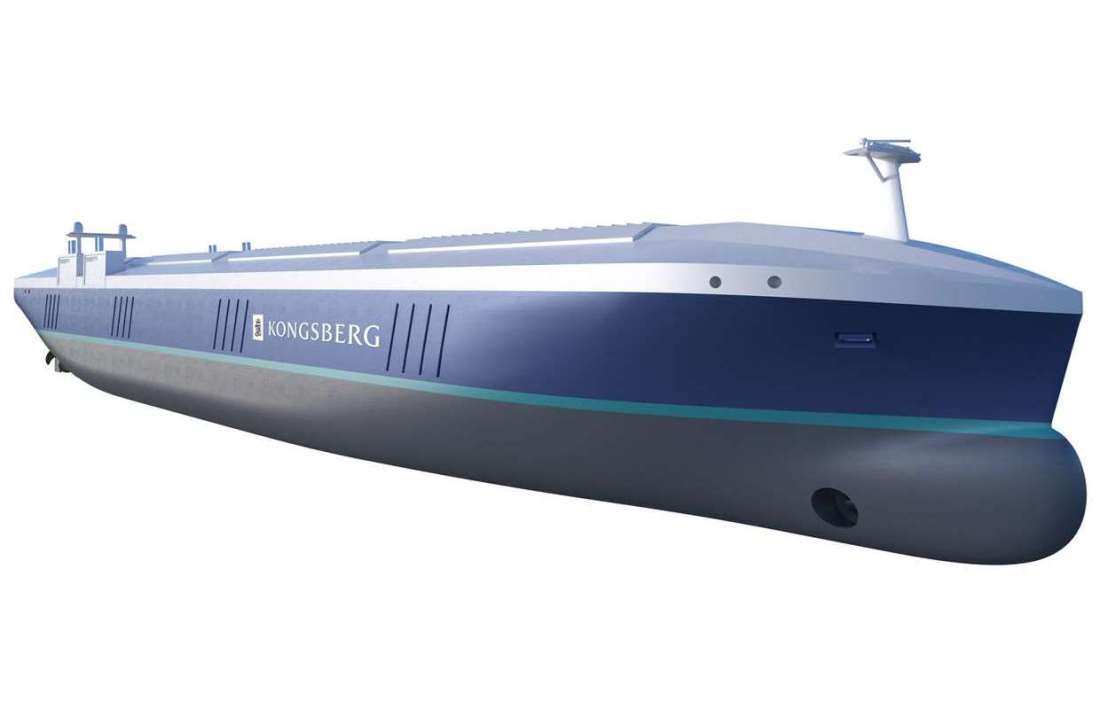
If autonomous vessels are the future of maritime shipping, then cyber threats may be its Achilles heel.
Congested shipping, restricted visibility, limited maneuverability, and intensive docking activities all contribute to port hazards – 42 percent of EU reported marine accidents (injury/death/damage to ships) took place in port areas and 44 percent of workboat fatalities occurred on Tugs. Autonomous shipping should provide numerous benefits including increased safety by relieving crewmembers of unsafe and repetitious tasks. Yet, with cyberattacks threatening every industry, this nascent technology is a large target. If autonomous vessels are the future of maritime shipping, then cyber threats may be its Achilles heel.
An explosion has caused a fire on an Iranian tanker near the coast of Saudi Arabia, Iranian media say.
The
vessel, from Iran’s national oil company (NOIC), was 60 miles (97km)
from the Saudi port city of Jeddah when the incident took place, reports
said.
The ship’s two main storage tanks were said to be damaged, causing an oil spill into the Red Sea, but no-one was injured.
NOIC claimed the vessel was hit by missiles, but did not provide evidence.
Iran’s national tanker company (NITC) said the fire had been put out and the oil spillage reduced to a minimum, according to the news site Iran Front Page.
Iranian state TV identified the ship as the oil tanker
Sinopa. The maritime vessel tracking firm Tanker Trackers said the
tanker was regularly used to ferry oil to the Syrian government, despite
international sanctions.
The incident came amid heightened tension between Iran and Saudi Arabia.
Last
month, 18 drones and seven cruise missiles hit a major oil field and
processing facility in Saudi Arabia, which blamed Iran for the attack.
And
US officials said Iran was responsible for attacks on two oil tankers
in the Gulf in June and July, as well as attacks on another four tankers
in May.
MANILA, Philippines — With still no contact or proof of life, authorities believe that a British businessman and his wife who were snatched in a coastal village in Tukuran, Zamboanga del Sur and their captors are constantly on the move.
Lt. Gen. Cirilito Sobejana, Western Mindanao Command (Westmincom) chief, said the kidnappers are on the run with their victims to evade government forces.
KOTA KINABALU (Oct 8): The curfew in the waters off seven districts
in the Eastern Sabah Security Zone (ESSZone), which ends today, has been
extended to Oct 23, said Sabah Police Commissioner Datuk Omar Mammah.
The curfew from 6pm to 6am covers the waters off Tawau, Semporna, Kunak, Lahad Datu, Kinabatangan, Sandakan and Beluran, he said in a statement on Monday (Oct 7).
KOTA KINABALU: Security forces in Sabah’s east coast remain on high
alert a week into intelligence information saying that Abu Sayyaf-linked
gunmen were on their way to Sabah to kidnap high-value targets.
Eastern Sabah Security Command (Esscom) Datuk Hazani Ghazali said they had mobilised their assets to high-risk areas and the alleged target area of Mataking and Pom-Pom island in Semporna, famed among tourists, following the information on Sept 30.
Information Fusion Centre — Indian Ocean Region (IFC-IOR) was set up last year
The Information Fusion Centre – Indian Ocean Region (IFC-IOR) set up
last year has started functioning as an information sharing hub of
maritime data and “cuing incident responses” to maritime security
situations through a collaborative approach, Navy sources said.
At the just concluded Goa Maritime Conclave (GMC), National Security Adviser Ajit Doval had offered countries in the IOR use of the facility to track movement of vessels on the high seas.
The
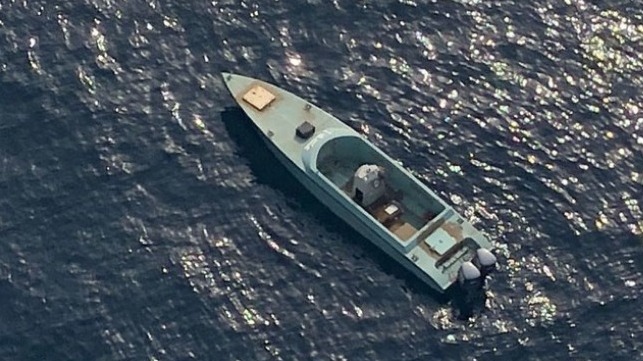
Saudi-led coalition said it intercepted and destroyed an unmanned
explosives-laden boat launched from Yemen by the Iran-aligned Houthi
group on September 19, 2019, an incident that could further increase
regional tensions after the attack on Saudi oil installations. Since
2017, in fact, there have been several reports of attacks or discovery
of these unmanned explosive vessels in the country.
“The coalition’s naval forces detected an attempt by the terrorist Houthi militia backed by Iran to carry out an imminent act of aggression and terrorism south of the Red Sea using an unmanned, rigged boat … launched from Hodeidah province,” coalition spokesman Colonel Turki al-Malki said in a statement. Malki said that the foiled attack represented a threat to regional and international security and the safety of maritime routes and international trade. He did not specify the intended target.[1]