Yemen war: Houthis withdraw from key ports, says UN

The UN says Houthi rebels have pulled out of three key Red Sea ports in Yemen, in partial implementation of a ceasefire deal agreed six months ago.

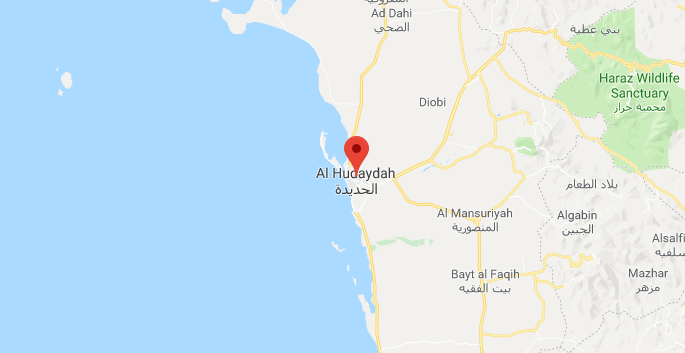
Hudaydah, Salif and Ras Issa were handed over to the coast guard.

The UN said work was still needed to remove trenches, barriers and mines – and to implement the rest of the deal.

The Houthis and pro-government forces, which are backed by a Saudi-led coalition, agreed to leave the ports to allow in vital humanitarian aid.

However, the BBC’s Lyse Doucet says some Yemenis are sceptical about the latest pull-out and accuse the Houthis of leaving fighters in the ports disguised as coast guard personnel.

Yemen’s government has previously warned that the withdrawal would be a rebel “ploy”.

The UN says at least 7,070 civilians have been killed and 11,205 injured in the fighting, with 65% of the deaths attributed to Saudi-led coalition air strikes.

Thousands more civilians have died from preventable causes, including malnutrition, disease and poor health.

About 80% of the population – 24 million people – need humanitarian assistance and protection, and almost 10 million who the UN says are just a step away from famine. Almost 240,000 of those people are facing “catastrophic levels of hunger”.

What does the UN say?

Lt Gen Michael Lollesgaard, head of the UN’s Redeployment Co-ordination Committee (RCC) in Hudaydah, welcomed the Houthi withdrawal from the ports in western Yemen.

He said that since Saturday there had been “very good co-operation” with Houthi commanders and that the UN had been given access to all areas of the ports.

“Today we have together seen the redeployment and we have also agreed that there are a few outstanding issues,” he said.

“There are two minefields in Ras Issa and Salif and trenches in this port [Hudaydah] that need to be removed.”

He urged all sides to help implement the next stages of the peace deal.

Why is Hudaydah important?

Hudaydah port is the main lifeline for two-thirds of Yemen’s population and its closure has had a devastating impact.

Under the local ceasefire deal brokered by the UN in Stockholm last December, the warring parties agreed to redeploy their forces from Hudaydah city and the ports of Hudaydah, Salif and Ras Issa.

The Houthi withdrawal marked the first major step in bringing that ceasefire agreement into being.

Pro-government forces have twice tried to seize the port, and accuse the Houthis of using it to smuggle in weapons from Iran. The rebels and Tehran both deny these accusations.

Source: https://www.bbc.co.uk
Navy arrests Ghanaian, eight Beninoise for oil theft

by Tajudeen Adebanjo and Yewande Fasan

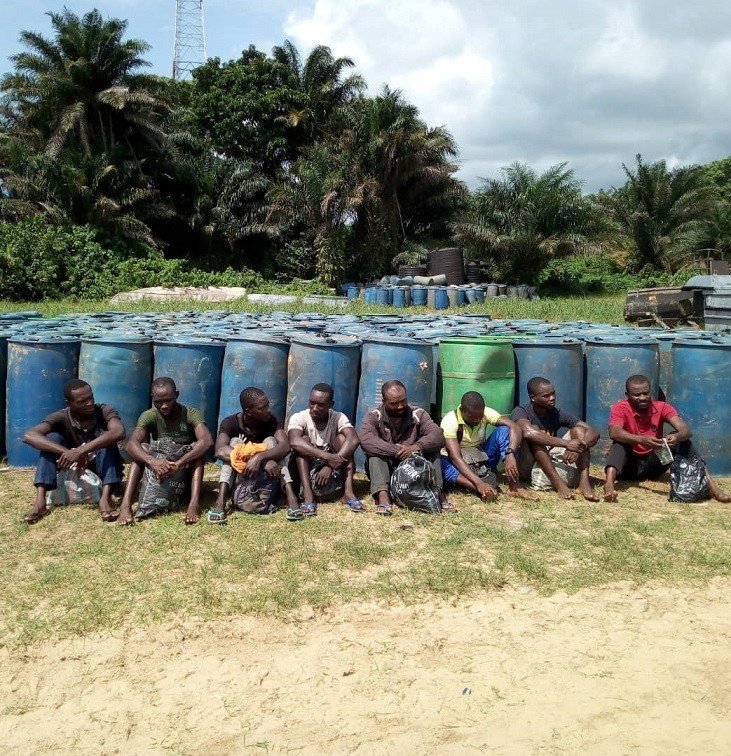
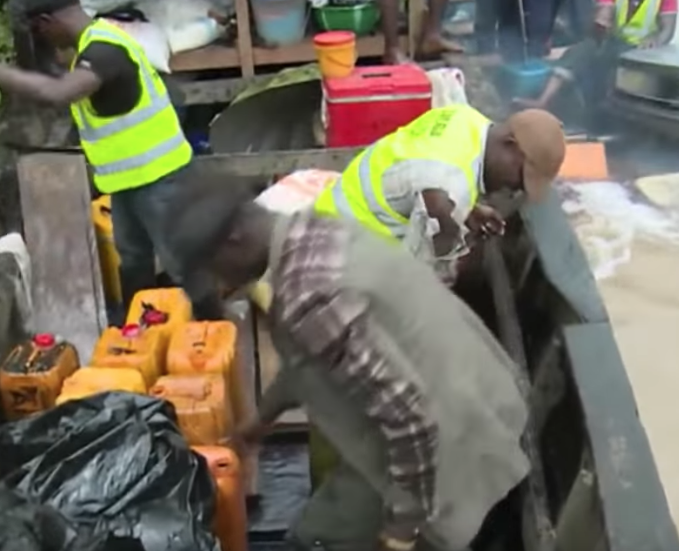
The Nigerian Navy has said it arrested nine foreign nationals alongside two boats and seven trucks over alleged stolen Petrol Motor Spirit (PMS) around the Atlas Cove area of Lagos.

The Commander, Nigerian Navy Ship (NNS) BEECROFT, Commodore Ibrahim Shettima said this while briefing reporters at the command in Apapa, Lagos.

To continue reading, please click here.

Source: thenationonlineng.net

IOCs, others raise alarm as vandalism, oil theft rise in Niger Delta

BY UROWAYINO WARAMI

There are indications that Nigeria has lost significant oil as a result of increasing pipeline vandalism and oil theft in the Nigeria Delta.

Investigation by Vanguard over the weekend showed that many oil companies, including the International Oil Companies, IOCs and indigenous producers have been affected.

To continue reading, please click here.

Source: vanguardngr.com

UK War Risks Club says investigating Fujairah ship sabotage incident

The UK War Risks Club, which provides specialist insurance for ships, is investigating the incidents of sabotage of vessels in Fujairah port over the weekend and has not decided on additional premiums for the region, a company executive said Monday.

The club, managed by insurance provider Thomas Miller, is one of the providers of marine Protection and Indemnity or P&I insurance, including additional war risks insurance for incidents like civil war, piracy or other disturbances.

To continue reading, please click here.

Source: hellenicshippingnews.com

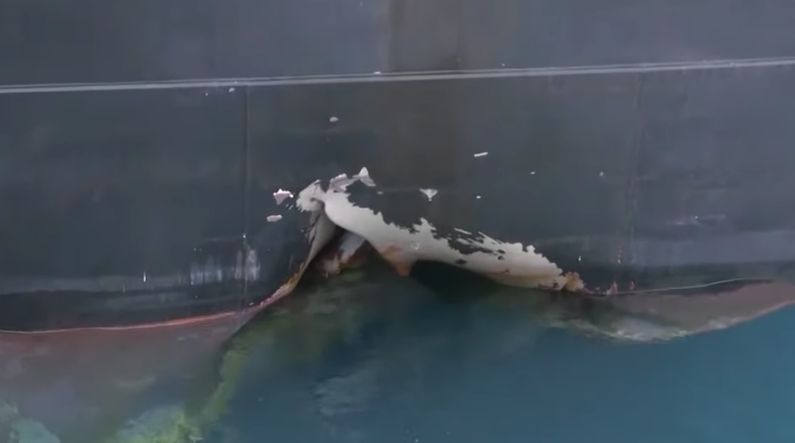
Image shows damage done to Andrea Victory.

Saudi Arabia says its oil tankers among those hit off UAE coast

Persian Gulf/SoH

Rania El GamalBozorgmehr Sharafedin

DUBAI/LONDON (Reuters) – Saudi Arabia said on Monday that two of its oil tankers were among those attacked off the coast of the United Arab Emirates and said it was an attempt to undermine the security of crude supplies amid tensions between the United States and Iran.

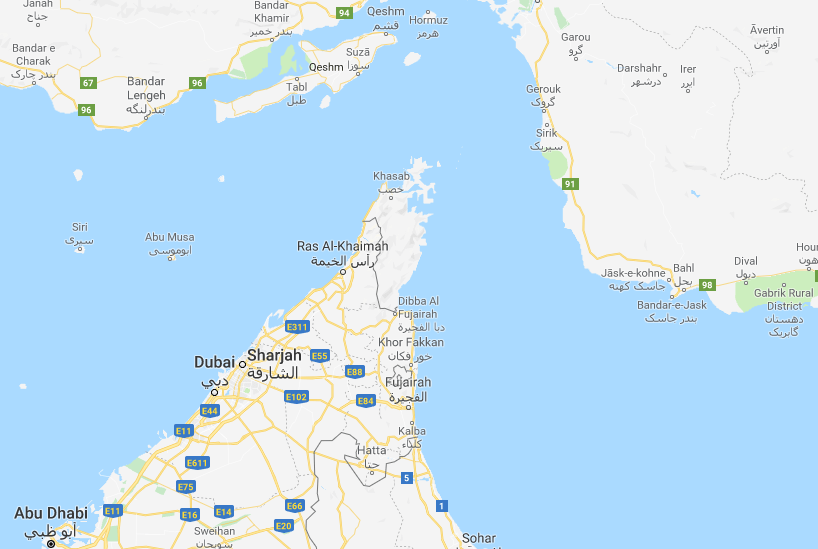
The UAE said on Sunday that four commercial vessels were sabotaged near Fujairah emirate, one of the world’s largest bunkering hubs lying just outside the Strait of Hormuz, but did not describe the nature of the attack or say who was behind it.

To continue reading, please click here.

Source: reuters.com

PHL, Indonesian navies wrap up coordinated border patrol activities

The first leg of the Border Coordinated Patrol of the Philippine and Indonesian navies has ended, with the aim of securing the common border between the two countries and stop maritime and sea crimes including smuggling and piracy.

The patrol ships of both countries were expected to have reached their final point in the territorial waters of Indonesia along the Celebes Sea on Saturday.

To continue reading, please click here.

Source: gmanetwork.com

Yemen warring parties hold fresh talks as Houthis withdraw from Hodeidah

ADEN (Reuters) – Yemen’s warring parties started fresh U.N.-sponsored talks in Jordan on Monday, Yemeni officials said, two days after Houthi forces began withdrawing from the ports of Hodeidah, breaking a six month stalemate.

The talks will focus on sharing out revenues from Hodeidah’s three Red Sea ports to help relieve an urgent humanitarian crisis, they said.

To continue reading, please click here.

Source: reuters.com

Togo: pirate attack thwarted

Media in Togo report that a group of eight pirates attacked a ship off the country on the night of Saturday 11th.

The Togolese minister of Security and Civil Protection, Yark Damehame, named the ship involved in as the G-DONA 1, a Togolese vessel with a crew of seven. The report states that eight armed pirates in a ‘canoe’ approached and boarded the vessel. When the Navy operations room observed the vessel’s erratic movements and were unable to contact her, they deployed a naval team to investigate.

They boarded the vessel and arrested eight suspected pirates (six Nigerian and two Togolese citizens), who they handed over to the Maritime Gendarmerie for further investigation. The G-DONA 1 was escorted to Lomé.

Better prepared for maritime security incidents

Suriname is the latest country to benefit from IMO maritime security training. Participants at a workshop in Paramaribo, Suriname (7-8 May) took part in table-top contingency planning exercises involving a variety of maritime security issues. These included threats to cruise ships, border security issues involving ports, airports and land border crossing, as well as potential incidents involving proliferation of weapons of mass destruction, and arms and drugs consignments.

The main objective of the exercise was to encourage a multi-agency, whole of government approach to maritime and port facility security and related maritime law enforcement issues – with participants working to identify gaps in national procedures or legislation, opportunities for improvement, and further needs for training or technical assistance.

The exercise took place following a request by Suriname to assist the country in strengthening its implementation of UN Security Council Resolution 1540 (2004) – specifically those that fall within the scope of IMO’s SOLAS chapter XI-2 and the ISPS Code and/or the 1988 and 2005 SUA treaties (click for details of these treaties).

The workshop was organised in collaboration with the United Nations Regional Centre for Peace, Disarmament and Development in Latin America and the Caribbean (UNLIREC).

Source: imo.org

Exclusive: U.S. commander says he could send carrier into Strait of Hormuz despite Iran tensions

Phil Stewart

WASHINGTON (Reuters) – The commander overseeing U.S. naval forces in the Middle East told Reuters on Thursday that American intelligence showing a threat from Iran will not prevent him from sending an aircraft carrier through the vital Strait of Hormuz, if needed.

Vice Admiral Jim Malloy, commander of the U.S. Navy’s Bahrain-based Fifth Fleet, did not say whether he would send the USS Abraham Lincoln carrier strike group into the strategic waterway off Iran, through which passes a fifth of oil consumed globally.

To continue reading, please click here.

Source: reuters.com