Nigeria’s Buhari Signs Bill to Fight Piracy and Boost Security

By Tope Alake

President Muhammadu Buhari has signed into law an anti-piracy bill to improve security on Nigeria waterways and exclusive economic zone, the Nigerian Maritime Administration and Safety Agency said.

The so-called Suppression of Piracy and other Maritime Offences Bill will “ensure safe and secure shipping on Nigerian waters, prosecute infractions, and criminalize piracy,” the agency known as NIMASA said in emailed statement Wednesday.

To continue reading, please click here.

Source: bloomberg.com

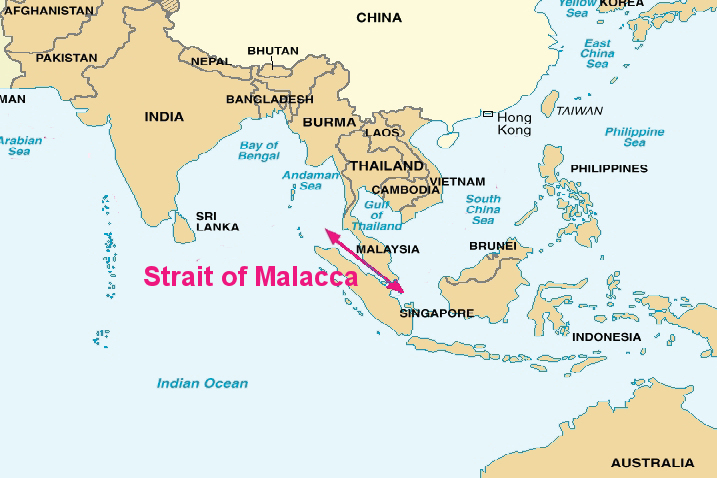
China raises attack alert in Malacca Strait to highest level

Shipping companies are asked by authorities in Beijing to increase the security level on ships transiting the Strait of Malacca, one of the world’s busiest waterways. Cosco Shipping’s tanker unit has warned its staff about possible attacks from some Indonesian gangs

Cichen Shen

The raising of the threat level for Chinese-flagged vessels has been unexpected, particularly as the regional dynamics within and surrounding the Malacca Strait are stable’ — maritime security intelligence company Dryad Global

BEIJING has raised the security level on Chinese-flagged vessels transiting the Straits of Malacca, according to documents seen by Lloyd’s List.

Shipping companies have been advised to implement Security Level 3 — the highest state of alertness under the International Ship and Port Facility Security Code — effective from 2200hrs local time July 2, the Ministry of Transport said in a notification.

To continue reading, please click here.

Source: lloydslist.maritimeintelligence.informa.com

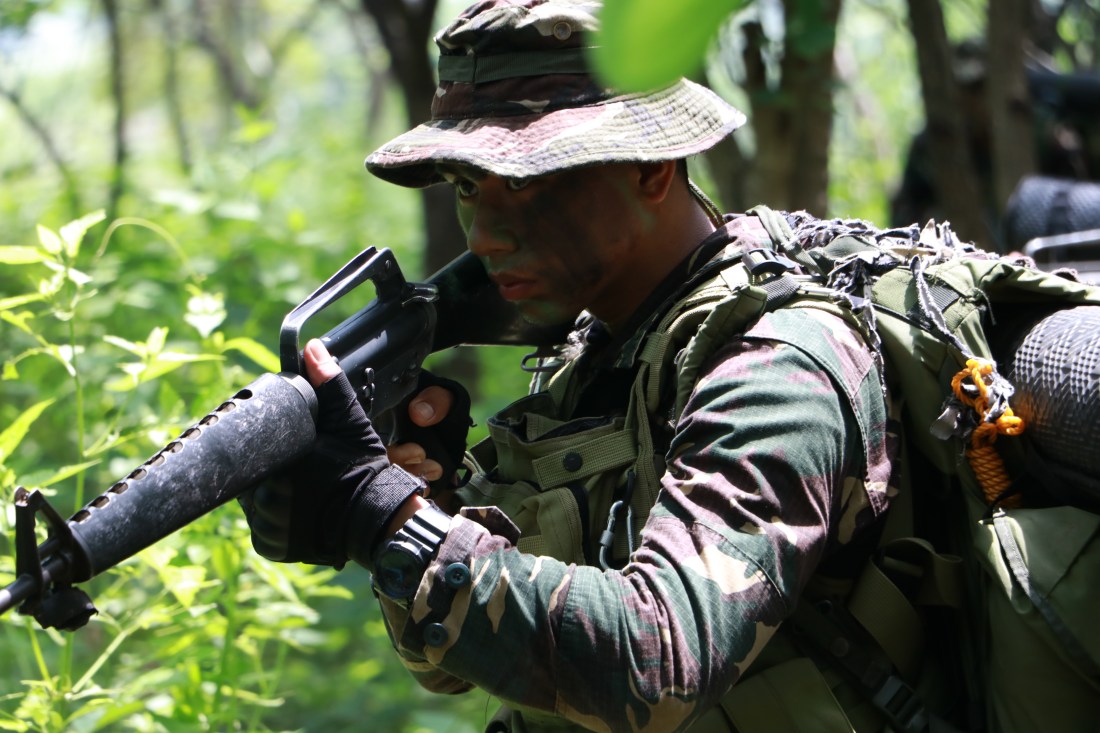
Westmincom to focus on Abu Sayyaf in Sulu

Roel Pareño

ZAMBOANGA CITY, Philippines — The new leadership of the military’s Western Mindanao Command will rest the weight of its campaign in Sulu, considered among the remaining problem areas in Mindanao, its outgoing commander Lt. Gen. Arnel dela Vega said.

Dela Vega, who opted for early retirement from the service, will be replaced by Maj. Gen. Cirilito Sobejana in a change of command ceremony on Friday.

To continue reading, please click here.

Source: philstar.com

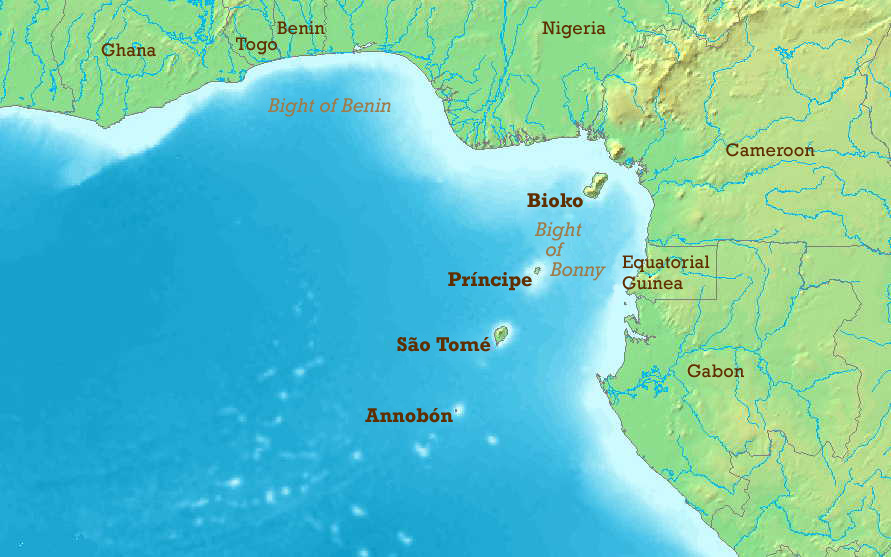
Kidnapping risk in Gulf of Guinea persists with 21 crew members kidnapped in Q1 2019

American, African & Chinese Navies Gathering at The International Maritime Defence Exhibition and Conference in Ghana This July 

– International Maritime Bureau: 22 Piracy Attacks in Q1, 2019 

Admiral James G. Foggo, III: A safe, stable, and secure Africa is in the interest of the global community, our shared goals of a secure, stable, and prosperous Africa benefits not only our African partners and the U.S., but also the international community 

 Rear Admiral Koi Alexis Maomou: IMDEC is a great opportunity to give, receive and discover new technological and scientific inventions in the field of defence and maritime safety 

20 captains, commodores, rear admirals, vice admirals, & admirals discussing illegal oil-bunkering, piracy, unregulated and unreported fishing, smuggling, human and drug trafficking, illegal bunkering and crude oil theft on the 24th & 25th of July in Accra 

Dubai and Accra, 27 June 2019 

In the first quarter of 2019, IMB reported 38 incidents of piracy and armed robbery at sea, representing 28 fewer incidents than the first quarter of 2018 (66). IMB’s Piracy Reporting Centre detailed that 27 vessels were boarded; seven vessels were fired upon and four attempted attacks occurred in the first quarter of 2019. No vessels were reported as hijacked for the first time since the first quarter of 1994. 

The Gulf of Guinea represented a high number of piracy and armed robbery attacks at sea, with 22 incidents reported in the first quarter of 2019. The region also accounted for all of the worldwide crew kidnappings as 21 crew members were kidnapped across five separate incidents. Incidents were reported in the coastal countries, of Benin, Cameroon, Ghana, Ivory Coast, Liberia, Nigeria and Togo in the first quarter of 2019. 

To continue reading, please click here.

Source: businessghana.com

Five Indian sailors abducted in Nigeria rescued: Shipping Ministry

The High Commission of India in Abuja, Nigeria sought help from the Nigerian Navy to track the whereabouts of the missing Indian sailors, which in turn roped in the Nigerian Maritime Administration and Safety Agency (NIMASA) to lead the rescue efforts.

Five Indian seafarers who had been kidnapped about two-and-a-half months earlier in Nigeria were rescued on Thursday, according to a statement issued by the Shipping Ministry.

“I am happy to share that due to sustained efforts of various stakeholders, including the Ministry of Shipping, the Directorate General of Shipping and the High Commission of India in Abuja, Nigeria, the kidnapped Indian seafarers were successfully released and reached the safe custody of Indian authorities on June 27,” Union Minister of State for Shipping, Mansukh L Mandaviya said.

To continue reading, please click here.

Source: hindustantimes.com

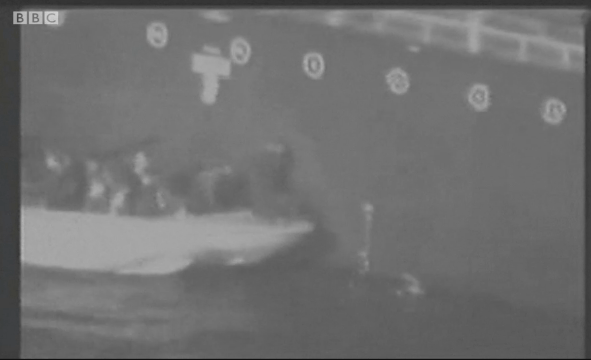
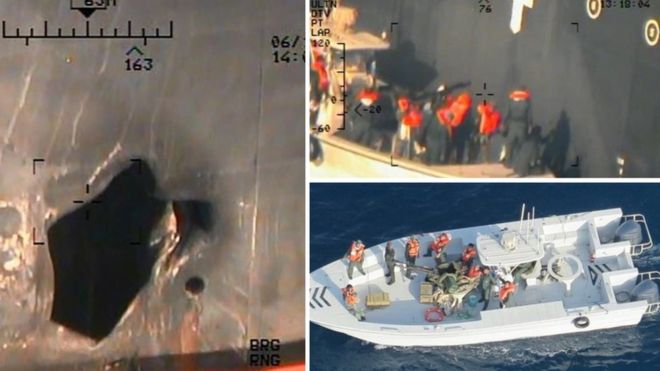
UAE: Not enough evidence to blame Gulf tanker attacks on Iran

‘If other countries have clear information, I am sure the international community will easily listen to them,’ says Emirati foreign minister on Wednesday

The United Arab Emirates Foreign Minister Abdullah bin Zayed Al-Nahyan said on Wednesday that no country could be held responsible for the latest attacks on oil tankers in the Gulf.

Speaking during a press conference with his Russian counterpart Sergey Lavrov in Moscow, Al-Nahyan said his country needs “clear and convincing evidence” regarding the recent attacks that targeted four vessels off the UAE coast last month, including two Saudi oil tankers.

To continue reading, please click here.

Source: middleeasteye.net

Pompeo’s Hollow Plan to Beef Up Security in the Gulf

BY LARA SELIGMAN

Experts are skeptical that U.S. allies will get on board.

In the wake of alleged aggression from Iran in the Persian Gulf, U.S. Secretary of State Mike Pompeo rolled out a new plan this week, dubbed “Sentinel,” to recruit U.S. partners to help enhance security for ships traversing the Strait of Hormuz and other choke points.

But experts are skeptical that the United States can get allies in the Gulf, Europe, or Asia to shore up the resources needed to make a significant difference to the commercial vessels facing threats from Tehran in the world’s busiest shipping lanes.

To continue reading, please click here.

Source: foreignpolicy.com

Supporting Kenya’s coast guard

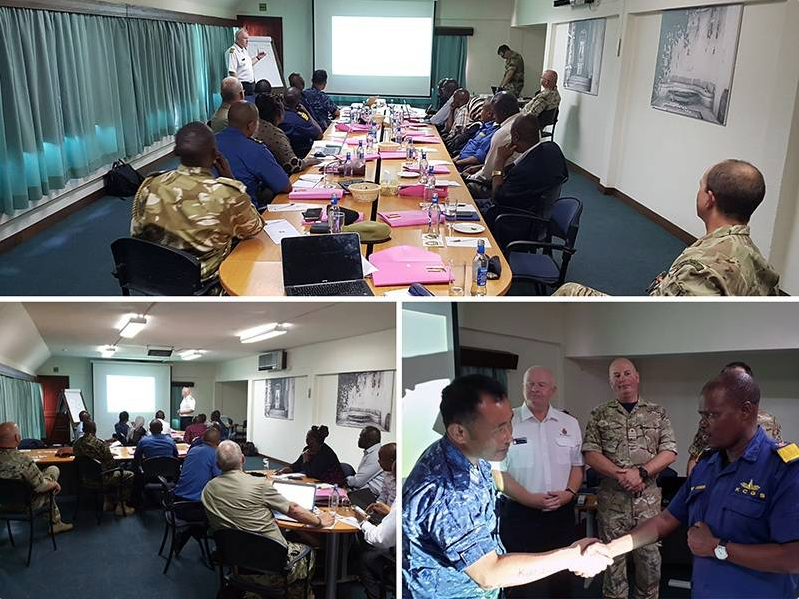
Senior officials from the newly established Kenya Coast Guard Services are undergoing training on coast guard functions at a national workshop in Mombasa, Kenya (24-28 June).

Fifteen participants are taking part in the training, which is using scenario development methodology and plenary discussions to highlight issues, identify insights and develop deeper understanding of effective ways to meet coastguard functions – with a view to enhancing maritime security in Kenya.

The training is organised by the United Kingdom and IMO, under the auspices of the Jeddah Amendment to the Djibouti Code of Conduct. It is supported by a joint team from the UK Maritime Coastguard Agency (MCA), Royal Navy International Defence Training (RNIDT), and facilitated by the British Peace Support Team Africa (BPST(A)) and IMO. Other international partners supporting the implementation of the Djibouti code of Conduct (Japan, Denmark and the International Committee of the Red Cross) are also in attendance and contributing to the discussions.

Source: imo.org

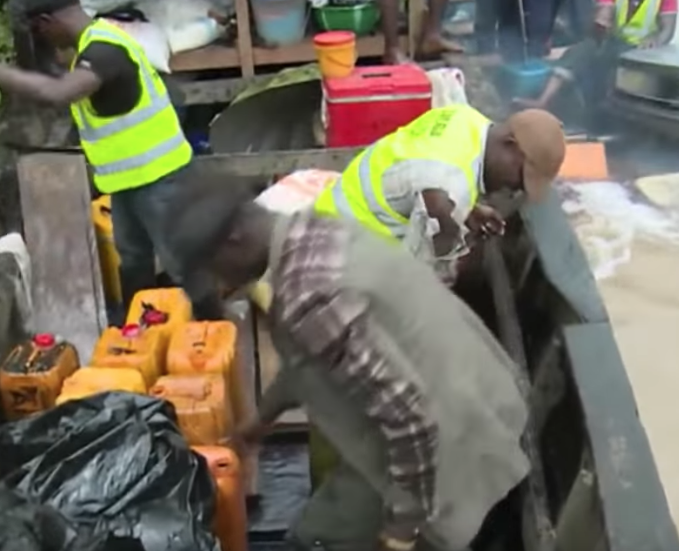
Alleged Illegal Oil Bunkering: Navy Hands Over Five Suspects to EFCC

By Olawale Oyegbade

The Nigerian Navy, through the Nigerian Navy today handed over five suspects arrested for illegal oil bunkering to the Economic and Financial Crimes Commission.

The spokesperson of the commission, Tony Orilade confirmed to The Nigerian Voice that the suspects were handed over to EFCC, Port Harcourt’s Zonal Office for further investigation and prosecution.

To continue reading, please click here.

Source: thenigerianvoice.com

Piracy is back to infest West African waters, but what’s driving it?

ABHISHEK MISHRA

What makes the waters of the Gulf of Guinea vulnerable to piracy?

When it comes to discussing the concept of maritime security, the concept can be discussed in a variety of contexts. Broadly defined, maritime security concerns the protection of states’ land and maritime territories, and is affected by a broad range of illegal activities, including arms, drugs, and human trafficking, illegal, unreported, and unregulated (IUU) fishing, and pollution at sea. But, such acts only tends to get media coverage when pirates are involved.

African maritime security is particularly severely affected by maritime piracy and armed robbery at sea. Maritime piracy is not a new phenomenon; it has existed for as long as people and commodities have traversed the oceans. Under article 101 of UN Convention on the Law of the Sea, piracy is defined as:

Any acts of violence, detention, or depredation committed on the high seas by the crew or passengers of a private ship or aircraft against another ship, aircraft, persons, or property in a place outside the jurisdiction of any state for private ends.”

To continue reading, please click here.

Source: orfonline.org