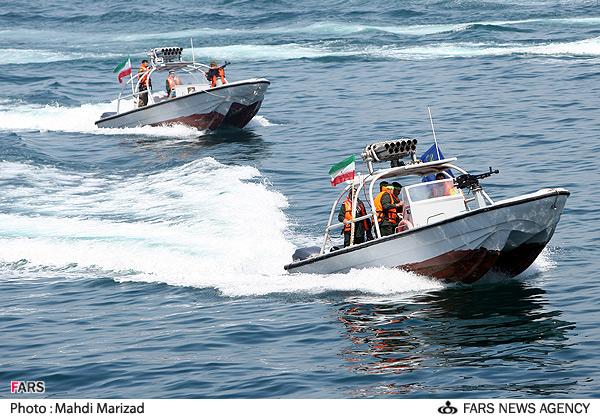
TEHRAN, Dec. 14 (Xinhua) — Iran’s Islamic Revolution Guards Corps (IRGC) will hold a large-scale naval exercise in the country’s southern waters, Tasnim news agency reported on Saturday.
Commander of the IRGC’s Navy Ali Reza Tangsiri told Tasnim that the massive naval war game will be launched in the near future.
The Islamic Revolutionary Guard Corps naval commander Admiral Alireza Tangsiri said the Persian Gulf belongs to Iran. “We have the right to question any vessels entering the Straits of Hormuz and Iranian territorial waters.” The statement is the latest in a series of Iranian threats to neighboring countries of the Persian Gulf after six months of tensions in which Iran downed a US drone and attacked six ships and seized one UK-flagged ship in the sensitive waterway.
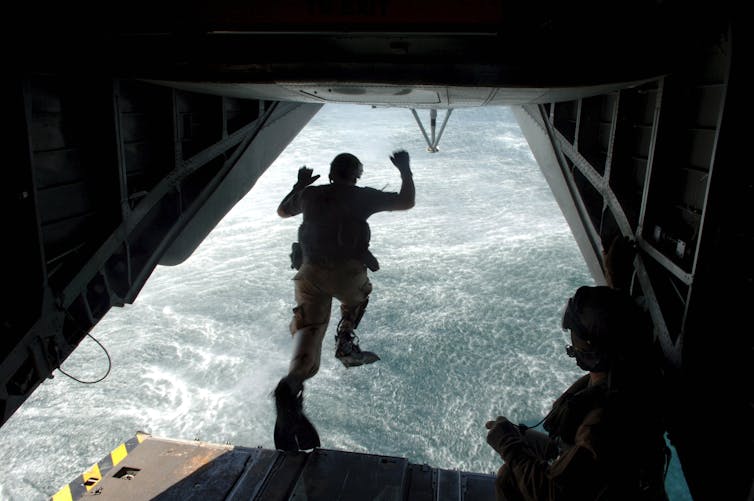
US service members practising water rescue techniques during a routine training exercise off the coast of Djibouti in 2007. EPA/US NAVY/MC1 MICHAEL R. MCCORMICK
The upsurge of Somali piracy after 2005 led to significant international activity in the Horn of Africa. Naval missions, training programmes, capital investment and capacity building projects were among the responses to the threat. States in the region also started to focus on the dangers and opportunities associated with the sea.
Kenya and Djibouti, two states directly affected by piracy, achieved widespread reform of their domestic maritime sectors through new national initiatives and assistance from external partners. Djibouti’s President Ismail Guelleh recently commented during talks with Kenya on security and trade links that
What happens in Somalia has an immediate impact on all of us.
At its height, between 2008 and 2012, it is estimated that Somali piracy cost the Kenyan shipping industry between US$300 million and $400 million every year. This was as a result of increased costs (including insurance) and a decline in coastal tourism. It also damaged Djibouti’s maritime industry, financial sector and international trade.
The upsurge of piracy after 2005 had a number of causes. It grew from poverty and lawlessness in Somalia alongside opportunity and a low risk of getting caught. By 2013 the threat had been reduced. This was due to a combination of naval patrols, private armed guards, self defence measures on board ships and capacity building efforts ashore.
Historically, most states in the Horn of Africa have struggled with limited capacity to address maritime insecurity. Their naval assets, training, human resources, institutional and judicial structures, monitoring and surveillance have all been critically underfunded.
But the international response to piracy – and the investments and partnerships that emerged – have helped some states to improve in these areas.
More importantly perhaps, since the decline in piracy attacks, Kenya and Djibouti have been paying more attention to policies around maritime governance and “blue” economic development. This relates to sustainable use of ocean resources for economic growth, job creation and ocean ecosystem health. The refocus marks a shift from traditional investments related to land based conflict and land borders.
In a recent article, I examine how Kenya and Djibouti reformed their domestic maritime sectors following a decline in acts of piracy. The study sheds new light on the limitations and challenges facing domestic maritime sectors in Africa as well as some of the innovative approaches taken.
A key point is that blue economic growth is not possible without addressing security threats at sea. This includes building a robust maritime security sector, improving ocean health and regulating human activity at sea in a more sustainable way.
International partnerships
Many of the new developments in the region have been supported by international partners. The Djibouti Navy and Coastguard work closely with the US Navy. Together, for example, they are developing capacity for stopping and searching suspicious vessels. This is important in countering the illicit trafficking in people and smuggling of migrants through Djiboutian waters.
Djibouti has also benefited from Chinese direct investment, which accounts for nearly 40% of the funding for its major investment projects. Chinese state-owned firms have built some of Djibouti’s largest maritime related infrastructure projects. These include the Doraleh Multipurpose Port, a new railway connection between Djibouti and Addis Ababa, and the opening of China’s first foreign military facility.
This is a clear example of Beijing prioritising its growing economic and security interests in Africa. And advancing its “massive and geopolitically ambitious” Belt and Road Initiative.
Kenya, too, has received international assistance and investment. This includes support to set up the Regional Maritime Rescue Coordination Centre in Mombasa. Organisations like the International Maritime Organisation have led training for staff from the centre and for the Kenyan Navy.
The United Nations Office on Drugs and Crime has provided law enforcement training for the Kenyan Maritime Police Unit. It also opened a new high-security courtroom in Shimo La Tewa, Mombasa, for cases of maritime piracy and other serious criminal offences.
National refocus
At a national level, there is evidence of a fundamental shift towards building a more secure and sustainable domestic maritime sector.
For example, Kenya has created a new coastguard service. Its job is to police the country’s ocean territory and to ensure that Kenya benefits from its water resources. The country has new naval training partnerships, maritime capacity building projects and an implementation committee to coordinate “blue economic” activities. These include fisheries, shipping, port infrastructure, tourism and environmental protection.
For its part, Djibouti has rapidly developed its maritime sector and recognised the financial benefits of leasing coastal real estate. The country has an ambitious development plan titled “Djibouti Vision 2035”. This sets out its aspiration to become a maritime hub and the “Singapore of Africa”. It’s trading on the fact that it has a similar strategic position along one of the world’s busiest shipping lanes.
All of these approaches require robust laws and regulations governing human activities at sea. They also call for a capable and flexible coastguard and navy to enforce these regulations and secure coastal waters against threats such as piracy, fisheries crime and the illicit smuggling of drugs, weapons and people.
The way forward
There are lessons in the Horn of Africa experience for other regions of Africa facing similar maritime insecurities. One example is the Gulf of Guinea.
The first lesson is that there’s a need to convince coastal states with weak maritime capacities of the untapped potential of the blue economy. Even reputational damage can harm tourism, development and investment in coastal regions. This was clearly illustrated in the case of Kenya.
Blue economic growth needs a safe and secure maritime environment for merchant shipping in particular. It can also help alleviate poverty in coastal regions, provide alternatives to criminal livelihoods, and allow local communities more ownership of issues that affect them.
Ultimately, maritime security and blue economic growth need to be considered as a unified policy issue.
The Marshall Islands-flagged tanker Duke was attacked on Sunday as she sailed from Luanda, Angola, to Lomé, Togo. Six pirates boarded the vessel about 115 nautical miles south-east of Lomé and kidnapped all but one on board – believed to be a Nigerian national. The remaining crew of 20 Indian seafarers were kidnapped.
According to analysts from Dryad Maritime, the specific methodology used are unclear, but given that the incident occurred a significant distance offshore, the pirates are likely to have used a mothership to aid operations.
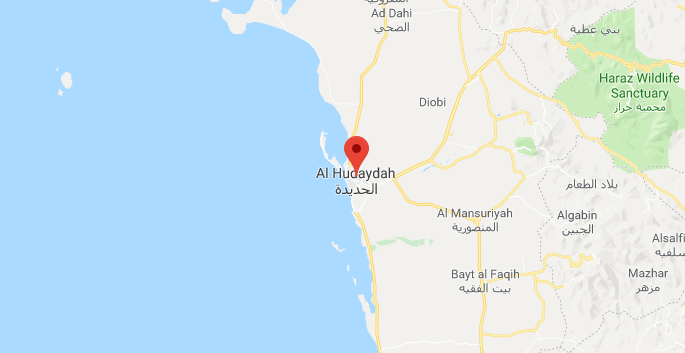
TEHRAN (Tasnim) – Saudi Arabia has prevented 13 ships carrying energy derivatives and food for Yemenis from entering Yemen’s port of Hudaydah for over 40 days amid a humanitarian catastrophe in the Arab country, a report said.
According to Yemen’s Arabic-language al-Masirah television network, 13 ships destined for the impoverished Arab country have been impounded by the kingdom and diverted to the port of Jizan in southwestern Saudi Arabia.
The report added that the vessels had undergone inspection by the United Nations and obtained the relevant papers. So far, only one of the vessels has been allowed to leave the port of Jizan.
Back on November 23, the Yemeni minister of public health and population said it is estimated that every 10 minutes a child under the age of five dies from extreme hunger in the country, warning that the ongoing Saudi-led blockade is also taking a heavy toll on newborn babies.
Saudi Arabia and a number of its allies launched a devastating campaign against Yemen, with the goal of bringing the government of former president Abd Rabbuh Mansur Hadi back to power and eliminating the Houthi Ansarullah movement, whose fighters have been helping the Yemeni army significantly in defending the country against invaders since the onset of war.
The US-based Armed Conflict Location and Event Data Project (ACLED), a nonprofit conflict-research organization, estimates that the war has so far claimed more than 100,000 lives.
The Saudi-led war has also taken a heavy toll on Yemen’s infrastructure, destroying hospitals, schools, and factories. According to the United Nations, more than 24 million people are in dire need of humanitarian aid, including 10 million suffering from extreme levels of hunger.
MarsecNews: For the sake of clarity, this information comes from an Iranian media outlet. Iran backs the Houthi rebels in the country. I know maritime security companies who assist the World Food Programme and they have not reported any difficulties (other than those normally expected in Yemen) in disembarking aid goods at ports such as Hodeidah.
Iranian Navy Commander Rear Admiral Khanzadi invited Qatari army to participate in Indian Ocean Naval Symposium (IONS) military exercise in the Indian Ocean.
He made the remarks in his meeting with his Qatari counterpart in Doha late on Thu. after meeting with senior military commanders of Pakistan’s army.
Worried over the increasing rate of oil theft in the country, the Governor of Edo State, Godwin Obaseki, yesterday called for the establishment of ‘Special Courts’ and training of judges to prosecute and convict perpetrators of crude oil theft in the country.
Obaseki, who chaired a committee set up by the National Economic Council Committee to find a lasting solution to the issues of oil theft and pipeline vandalisation, made the call during the inaugural Nigeria Extractive Industries Transparency Initiative (NEITI) policy dialogue with the theme: “Stemming Oil Theft in Nigeria.”
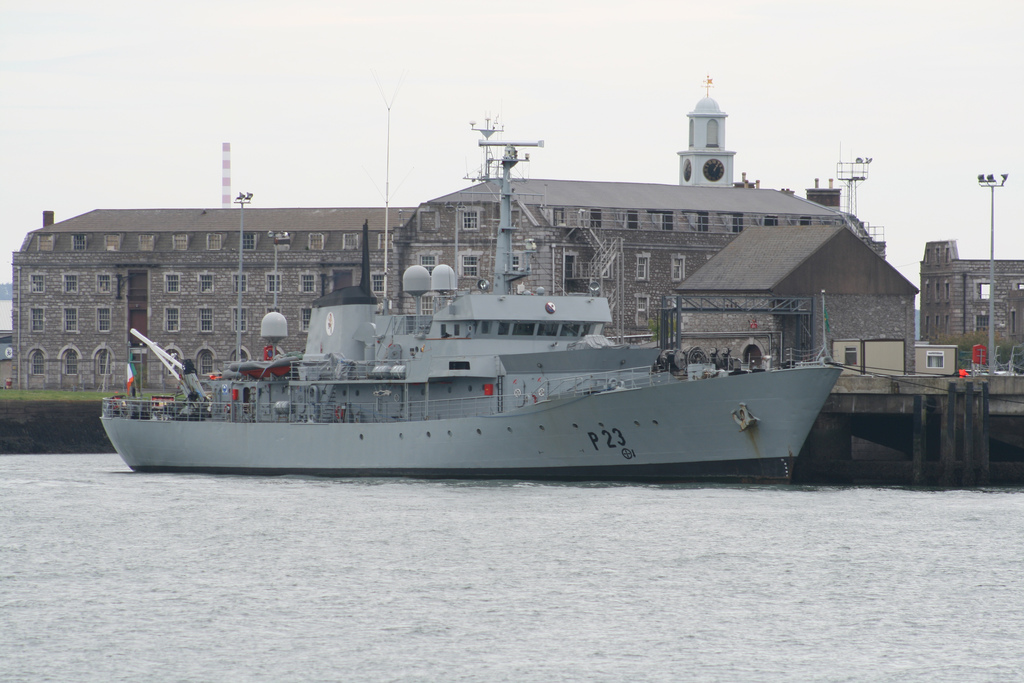
Details of how a decommissioned Irish naval vessel, the LÉ Aisling, sold by the Government for €110,000 in 2017, was bought by a Libyan warlord for $1.5 million (€1.35 million), are contained in a report that has been submitted to the UN Security Council.
The former Irish coastal patrol vessel has since been fitted out with three cannons it was originally designed to carry, and renamed the Al Karama (Dignity).
THE Ports Facility Security Officer Forum of Nigeria, PFSOFN, has said that collaboration among agencies of government was key to security in the maritime industry, a development that will attract more investment in the sector.
Speaking at the opening ceremony of the just concluded annual conference of the PFSOFN, Chairman of the Forum, Barrister Emmanuel Onyeabadi, said that a better synergy and collaboration among agencies will go a long way in eliminating conflicts between government security agencies.
To continue reading, please click here.
Source:
MarsecNews: In my opinion, one of the main issues in Nigeria is the number of agencies all competing in the same maritime space. If anything, the answer is to combine those agencies and create a proper hierarchy which can then offer real leadership and task personnel accordingly, without worrying about treading on other agencies’ toes.
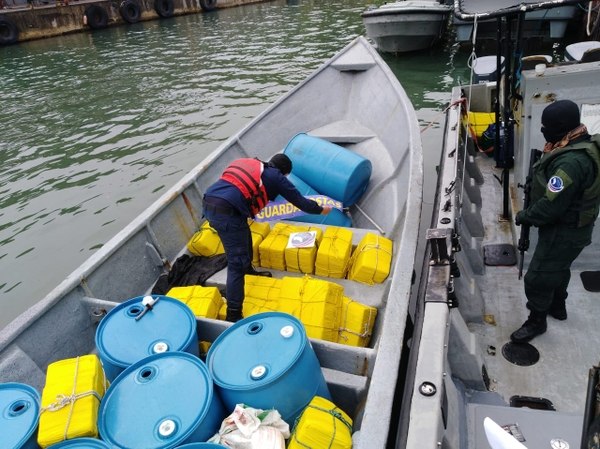
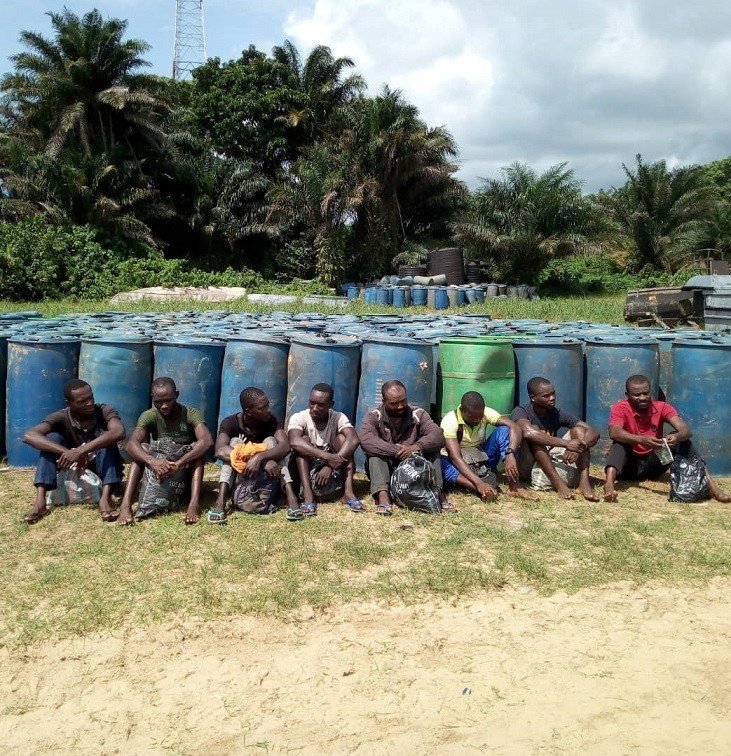
The Nigerian Navy Ship Victory patrol team has intercepted a wooden boat conveying 432 drums of illegally refined automotive gasoline oil from Nigeria to Cameroon.
The Commander of NNS Victory, Rear Admiral Vincent Okeke, said seven suspects were arrested in connection with the seized products at Agbana West Point by Tom Shot Island.




 Maritime Security News