Cluster Bomb Toting F-15Es Are Patrolling The Persian Gulf To Counter Small Boat Swarms

The weapons would be a useful tool for destroying Iran’s fast boat armada that it has used to seize and harass tankers.

BY JOSEPH TREVITHICK

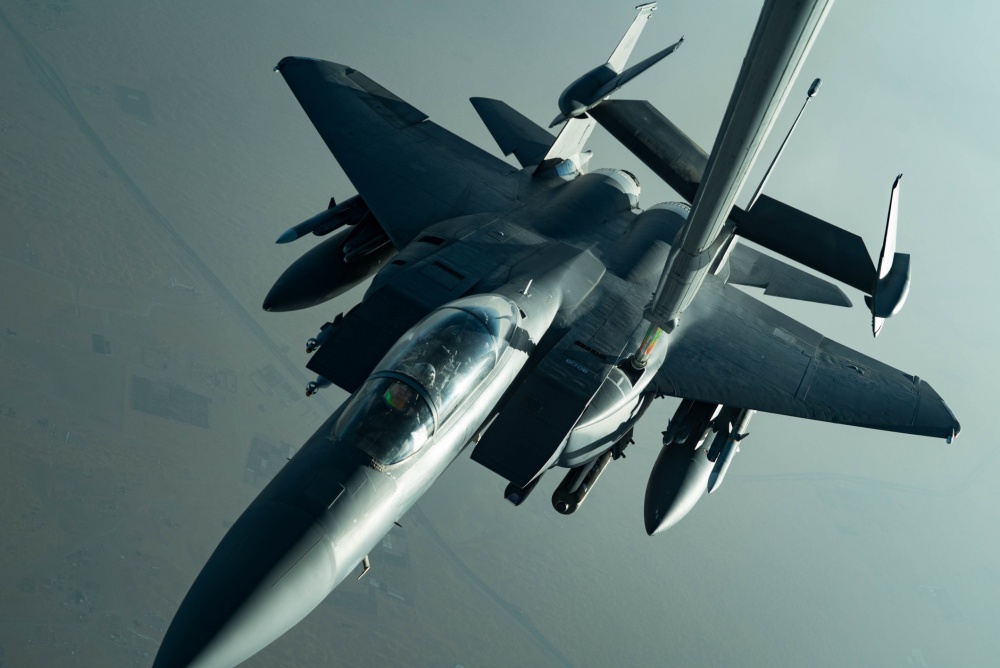
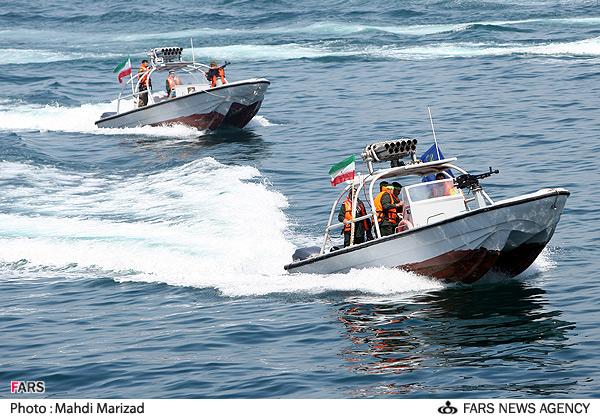
U.S. Air Force F-15E Strike Eagles have been flying patrols over the Persian Gulf armed with cluster munitions, as well as a variety of other weapons. These weapons could be useful for beating back swarms of small boats, such as those belonging to Iran’s Islamic Revolutionary Guard Corps, IRGC. The sorties come amid escalating tensions between the United States and Iran, as well as the IRGC’s harassment and seizure of a number of tankers in Strait of Hormuz in recent weeks.

To continue reading, please click here.

Source: thedrive.com

BP avoids sending tankers and crews into Gulf waters

Oil giant’s CEO takes decision amid fears its tankers could be targeted by Iranian forces as tensions mount

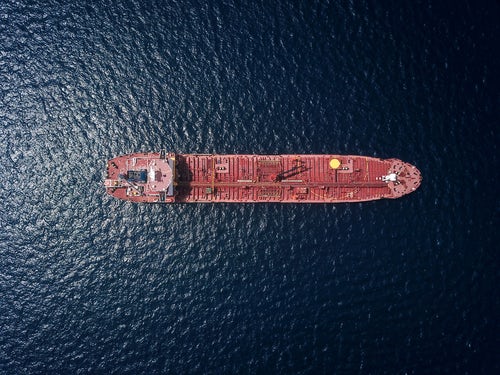
British oil giant BP is avoiding sending ships to the region after it had to shelter one of its tankers in the Gulf this month in fear it could be targeted by Iranian forces.

BP is “certainly not sending British ships and crews” through the Strait of Hormuz, the only way for tankers to reach the world’s biggest oil-exporting region, CEO Robert Dudley said in an interview on Bloomberg TV.

To continue reading, please click here.

Source: logisticsmiddleeast.com

Iran says European fleet would be ‘provocative’

Persian Gulf/SoH

By AMIR HAVASI

Britain planning joint force to escort tankers through Strait of Hormuz after seizure of UK-flagged vessel

Iran on Sunday slammed as “provocative” a British proposal for a European-led naval mission to escort tankers in the Gulf, amid soaring tensions over the seizure of ships.

“We heard that they intend to send a European fleet to the Persian Gulf, which naturally carries a hostile message, is provocative and will increase tensions,” said government spokesman Ali Rabiei.

To continue reading, please click here.

Source: asiatimes.com

Iran tanker seizure: UK warship HMS Duncan arrives in Gulf

A second Royal Navy warship has arrived in the Gulf to protect British ships amid heightened tensions in the region.

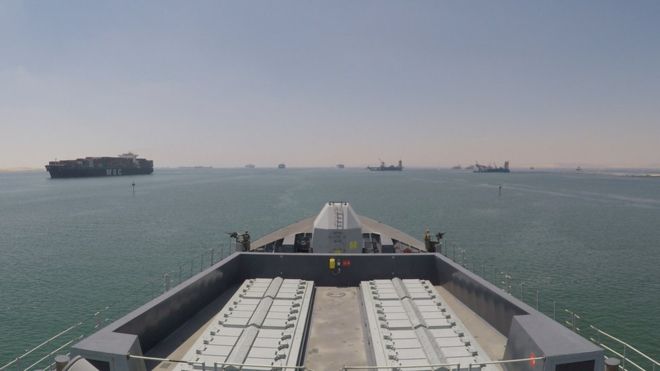
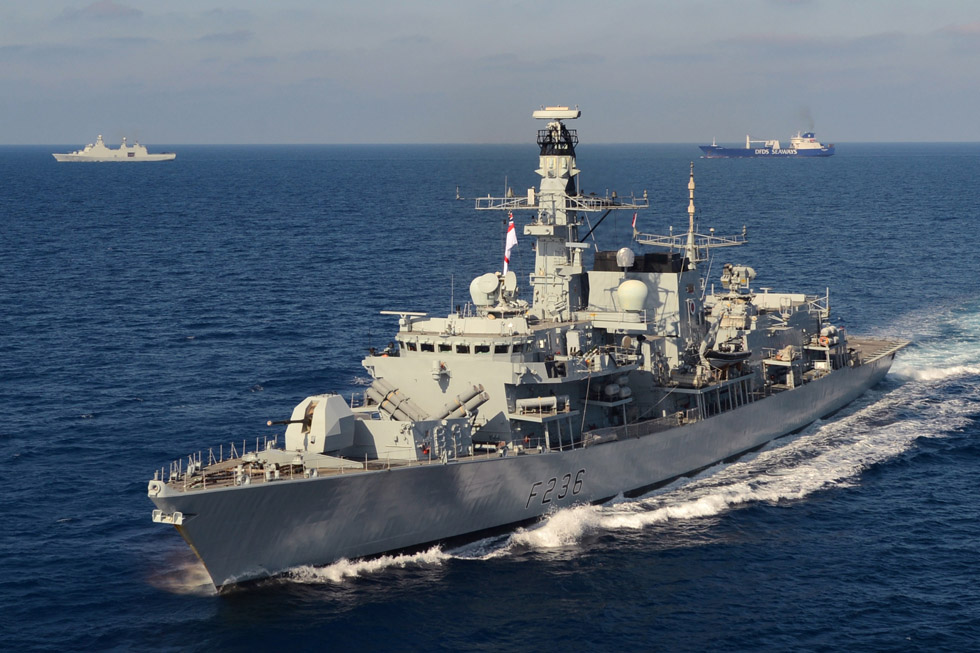
HMS Duncan has joined frigate HMS Montrose to escort vessels sailing under the British flag through the Strait of Hormuz.

HMS Montrose has so far accompanied 35 vessels through the strait, according to the Ministry of Defence (MoD).

Defence Secretary Ben Wallace said the UK continued to push for a diplomatic resolution to the situation.

He said: “Freedom of navigation in the Strait of Hormuz is vital not just to the UK, but also our international partners and allies.

“Merchant ships must be free to travel lawfully and trade safely, anywhere in the world.”

Mr Wallace added the Royal Navy will continue to provide a safeguard for UK vessels “until this is the reality”.

HMS Duncan is a Type 45 Destroyer which the Royal Navy describes as “among the most advanced warships ever built”.

Why have tensions escalated?

Earlier this month, British Royal Marines helped seize Iranian tanker Grace 1near Gibraltar which was suspected of breaking EU sanctions, infuriating Iran.

In response, Tehran threatened to capture a British oil tanker.

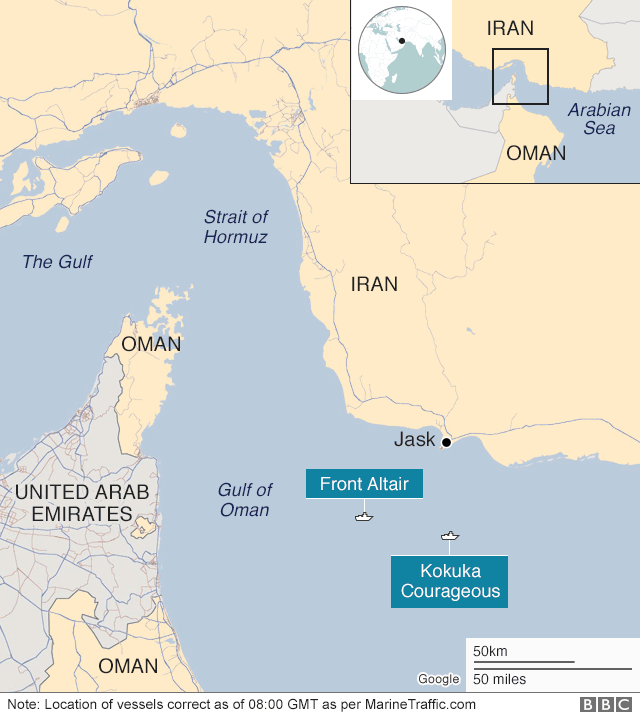
On 19 July, British-flagged oil tanker Stena Impero was seized by Iran’s Revolutionary Guard in the key shipping route.

A second British-linked tanker, the MV Mesdar, was also boarded by armed guards but was released.

Tehran said the Stena Impero was “violating international maritime rules”.

HMS Montrose was alerted but it was too far away to stop the seizure.

Iran’s state-run IRNA news agency said the tanker was captured after it collided with a fishing boat and failed to respond to calls from the smaller craft.

But the then foreign secretary Jeremy Hunt said it was seized in Omani waters in “clear contravention of international law” and then forced to sail into Iran.

The tanker’s Swedish owners, Stena Bulk, said it had been complying with regulations and had been in international waters.

Stena Bulk said the 23 crew members, who are Indian, Russian, Latvian and Filipino, are in good health and have met with officials from their respective countries.

How has the UK reacted?

The then foreign secretary Jeremy Hunt called the seizure of the Stena Impero “state piracy”.

But he insisted: “Our priority continues to be to find a way to de-escalate the situation.”

Speaking to the BBC, former Cabinet minister Iain Duncan Smith described the UK-flagged ship’s capture as a “major failure” by the UK.

The then defence minister Tobias Ellwood told Sky News “it is impossible simply to escort each individual vessel”.

What has Iran said?

Iran’s foreign minister Javad Zarif said in a tweet the UK “must cease being an accessory to #EconomicTerrorism of the US”.

He said Iran guarantees the security of the Gulf and the Strait of Hormuz, and insisted its action were to “uphold international maritime rules”.

Iranian President Hassan Rouhani has indicated the Stena Imepero could be released if the UK returns the Grace 1.

In a statement on his website he said: “We are not going to continue tensions with some European countries and if they are committed to international frameworks and abandon some actions, including what they did in Gibraltar, they will receive a proper response from Iran”.

Source: bbc.co.uk

Iran’s Oil Tanker Gambit Has Nowhere to Go

To judge by the propaganda of the Iranian regime, the brave warriors of the Islamic Revolutionary Guard Corps had captured a Royal Navy guided-missile destroyer. Video footage shows the IRGC men rappelling down to a ship while other fearless comrades, looking on from speedboats racing alongside the vessel, cheer them on with shouts of “Allah Akbar!” Still images show the men advancing cautiously down the deck, automatic weapons pointed forward in preparation of a fierce gun battle.

Stirring stuff for an Iranian audience raised on stories of Albion’s many historical perfidies against their nation! Except the captured ship was not the mighty HMS Duncan, bristling with missiles and men-at-arms, but the Stena Impero, a small oil tanker with a motley complement of 23 civilians—and not a single man jack among them holding a British passport.

To continue reading, please click here.

Source: hellenicshippingnews.com

Maritime Union Report on the Dangers Seafarers Face on Ships in the Persian Gulf

Persian Gulf/SoH

First Hand Report on Transiting the Strait of Hormuz in a Merchant Vessel

PERSIAN GULF – As with the case of piracy in the waters off the Somali Coast, nothing brings the realities of dangers at sea whilst transiting the seas in the region like the first-hand accounts of those who have experienced the terrors of passing through the Strait of Hormuz whilst anticipating an attack from armed forces.

With security levels raised by the British government following the seizure of the UK-flagged tanker Stena Impero the focus of the maritime unions has been on the welfare of their members and now Nautilus International, the trade union for maritime professionals, has released the testimony of one of its members, via a report by Helen Kelly, illustrating the circumstances faced by seafarers in the region.

To continue reading, please click here.

Source: handyshippingguide.com

Ships urged to alert navies before sailing through Strait of Hormuz

Persian Gulf/SoH

LONDON – Shipping associations have called on ship owners to inform Britain’s navy of their movements before sailing into the Middle East Gulf and Strait of Hormuz because of the escalating international crisis in the region.

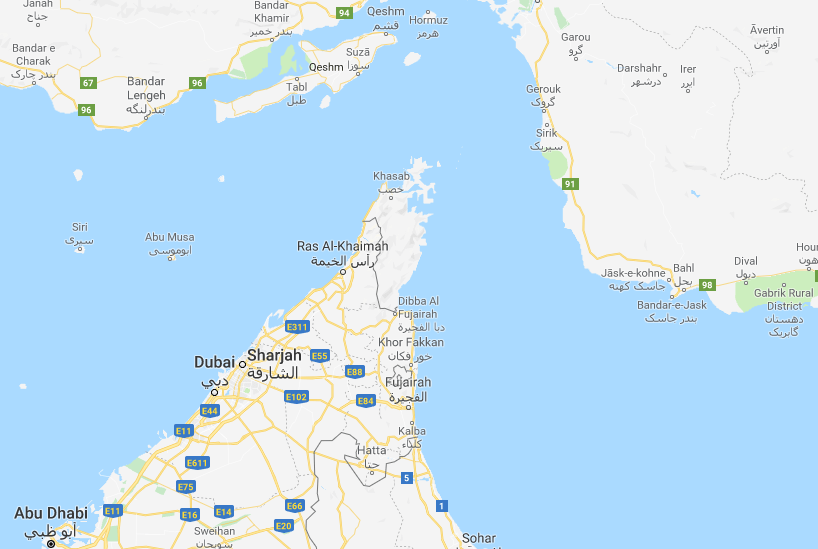
About a fifth of the world’s oil passes through the Strait of Hormuz and shipping companies are already deploying more unarmed security guards as an extra safeguard.

To continue reading, please click here.

Source: todayonline.com

Iran tanker seizure: Hunt seeks European help on Gulf shipping

The foreign secretary has repeated his call for the release of a British-flagged ship and its crew detained in the Gulf by the Iranian military.

The Iranian Revolutionary Guard captured the Stena Impero and its 23 crew members in the Gulf on Friday.

Jeremy Hunt told MPs it was an act of “state piracy”.

Mr Hunt said the UK would develop a maritime protection mission with other European nations to allow ships to pass through the area safely.

The foreign secretary secured support for the initiative from both French and German foreign ministers on the phone on Sunday evening, the BBC has been told.

Addressing the Commons after a meeting of the government’s emergency Cobra committee, Mr Hunt said he spoke with a “heavy heart” but if Iran continued to act as it had, it would have to accept a “larger Western military presence” along its coastline.

The seizure of the Stena Impero in the key shipping route of the Strait of Hormuz came after Tehran said the vessel violated international maritime rules.

Iran’s state-run news agency said the tanker was captured after it collided with a fishing boat and failed to respond to calls from the smaller craft.

Mr Hunt said the ship was illegally seized in Omani waters and forced to sail into Bandar Abbas port in Iran, where it remains.

Although the crew and owners are not British, the Stena Impero carries the British flag so the UK owes protection to the vessel, maritime analysts said.

The seizure was the latest in a string of acts leading to escalating tensions between Iran and the UK and US.

Earlier this month Royal Marines helped to seize tanker Grace 1 off Gibraltar, because of evidence it was carrying Iranian oil to Syria in breach of EU sanctions.

Mr Hunt said that vessel was detained legally, but Iran said it was “piracy” and threatened to seize a British oil tanker in retaliation.

In a statement to MPs in the Commons, Mr Hunt said the UK would seek to create a European-led mission to ensure safe passage of international vessels in the Gulf.

“Freedom of navigation is a vital interest of every nation,” he said.

US Central Command said it was developing a multinational maritime effort in response to the situation.

But the UK’s protection mission would not include the US because, Mr Hunt insisted, Britain was not part of President Trump’s policy of “maximum pressure” on Tehran.

The initiative would build on existing structures in the region such as the US Navy-led Combined Task Force 150, the BBC has learned.

Instead of focusing on tackling terrorism and the illegal drugs trade like the Combined Task Force 150, the new scheme would have a mandate to ensure freedom of navigation of international ships, the Foreign Office explained.

The mission would be implemented “as quickly as possible” but in the meantime the destroyer HMS Duncan has been sent to help keep British ships and crews safe in the region, Mr Hunt told the Commons.

Mr Hunt said the UK had sought to de-escalate the situation but there would be “no compromise” on freedom of navigation in the Strait of Hormuz.

Bob Sanguinetti, CEO of the UK Chamber of Shipping, welcomed the announcement of the mission but said it was “imperative” the government protected British-flagged ships in the Gulf in the meantime.

Mr Hunt encouraged commercial shipping companies in the region to follow advice issued by the Department for Transport to help reduce “risks of piracy”, because it was “not possible for the Royal Navy to provide escorts for every single ship”.

Source: bbc.co.uk

Maritime security in the Gulf: UK government response

Stena Impero seized in the Strait of Hormuz

On 19 July Iranian authorities seized the British-flagged vessel, Stena Impero, in Omani waters in clear contravention of international law. Following a ministerial COBR meeting on 20 July, Foreign Secretary Jeremy Hunt gave astatement on iranian actions in the Strait of Hormuz.

The UK Mission to the United Nations in New York, on behalf of the UK government, sent a letter to the President of the United Nations Security Council setting out the facts about the incident.

On 21 July the Foreign Secretary called the French and German foreign ministers. Both agreed with the Foreign Secretary that safe passage through the Strait of Hormuz is a top priority for European nations, while avoiding escalation in the region.

Grace 1 detained off the coast of Gibraltar

On 4 July the Iranian oil tanker Grace 1 was detained during a a government of Gibraltar-led operation to uphold EU sanctions on Syria. The Foreign Secretary spoke with the Chief Minister of Gibraltar and with the Iranian Foreign Minister about the Grace 1 tanker.

On 15 July the Foreign Secretary attended the EU Foreign Affairs Council in Brussels. Before his visit, he gave a statement on Iran’s compliance with the nuclear deal and also commented on the detention of the Grace 1 and the rights of commercial ships in the Gulf.

Tankers attacked in the Gulf of Oman

The UK government is almost certain that a branch of the Iranian military attacked 2 tankers on 13 June. The Foreign Secretary condemned the attacks on civilian shipping, and called on Iran to cease all forms of destabilising activity. Read the UK statement on the attacks in the Gulf of Oman.

Source: gov.uk

Commercial ships warned against using private armed security in the Gulf

Shipping associations issue advice after a series of attacks blamed on Iran

Shipping companies sailing through the Arabian Gulf are being urged to avoid having private armed security guards on board as the risk of escalation in the region rises.

Relations between Iran and the West have become increasingly strained after Britain seized an Iranian tanker in Gibraltar last week and London said its warship HMS Montrose had to fend off Iranian vessels seeking to block a British-owned tanker from passing through the Strait of Hormuz.

To continue reading, please click here.

Source: thenational.ae