
Alleged Somali pirates accused of kidnapping hit with terrorism charges

Michael Scott Moore, image courtesy of SomaliaReport.com

By Andrew Denney

Two alleged Somali pirates previously accused of kidnapping an American journalist and holding him for more than two and a half years were hit with fresh federal charges on Wednesday — including new allegations they were working on behalf of terrorists.

Mohamed Thalil Mohamed and Abdi Hassad were previously hit with kidnapping raps in connection with the long captivity of Michael Scott Moore.

To continue reading, please click here.

Source: nypost.com
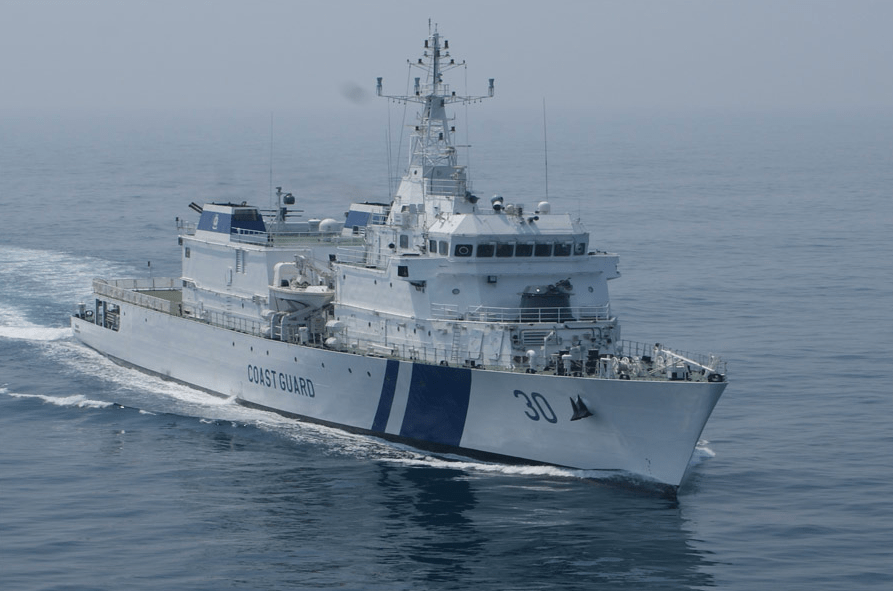
India to have Central Marine Police Force to guard coastline

India has a vast coastline of 7,516 km touching 13 states and union territories. It also has around 1,197 islands.

New Delhi: The Ministry of Home Affairs has completed the modalities of setting up a new armed force — Central Marine Police Force — to strengthen coastal security. A final proposal would be sent to the Cabinet by early next month for approval, a source in the ministry said on Saturday.

About the structure of the force, a senior ministry officer said, “Unlike other Central Armed Police Forces, the Central Marine Police Force will have it own cadre, rules, manual, Act, infrastructure and would be headed by a Director-General rank officer.”

To continue reading, please click here.

Source: telanganatoday.com


Maritime terrorism in Asia: An assessment

Abhijit Singh

This paper evaluates the possibility of an increase in maritime terrorist violence in Asia, based on a recounting and analysis of some of the most recent past incidents in these waters. It argues that the vulnerability of high seas shipping to criminal acts of violence and the weak and inconsistent nature of maritime governance raises the possibility of a terrorist strike in the Asian littorals. In assessing the odds of a major terrorist attack in coastal regions, the paper also explores the terrorism-piracy nexus and the state of port security in key continental spaces, highlighting measures to improve maritime readiness against acts of terror.

Introduction

In recent years, sea-borne terrorism has emerged as a major security threat in littoral-Asia. Since the November 2008 attacks in Mumbai—when ten Pakistani terrorists infiltrated the city from the sea, killing 166 people and injuring over 300—regional watchers have been wary of the possibility of another attack from the seas. Within India’s security establishment, the anxiety has been palpable. In November 2018, a few weeks shy of the tenth anniversary of the Mumbai attacks, intelligence emerged that Pakistan-based militant outfits Lashkar-e-Taiba and Jaish-e-Mohammed had been training their cadres to execute another strike on Indian ports, cargo ships and oil tankers.[1]Reportedly, Pakistani militant commanders had been training volunteers at modified training sites and canals in Lahore and Faisalabad for “samundari jihad” (seaborne jihad). Unlike 26/11, when terrorists had used the sea route to enter Mumbai and stage attacks on land targets, the plan this time around was to deploy trained jihadi divers to target an Indian or coastal facility.[2]

To read the entire paper, please click here.

Source: orfonline.org