Seafarers’ charity Stella Maris (Apostleship of the Sea) has expressed concern over the effect that piracy continues to have on seafarers’ physical and mental wellbeing, ahead of Sea Sunday on July 14.
The charity has emphasised that seafarers’ safety and pastoral support remains paramount when their ships are targeted or attacked by pirates.
Curfew in the waters off seven districts in the Eastern Sabah Security Zone (Esszone), which ends today, will be extended until July 25.
Sabah police commissioner Omar Mammah said in a statement today that the curfew from 6pm to 6am covers the waters off Tawau, Semporna, Kunak, Lahad Datu, Kinabatangan, Sandakan and Beluran.
The Nigerian Maritime Administration and Safety Agency has described as unverified, reports stating that Nigeria had again taken the lead in piracy attacks in the second quarter of 2019.
The report released by the International Maritime Bureau, indicated that between January and June, Nigeria led the table of pirate attacks with 21 recorded incidents, beating Indonesia that recorded 11, Venezuela with six attacks and Peru with four attacks.
The seas around West Africa remain the world’s most dangerous for piracy, the International Maritime Bureau’s (IMB) latest report reveals.
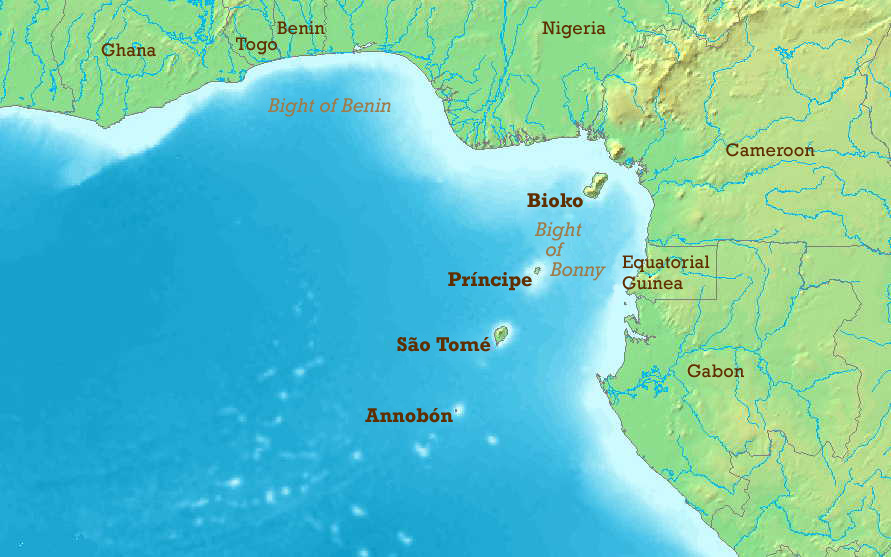
Of the 75 seafarers taken hostage onboard or kidnapped for ransom worldwide so far this year, 62 were captured in the Gulf of Guinea – off the coasts of Benin, Cameroon, Guinea, Nigeria and Togo. Worldwide, the International Chamber of Commerce’s IMB Piracy Reporting Centre recorded 78 incidents of piracy and armed robbery against ships in the first half of 2019, compared with 107 incidents for the same period of 2018. Overall, 57 vessels were boarded successfully, representing 73% of all attacks.
Pirates killed one person, took 38 crewmembers hostage, and kidnapped a further 37 for ransom.
Gulf of Guinea world piracy hotspot
The IMB report reveals 73% of all kidnappings at sea, and 92% of hostage-takings, took place in the Gulf of Guinea. Armed pirates in these high-risk waters kidnapped 27 crewmembers in the first half of 2019 and 25 in the same period in 2018. Two chemical tankers were hijacked, as well as a tug that was then used in another attack. Of the nine vessels fired upon worldwide, eight were off the coast of Nigeria, Africa’s top oil producer. These attacks took place on average 65 nautical miles off the coast – meaning they are classified as acts of piracy.
But there are some encouraging signs of improvement. The IMB Piracy Reporting Centre reports “a welcome and marked decrease” in attacks in the Gulf of Guinea for the second quarter of 2019, commending the Nigerian navy for actively responding to reported incidents by dispatching patrol boats. While recognising that many attacks go unreported, IMB recorded 21 incidents around Nigeria so far in 2019, down from 31 in the same period of 2018.
Naval vessels from Equatorial Guinea and Spain also intervened in May 2019 when a Nigerian tug was hijacked 41 nautical miles off Luba, Equatorial Guinea. Soon after, the pirates used the tug to launch an attack on a Maltese heavy load carrier. The crew retreated into the ship’s citadel, a safe room for protection against attackers. When the navies responded, the pirates left the vessel and the crew were freed. The IMB Piracy Reporting Centre thanks the naval vessels for their prompt assistance.
Warning to stay alert
Despite the recent fall in Gulf of Guinea attacks, IMB is urging seafarers in the region to remain vigilant and report all suspicious activity to regional response centres and the Piracy Reporting Centre. “Early detection of an approaching suspicious craft is key to prevent boarding and give time to raise the alarm and retreat into a citadel, if needed,” said an IMB spokesperson.
Meanwhile, in Malaysia, 10 crew were kidnapped from two fishing boats off eastern Sabah in June. Of these, nine crew are reported to have been released.
Around Indonesia, on-going information-sharing cooperation between the Indonesian Marine Police and the IMB Piracy Reporting Centre continues to show positive results. The 11 incidents reported in Indonesian waters remains the lowest Q2 figure since 2009 when three incidents were reported.
Violent attacks in South America
A vessel was fired upon in the Guayas River after departing from Guayaquil, Ecuador’s second largest city. This is the first time an incident involving the firing of weapons has been reported to the IMB Piracy Reporting Centre in Ecuador.
Elsewhere in South America, incidents of violent armed theft against ships at anchor have been reported in Callao in Peru, Jose Terminal in Venezuela and Macapa in Brazil. On 2 May 2019, when armed robbers boarded a yacht in San Ignacio de Tupile, Panama, shooting and killing a family member and injuring another, the IMB Piracy Reporting Centre liaised with the victims and authorities. The surviving family members including two children were rescued by Panamanian Marine Police.
Global anti-piracy support
Since 1991 the Piracy Reporting Centre’s 24-hour manned centre, has provided the maritime industry, governments and response agencies with timely and transparent data on piracy and armed robbery incidents – received directly from the Master of the vessel or its owners. This important work promotes the purpose of the International Chamber of Commerce to enable business to secure peace, prosperity and opportunity for all.
The IMB Piracy Reporting Centre’s prompt forwarding of reports and liaison with response agencies, its broadcasts to shipping via Global Maritime Distress and Safety System (GMDSS) Safety Net Services and email alerts to Company Security Officers, all provided free of charge, has helped the response against piracy and armed robbery and the security of seafarers, globally.
IMB strongly urges all shipmasters and owners to report all actual, attempted and suspected piracy and armed robbery incidents to the IMB Piracy Reporting Centre globally. This first step in the response chain is vital to ensuring that adequate resources are allocated by authorities to tackle piracy. Transparent statistics from an independent, non-political, international organisation can act as a catalyst to achieve this goal.
The five battalions of the police’s elite Special Action Force (SAF), which President Duterte early in his term had ordered to be formed, may see action in Mindanao as part of the effort to wipe out the extremist Abu Sayyaf Group (ASG).
Gen. Oscar Albayalde, chief of the Philippine National Police (PNP), said the five battalions of SAF commandos are nearing completion of their commando training and would graduate as soon as they pass the test mission.
ZAMBOANGA CITY –– A Marine battalion has been deployed to Sulu to beef up the government’s security presence in the province, rocked by recent bombings in a military facility, and grappling with a long-running bout with terrorists.
Their mission: “Destroy the Abu Sayyaf … and establish a peaceful and stable environment in Sulu,” said Rear Admiral Erick Kagaoan, commander of Naval Forces Western Mindanao.
President Muhammadu Buhari has signed into law an anti-piracy bill to improve security on Nigeria waterways and exclusive economic zone, the Nigerian Maritime Administration and Safety Agency said.
The so-called Suppression of Piracy and other Maritime Offences Bill will “ensure safe and secure shipping on Nigerian waters, prosecute infractions, and criminalize piracy,” the agency known as NIMASA said in emailed statement Wednesday.
American, African & Chinese Navies Gathering at The International Maritime Defence Exhibition and Conference in Ghana This July
– International Maritime Bureau: 22 Piracy Attacks in Q1, 2019
Admiral James G.Foggo, III: A safe, stable, and secure Africa is in the interest of the global community, our shared goals of a secure, stable, and prosperous Africa benefits not only our African partners and the U.S., but also the international community
–Rear Admiral Koi AlexisMaomou: IMDEC is a great opportunity to give, receive and discover new technological and scientific inventions in the field of defence and maritime safety
20 captains, commodores, rear admirals, vice admirals, & admirals discussing illegal oil-bunkering, piracy, unregulated and unreported fishing, smuggling, human and drug trafficking, illegal bunkering and crude oil theft on the 24th & 25th of July in Accra
Dubai and Accra, 27 June 2019
In the first quarter of 2019, IMB reported 38 incidents of piracy and armed robbery at sea, representing 28 fewer incidents than the first quarter of 2018 (66). IMB’s Piracy Reporting Centre detailed that 27 vessels were boarded; seven vessels were fired upon and four attempted attacks occurred in the first quarter of 2019. No vessels were reported as hijacked for the first time since the first quarter of 1994.
The Gulf of Guinea represented a high number of piracy and armed robbery attacks at sea, with 22 incidents reported in the first quarter of 2019. The region also accounted for all of the worldwide crew kidnappings as 21 crew members were kidnapped across five separate incidents. Incidents were reported in the coastal countries, of Benin, Cameroon, Ghana, Ivory Coast, Liberia, Nigeria and Togo in the first quarter of 2019.
The High Commission of India in Abuja, Nigeria sought help from the Nigerian Navy to track the whereabouts of the missing Indian sailors, which in turn roped in the Nigerian Maritime Administration and Safety Agency (NIMASA) to lead the rescue efforts.
Five Indian seafarers who had been kidnapped about two-and-a-half months earlier in Nigeria were rescued on Thursday, according to a statement issued by the Shipping Ministry.
“I am happy to share that due to sustained efforts of various stakeholders, including the Ministry of Shipping, the Directorate General of Shipping and the High Commission of India in Abuja, Nigeria, the kidnapped Indian seafarers were successfully released and reached the safe custody of Indian authorities on June 27,” Union Minister of State for Shipping, Mansukh L Mandaviya said.
What makes the waters of the Gulf of Guinea vulnerable to piracy?
When it comes to discussing the concept of maritime security, the concept can be discussed in a variety of contexts. Broadly defined, maritime security concerns the protection of states’ land and maritime territories, and is affected by a broad range of illegal activities, including arms, drugs, and human trafficking, illegal, unreported, and unregulated (IUU) fishing, and pollution at sea. But, such acts only tends to get media coverage when pirates are involved.
African maritime security is particularly severely affected by maritime piracy and armed robbery at sea. Maritime piracy is not a new phenomenon; it has existed for as long as people and commodities have traversed the oceans. Under article 101 of UN Convention on the Law of the Sea, piracy is defined as:
“Any acts of violence, detention, or depredation committed on the high seas by the crew or passengers of a private ship or aircraft against another ship, aircraft, persons, or property in a place outside the jurisdiction of any state for private ends.”




 Maritime Security News