Sri Lanka Navy trains overseas Coast Guard personnel in Search and Seizure

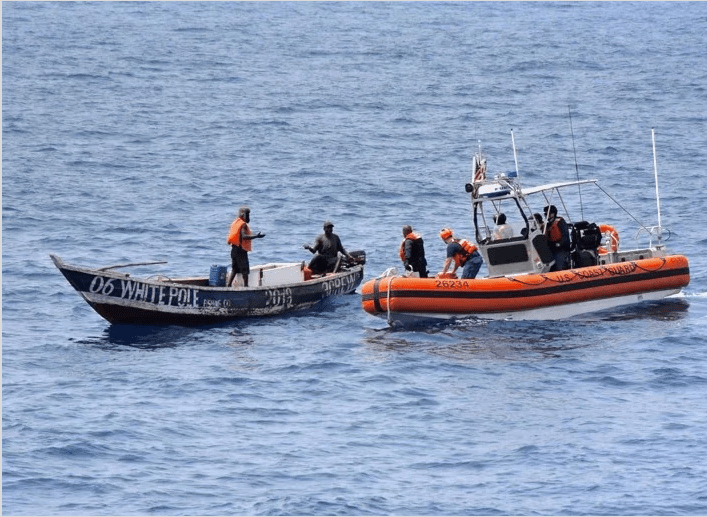
Sept 17, Colombo: The Sri Lanka Navy (SLN) is currently conducting a specialized ship search and seizure training for the overseas Coast Guard personnel in partnership with the United Nations Office on Drugs and Crime, (UNODC), the Navy said.

A Visit Board Search & Seizure (VBSS) course for the boarding teams of Indonesian, Malaysian and Philippine Coast Guards commenced at the Special Boat Squadron (SBS) Headquarters in Trincomalee Monday (16th September 2019).

To continue reading, please click here.

Source: colombopage.com

Military seizes bomb-making material in Sulu

By CNN Philippines Staff

Metro Manila (CNN Philippines, September 17)— The military recovered nearly a ton of a bomb-making inputs during an operation in Sulu on Saturday.

In a statement Tuesday, the Joint Task Force Sulu said authorities have seized at least 700 kilograms of ammonium nitrate and another bomb component, an 81-mm mortar fuse in Barangay Latih in Patikul town over the weekend.

To continue reading, please click here.

Source: cnnphilippines.com

Nigeria: Losing war to vandals, oil thieves

With 45,347 breaks inflicted on Nigeria’s fuel pipelines in 18 years, thieves and vandals appear to be winning war against government and oil multinationals. Adeola Yusuf reports

For the umpteenth time, the Nigerian National Petroleum Corporation (NNPC) penultimate Wednesday announced collaboration with the Nigerian Navy to deepen war on crude oil theft. Describing theft and vamdalism as a menace, the two institutions declared a full-fledged war on crude oil theft and attacks on oil and gas facilities.

The duo came to the resolution when the NNPC GMD, Mallam Mele Kyari paid a courtesy visit to the Chief of Naval Staff, Vice Admiral Ibok Ekwe Ibas at the Naval Headquarters.

To continue reading, please click here.

Source: newtelegraphng.com

Iran seizes vessel in Gulf for allegedly smuggling diesel – reports

Reports come amid raised tensions after weekend attack on major Saudi oil installation

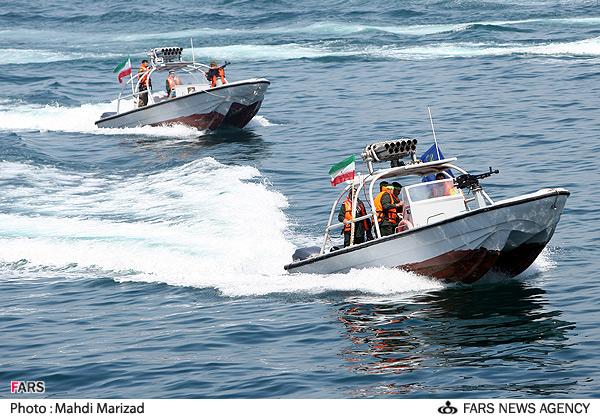
Iran’s Revolutionary Guards have seized a vessel in the Gulf for allegedly smuggling 250,000 litres of diesel fuel to the United Arab Emirates, Iran’s semi-official news agency ISNA has reported.

“It was detained near Iran’s Greater Tunb island in the Persian Gulf … the crew have been handed over to legal authorities in the southern Hormozgan province,” ISNA said on Monday, without elaborating on the nationalities of the crewmen.

To continue reading, please click here.

Source: theguardian.com

Private armed guards not allowed onboard vessels in Nigeria –Navy

Maritime Security News: Not entirely sure why they feel the need to restate this policy.

The Nigerian Navy has disclosed that private armed guards are still not permitted on merchant vessels in Nigeria. Rear Admiral, Begroy Enyinna Ibe-Enwo, representing the Chief of Naval Staff, confirmed this last week at the West Africa Shipping Summit in London, as part of highlight of events at the London International Shipping Week.

At the event, both NIMASA and the Navy acknowledged the challenges in securing the Nigerian maritime domain and affirmed the collaboration between both organisations to stem the incidents of piracy and armed robbery at sea.

To continue reading, please click here.

Source: sunnewsonline.com

The future of Philippine maritime enforcement

Michael van Ginkel

Illicit activity in the Sulu and Celebes Seas continues to pose a daunting maritime security challenge for the Philippines. The recent kidnapping of nine fishermen off the coast of Borneo and the increasingly violent modus operandi of the militant Abu Sayyaf Group (ASG) have raised safety concerns amongst Philippine policy makers and local communities. Although the Philippines has initiated several maritime enforcement initiatives, including the extensive National Coastal Watch System (NCWS), the government needs to enhance cooperation between land-based and maritime operations and increase engagement between military and civilian agencies to improve regional maritime stability.

To continue reading, please click here.

Source: theaseanpost.com

Examining Autonomous Ships’ Vulnerability to Piracy

By Thibaut Eude

Autonomous ships are a hot topic in the maritime sector; piracy and armed robbery too. Since the beginning of the year, according to the IMB, almost 100 attacks have been committed against ships all around the world. 2018 saw a marked increase in attacks compared to the past few years. 

Here is an attempt to describe an autonomous ship hijacking scenario.

The scenario

In 2025, an autonomous ocean-going container ship is chartered on a busy commercial line between China and Europe. The vessel is a level four autonomous ship according to the IMO classification [1] . The vessel is underway, and she is now passing through Malacca Strait. All sensors and artificial intelligence (AI) processes are working hard to avoid collision with others vessels, keep water under the keel and maintain the vessel on track [2]. 

To continue reading, please click here.

Source: maritime-executive.com

Houthis Obstruct Oil Tankers to Threaten Maritime Security

Asma al-Ghabri

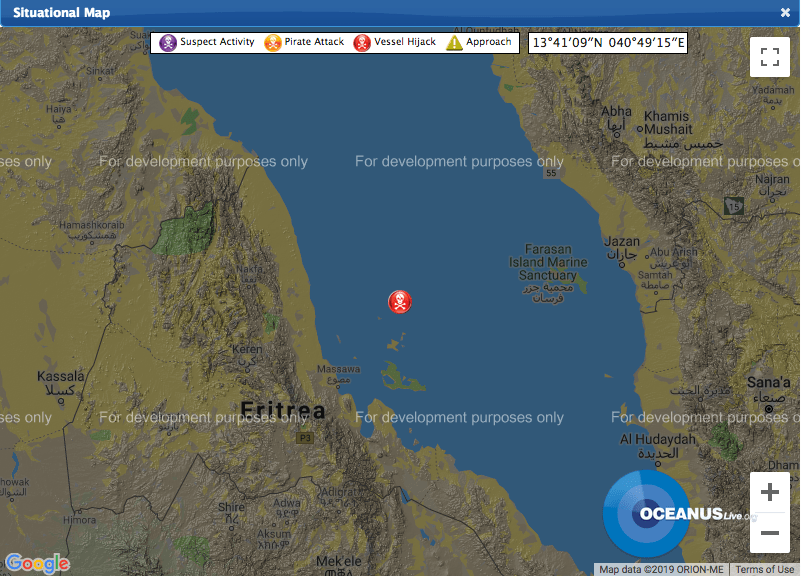
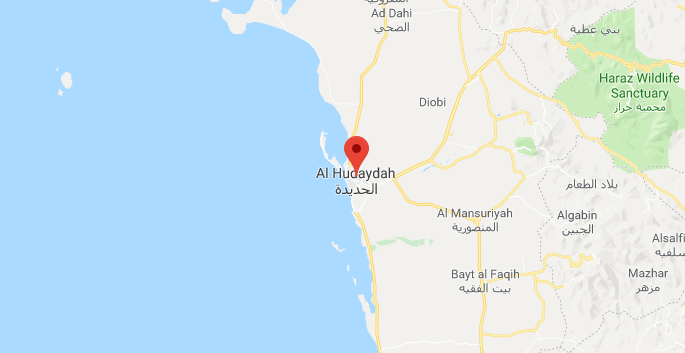
The Iran-backed Houthi militias’ refusal to implement a legitimate Yemen government order on collecting customs fees on all oil derivative revenues at Hodeidah port has led the halt of ten vessels in the Red Sea.

At Houthi orders, the oil tankers did not pay the revenues and did not disclose the certificate of origin of the shipment that ensures its legality.

To continue reading, please click here.

Source: aawsat.com

Combating Emerging Security Threats in the Maritime Domain

Aside the traditional crimes that have bedeviled the maritime domain for decades, Chiemelie Ezeobi writes that emerging security threats like attacks on shipping, sabotage of hydrocarbon infrastructure and maritime resource theft, as well as other transnational organised crimes, are some of the challenges being tackled by the Nigerian Navy in its quest to secure the nation’s  and the Gulf of Guinea waters 

World over, security threats keep evolving from traditional to conventional warfare. In the maritime domain, same rings true. In the past, the maritime domain was threatened by piracy, sea robbery, illicit trafficking, illegal unreported and unregulated fishing (IUUF) and marine pollution. Now, emerging security threats within the Nigerian maritime domain stem largely from non-military causes such as socio-economic agitations and unemployed youths within the coastal communities, which are manifested through attacks on shipping, sabotage of hydrocarbon infrastructure and maritime resource theft.

To continue reading, please click here.

Source: thisdaylive.com