Piracy: India bars seafarers from working on Nigerian waters

Anna Okon

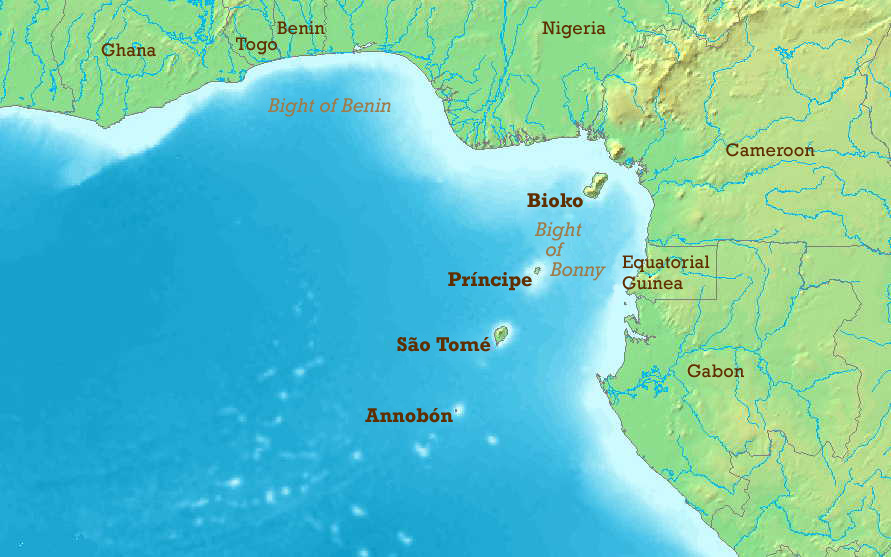
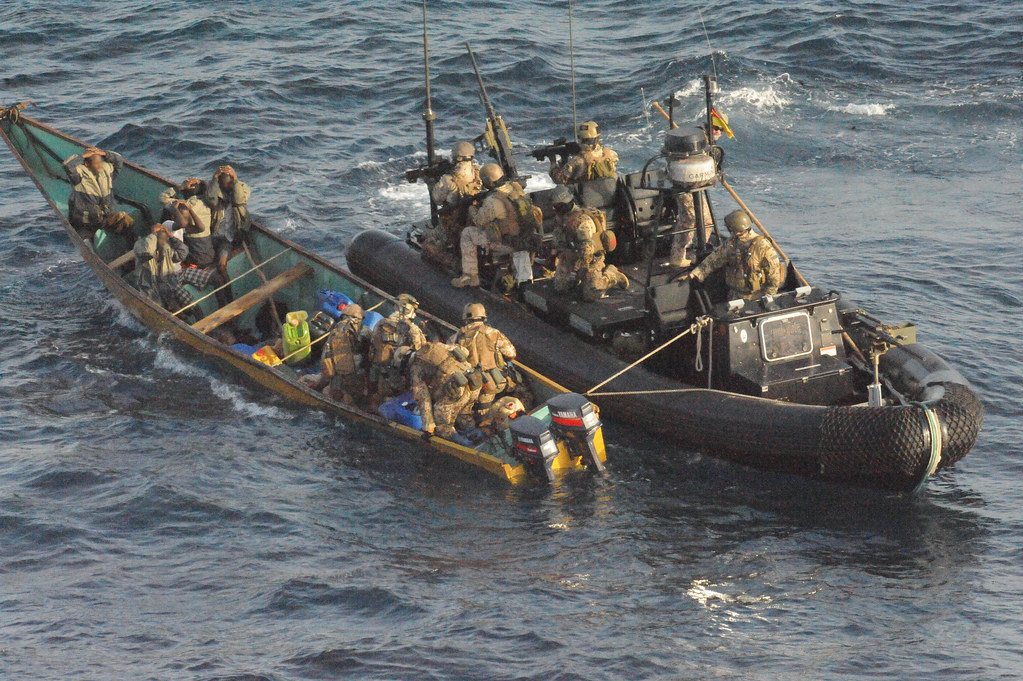
Following the increasing rate of piracy and hijacking of the crew for ransom in Nigerian waters, especially in the Gulf of Guinea, Indian Directorate General of Shipping in Mumbai, has issued a restriction on all seafarers who are Indian nationals, banning them from working in vessels in Nigeria and the Gulf of Guinea.

In a circular sent to all shipping owners, shipping companies and other practitioners which was signed by the Director-General of Shipping in India, Capt Anish Joseph, the state reportedly observed that there was an increasing trend in the number of incidents taking place inside the various coastal states jurisdiction in the GoG.

To continue reading, please click here.

Source: punchng.com

UAE tanker attacks blamed on ‘state actor’

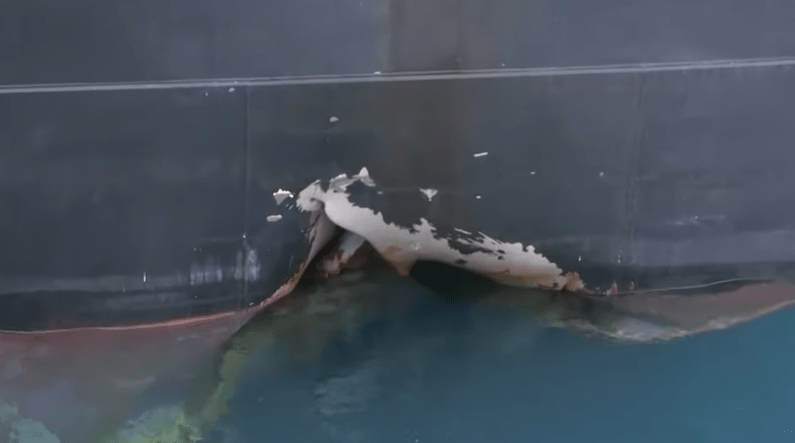
The United Arab Emirates has told the UN Security Council a “state actor” was most likely behind attacks on four tankers off its coast.

The 12 May attacks bore the hallmarks of a “sophisticated and co-ordinated operation”, according to its report.

The UAE did not say who it thought was behind the attacks, which also targeted vessels from Saudi Arabia and Norway.

The US has accused Iran of being behind the attacks but Tehran denies this and has called for an investigation.

The attacks took place within UAE territorial waters east of the emirate of Fujairah, just outside the strategically vital Strait of Hormuz, in what the UAE called a “sabotage attack”.

They exacerbated long-standing tensions between Iran, and the US and its allies in the Gulf.

What does the report say happened?

According to the UAE-led investigation, which was presented to a closed session of the UN Security Council in New York, the attacks showed a “high degree of sophistication”.

“The attacks required the expert navigation of fast boats” which “were able to intrude into UAE territorial waters”, the report’s preliminary findings say.

Divers were used to attack the ships using limpet mines in order to cause damage but not cause a major explosion, the presentation says.

There were no casualties but Saudi Arabia has said two of its ships suffered “significant” damage. Another tanker was Norwegian-registered, while the fourth was UAE-flagged.

Why is Iran being accused?

The attacks happened at a time of escalating tension between the US and Iran, long-time foes.

They took place days after the US sent warships and bombers to the region in response to what it said was an unspecified plan by Iran to attack US forces in the area.

While it is unclear why Iran would carry out a relatively low-level attack on the multinational tankers, observers have speculated that it could have been to send a signal to forces ranged against it that it is capable of disrupting shipping there without triggering a war.

Responding to the UAE report, the Saudi Ambassador to the UN, Abdallah Y al-Mouallimi, said the kingdom believed “that the responsibility for this action lies on the shoulders of Iran. We have no hesitation in making this statement,” Reuters news agency reported.

US National Security Adviser John Bolton previously said “naval mines almost certainly from Iran” were to blame for the damage, although he provided no evidence to support the allegation.

However, Mr Bolton, long known for his hawkish stance on Iran, denied the Trump administration was seeking to overthrow the Iranian government.

“The policy we’re pursuing is not a policy of regime change,” he told reporters last week during a visit to London. “That’s the fact and everybody should understand it that way.”

Iran’s foreign ministry has rejected the US accusations as “ludicrous” and accused Mr Bolton of being a “warmonger”.

What are the underlying tensions?

At the start of May, Washington ended exemptions from sanctions for countries still buying oil from Iran.

The decision was intended to bring Iran’s oil exports to zero, denying the government its main source of revenue.

US President Donald Trump reinstated the sanctions a year ago after abandoning the landmark 2015 nuclear deal that Iran agreed with six nations – the five permanent members of the UN Security Council and Germany.

Iran has now announced it will suspend several commitments under the deal.

Source: bbc.co.uk

Nigeria’s oil thieves roar back as militants kept in check

By ELISHA BALA-GBOGBO

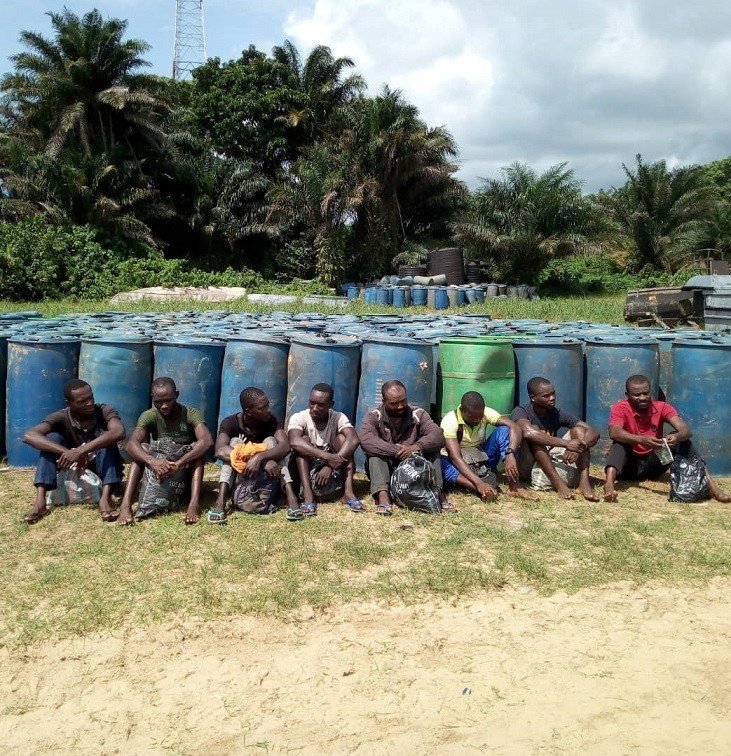
ABUJA (Bloomberg) — Just as Nigeria gets to grips with militants who brought the nation’s oil industry to its knees a few years ago, another group of longstanding foes are slowly making a comeback: thieves.

Saboteurs including thieves caused an 80% increase in the number of spills in 2018, Royal Dutch Shell Plc, the largest international producer in the West African country, said in a report last month. By contrast, there have been no militant-related halts to operations since 2016.

To continue reading, please click here.

Source: worldoil.com

Troops recover Abu Sayyaf arms cache

By Teofilo Garcia, Jr

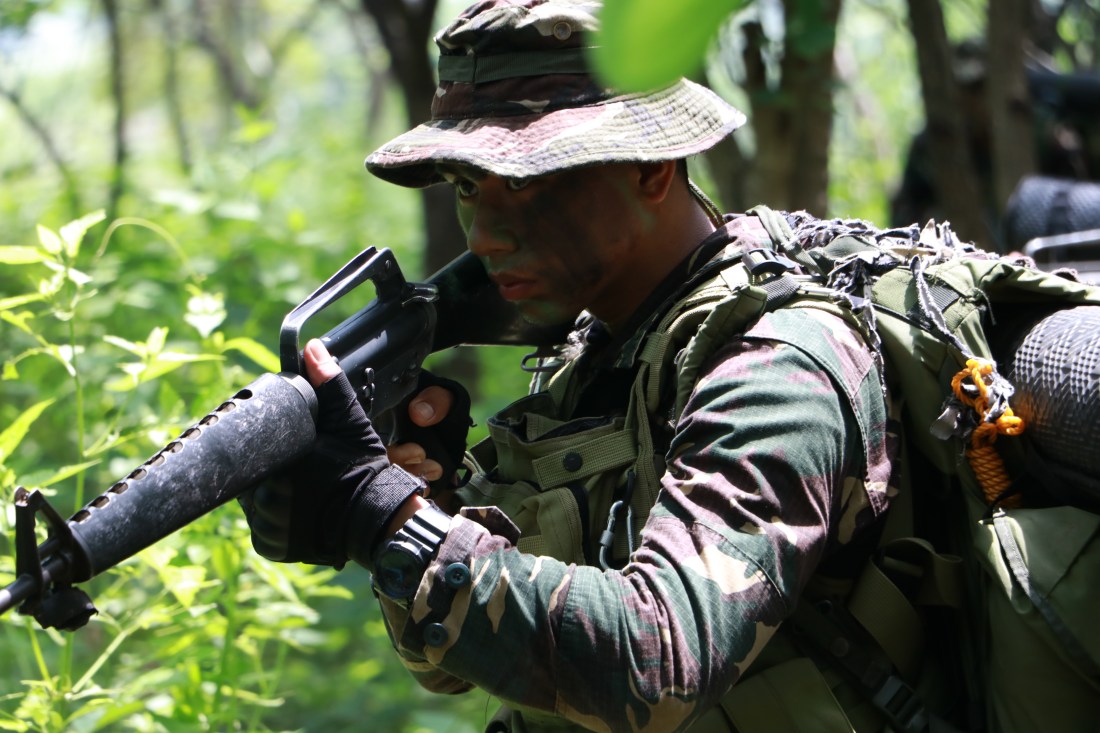
ZAMBOANGA CITY — Government troops recovered an arms cache belonging to Abu Sayyaf Group (ASG) bandits in an island off Sulu province, a top military official said Wednesday.

Major Gen. Divino Rey Pabayo, Joint Task Force Sulu commander, said the arms cache was discovered in Minis Island, Patikul, Sulu at about 7:45 a.m. Monday.

To continue reading, please click here.

Source: pna.gov.ph

Why pipeline vandalism, crude theft exist in Niger- Delta

by Akinola Ajibade

The decision by the Federal Government to delay the implementation of the community engagement standards in Niger-Delta may have resulted in the spate of unwholesome activities in the region, an energy expert, Meka Olowola, has said.

He said the activities include pipeline vandalism, crude oil theft and other untoward practices in the region, adding that the development has slowed down oil production in Nigeria.

To continue reading, please click here.

Source: thenationonlineng.net

Switzerland drags Nigeria to Intl tribunal over seized ship

Switzerland has asked an international court to order Nigeria to release a Swiss-flagged oil tanker, its cargo and crew that have been detained off Port Harcourt for the past 16 months.

The Swiss foreign ministry said in a statement weekend that it had appealed on May 21 to the International Tribunal for the Law of the Sea to order Nigeria to release the San Padre Pio tanker.

To continue reading, please click here.

Source: orientdailynews.com.ng

Contact Group On Piracy Might Be Extended To Include Gulf Of Guinea – Russian Envoy To UN

Faizan Hashmi

The geographic mandate of the Contact Group on Piracy off the Coast of Somalia (CGPCS) might be broadened to combat piracy in the Gulf of GuineaRussia‘s Deputy Permanent Representative to the UN Dmitry Polyanskiy said during UN Security Council consultations on the situation in the Central African region.

“Our country has had a positive experience in international efforts to fight piracy in the northwestern part of the Indian Ocean as part of the Contact Group on this fight off the coast of Somalia. We hope that this experience might be useful for resolving similar issues in the Gulf of Guinea, including in the context of possibly broadening the geographic mandate of the Contact Group to include the Gulf of Guinea,” Polyanskiy said on Tuesday.

To continue reading, please click here.

Source: urdupoint.com

Fmr Abu Sayyaf hostage blames Dutch man’s death on lack of gov’t effort

By Janene Pieters

Ewold Horn‘s death in the Philippines can be blamed on the Dutch government, according to Warren Rodwell from Australia, a former hostage of terrorist movement Abu Sayyaf. The fact that the 54-year-old Dutch man was still a hostage of Abu Sayyaf after seven years shows that the Dutch government did not put enough effort into getting him released, Rodwell said to Dagblad van het Noorden.

Horn was abducted by members of Abu Sayyaf during a bird watching trip on the Philippine islands in 2012. He was shot dead on Friday when he tried to escape during a firefight between the terrorist group and Philippine government forces. 

To continue reading, please click here for the original article.

Source: nltimes.nl

Pirates on rampage on Port Harcourt waterways in Rivers

Okafor Ofiebor

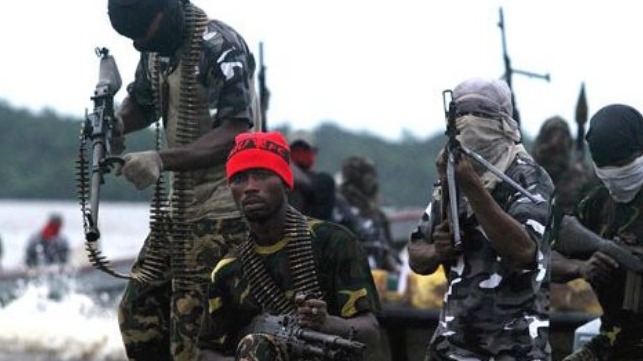
Port Harcourt – Suspected sea pirates on Monday attacked seafarers travelling on Port Harcourt-Bille waterways in Akuku-Toru Local Government Area of Rivers State, injuring scores of passengers and robbing them of money, goods worth millions of naira, including the hijacking of their Commercial boats.

A Bille Community leader, Adokiye Bibi, who confirmed the latest pirates’ attack also stated that between Saturday, June 1 to Tuesday June 4, over seven commercial boats have been attacked by sea pirates and hijacked from their owners.

To continue reading, please click here.

Source: pmnewsnigeria.com

Maritime Security News: The Nigerian authorities regularly complain that incidents of armed robbery on Delta waterways are wrongly described as incidents of piracy. Looks like the message hasn’t filtered through to the media…

Place Esscom under police, says former army man

Robin Augustin

PETALING JAYA: A retired army officer has suggested that the Eastern Sabah Security Command (Esscom) be placed under the purview of the police, amid reports that the initiative launched six years ago to enhance security in the area will be restructured.

Speaking to FMT, Lieutenant Colonel (Rtd) Ahmad Ghazali Abu Hassan, who is also a former professor at Universiti Pertahanan Nasional Malaysia’s Department of Strategic Studies, said this is because Esscom’s core duties deal with the eradication of cross-border crimes.

To continue reading, please click here.

Source: freemalaysiatoday.com