Combined Task Force 150 Seizes 4,085 Kg of Illegal Narcotics in 24 Hours

Over a 24 hour period, Combined Task Force (CTF) 150 seized 4,085 kg of illegally smuggled hashish from two separate boarding operations by warships operating in the region.

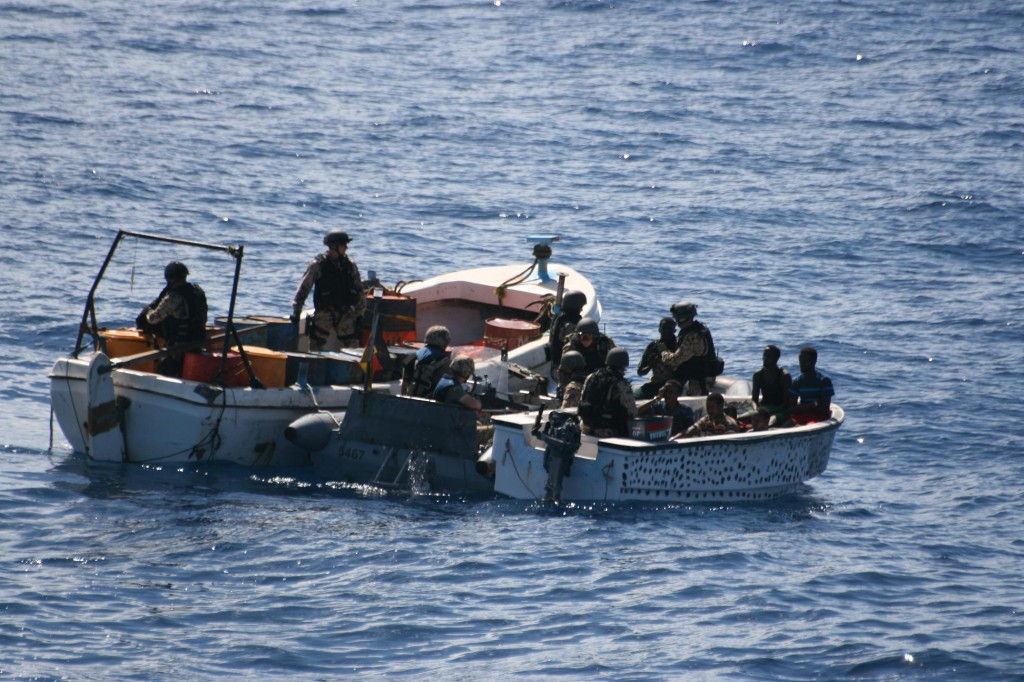
On 27th February, 2019, Royal Navy warship, HMS Dragon, found a dhow off the coast of Oman in the Northern Arabian Sea which they assessed to be suspicious. HMS Dragon’s boarding team conducted a search of the vessel which resulted in a successful seizure of 100 bags of hashish, totaling in 2,040 kg.

The next day, on 28th February, Royal Australian Navy warship, HMAS Ballarat, also sailing off the coast of Oman, conducted a similar operation. A boarding and search operation of the dhow resulted in 2,045.60 kg of hashish.

In reaction to the drug seizures, Commodore Darren Garnier, Royal Canadian Navy, Commander CTF 150 said: “HMS Dragon and HMAS Ballarat have been instrumental in reducing the use of the high seas as a venue for illegal activities. These two very capable warships and their ships’ companies have each conducted six seizures to date, ensuring the funding of illegal narcotics is staying out of the hands of potential terrorist organizations. Bravo Zulu HMS Dragon and HMAS Ballarat for your continued support to CTF 150 operations.”

Combined Maritime Forces has three principle task forces: Combined Task Force (CTF) 150, which conducts counter-terrorism and maritime security operations; CTF 151, which conducts counter-piracy operations; and CTF 152, which conducts maritime security operations in the Middle East.

Captain Leif Maxfield, Deputy Commander CTF 150 added: “I am extremely proud of the hard work and meaningful interoperability between the international ships under our command and our CTF 150 Battle Watch. Our successes demonstrate the value the Combined Maritime Forces coalition brings to the table in improving maritime security in the area of operations.”

The Canadian-led CTF 150 Task Force, supported by the Royal Australian Navy, has now directed and overseen fifteen successful illegal narcotic interceptions in an area known as the ‘hash highway’. Since taking command on 6th December, 2018, the Task Force has now seized and destroyed over 28,000 kg of illegal narcotics.

The Combined Maritime Forces (CMF) is a multinational task force currently comprised of 33 nations. CMF operates three Combined Task Forces (CTFs) in order to conduct Maritime Security Operations. CTF 150 responsible for maritime security and counter terrorism operations. CTF 151 responsible for counter piracy operations. CTF 152 responsible for maritime security and counter terrorism with the Gulf.

Source: combinedmaritimeforces.com
First serious clashes in Hodeida after truce

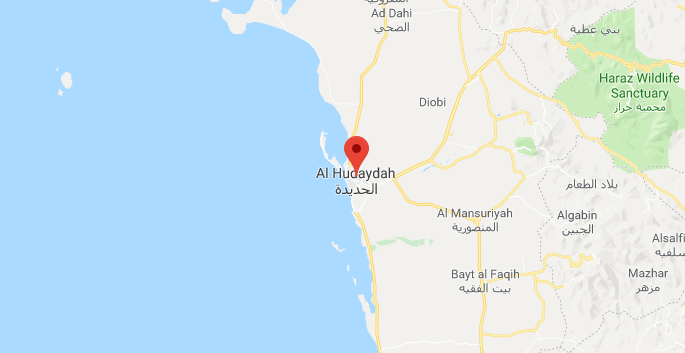
Sana’a: Yemeni security officials and eyewitnesses say that fighting has erupted in the key port city of Hodeida, the first significant clashes since warring sides agreed to a UN-brokered cease-fire deal in December.

They say the combat began overnight into Sunday, leaving fires burning on the main front lines in the city’s east and south, while exchanges of artillery fire shook the beleaguered city.

To continue reading, please click here.

Source: gulfnews.com

Boundaries of Piracy High Risk Area Reduced

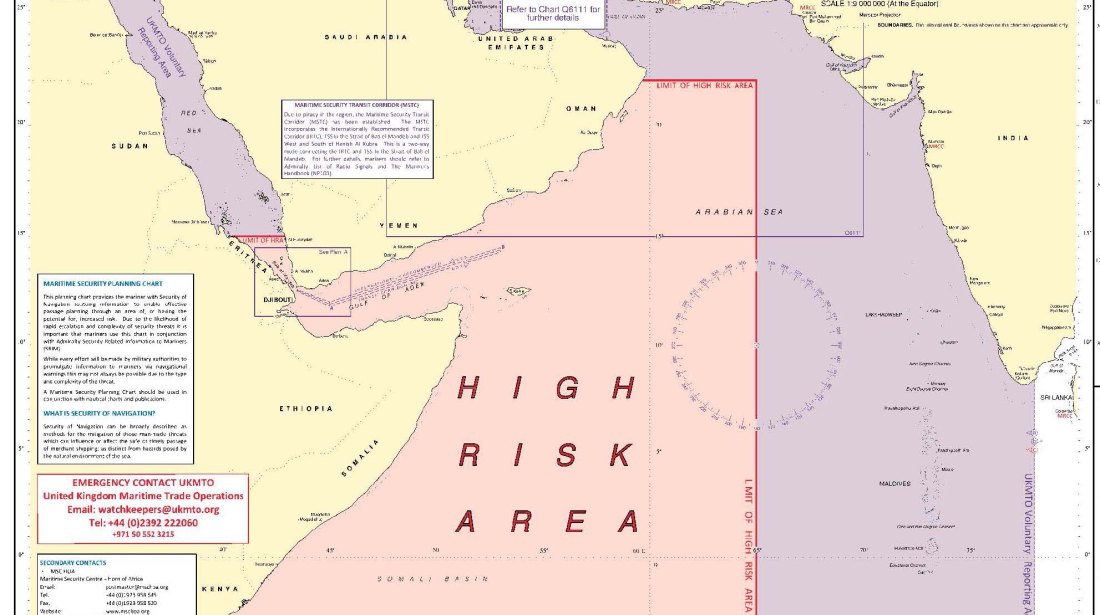
The geographic boundaries of the ‘High Risk Area’ for piracy in the Indian Ocean have been reduced.

An industry group of shipping and oil industry organizations BIMCO, International Chamber of Shipping (ICS), INTERCARGO, INTERTANKO and the Oil Companies International Marine Forum (OCIMF) are responsible for setting the High Risk Area, and they emphasize that a serious threat remains despite the reduction to the area’s geographic boundaries and that correct reporting, vigilance and adherence to 5th edition of the best management practice (BMP5) remains crucial.

To continue reading, please click here.

Source: maritime-executive.com

Piracy High Risk Area Boundaries Reduced In Indian Ocean

The Round Table of international shipping associations plus the Oil Companies International Marine Forum (OCIMF) have issued new advice to merchant ship operators about the boundaries, while emphasising that a serious threat from piracy still exists in the region.

The High Risk Area reflects the area where the threat from piracy exists, whilst recognising the ongoing containment of pirate attacks in the Indian Ocean. The industry group which has redefined the boundaries includes BIMCO, the International Chamber of Shipping (ICS), INTERCARGO and INTERTANKO.

To continue reading, please click here.

Source: bunkerspot.com

Navy Foils Pirate Attack On Iranian Oil Tanker

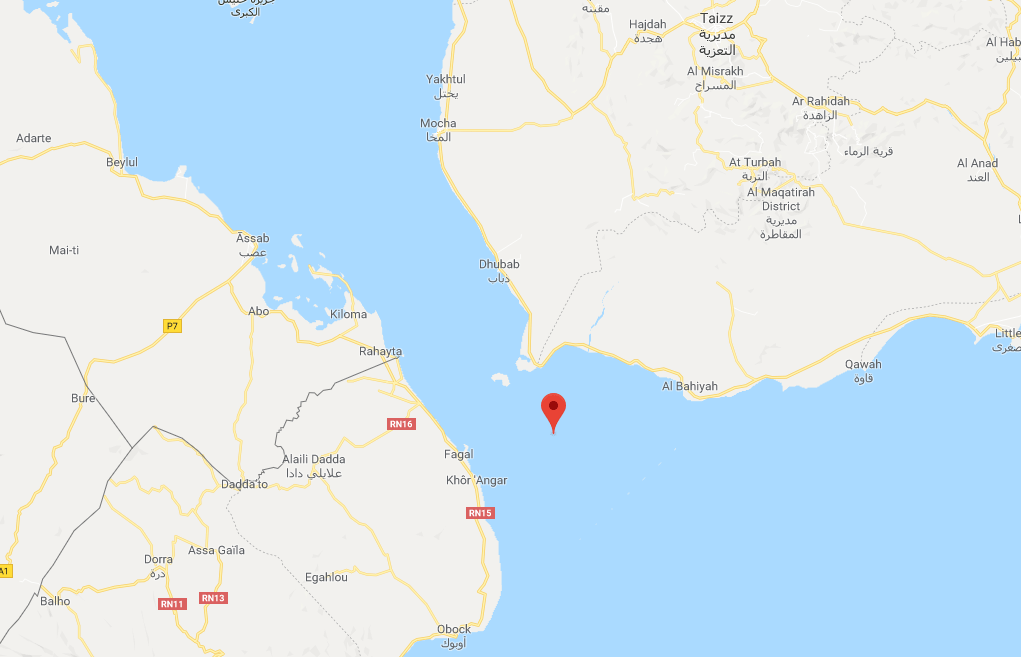
Iran’s naval forces saved one of the country’s oil tankers from a pirate attack in the Bab-el-Mandeb Strait, which links the Gulf of Aden to the Red Sea, a Navy official said.

According to the official, the pirates launched the attack early on Thursday on board 11 speed boats.

To continue reading, please click here.

Source: iranian.com

Maritime Security News Note:

Well. It’s been quite some time since the Iranian Navy claimed to have foiled a pirate attack. Few navies have killed as many invisible pirates as Iran’s, and the location of this incident is curious to say the least. It’s unlikely that Somali pirates would transit that far our of the Gulf of Aden, given the military traffic around Yemen’s coast. Additionally, for Somali pirates to muster 11 skiffs to attack… in 2019? There isn’t a pinch of salt big enough, frankly. Generally, contact in this area is usually from elements of the Saudi coalition, who often patrol the anchorages off Mocha and Hodeidah by speed boat, or Houthi militants. It’s also unlikely that the Iranians would engage Houthis in combat.