By: Ben Werner
U.S. Coast Guard Cutter Thetis (WMEC-910) is halfway through a 90-day mission to Africa’s Atlantic coast and already the crew has helped enforce fishing rights, combat smuggling and piracy and rescue two fishermen who had been declared dead.
Operating off the coast of Africa is not the typical patrol route for a U.S. Coast Guard cutter, but the mission is the same, Cmdr. Randall Chong, commanding officer of Thetis, told USNI News during a recent satellite call from the ship. Thetis is assisting partner nations in better understanding the seas off their shores and helping secure their national interests while preventing regional problems from growing into more significant issues that could reach U.S. borders.
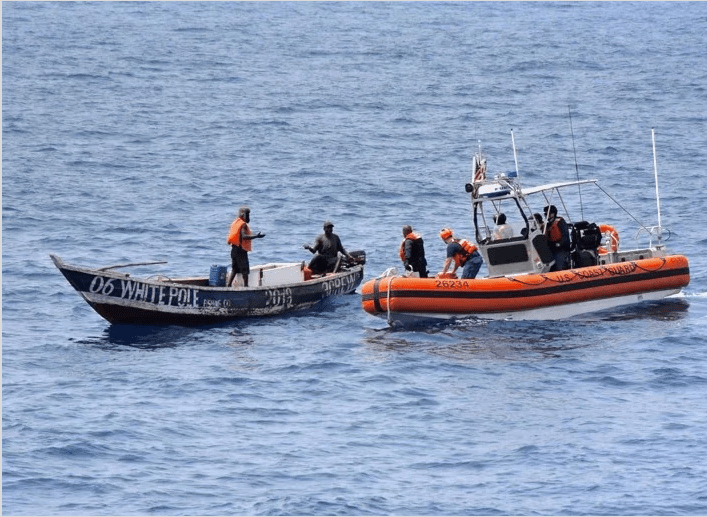
“Last month we were operating off the coast of Sierra Leone and one of my young lookouts, she saw a guy waiving, two guys waiving their life jackets,” Chong said. “They had no food, no water; they were actually starting to drink some sea water. We escorted them back to Sierra Leone and when we brought them back, we were told by their government they were declared dead two days before that.”
The scenario is relatively common among the fishing fleet, Chong said. Fishermen head out to sea on 22-foot boats, powered by old outboard motors and without navigation aids or communication links to shore. Sierra Leone also doesn’t have the resources to mount considerable search efforts at sea.
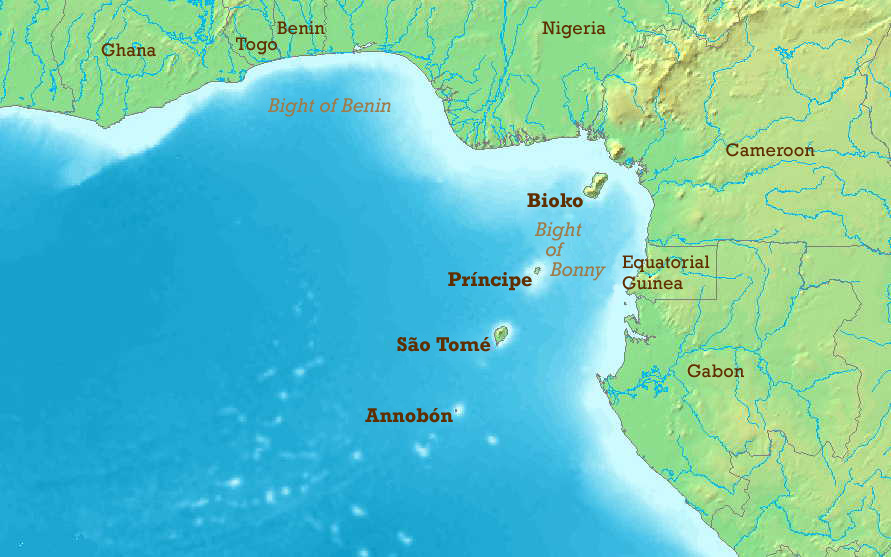
Thetis, a 270-foot Famous-class medium endurance cutter based in Key West, Fla., is made for finding small ships at sea. The cutter and crew specialize in maritime law enforcement operations such as counternarcotics and human smuggling missions. Their three-month deployment to Africa’s Gulf of Guinea region is intended to share their expertise with African maritime nations.
“The Coast Guard is a unique fit for this type of mission with our law enforcement authorities and our competencies,” Lt. David Zwirblis, operations officer on Thetis, told USNI News. “That’s really what these nations are looking for; they’re trying to secure their maritime domains. That’s what their navies are doing. Their economies are really intertwined with the maritime security of the region.”
Mission to Africa
Thetis departed Key West for Africa in late February, making it the first Coast Guard cutter to deploy in support of U.S Africa Command since 2012 and the first to participate in an African maritime exercise since 2011, according to Coast Guard news releases. Thetis participated in exercise Obangame Express and made port calls in Nigeria, São Tome and Principe and Cote d’Ivoire, among other work during the deployment.
U.S. military engagement with African nations is critical to protecting U.S. interests and helping stabilize governments on the continent, Adm. James Foggo, the commander of U.S. Forces Africa, explained during a recent edition of his podcast.
Having the U.S. Coast Guard deploy to Africa is useful, Foggo said, because the U.S. Coast Guard’s maritime law enforcement mission aligns with what he said African nations frequently cite as their most significant needs: enhancing their maritime security operations to protect fishing rights, stop smuggling and interdict human and drug trafficking.
For many of the nations, Chong said their navies perform missions similar to those of the U.S. Coast Guard. For the most part, the African navies and coast guards protect their fisheries resources from illegal fishing, search for smugglers and and combat the region’s ongoing piracy problems.
In many cases, the African nations use equipment very similar to what the U.S. Coast Guard employs. Smaller nations have patrol boats similar to those used by the U.S. Coast Guard, Chong said. Larger nations have frigates which are the same size as the U.S. Coast Guard’s national security cutters.
“The technology is very comparable to us as far as doing those type of boardings off a smaller platform or off a frigate,” Chong said.
In the case of Nigeria, Chong said Thetis operated with a former U.S. Coast Guard cutter. Current Nigerian navy frigate NNS Thunder (F90) is the former Hamilton-class high endurance cutter USCGC Chase (WHEC-718). Chase was transferred to Nigeria after being decommissioned in 2011.
“We’re helping a lot of these countries and their navies and coast guards to do boarding and security type functions,” Chong told USNI News. “We’re working with them jointly in their own maritime security zones.”
Geopolitical Mission
However, having the U.S. Coast Guard share knowledge and expertise with African nations serves another purpose that’s harder to quantify but is critical to U.S. foreign policy: acting as a counter to the growing influence of China in the region, officials say.
“I think I can safely say China’s interests are not the same as our interests,” Foggo said. “China has tripled its loans to Africa since 2012, making Beijing a major debt holder for African governments. China’s focus is geared towards using money and loans to open doors and access to natural resources contracts. This type of debt diplomacy can be a hindrance.”
Citing recent developments in Sri Lanka, Foggo said after that island nation’s ballooning debt to China grew unsustainable, China agreed to forgive some of the debt in return for gaining control of a major Sri Lankan port facility for 99 years.
Expect to see increased U.S. Coast Guard missions to support U.S. Navy fleet operations around the world, officials say.
“You look at Oceana; you look at China asserting influence, checkbook diplomacy in places where there’s not much of a tempering or competing voice right now,” Commandant of the Coast Guard Adm. Karl Schultz said last summer. “The Coast Guard I think can bring some unique capabilities in building partner capacity.”
Since Schultz foreshadowed sending Coast Guard assets to assist U.S. Navy missions, Thetis was sent to Africa. Meanwhile, and around the globe, cutter USCGC Bertholf (WSML-750) joined guided-missile destroyer USS Curtis Wilbur (DDG-54) in showing the roughly 110-mile wide body of water separating mainland China from Taiwan remains open for all maritime traffic.
“The bottom line is we’re there to work with our friends,” Foggo said. “We don’t ask for anything in return except for their friendship.”
Source: news.usni.org



 Maritime Security News