Indian Navy signs contract with ISRO for a new military satellite

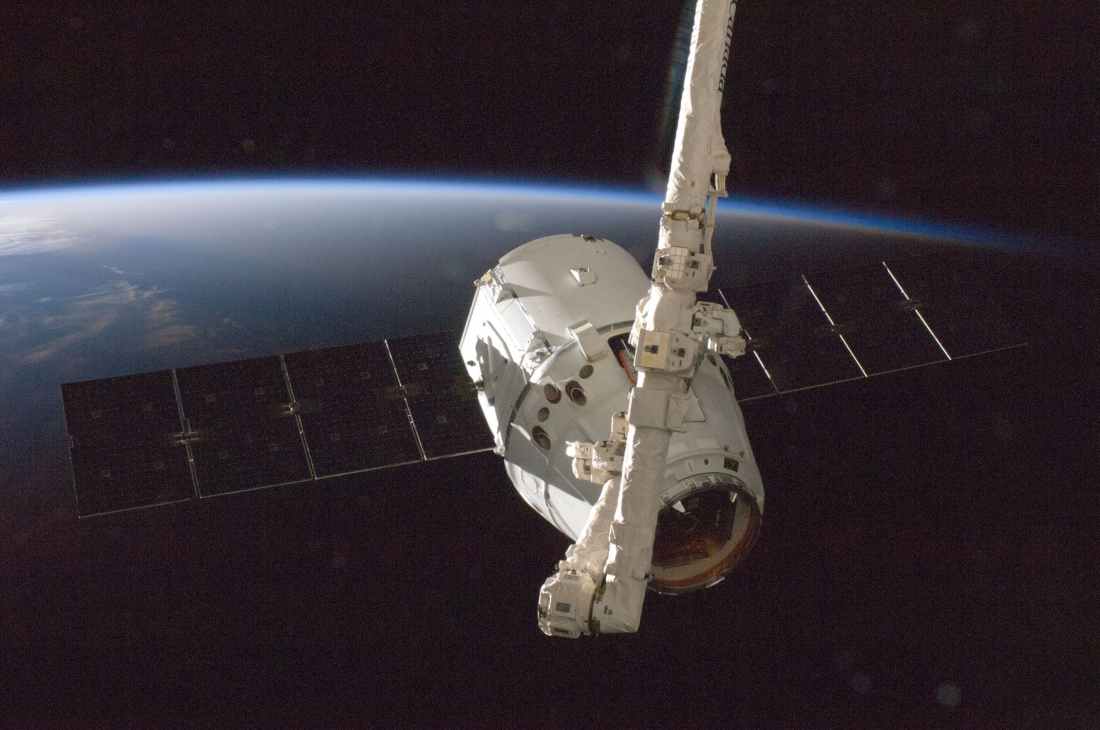
For the procurement of a new military satellite to ease communications between its warships, aircrafts and shore- based units, the Indian Navy has placed an order with the Indian Space Research Organisation (ISRO), for which the launch is likely to happen within a year.

The new missile satellite, named “GSAT 7R”, costs Rs 1,589 crore, inclusive of launch cost and procurement of key infrastructure on ground. The “GSAT 7”, first dedicated Indian military satellite, launched in 2013, is likely to be replaced by the new satellite system.

To continue reading, please click here.

Source: newdelhitimes.com

Maritime security in the Gulf: UK government response

Stena Impero seized in the Strait of Hormuz

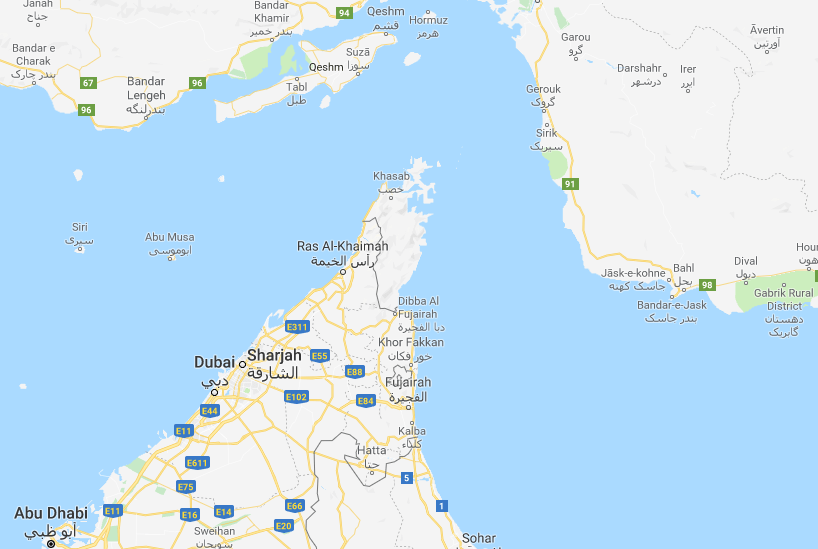
On 19 July Iranian authorities seized the British-flagged vessel, Stena Impero, in Omani waters in clear contravention of international law. Following a ministerial COBR meeting on 20 July, Foreign Secretary Jeremy Hunt gave astatement on iranian actions in the Strait of Hormuz.

The UK Mission to the United Nations in New York, on behalf of the UK government, sent a letter to the President of the United Nations Security Council setting out the facts about the incident.

On 21 July the Foreign Secretary called the French and German foreign ministers. Both agreed with the Foreign Secretary that safe passage through the Strait of Hormuz is a top priority for European nations, while avoiding escalation in the region.

Grace 1 detained off the coast of Gibraltar

On 4 July the Iranian oil tanker Grace 1 was detained during a a government of Gibraltar-led operation to uphold EU sanctions on Syria. The Foreign Secretary spoke with the Chief Minister of Gibraltar and with the Iranian Foreign Minister about the Grace 1 tanker.

On 15 July the Foreign Secretary attended the EU Foreign Affairs Council in Brussels. Before his visit, he gave a statement on Iran’s compliance with the nuclear deal and also commented on the detention of the Grace 1 and the rights of commercial ships in the Gulf.

Tankers attacked in the Gulf of Oman

The UK government is almost certain that a branch of the Iranian military attacked 2 tankers on 13 June. The Foreign Secretary condemned the attacks on civilian shipping, and called on Iran to cease all forms of destabilising activity. Read the UK statement on the attacks in the Gulf of Oman.

Source: gov.uk

Top official of Sri Lanka’s independent police commission held

COLOMBO: A top official of Sri Lanka’s independent Police Commission was arrested on Thursday for allegedly being involved in a case relating to illegal gun-running and money laundering, the police said…

…The case is related to the alleged illegal transfer of government weapons to Avant Garde, a private firm, from the Sri Lanka Navy. Avant Garde operated a lucrative business of providing sea marshals to protect merchant ships from Somali pirates in the high seas, during former President Mahinda Rajapaksha’s regime.

To continue reading, please click here.

Source: newindianexpress.com

Departure of EU naval force risky for coast, report warns

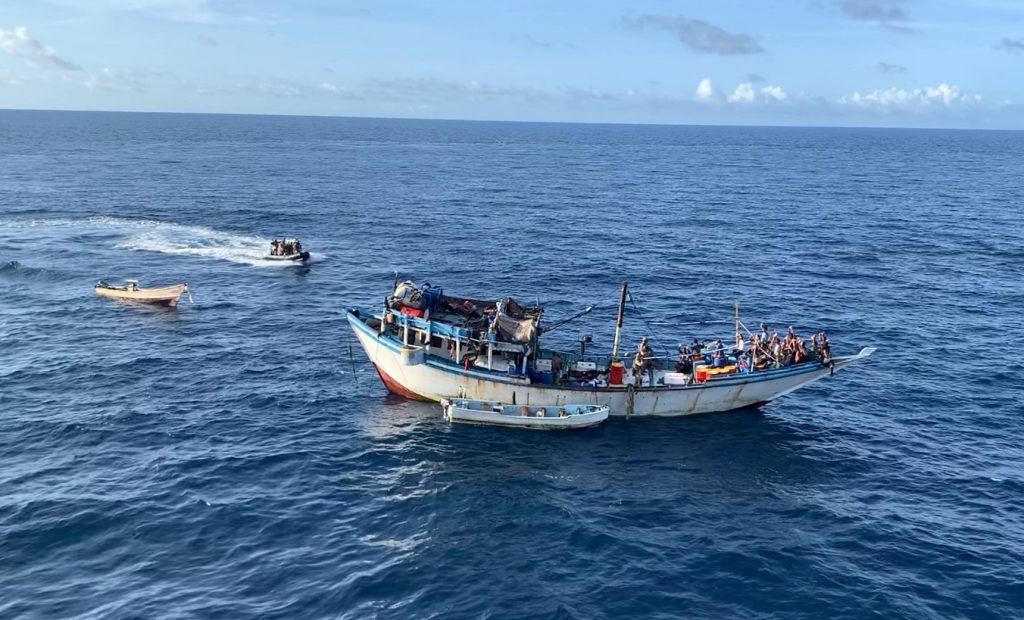
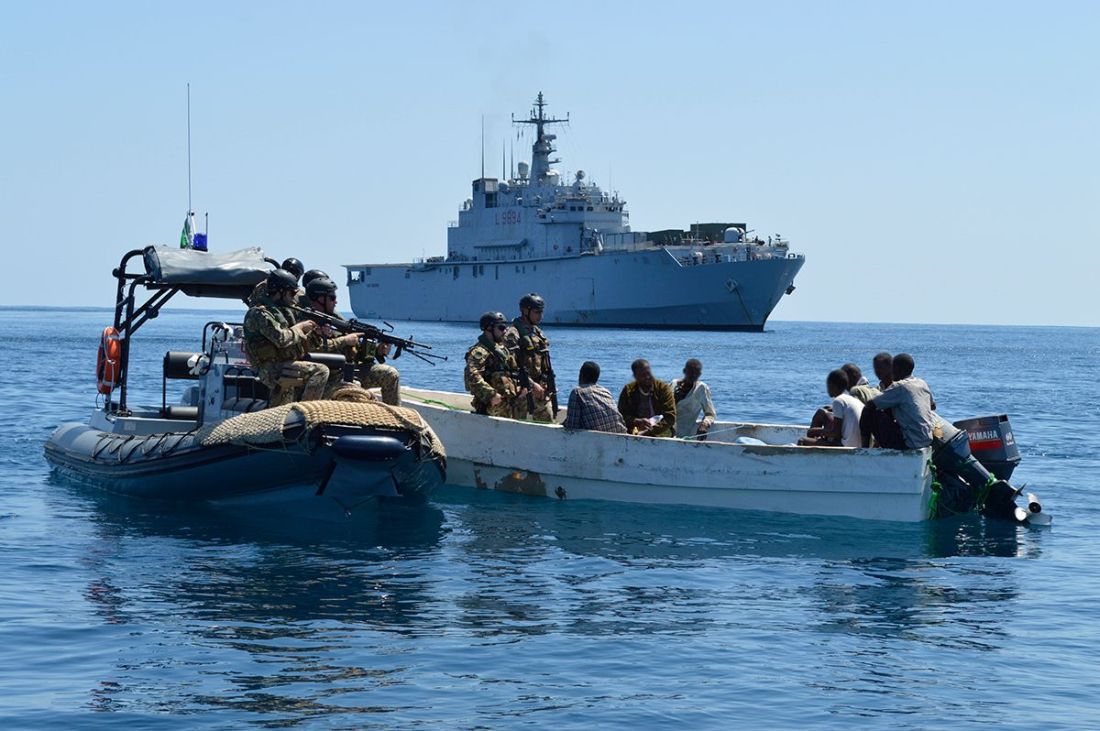
File image of an approach on a dhow

By Samuel Baya

The possible withdrawal of the European Union Naval Force from the Indian Ocean waters has raised the need for other plans to ensure piracy does not rise again in the region, a new maritime report says.

A report by the Intergovernmental Standing Committee on Shipping (ISCOS) says that though piracy has been on the decline, the possibility of a withdrawal of the EU naval force that has been stationed in the Indian Ocean waters for years heralds uncertainty.

To continue reading, please click here.

Source: businessdailyafrica.com

U.S. unsure about circumstances of tanker towed to Iran

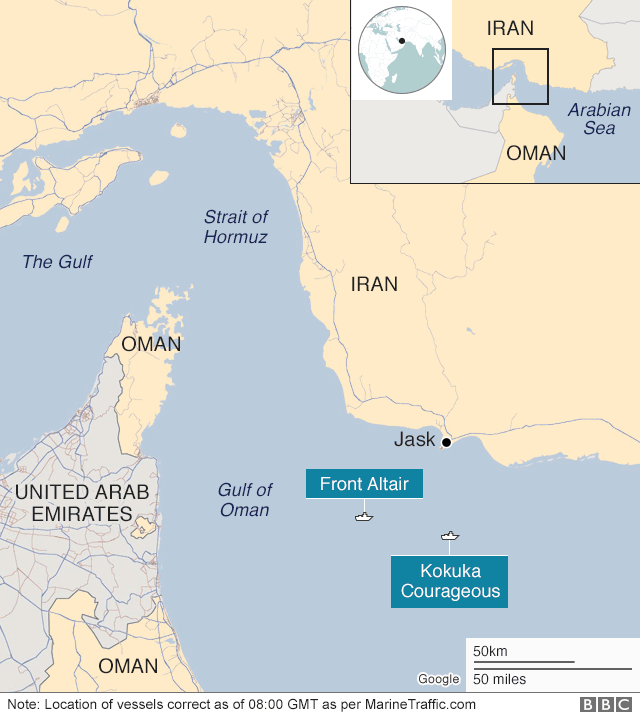
DUBAI (Reuters) – U.S. officials say they are unsure whether an oil tanker towed into Iranian waters was seized by Iran or rescued after facing mechanical faults as Tehran asserts, creating a mystery at sea at a time of high tension in the Gulf.

The MT Riah disappeared from ship tracking maps when its transponder was switched off in the Strait of Hormuz on July 14. Its last position was off the coast of the Iranian island of Qeshm in the strait.

To continue reading, please click here.

Source: reuters.com

Commercial ships warned against using private armed security in the Gulf

Shipping associations issue advice after a series of attacks blamed on Iran

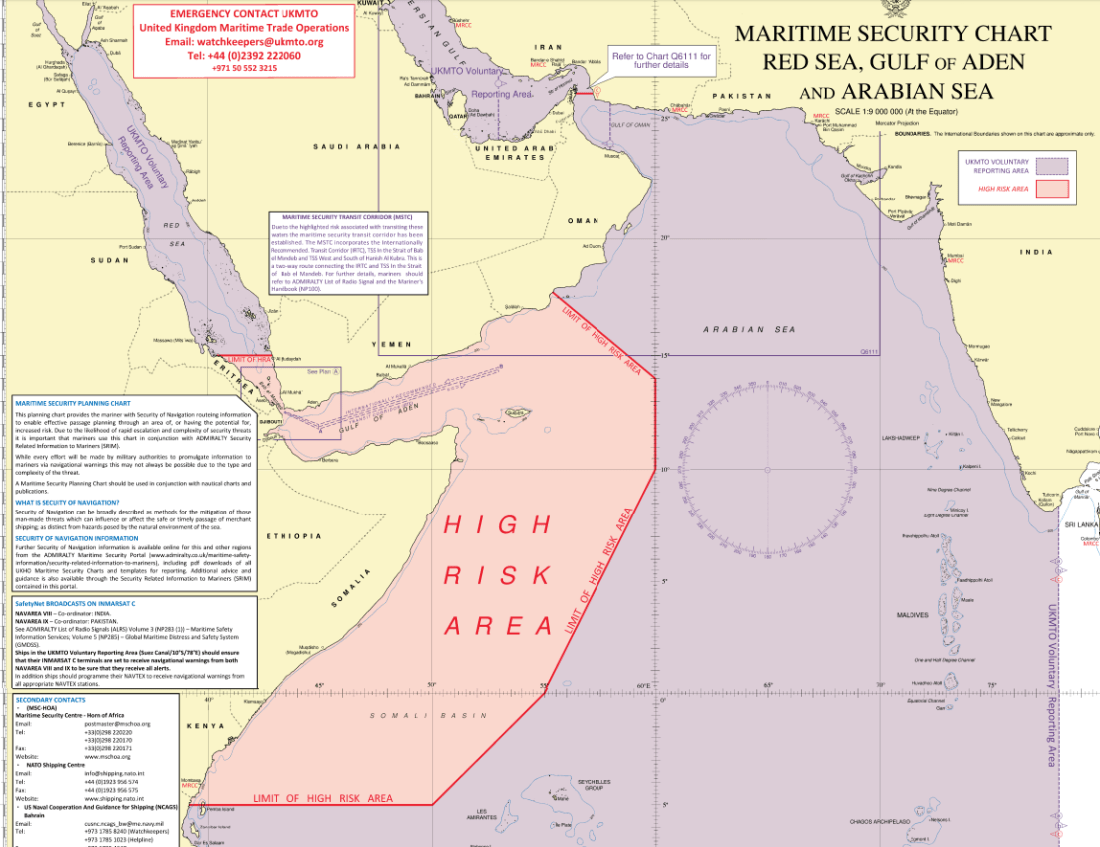
Shipping companies sailing through the Arabian Gulf are being urged to avoid having private armed security guards on board as the risk of escalation in the region rises.

Relations between Iran and the West have become increasingly strained after Britain seized an Iranian tanker in Gibraltar last week and London said its warship HMS Montrose had to fend off Iranian vessels seeking to block a British-owned tanker from passing through the Strait of Hormuz.

To continue reading, please click here.

Source: thenational.ae

Seafarers’ charity calls for increased cooperation to tackle piracy ahead of Sea Sunday

Seafarers’ charity Stella Maris (Apostleship of the Sea) has expressed concern over the effect that piracy continues to have on seafarers’ physical and mental wellbeing, ahead of Sea Sunday on July 14.

The charity has emphasised that seafarers’ safety and pastoral support remains paramount when their ships are targeted or attacked by pirates.

To continue reading, please click here.

Source: hellenicshippingnews.com

Saudi Arabia moves to secure Yemen Red Sea ports after UAE drawdown

Aziz El YaakoubiMohamed Ghobari

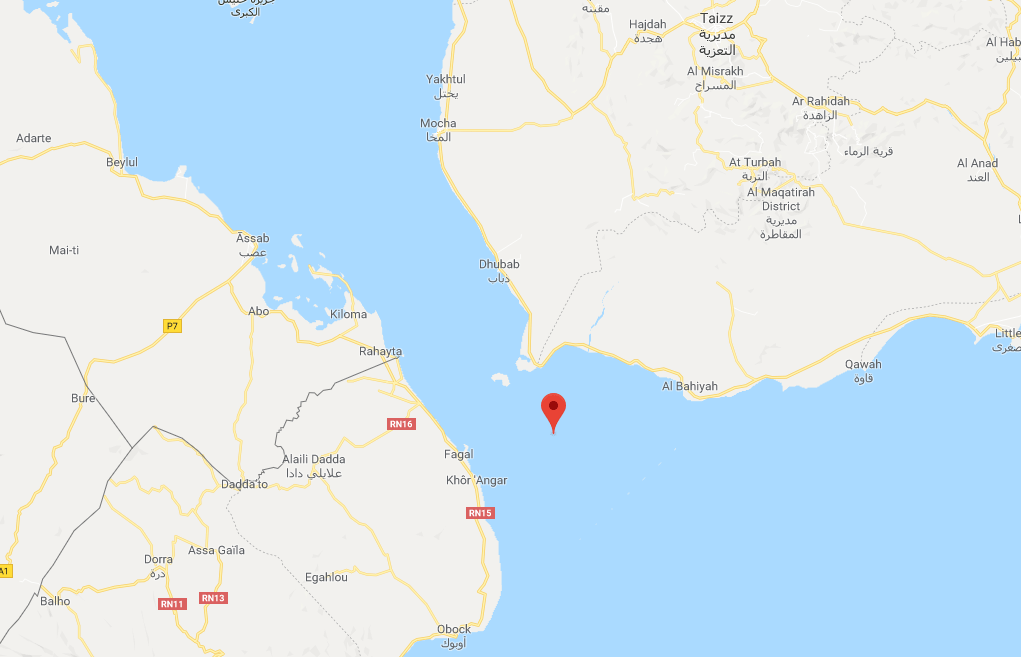
DUBAI/ADEN (Reuters) – Saudi Arabia’s military in Yemen has moved in to secure two strategic Red Sea ports and the Bab al-Mandeb Strait after its leading ally the United Arab Emirates substantially reduced its presence there, four sources familiar with the matter said.

The UAE has drawn down its numbers in some parts of Yemen, where it had set up large bases amid a four-year-old multi-layered war that is widely seen as a proxy battle between regional rivals Saudi Arabia and Iran.

To continue reading, please click here.

Source: reuters.com

Threat level raised to ‘critical’ for UK ships in Iranian waters

The UK has raised the threat to British shipping in Iranian waters in the Gulf to the highest level – where the risk of attack is “critical”.

The step was taken on Tuesday, amid growing tensions in the region.

On Wednesday, Iranian boats tried to impede a British oil tanker in the region – before being driven off by a Royal Navy ship, the MoD said.

Iran had threatened to retaliate for the seizure of one of its own tankers, but denied any attempted seizure.

The Department for Transport said it regularly provided security advice to UK ships in high-risk areas.

The threat level means British ships are advised not to enter Iranian waters, BBC defence correspondent Jonathan Beale said.

Boats believed to belong to Iran’s Islamic Revolution Guard Corps (IRGC) approached the British Heritage tanker and tried to bring it to a halt as it was moving out of the Gulf into the Strait of Hormuz.

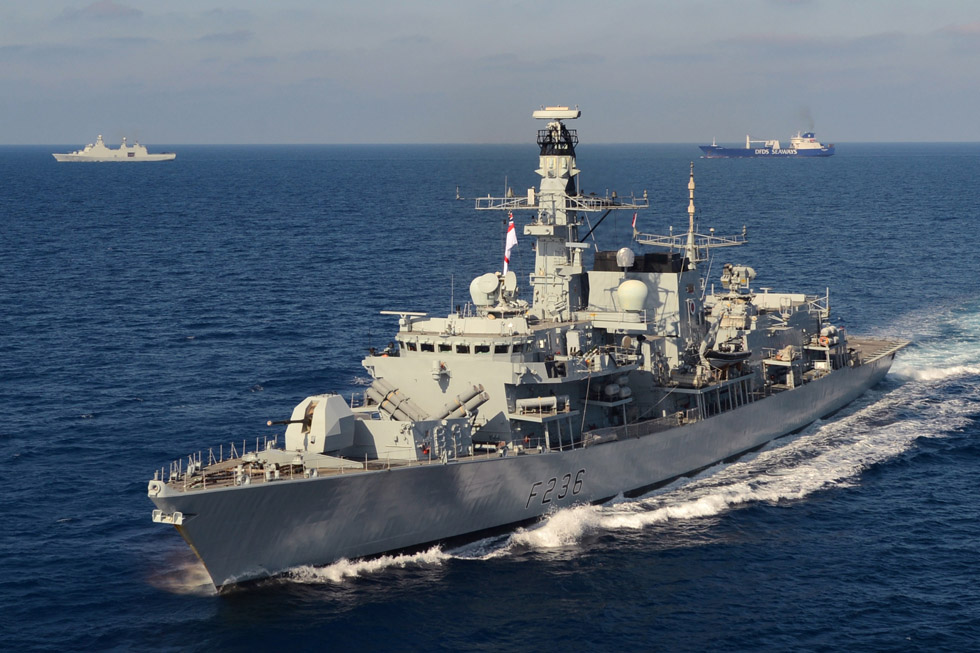
HMS Montrose, a British frigate shadowing the BP-owned tanker, was forced to move between the three boats and the ship, a Ministry of Defence spokesman said.

He described the Iranians’ actions as “contrary to international law”.

Guns on HMS Montrose were trained on the Iranian boats as they were ordered to back off, US media reported. The boats heeded the warning and no shots were fired.

Last week, British Royal Marines helped the authorities in Gibraltar seize an Iranian tanker because of evidence it was carrying oil to Syria in breach of EU sanctions.

A spokesman for the Royal Gibraltar Police said they had arrested the captain and chief officer of the Iranian tanker on Thursday, on suspicion of breaching EU sanctions, but neither had been charged.

The BBC has been told British Heritage was near the island of Abu Musa when it was approached by the Iranian boats.

Although Abu Musa is in disputed territorial waters, HMS Montrose remained in international waters throughout.

Defence Secretary Penny Mordaunt said the government was concerned by the incident and urged the Iranian authorities to “de-escalate the situation”.

Foreign Secretary Jeremy Hunt added the UK would monitor the situation “very carefully”.

Prime Minister Theresa May’s official spokesman said the government was “committed to maintaining freedom of navigation in accordance with international law”.

A spokesperson for the US State Department condemned Iran’s actions and said that Washington would continue to work closely with the UK.

Morgan Ortagus said: “We commend the actions of the Royal Navy in ensuring freedom of navigation and the free flow of commerce through this critically important waterway.”

Commander of the US Fifth Fleet Vice Adm Jim Malloy described the incident as “unlawful harassment” and said the fleet would continue to work closely with the Royal Navy to defend “the free flow of commerce”.

What does Iran say?

The navy of Iran’s Islamic Revolution Guard Corps has denied claims it tried to seize the tanker, Iranian news agencies reported. IRGC’s navy said there had been no confrontation with any foreign vessels in the past 24 hours.

Iranian foreign minister Mohammad Javad Zarif said the UK made the claims “for creating tension”.

“These claims have no value,” Mr Zarif added, according to the Fars news agency.

Why are UK-Iran tensions escalating?

The relationship between the UK and Iran has become increasingly strained, after Britain said the Iranian regime was “almost certainly” responsible for the attacks on two oil tankers in June.

Tensions grew after the seizure of an Iranian oil tanker by authorities in Gibraltar, assisted by British Royal Marines.

On Thursday an Iranian official told the BBC the seizure was “unnecessary and non-constructive escalation by the UK” and called for the tanker, Grace 1, to be released.

An Iranian official previously said a British oil tanker should be seized if Grace 1 was not released.

On Wednesday, Iranian President Hassan Rouhani called the UK “scared” and “hopeless” for using Royal Navy warships to shadow another British tanker in the Gulf.

“You, Britain, are the initiator of insecurity and you will realise the consequences later,” Mr Rouhani said.

The Royal Navy has a frigate, four minehunters and a Royal Fleet Auxiliary support ship already stationed in a permanent Naval Support Facility in the region, at Mina Salman in Bahrain.

This is enough to provide reassurance, but probably not to deal with a crisis, BBC defence correspondent Jonathan Beale said.

Ministers would now have to consider sending another Royal Navy ship to the region – but this could further escalate tensions with Iran, our correspondent said.

Foreign Office officials said they were keeping the UK’s military posture in the region under constant review but insisted they did not want to see tensions escalate.

Source: bbc.co.uk


BP Oil Tanker Reportedly Being Kept Near Saudi Shores For Fear Of Iran Action

Persian Gulf/SoH

A report by Bloomberg says that a British oil tanker is staying in the Persian Gulf in fear of being seized by Iran in retaliation for an Iranian tanker impounded by the British and Gibraltar authorities since July 4.

The mid-size oil tanker capable of carrying one million barrels of oil was reportedly moving toward one of Iraq’s oil terminals when it changed course and is currently anchored close to Saudi Arabia.

To continue reading, please click here.

Source: en.radiofarda.com